Why there are Amazon links here: Brave Review is paid a commission for qualifying Amazon purchases made through the links below. Your price does not change, and using our links is entirely optional. How this works
Best Stopcock Actuator Integration Guide for Routine Valve Work
Integrating a stopcock actuator into routines is mostly a documentation problem before it is a hardware problem, and the AWWA M66 manual is the reference that covers cylinder and vane actuators end to end. This guide is written for three kinds of buyers: maintenance technicians standardizing a valve routine, engineers specifying actuators for a water or process line, and facility supervisors building a training binder. The pick below is a technical manual rather than a gadget, so the overview table positions it by what it actually is.
Overview of the Pick
| Product | Key Spec | Best Use | Price Tier |
|---|---|---|---|
| M66 Cylinder and Vane Actuators and Controls – Design and Installation (AWWA Manual; M66) | AWWA M66 manual covering cylinder and vane actuators and controls | Reference for design, installation and routine integration | Premium |
M66 Cylinder and Vane Actuators and Controls – Design and Installation (AWWA Manual; M66)
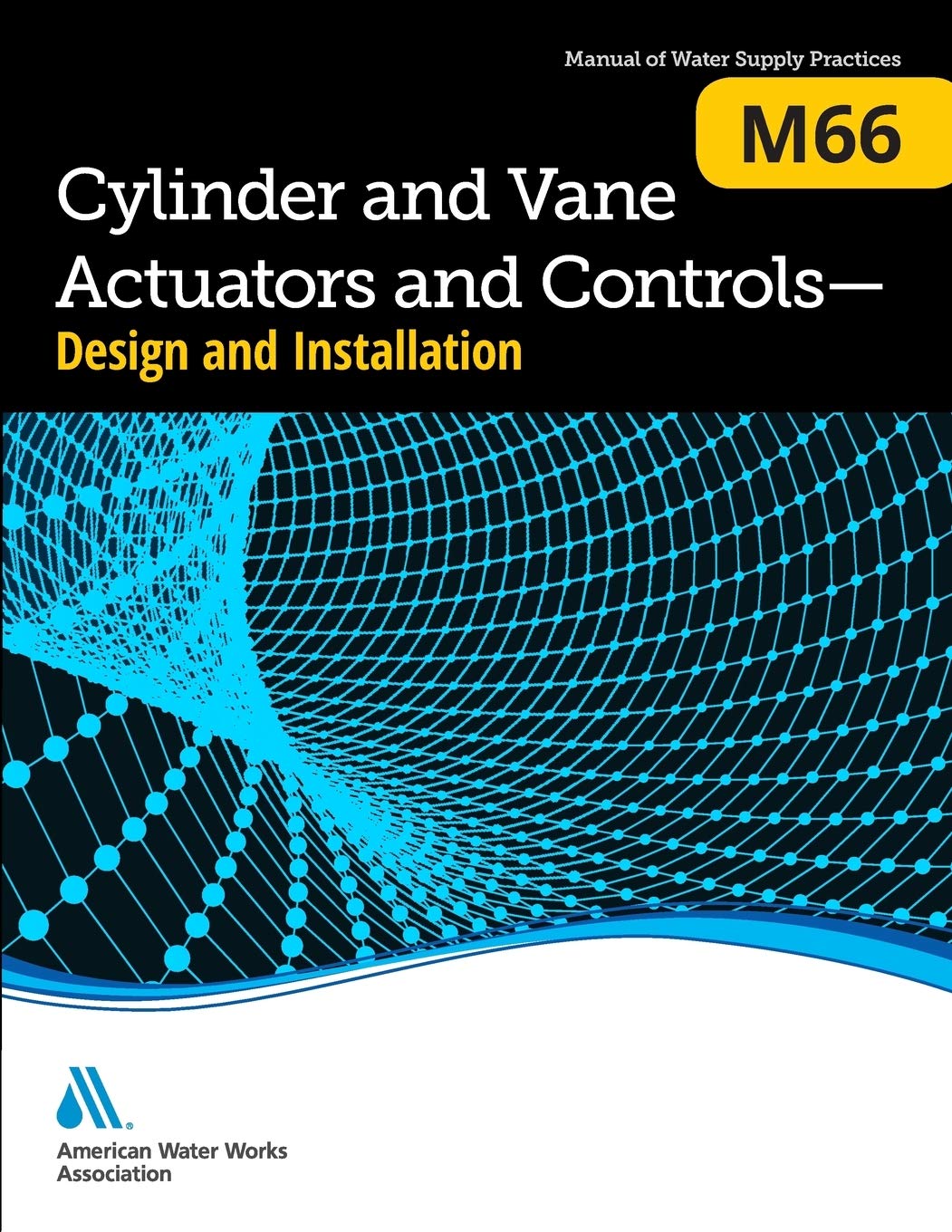
Format: Bound technical manual
Series: AWWA Manual M66
Subject: Cylinder and vane actuators and controls
Coverage: Design and installation
Intended use: Reference and procedure planning
M66 Cylinder and Vane Actuators and Controls – Design and Installation (AWWA Manual; M66) is a standards-body manual, not a consumer accessory. It treats actuators as engineered assemblies — cylinder types, vane types, and the controls that drive them — and pairs that with installation guidance, which is exactly the order a routine needs to follow. Buyers get a single reference that speaks to both the person sizing the actuator and the person mounting it.
The value here is structural: a manual organizes a stopcock actuator routine into design decisions, installation steps and control checks, so a team stops reinventing the sequence on every job. It suits maintenance leads writing a standard operating procedure and engineers who need shared vocabulary with contractors. It is not a quick-start pamphlet, and readers looking for a one-page checklist will find it heavier than they want.
Trade-off: A formal AWWA manual is priced and written for professional reference shelves, so a casual home buyer integrating a single small stopcock actuator will be paying for depth and scope far beyond one installation.
Before You Buy
- Scope: Confirm the manual’s subject — cylinder and vane actuators and controls — matches the actuator family in the routine being written.
- Audience: Decide whether the reference is for an engineer, a technician or both; a shared copy works best when both read the same edition.
- Format: A bound manual suits a site office or training binder; a digital copy suits field lookup, so check which format is being offered.
- Edition: Manuals are revised, so verify the edition on the listing before standardizing procedures around it.
- Storage: Plan a shelf or cabinet spot near the maintenance log, because a reference only changes routines when it is reachable.
- Companions: Pair it with the site’s own valve tags and control diagrams; the manual explains the method, not the specific plant layout.
- Cost tier: Budget it as a professional reference purchase rather than a consumable, and buy one per team rather than one per person.
Frequently Asked Questions
-
Is this a physical book or a digital download?
The listing is for the AWWA M66 manual as a published reference; buyers should confirm the format shown at checkout before ordering for a field team. -
Does it cover stopcock actuators specifically?
It covers cylinder and vane actuators and controls with design and installation guidance, which is the actuator family a stopcock routine is built around. -
Who is the manual written for?
It is written for the professional side of the work — engineers specifying actuators and technicians installing and maintaining them — rather than for casual home use. -
Can it replace a site-specific procedure?
No. It supplies the design and installation framework; the plant’s own valve schedule, tagging and control drawings still have to be layered on top. -
How should it be used in a routine?
The practical pattern is to read the design section when specifying, the installation section when mounting, and the controls section when verifying operation. -
Is the price justified for a single small job?
For one minor installation the cost is hard to justify, but for a team standardizing actuator work across many valves it spreads across every job.
Bottom Line
For anyone serious about integrating a stopcock actuator into routines across a site, the M66 Cylinder and Vane Actuators and Controls – Design and Installation (AWWA Manual; M66) is the reference to own — it turns an ad hoc installation into a repeatable, documented sequence. Buyers who only need a one-off home fix should skip it, but maintenance teams and specifying engineers will get their money back on the first standardized job.
