Why there are Amazon links here: Brave Review is paid a commission for qualifying Amazon purchases made through the links below. Your price does not change, and using our links is entirely optional. How this works
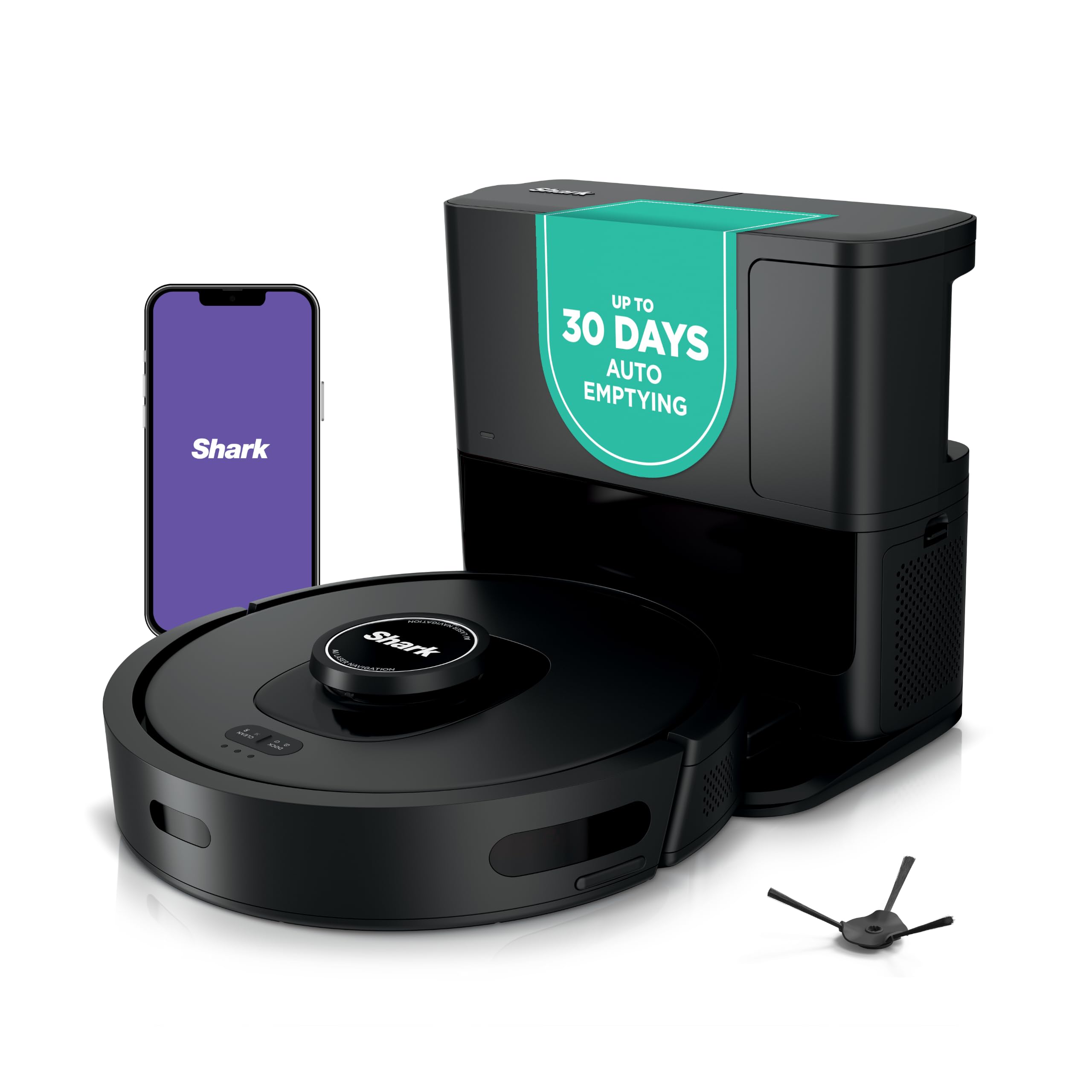
Shark AV2501S AI Ultra Robot Vacuum: Self-Emptying Pet-Hair Cleaner
The Shark AV2501S AI Ultra is a robot vacuum built for households that want the floor cleaned without emptying a dustbin every day. Its 30-day HEPA self-empty base handles the debris, and Matrix Clean navigation maps the home so cleaning runs follow a plan rather than a random path. This review covers what the machine does, where its limits sit, and which buyers get the most from it.
Buyers comparing robot vacuums in the mid-range often weigh three things: how much hands-on maintenance the unit demands, how well it handles pet hair, and whether the mapping is good enough to trust on a schedule. The AV2501S AI Ultra answers all three with the same pitch — less intervention. The sections below work through the specifications, the build, the cleaning system, upkeep and the trade-offs.
Features and Specifications
- Model: Shark AV2501S AI Ultra
- Type: Robot vacuum with self-empty base
- Navigation: Matrix Clean with home mapping
- Base Capacity: 30-day bagless HEPA self-empty base
- Best For: Pet hair
- Connectivity: Wi-Fi
- Color: Dark Grey
The specification list is short but each line changes daily life with the machine. The self-empty base is the headline: it holds roughly a month of debris, so the routine of tipping a small bin into the trash after every run disappears. The HEPA filtration in the base matters for allergy-prone households, because the dust leaves the robot inside a sealed container rather than being tipped out in the open.
Matrix Clean and home mapping are the navigation story. A mapped floor plan lets the robot clean in structured passes and return to its base when finished, instead of bouncing between walls until the battery runs down. Wi-Fi connectivity puts scheduling and start/stop control on a phone, which is the difference between a robot that runs while the household is out and one that needs a button press.
Trade-off: The self-empty base is large and needs clear wall space plus a power outlet, so apartments with tight layouts may struggle to place it well.
Check the current price on Amazon
Build and Design
The AV2501S AI Ultra ships in Dark Grey, a finish that hides scuffs better than white or gloss black on a machine that lives on the floor. The robot body is the low-profile disc shape common to the category, which is what lets it slide under sofa skirts and bed frames where pet hair collects. The base is the bulkier half of the package and dominates the setup decision more than the robot does.
Placement of the base deserves thought before purchase. It needs a power outlet, a stretch of wall, and enough clearance in front for the robot to dock cleanly. A hallway corner or the dead space beside a sofa usually works; the middle of a narrow kitchen walkway does not. Buyers in small flats should measure the spot first, because a base that has to be moved to reach a cupboard defeats the purpose of a self-emptying machine.
Build quality sits where the mid-range price suggests. The plastics are functional rather than premium, and the base bin is designed to be removed and rinsed rather than treated as a sealed appliance part. That is reasonable for the tier — the money goes into the self-empty mechanism and navigation rather than surface finish.
Trade-off: The base adds a permanent piece of furniture to the floor plan, and small homes may not have a sensible spot for it.
Cleaning Performance and Navigation
Matrix Clean is Shark’s name for the structured cleaning pattern the robot runs once it has mapped a space. In practice, a mapped home means the robot covers a room in organized passes and returns to the base rather than wandering until the battery fades. For pet owners, the value is consistency: hair on a schedule gets picked up before it mats into carpet fibers.
The pet-hair positioning is the core of the pitch. Hair is the debris type that clogs brushes and tangles rollers fastest, and it is also the type that accumulates daily in a home with a shedding animal. A robot rated for pet hair is expected to handle that load on a frequent schedule, which is exactly what the self-empty base makes practical — the household does not need to intervene between runs.
Wi-Fi control supports that rhythm. Scheduling a daily pass while the house is empty keeps the robot out of the way and keeps the floor clear. The caveat is that mapping takes a few runs to settle, and furniture moved mid-week can confuse any mapped robot until it re-orients. Buyers should expect the first week to be an adjustment period rather than a finished routine.
Trade-off: Navigation is only as good as the map, so cluttered floors and frequently rearranged furniture will reduce cleaning coverage.
Self-Empty Base and Maintenance
The 30-day capacity claim is the number that sells this machine, and it is worth understanding what it means. The base holds debris across many cleaning runs, so the household empties a large container roughly monthly instead of a small bin after every session. For pet owners, that removes the most unpleasant chore in robot vacuum ownership — dealing with a bin full of hair and dust every day.
HEPA filtration in a bagless base is the second half of the story. Bagless means no consumable bags to buy, and HEPA means fine particles are captured rather than blown back into the room. Allergy-sensitive households tend to care about that distinction more than raw suction figures.
Maintenance does not disappear entirely. The robot’s brush roll and side brushes still collect hair and need periodic clearing, and the base bin needs rinsing when emptied. Filters need occasional attention as well. The honest framing is that the self-empty base converts daily maintenance into monthly maintenance — it does not eliminate it.
Trade-off: Bagless HEPA bases still require filter care and bin rinsing, so the machine is low-maintenance rather than maintenance-free.
Who It Suits and Who It Does Not
The AV2501S AI Ultra fits households with pets, carpet or rugs, and a floor plan large enough to justify a docking station. It also suits buyers who know they will not empty a bin daily — the self-empty base is the feature that keeps a robot vacuum running consistently, and consistency is what actually keeps pet hair off the floor.
It is a weaker fit for studio apartments and very small flats where the base has nowhere sensible to live. Buyers who want a robot that also mops should look elsewhere, since this is a vacuum-first machine. And anyone expecting a robot to replace a full upright clean should recalibrate: robot vacuums handle surface debris and frequent passes, not deep carpet extraction.
The price tier matters here too. At the mid-range, buyers get self-emptying and mapping without paying flagship money, and the compromises land in surface materials and the absence of mopping rather than in the core cleaning job.
Trade-off: No mopping function and a bulky base mean this machine is a poor match for small, hard-floor-only homes that want an all-in-one unit.
FAQ
-
What does the 30-day capacity on the Shark AV2501S AI Ultra mean?
The self-empty base holds debris from many cleaning runs, so the container is emptied roughly once a month rather than after each session. Actual intervals depend on floor size, pet shedding and how often the robot runs. -
Is the Shark AV2501S AI Ultra good for pet hair?
Pet hair is the machine’s stated focus. Frequent scheduled runs plus a self-empty base keep hair from accumulating between cleanings, which is the main advantage for households with shedding animals. -
Does the self-empty base use bags?
No. The base is bagless, so there are no consumable bags to buy. The bin is removed and rinsed when it needs emptying. -
Does the HEPA base help with allergies?
HEPA filtration captures fine particles inside the base rather than releasing them when the bin is emptied. That reduces exposure during emptying, though it does not replace general indoor air quality measures. -
Does the Shark AV2501S AI Ultra mop floors?
No. It is a vacuum-only robot. Households that want mopping need a separate machine or a combo unit. -
How does home mapping work?
The robot builds a map of the home using Matrix Clean navigation, then cleans in structured passes and returns to its base. Mapping typically takes a few runs to settle, and moved furniture can require re-orientation. -
Does it work with Wi-Fi and a phone app?
Yes. Wi-Fi connectivity allows scheduling and remote start or stop, so cleaning can run while the household is out. -
Where should the self-empty base be placed?
The base needs a power outlet, wall space and clear approach room for docking. Hallway corners and dead space beside furniture usually work; narrow walkways do not. -
What maintenance does the robot need?
The brush roll and side brushes need periodic hair removal, the base bin needs rinsing when emptied, and filters need occasional attention. The self-empty design reduces frequency, not the need entirely. -
Is the Shark AV2501S AI Ultra worth it compared with a cheaper robot?
The premium over a basic robot buys self-emptying and mapping. Buyers who will actually schedule daily runs get the most value; those who run a robot occasionally may not need the base.
Bottom Line
The Shark AV2501S AI Ultra Robot Vacuum earns its place in pet households because it removes the daily bin-emptying chore that makes most robot vacuums fall out of routine. Matrix Clean mapping and Wi-Fi scheduling keep it running consistently, and the 30-day HEPA bagless base turns daily maintenance into monthly maintenance. The compromises are a bulky docking station, no mopping, and the ordinary maintenance that any robot still needs — acceptable trade-offs at the mid-range price for buyers with the floor space to house the base.
