Why there are Amazon links here: Brave Review is paid a commission for qualifying Amazon purchases made through the links below. Your price does not change, and using our links is entirely optional. How this works
iRobot Roomba 105 Combo vs iRobot Roomba 105: One Mops, One Doesn’t
The iRobot Roomba 105 Combo and the standard Roomba 105 are the same robot at heart, separated by one feature: the Combo mops, the standard model only vacuums. Both arrive with a self-emptying dock, LiDAR navigation and the same power-lifting suction, so the decision comes down to whether hard floors need a wet pass and whether the extra cost is worth it.
This comparison covers the hardware, the cleaning modes, the maintenance each one demands and who each robot actually suits. Buyers who want a mop-and-vacuum in one unit should look at the Combo; buyers with wall-to-wall carpet or a tighter budget can stop at the standard 105.
iRobot Roomba 105 Combo Robot Vacuum & Mop
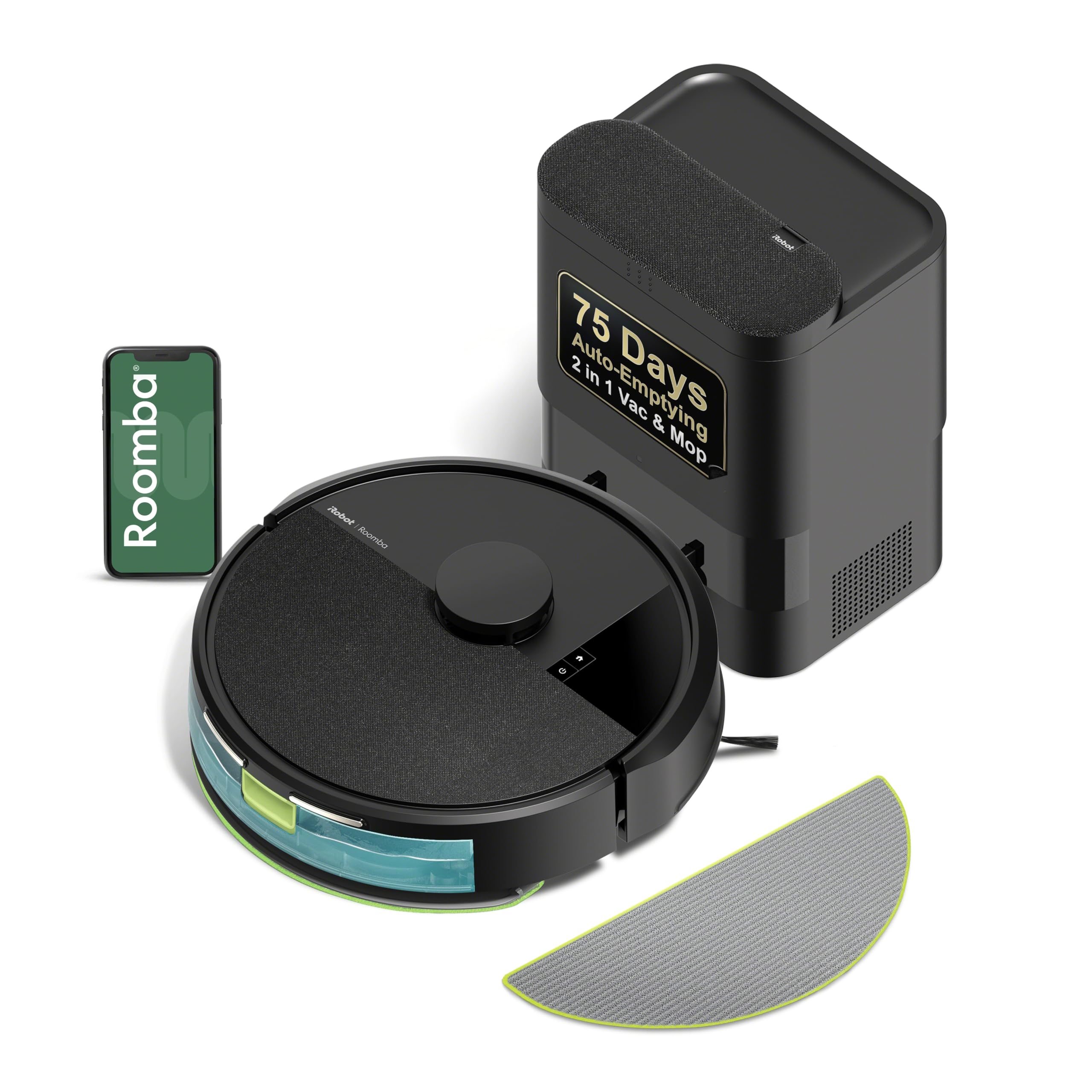
Type: Robot vacuum and mop combo
Dock: AutoEmpty, self-empties for 75 days
Suction: Intense Power-Lifting Suction
Navigation: LiDAR
Cleaning Modes: Multiple modes
Carpet Handling: Avoids mopping carpet
The 105 Combo is the full-floor option. Its suction and navigation hardware match the standard 105, so the vacuuming job is the same; the addition is a wet cleaning mode for hard surfaces, backed by a dock that holds debris for 75 days before it needs attention. Multiple cleaning modes let the robot switch between dry passes and mopping runs rather than treating every floor the same way.
The carpet-avoidance behaviour is the detail that matters most. A mopping robot that drags a wet pad across rugs ruins them, so the Combo is built to recognize carpet and keep the wet pass off it. That makes it a reasonable fit for mixed-floor homes where the kitchen and bathroom need a mop and the bedroom needs a vacuum.
Trade-off: The mopping function adds a water reservoir and a washable pad to the maintenance routine, and the wet pass is a light surface clean rather than a scrub — sticky dried spills still need a hand.
Check the current price on Amazon
iRobot Roomba 105 Vac Robot Vacuum
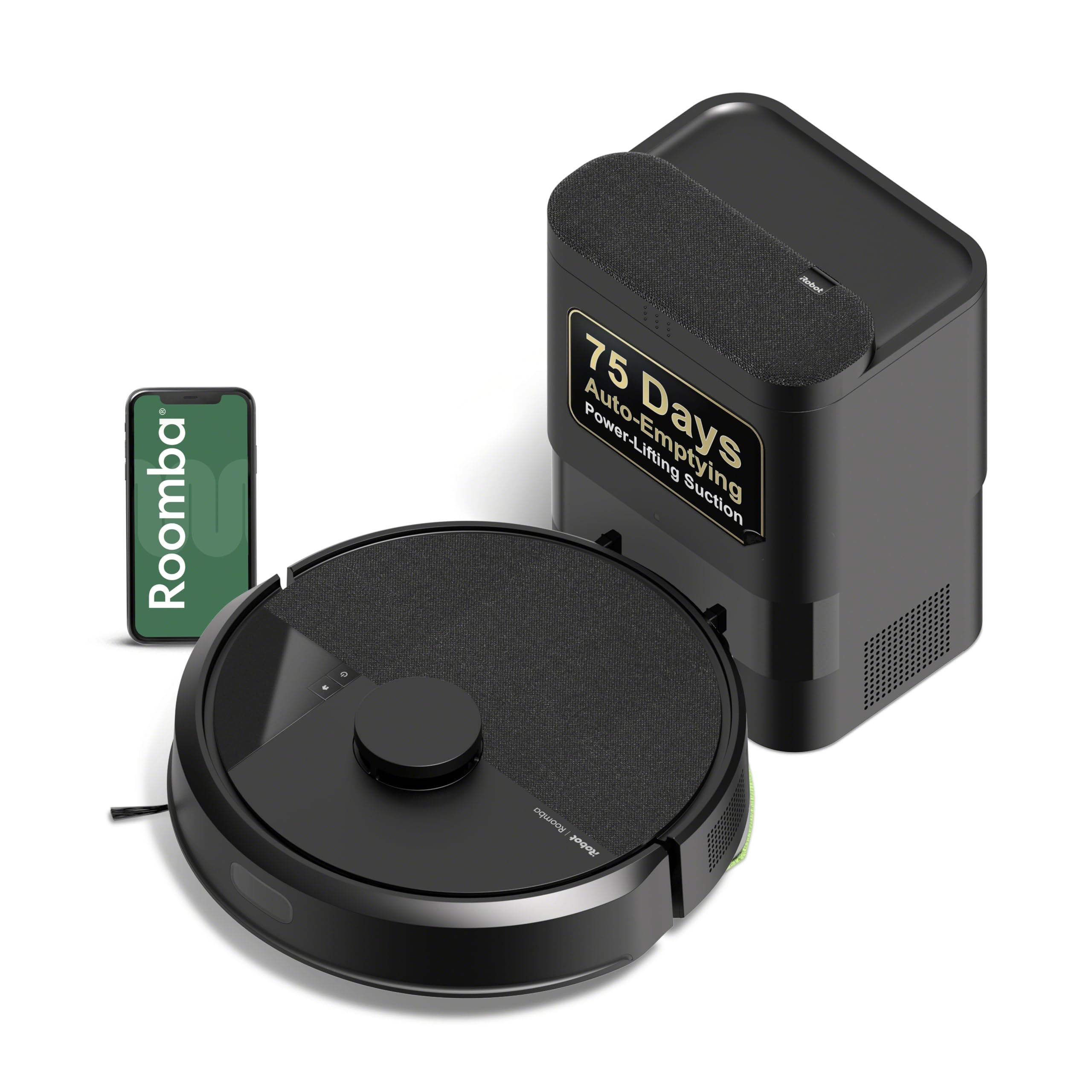
Type: Robot vacuum
Dock: AutoEmpty, self-empties for 75 days
Suction: Intense Power-Lifting Suction
Navigation: LiDAR
Cleaning Pattern: Cleans in neat rows
Intended Use: Multi-surface cleaning
The standard 105 is the vacuum-only version, and it is the more popular of the two by purchase volume. It carries the same 75-day self-emptying dock, the same LiDAR navigation and the same power-lifting suction, and it cleans in neat rows rather than the random wandering that cheaper robots fall back on. Multi-surface cleaning means it handles carpet and hard floors in the same run without a mode change.
Because there is no mop, there is nothing to fill, nothing to rinse and no wet pad to dry out between runs. The maintenance list is short: empty the dock when it fills, clear the brushes, and that is the routine. For a carpeted home or a buyer who already owns a mop, that simplicity is the whole argument.
Trade-off: Hard floors get a dry sweep only, so dried-on kitchen spills and bathroom residue stay put until someone reaches for a mop by hand.
Check the current price on Amazon
Side-by-Side Comparison
| Feature | Roomba 105 Combo | Roomba 105 |
|---|---|---|
| Type | Robot vacuum and mop | Robot vacuum |
| AutoEmpty Dock | Self-empties for 75 days | Self-empties for 75 days |
| Suction | Intense Power-Lifting Suction | Intense Power-Lifting Suction |
| Navigation | LiDAR | LiDAR |
| Cleaning Modes | Multiple | Standard multi-surface |
| Carpet Handling | Avoids mopping carpet | Cleans in neat rows |
| Price Tier | Higher | Lower |
How the Two Robots Differ
The table is short because the two machines are close siblings. Suction, navigation and dock capacity are identical, which means the vacuuming performance a buyer gets is the same on both. The rows that actually separate them are type, cleaning modes and carpet handling — and all three trace back to the mop.
Vacuuming Performance: A Draw
Both robots list Intense Power-Lifting Suction, and both navigate with LiDAR. In practice that means the same mapping quality, the same coverage of a room and the same pick-up on carpet and hard floor. A buyer who only cares about dry cleaning has no performance reason to pay more for the Combo.
The neat-row cleaning pattern named on the standard 105 is the visible result of that navigation: the robot works in organized passes instead of bouncing around. The Combo cleans the same way on dry runs.
Mopping: The Combo Wins by Default
This is the dimension that settles the purchase for most people. The Combo can run a wet pass over hard floors; the standard 105 cannot. Neither robot scrubs, and neither is a substitute for a proper mop on heavy soil, but a regular light wet pass keeps kitchen and entryway floors from building up film.
The Combo’s carpet avoidance protects rugs during that wet pass, which is the feature that makes mopping viable in a mixed-floor home rather than a liability.
Maintenance: The Standard 105 Wins
A mop needs water in the reservoir, a pad that gets rinsed and dried, and a habit of checking both before a run. The standard 105 has none of that. For buyers who want the robot to be as close to zero-effort as possible, the vacuum-only model is the lower-friction choice.
Both share the 75-day dock, so bin emptying is a non-issue either way.
Price: The Standard 105 Wins
The Combo sits at a higher price tier for the added wet cleaning hardware. The standard 105 is the cheaper entry into the same navigation and suction platform, and its higher purchase volume suggests most buyers decide the mop is optional.
Carpet: The Standard 105 Is Simpler
Neither robot struggles on carpet, but the Combo has to detect and avoid it during a wet run. Homes that are almost entirely carpeted get no benefit from that logic and pay for hardware they will rarely use.
Which Should You Buy?
Choose the Roomba 105 Combo if the home has a meaningful share of hard flooring — kitchen, bathroom, entryway, tile or laminate — and a light regular wet pass would replace some hand mopping. It also suits buyers who want one robot to handle the whole floor rather than running a vacuum and then a mop.
Choose the Roomba 105 if the home is mostly carpeted, the buyer already owns a mop they are happy with, or the budget is the deciding factor. It delivers the same suction, navigation and 75-day dock for less money and less upkeep.
Buyers on the fence should ask one question: will the mop actually get used? If the answer is yes, the Combo earns its premium. If the answer is a shrug, the standard 105 is the smarter purchase.
FAQ
-
What is the main difference between the Roomba 105 Combo and the Roomba 105?
The Combo adds a mopping function for hard floors. The standard 105 is a vacuum only. Suction, LiDAR navigation and the self-emptying dock are shared. -
Do both robots self-empty?
Yes. Both ship with an AutoEmpty dock that holds debris for 75 days, so bin emptying is infrequent on either model. -
Will the Roomba 105 Combo mop carpets?
No. It is built to avoid mopping carpet, so the wet pass stays on hard flooring while carpet gets vacuumed. -
Does the standard Roomba 105 clean hard floors?
Yes, as a dry vacuum. It handles multi-surface cleaning, but it cannot apply water or cleaning solution. -
Which one is better for a fully carpeted home?
The standard Roomba 105. A carpeted home gets no use from the mopping hardware, so the lower-priced vacuum-only model is the better fit. -
Is the Combo harder to maintain?
Somewhat. The water reservoir needs filling and the mop pad needs rinsing and drying. The standard 105 has no wet components to look after. -
Do both use the same navigation?
Yes. Both list LiDAR navigation, so mapping and room coverage are equivalent. -
Which is the more popular model?
The standard Roomba 105, which shows the higher purchase volume of the two on Amazon.
Bottom Line
For most mixed-floor homes the iRobot Roomba 105 Combo is the better buy: it matches the standard 105 on suction, navigation and dock capacity, then adds a carpet-aware mop that handles the hard floors the vacuum alone can only sweep. Buyers with wall-to-wall carpet or an existing mopping routine should take the cheaper Roomba 105 and pocket the difference.