Why there are Amazon links here: Brave Review is paid a commission for qualifying Amazon purchases made through the links below. Your price does not change, and using our links is entirely optional. How this works
Dreame L40 Ultra Gen 2: The Robot Vacuum That Empties Itself
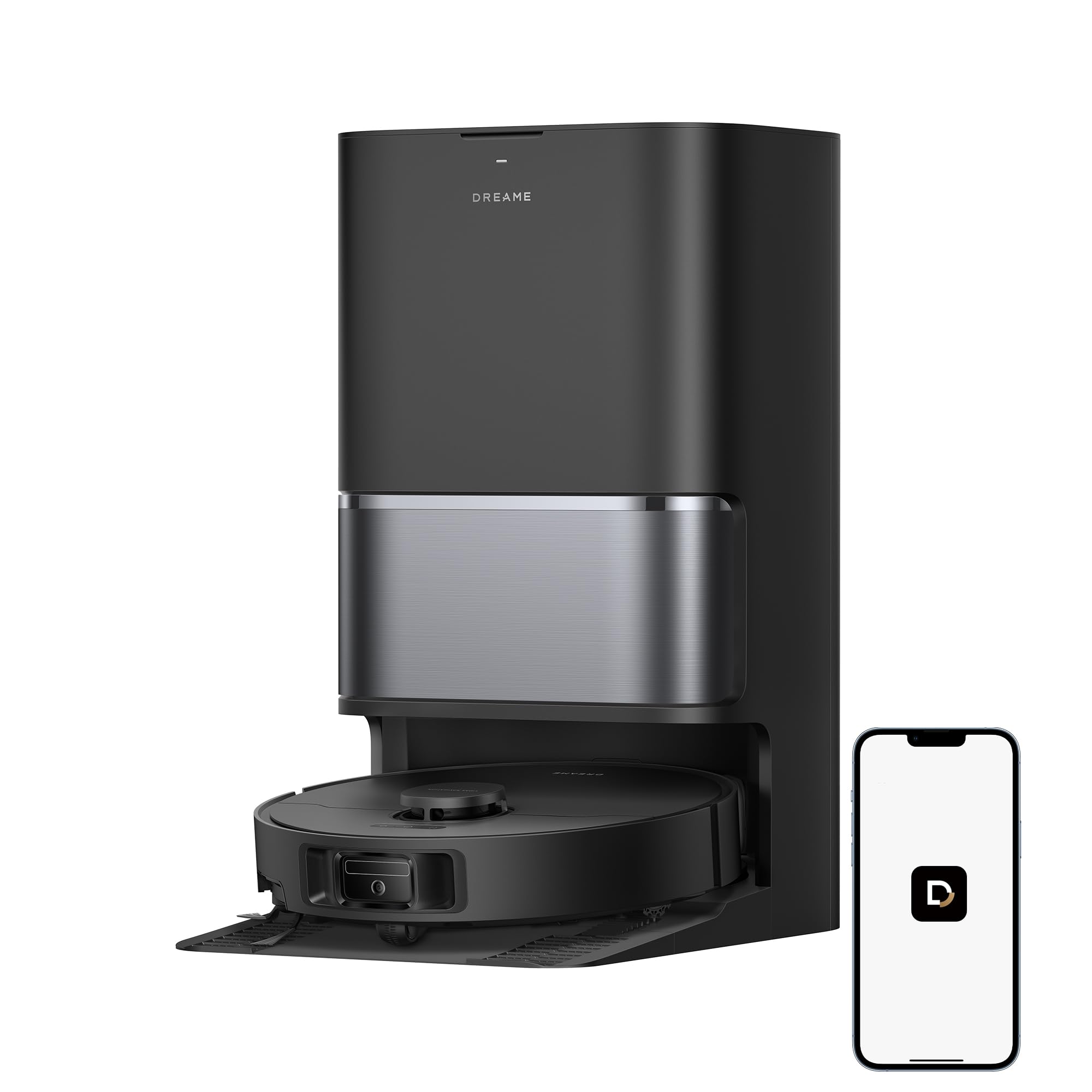
The Dreame L40 Ultra Gen 2 is a robot vacuum and mop built for households that want floor care to disappear from the to-do list. It combines strong suction, a lifting mop pad, and a dock that handles emptying and cleaning with minimal human input. This review covers what the machine is built to do, where it fits in a home, and the trade-offs that come with a premium all-in-one package. Buyers who want to compare against other flagship robots will find the key specs, the honest limits, and a clear verdict below.
Features and Specifications
Type: Robot vacuum and mop combo
Suction: 25,000Pa
Mop System: Extendable side brush and mop with 10.5mm mop lifting
Dock: All-in-one self-emptying and cleaning dock
Navigation: Obstacle avoidance
Control: App control
Best Use: Hands-off daily cleaning of hard floors and carpet
The headline figure here is 25,000Pa of suction, which puts this machine in the upper tier of what robot vacuums currently offer. That number matters most on carpet, where strong airflow pulls embedded dust and pet hair out of fibers rather than just skimming the surface. On hard floors, even mid-range suction cleans well, so the benefit is concentrated in homes with rugs, carpeted bedrooms, or shedding pets.
The mop system is the other half of the story. An extendable side brush and mop reach into corners and along baseboards where a circular robot body normally leaves a strip of dust. The 10.5mm mop lifting is the feature that makes the combo practical: the pad raises when the robot crosses onto carpet, so a damp mop does not drag across rugs and leave them wet. That single mechanism is what separates a usable vacuum-and-mop combo from one that forces buyers to section off carpeted rooms.
The dock is where the "all-in-one" claim lives. A self-emptying dock pulls debris from the robot’s onboard bin into a larger container, which stretches the gap between manual bin dumps from days to weeks depending on traffic and pet hair. The cleaning function on the dock handles the mop pad, so the robot is not putting a dirty, damp pad back on the floor for the next run. For a household that wants to set a schedule and forget it, the dock is arguably more valuable than the suction number.
Obstacle avoidance and app control round out the package. Obstacle avoidance determines how confidently the robot navigates around chair legs, cables, shoes, and pet bowls without getting stuck or dragging items across the floor. App control covers scheduling, room-by-room cleaning, suction and water level adjustments, and no-go zones. Together they decide whether the robot runs unattended or needs a human to rescue it every other cycle.
Build and Design
A flagship robot vacuum at this level is a dense package: drive wheels, a brush roll, a mop assembly, sensors, and a battery all packed into a low-profile chassis. The build quality that matters most is not the shell but the moving parts — the mop lifting mechanism, the extendable brush arm, and the dock’s emptying and washing hardware. These are the components that see the most cycles and the most wear.
The extendable side brush and mop are a mechanical answer to a geometry problem. A round robot cannot reach a 90-degree corner, so Dreame added an arm that swings out to close the gap. It is effective, but it is also one more motorized assembly that has to survive daily use. Buyers should treat it as a feature to maintain rather than a set-and-forget part.
The dock is a substantial piece of furniture in its own right. It needs floor space, clearance in front for the robot to dock, and reasonably close access to power. In a small apartment, the dock can end up being the largest single object in the room after the sofa. That is the physical cost of hands-off cleaning, and it is worth measuring the intended spot before ordering.
Cleaning Performance
Suction at this level is genuinely capable on carpet. Pet hair, tracked-in grit, and the fine dust that settles into low-pile rugs are all within reach, and the combination of strong airflow and a powered brush roll does the heavy lifting. Hard floors are easier still; the vacuum pass clears crumbs and surface debris, and the mop pass handles the sticky residue a vacuum alone leaves behind.
The mop is best understood as a maintenance cleaner, not a deep-clean machine. It handles everyday film, light spills, and the dulling that foot traffic leaves on tile and laminate. It will not replace a scrub for dried-on stains or grout lines, and buyers expecting a spotless result from a single pass will be disappointed. Used daily, though, it keeps hard floors consistently clean rather than periodically clean.
The mop lifting changes how the robot can be scheduled. Because the pad raises over carpet, a single schedule can cover an entire floor without the buyer splitting carpeted and hard-floor zones into separate runs. That is a real convenience gain, and it is the main reason to pay for a lifting mop rather than a fixed one.
Obstacle avoidance determines real-world performance more than the spec sheet suggests. A robot that navigates confidently finishes its run; one that snags on cables and socks needs rescuing. Dreame’s avoidance system is designed to route around common household clutter, though no robot on the market is immune to a stray charging cable or a pet accident. Buyers with a chronically cluttered floor should expect to do a quick tidy before scheduled runs.
Dock and Maintenance
The self-emptying dock is the feature that changes the ownership experience. Instead of emptying a small onboard bin after every couple of runs, the robot transfers debris into a larger dock container that only needs periodic emptying. For a home with pets, that is the difference between a daily chore and a monthly one.
The dock’s cleaning function handles the mop pad, which matters for hygiene as much as convenience. A mop pad left damp and dirty between runs becomes a source of odor and smeared floors. Automated washing keeps the pad in usable condition for longer and reduces the frequency of manual pad cleaning. Buyers should still expect to replace the pad periodically as it wears.
Consumables are the ongoing cost of any robot vacuum, and this machine is no exception. Filters, brushes, mop pads, and the dust bag inside the dock all wear out and need replacing. The more automated the dock, the more consumables it tends to use. Budget-conscious buyers should factor that into the total cost of ownership rather than looking only at the purchase price.
App and Smart Features
App control is where the robot’s behavior gets tuned. Scheduling, per-room suction and water levels, no-go zones, and carpet detection settings all live in the app. A household that sets up room boundaries and a sensible schedule gets far more value from the machine than one that leaves everything on default.
The app also serves as the maintenance dashboard. Filter life, brush wear, and dock status are visible there, which makes it easier to replace consumables before performance drops. Buyers who ignore the app will still get cleaning, but they lose the ability to tailor runs to the home’s layout.
Trade-off: The all-in-one dock and lifting mop add cost, floor space, and extra mechanical parts to maintain, so buyers with a small apartment, mostly bare floors, or a tight budget are paying for automation they may not need.
Who It Suits and Who It Does Not
This machine suits households with a mix of carpet and hard flooring, at least one shedding pet or a high-traffic entryway, and a willingness to let a robot run on a schedule. It also suits buyers who specifically want to stop emptying a bin every few days and stop hand-washing a mop pad. The dock’s automation is the core value proposition.
It does not suit buyers in very small apartments where the dock would dominate the floor plan. It does not suit households that expect a robot mop to replace manual scrubbing of stains and grout. And it does not suit buyers who want the lowest possible upfront cost, since a self-emptying, mop-lifting flagship sits at the premium end of the category.
Check the current price on Amazon
FAQ
-
What does 25,000Pa suction mean in practice?
It indicates strong airflow, which matters most on carpet and for pet hair. On hard floors, the difference between high and very high suction is smaller than the number suggests. -
Does the mop lift high enough to clear carpet?
The mop lifts 10.5mm, which is designed to raise the pad clear of low-pile carpet and rugs during vacuum-only passes. Very plush carpet may still be a case for a no-mop zone. -
How often does the dock need emptying?
It depends on floor area, traffic, and pet hair, but the larger dock container means emptying happens far less often than with a standard onboard bin. The app shows dock status. -
Can the robot vacuum and mop in the same run?
Yes. The mop lifting lets the robot vacuum carpet and mop hard floors in one scheduled run without soaking rugs. -
Is obstacle avoidance good enough to leave the robot unattended?
It handles common clutter like chair legs and shoes, but cables and pet accidents can still cause problems. A quick tidy before runs improves reliability. -
What consumables need replacing?
Filters, brush roll and side brushes, mop pads, and the dock’s dust bag all wear out over time. Replacement frequency depends on usage. -
Does it work with voice assistants?
App control is confirmed in the product name. Buyers who rely on voice commands should confirm assistant compatibility on the product page before ordering. -
Is it suitable for homes with pets?
Yes. Strong suction and a self-emptying dock are well matched to pet hair, and the mop handles paw prints on hard floors. Long-haired pets may need more frequent brush cleaning. -
How much floor space does the dock need?
The dock is a substantial unit and needs clearance in front for the robot to dock. Measuring the intended spot before ordering is advisable. -
Is it worth the premium over a mid-range robot?
The premium buys the self-emptying dock, the lifting mop, and the extendable brush. Buyers who value hands-off operation and have both carpet and hard floors get the most from it.
Bottom Line
The Dreame L40 Ultra Gen 2 is a premium robot vacuum and mop for buyers who want floor care to run on its own. The 25,000Pa suction, 10.5mm mop lifting, extendable brush, and all-in-one dock combine into a genuinely hands-off system for mixed-floor homes with pets or heavy foot traffic. The trade-offs are real — dock footprint, consumable costs, and a mop that maintains rather than deep-cleans — but for the right household, the automation is worth the price.