Why there are Amazon links here: Brave Review is paid a commission for qualifying Amazon purchases made through the links below. Your price does not change, and using our links is entirely optional. How this works
Best Presence Sensor vs Motion Sensor Picks for Real Automation
A presence sensor versus motion sensor comparison comes down to one question: does the light stay on when someone sits still? Traditional motion sensors watch for movement and switch off when the room goes quiet. Presence sensors use radar to detect a person who is breathing, reading, or working at a desk. This guide covers five picks for three buyer types — budget automators on Zigbee, Home Assistant tinkerers, and smart-home users who want multi-protocol support — and the overview table below points to the right one fast.
Overview of the Picks
| Product | Key Spec | Best Use | Price Tier |
|---|---|---|---|
| Akamatis Human Presence & Light Sensor Litos v3 | mmWave, 2.4 GHz Wi-Fi, Home Assistant | Wi-Fi setups without a hub | Budget |
| Zigbee Human Presence Sensor | mmWave radar, Zigbee hub required | Cheapest stationary detection | Budget |
| Aqara Presence Sensor FP300 | 5-in-1, mmWave, Thread & Zigbee, HomeKit | Multi-protocol smart homes | Premium |
| SONOFF Zigbee Human Presence Sensor | 5.8 GHz cmWave radar, Zigbee bridge required | Small rooms on a tight budget | Budget |
| GoveeLife Human Presence Sensor | mmWave + PIR, zone positioning, Wi-Fi | Multi-person zone automation | Mid-range |
1. Akamatis Human Presence & Light Sensor Litos v3
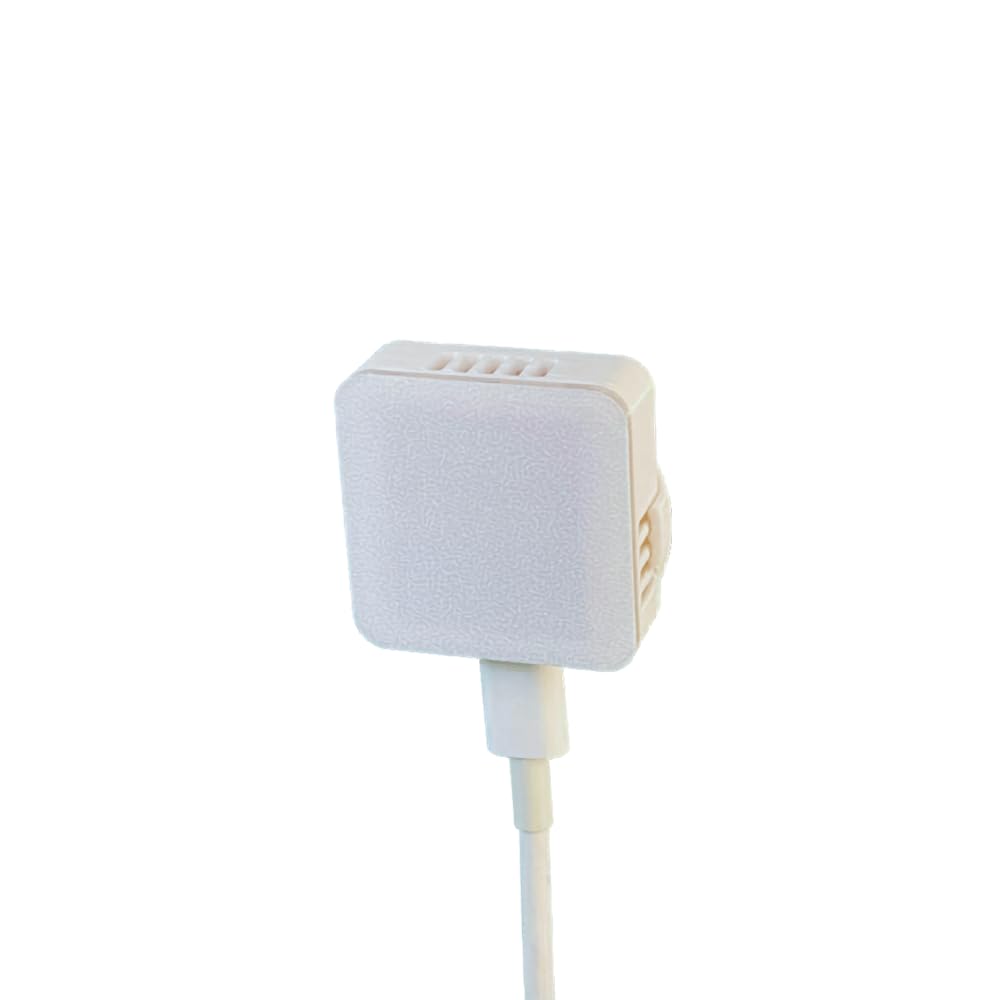
Type: mmWave presence and light sensor
Wireless: 2.4 GHz Wi-Fi
Sensitivity: Adjustable
Hub Required: Home Assistant
Color: White
Pack Size: 1 pack
Akamatis Human Presence & Light Sensor Litos v3 is the pick for a Wi-Fi-only household that already runs Home Assistant. Because it talks directly over 2.4 GHz Wi-Fi, no separate Zigbee or Thread bridge sits between the sensor and the network. The mmWave element holds detection on a person who is stationary, which is the whole point of moving from PIR to presence sensing.
The adjustable sensitivity is the feature that earns its place: it lets a buyer tune out a ceiling fan or a pet while keeping a seated person in view. The light sensor adds a second automation trigger, so lights can respond to ambient brightness rather than time of day. This suits the Home Assistant user who wants one sensor doing presence and luminance duty.
Trade-off: Wi-Fi sensors draw more power than Zigbee or Thread equivalents, so a buyer expecting long battery life may be disappointed.
2. Zigbee Human Presence Sensor
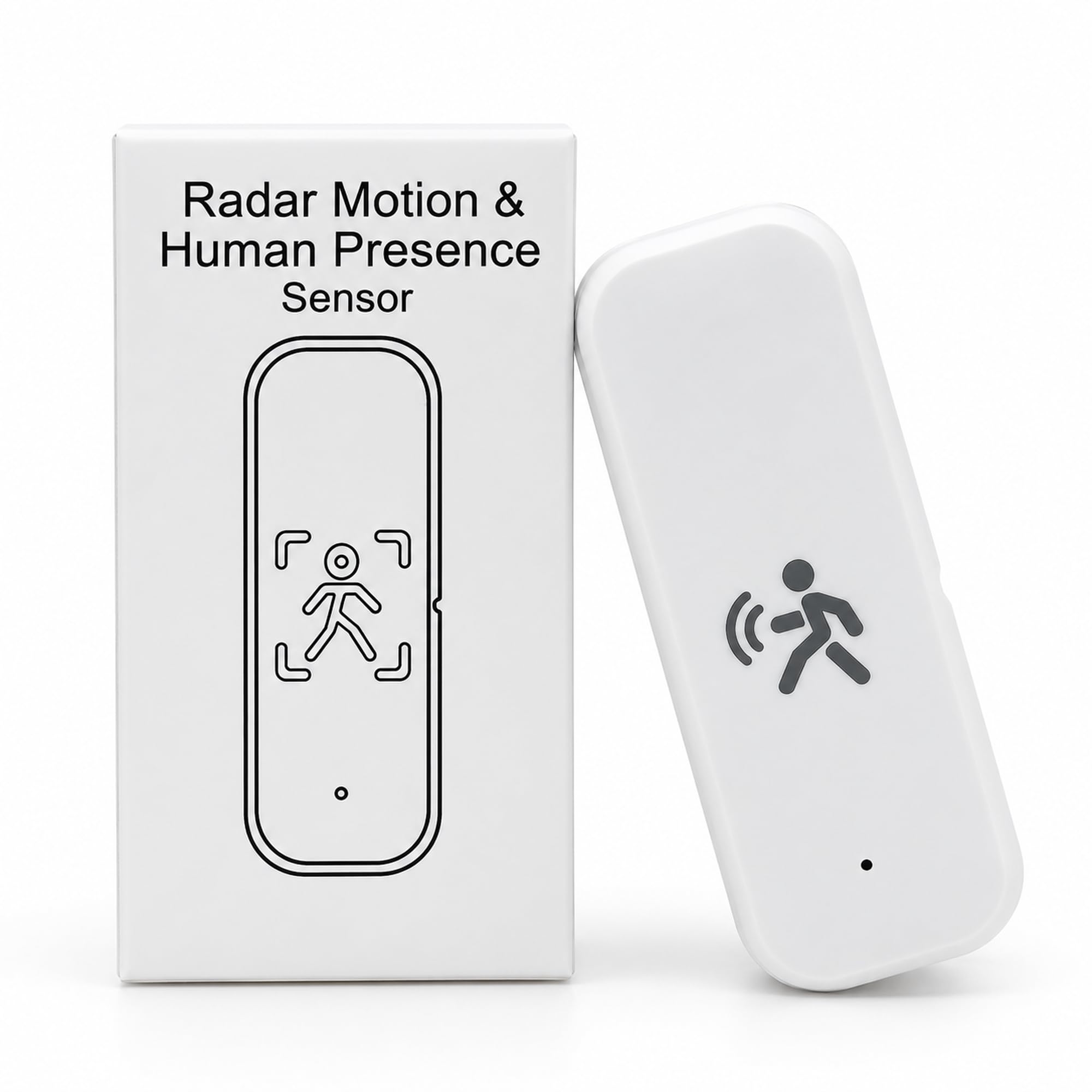
Type: mmWave radar presence sensor
Detection: Stationary person capable
Protocol: Zigbee
Works With: Home Assistant, SmartThings, Hubitat, Echo with built-in Zigbee hub
Pack Size: 1 pack
Zigbee Human Presence Sensor is the value entry into stationary detection. Millimeter wave radar reads a person who is not moving, and the Zigbee radio pairs with the hubs most automation users already own. Buyers with an Echo speaker that has a built-in Zigbee hub can skip a dedicated bridge entirely.
The compatibility list is unusually broad for the price tier — Home Assistant, SmartThings, and Hubitat all appear, which means one sensor fits several ecosystems. It is the natural first presence sensor for someone testing whether radar detection is worth it before spending more.
Trade-off: It needs a Zigbee hub to function at all, so a buyer with no hub faces an extra purchase on top of the sensor.
3. Aqara Presence Sensor FP300
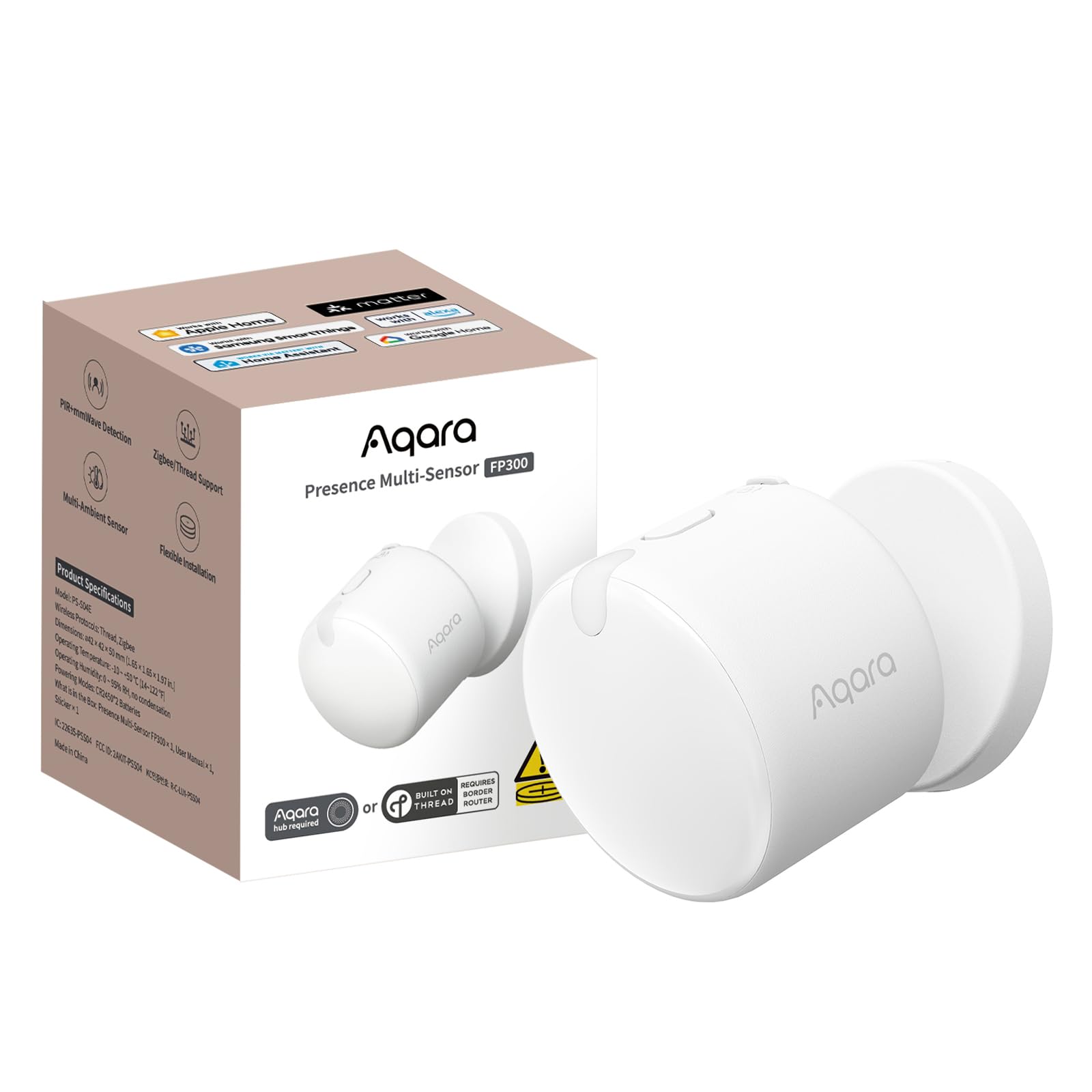
Type: 5-in-1 presence, motion, light, temperature, and humidity sensor
Detection: mmWave plus PIR
Protocols: Thread and Zigbee
Works With: HomeKit, Home Assistant, Alexa, Google Home
Power: Wireless
Pack Size: 1 pack
Aqara Presence Sensor FP300 is the premium pick and the one that covers the most ground. Five sensor types sit in one housing: mmWave presence, PIR motion, light, temperature, and humidity. That combination replaces several single-purpose sensors and keeps automations coordinated from one device.
Dual Thread and Zigbee radios mean the sensor fits a modern HomeKit home or an older Zigbee mesh without a protocol converter. HomeKit, Home Assistant, Alexa, and Google Home support makes it the safest choice for a mixed-ecosystem household. The wireless build keeps installation flexible on a wall or ceiling.
Trade-off: It costs roughly twice the budget picks, so a buyer who only needs presence detection pays for sensors they may not use.
4. SONOFF Zigbee Human Presence Sensor
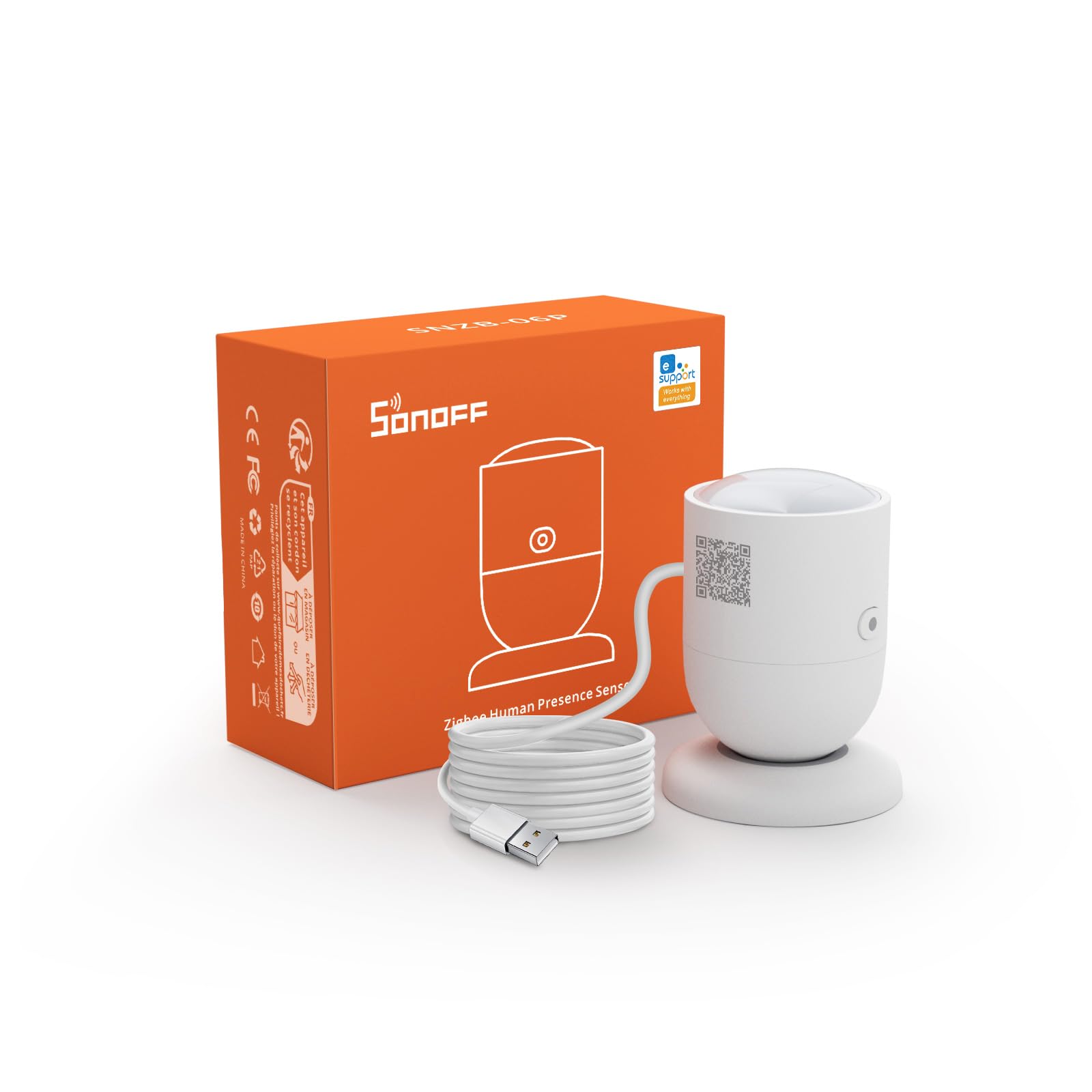
Type: Zigbee presence sensor
Radar: 5.8 GHz cmWave
Bridge Required: Zigbee bridge
Pack Size: 1 pack
SONOFF Zigbee Human Presence Sensor is the lowest-cost way into radar presence detection. The 5.8 GHz cmWave radar is a different band from the mmWave units above, and it detects a person who is stationary rather than only one who moves. For a bathroom, hallway, or small office, that is enough.
The SONOFF ecosystem is well known among Zigbee users, and this sensor slots into an existing bridge without extra hardware. It suits the buyer building out a whole-home Zigbee mesh on a per-room budget.
Trade-off: The 5.8 GHz radar band is more prone to interference from other wireless gear than mmWave, so placement matters more than with the premium pick.
5. GoveeLife Human Presence Sensor

Type: mmWave radar and PIR presence sensor
Detection: Zone positioning, multi-person
Wireless: 2.4 GHz Wi-Fi
Works With: Alexa, Google Home
Power: Wired
Pack Size: 1 pack
GoveeLife Human Presence Sensor is the pick for automation that depends on where a person is, not just whether one is present. Zone positioning splits a room into regions, and multi-person detection tracks more than one occupant at once. The mmWave radar and PIR pairing covers both stationary and moving detection.
The 2.4 GHz Wi-Fi radio means no hub is needed for Alexa or Google Home users. Because the unit is wired, it stays powered continuously, which suits a fixed installation above a desk or in a living area.
Trade-off: The wired power requirement rules out battery placement, so a nearby outlet is a hard prerequisite.
Before You Buy
- Protocol: Zigbee and Thread sensors need a matching hub or bridge; Wi-Fi sensors need only a 2.4 GHz network.
- Power: Battery models suit flexible placement; wired models need an outlet but never need charging.
- Detection type: mmWave and cmWave radar catch a stationary person; PIR alone catches only motion.
- Ecosystem: Confirm Home Assistant, HomeKit, SmartThings, or Alexa support before buying.
- Room size and layout: Radar range and interference vary by band, so match the sensor to the space.
- Sensitivity controls: Adjustable sensitivity helps filter pets and fans in busy rooms.
- Extra sensors: Light, temperature, and humidity detection can replace separate devices.
Frequently Asked Questions
-
What is the difference between a presence sensor and a motion sensor?
A motion sensor reacts to movement and switches off when a person stops. A presence sensor uses radar to detect a stationary person, so lights stay on while someone sits still. -
Does a presence sensor work through walls?
Radar can detect through thin partitions, which is why sensitivity adjustment matters. Tuning down sensitivity prevents detection bleeding into an adjacent room. -
Do presence sensors need a hub?
Zigbee and Thread models need a compatible hub or bridge. Wi-Fi models like the Akamatis and GoveeLife connect directly to the network. -
Can a presence sensor tell one person from two?
Only models with multi-person detection, such as the GoveeLife unit, track more than one occupant. Most budget sensors report presence as a single yes-or-no state. -
Which is better for a bathroom or hallway?
A budget radar sensor such as the SONOFF or the Zigbee model covers a small space well. The premium Aqara pick is overkill for a single small room.
Bottom Line
The Aqara Presence Sensor FP300 is the top pick: five sensor types, dual Thread and Zigbee radios, and support for every major ecosystem make it the most flexible presence sensor versus motion sensor upgrade on this list. Buyers on a tight budget who already own a Zigbee hub should start with the Zigbee Human Presence Sensor instead.