Why there are Amazon links here: Brave Review is paid a commission for qualifying Amazon purchases made through the links below. Your price does not change, and using our links is entirely optional. How this works
Best Dust Tolerance for Workshop Debris for a Cleaner, Safer Shop
Dust tolerance for workshop debris comes down to two things: keeping fine particles out of the air and keeping them out of the vacuum. This roundup covers five picks — two cyclone separators that trap debris before it reaches the shop vac, and three guides that explain how to build a full dust-control system. It suits weekend woodworkers fighting sawdust on every surface, metal and resin crafters dealing with fine particulate, and anyone setting up a small home shop from scratch. The overview below shows each pick at a glance so a decision can be made fast, then the reviews explain the trade-offs.
The Picks at a Glance
| Product | Key Spec | Best Use | Price Tier |
|---|---|---|---|
| Dust Deputy Low-Pro Plus Cyclone Separator | 2.5" adapter, 3′ hose, fits 5-gallon buckets | High-flow vacs and wet/dry pickup | Mid |
| Workshop Dust Control (American Woodworker) | Install-focused shop guide | Building a safe home woodshop system | Budget |
| Dust Collection Systems and Solutions for Every Budget | Budget-to-full-system guide | Matching a system to shop size and spend | Budget |
| Woodshop Dust Control: A Complete Guide | Complete system setup guide | Planning a system from scratch | Budget |
| Oneida Air Systems Dust Deputy DIY Cyclone | Anti-static retrofit cyclone | Upgrading an existing shop vac | Budget |
1. Dust Deputy Low-Pro Plus Cyclone Dust Separator
Type: Cyclone dust separator kit
Compatibility: Standard 5-gallon buckets
Adapter Size: 2.5"
Included: 3′ hose and adapter
Origin: Made in USA
Best For: High-flow wet/dry vacuums
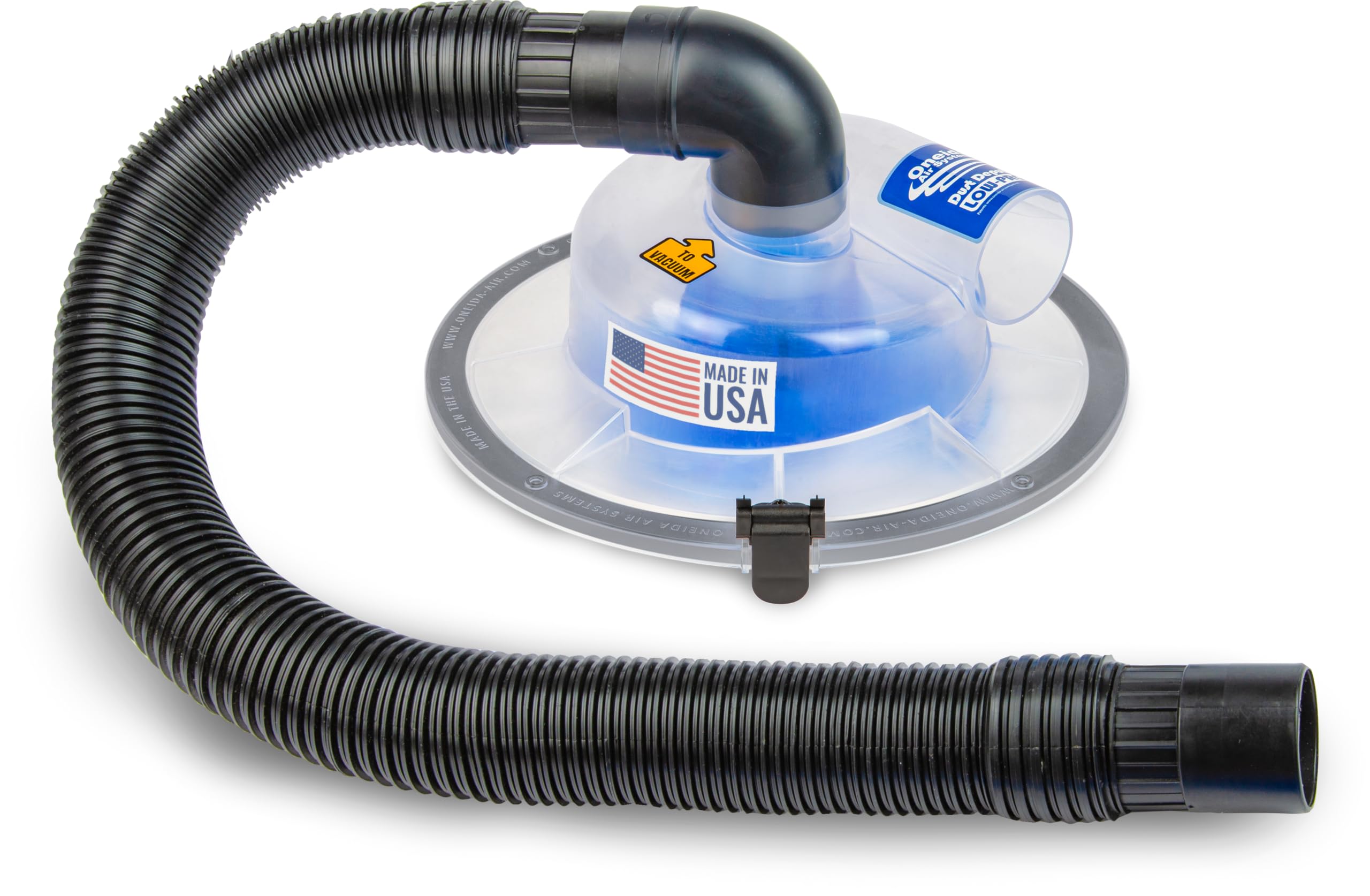
This is the higher-flow version of the classic cyclone separator, built to sit on top of a standard 5-gallon bucket and spin debris out of the airstream before it reaches the vacuum. The 2.5" adapter and included 3′ hose suit larger wet/dry vacs, and the low-profile body keeps the whole rig short enough to roll under a bench. The cyclone does the heavy lifting, so the shop vac filter sees far less sawdust and the bucket catches the bulk of the debris instead. It is aimed at buyers running a bigger vac who want maximum airflow without choking the separator.
The pick earns its place for anyone with a high-flow vac and a steady stream of chips and shavings, since the wider adapter moves more air than the standard DIY version. It is not for buyers with a small 1-1/4" hose vac, who would need an adapter step-down, and it is not for anyone expecting the bucket to be included — the bucket is a separate buy.
Trade-off: The larger adapter and hose add cost and bulk, so a compact shop with a small vac gains little from the high-flow design.
2. Workshop Dust Control (American Woodworker)
Type: Instructional book
Publisher: Fox Chapel Publishing
Focus: Installing a safe home woodshop system
Format: Print guide
Best For: First-time system installs

This is a hands-on installation guide rather than a theory book, aimed at the woodworker who has decided to put in a dust system and needs to know how to route it, hang it, and connect it safely. It walks through the practical side of a home woodshop setup — ducting, machine connections, and the safety considerations that keep fine dust out of the lungs. The American Woodworker branding signals a project-oriented approach with step-by-step instruction rather than abstract diagrams.
The pick suits a buyer who already owns tools and wants a clear install roadmap before spending on hardware. It is not for someone looking for a broad survey of every dust-collection option on the market, and it is not a substitute for a machine-specific manual. The cost is low enough that it works as a planning purchase before a bigger spend.
Trade-off: A print guide goes stale as new equipment and ducting products hit the market, so some specifics may need cross-checking.
3. Dust Collection Systems and Solutions for Every Budget
Type: Instructional book
Publisher: Fox Chapel Publishing
Focus: Protecting lungs and eyes from wood, metal, and resin dust
Scope: Any size shop
Format: Print guide
Best For: Budget-conscious system planning

This guide takes the widest view of the three books here, covering wood, metal, and resin dust and scaling its advice from a tiny bench setup to a full shop. The budget framing is the selling point: it maps options to spend levels so a buyer can see what a starter system looks like versus a full install. The health angle is front and center, which matters for anyone working with fine particulate that a shop vac alone will not capture.
The pick suits buyers who want to compare approaches before committing to a direction, especially those on a tight budget who need to know where the money actually matters. It is not for someone who wants a single recommended build with no alternatives, and it is not a replacement for product-specific instructions. It works best as a decision-making read early in the planning process.
Trade-off: Covering three dust types and every budget tier means less depth on any single one, so a specialist woodshop may want a focused guide as well.
4. Woodshop Dust Control: A Complete Guide to Setting Up Your Own System
Type: Instructional book
Focus: Complete system setup
Scope: Woodshop
Format: Print guide
Best For: Planning a system from scratch
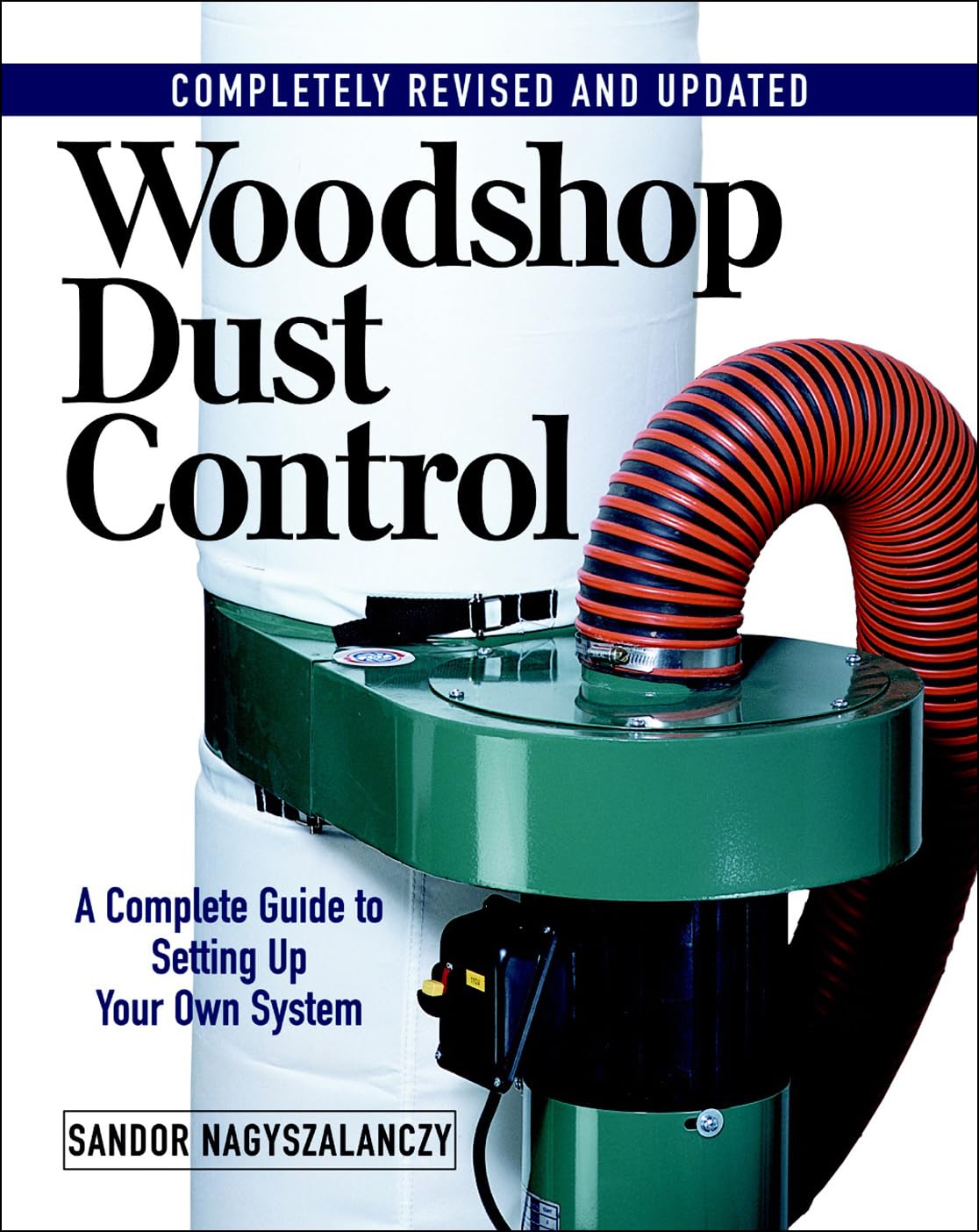
Woodshop Dust Control: A Complete Guide to Setting Up Your Own System
This is the most budget-friendly of the three guides, a compact book that concentrates on setting up a woodshop dust system end to end. It is the kind of reference a buyer reads once before buying hardware and then keeps on the shelf for the install itself. The focus is narrow and practical: woodshop only, complete setup, no detours into metal or resin work.
The pick suits a woodworker who wants a single low-cost reference and does not need the broader health-and-budget survey another guide provides. It is not for buyers working in metal or resin, where the dust behaves differently, and it is not for anyone who wants a glossy, heavily illustrated coffee-table book — this is a working manual. At its price it is an easy add to a hardware order.
Trade-off: The narrow woodshop focus and low price point likely mean lighter production values and fewer photos than pricier guides.
5. Oneida Air Systems Dust Deputy DIY Anti-Static Retrofit Cyclone
Type: Retrofit cyclone separator
Feature: Anti-static
Compatibility: Wet/dry shop vacuums
Install: DIY retrofit
Best For: Upgrading an existing shop vac

This is the original DIY retrofit cyclone, the version most buyers picture when they think of a bucket-top separator. The anti-static build is the draw — fine dust moving through a plastic cyclone can build a charge, and a static-dissipating design reduces that annoyance. It retrofits onto a standard wet/dry shop vac and a bucket, so it slots into gear a buyer likely already owns rather than requiring a new machine. The DIY label means the buyer supplies the bucket and does the assembly.
The pick suits anyone with a modest shop vac who wants most of the separation benefit at the lowest cost, and it is the sensible first upgrade for a shop that has never had a cyclone. It is not for buyers with a high-flow vac chasing maximum airflow, where the Low-Pro Plus above is the better match, and it is not for anyone who wants a ready-to-run unit with the bucket included.
Trade-off: The DIY kit leaves the bucket and final assembly to the buyer, and the smaller standard adapter limits airflow compared with the high-flow version.
Before You Buy
- Material: Cyclone separators are plastic; check that the body suits the debris type — resin and metal fines behave differently from wood chips.
- Compatibility: Match the adapter size to the shop vac hose; a 2.5" kit needs a 2.5" hose or a step-down.
- Size: The bucket is not included on the DIY and Low-Pro kits — confirm a standard 5-gallon bucket is on hand.
- Static: Anti-static builds matter most for fine dust that charges easily; a plain cyclone can spark and cling.
- Books vs. hardware: A guide is a planning cost, not a dust solution — budget for the separator or system separately.
- Care: Empty the bucket before it overfills, or debris carries into the vac filter and defeats the separator.
- Scope: Woodshop guides do not cover metal or resin dust; pick the guide that matches the material being worked.
Frequently Asked Questions
-
Does a cyclone separator really improve dust tolerance in a workshop? Yes — it traps the bulk of debris before it reaches the vac filter, so the filter clogs far less and airflow stays strong through a long session.
-
Is the high-flow kit worth it over the standard DIY cyclone? For a larger vac with a 2.5" hose, the high-flow kit moves more air and is the better match; a small vac gains little and can use the cheaper DIY version.
-
Do these separators work with any wet/dry shop vac? They retrofit onto standard vacs and buckets, but the adapter size must match the hose, so a step-down may be needed for smaller hoses.
-
Are the books a substitute for buying a dust system? No — they are planning and installation guides that help a buyer choose and set up hardware, not dust-collection equipment themselves.
-
Which guide suits a shop that works metal and resin, not just wood? The budget-focused Fox Chapel guide covers wood, metal, and resin dust, while the other two are woodshop-specific.
-
Does anti-static matter for wood dust? It helps most with fine dust that builds a charge in a plastic cyclone; coarser chips are less of a concern.
Bottom Line
For most buyers, the fastest win on dust tolerance for workshop debris is the Dust Deputy Low-Pro Plus Cyclone Separator — it pairs with a high-flow vac, traps debris before the filter, and keeps airflow strong through a long session. Buyers on a small vac or a tight budget should start with the Oneida Dust Deputy DIY cyclone, and anyone still planning a full system should add one of the guides before spending on hardware.