Why there are Amazon links here: Brave Review is paid a commission for qualifying Amazon purchases made through the links below. Your price does not change, and using our links is entirely optional. How this works
Best Glass Break Sensors for Fast, Reliable Break-In Alerts
A glass break sensor adds a layer of protection that door and window contacts miss: it listens for the sound or vibration of shattering glass and fires an alert the moment a pane goes. This guide covers five picks that suit very different buyers — smart-home owners building a DIY system, homeowners with an existing panel, and renters or dorm residents who want a cheap standalone alarm. Each entry explains who the unit fits, who it does not, and where it falls short. The overview table below puts the key differences side by side so a reader can choose in under a minute.
Overview of the Picks
| Product | Key Spec | Best Use | Price Tier |
|---|---|---|---|
| Ring Glass Break Sensor | Real-time alerts, no base station required | DIY smart-home setups | Budget |
| SimpliSafe Glassbreak Sensor | 20 ft. sound detection range | Existing SimpliSafe systems | Mid-range |
| Honeywell Home FG1625 FlexGuard Glassbreak Detector | 25 ft. acoustic range | Wired or panel-based installs | Mid-range |
| Honeywell 5853 Wireless Glass Break Detector | Wireless panel integration | Professional Honeywell systems | Premium |
| Modern Ultra-Thin Window Alarm 4 Pack | 120 dB siren with vibration sensors | Renters, dorms, quick coverage | Budget |
1. Ring Glass Break Sensor
Type: Glass break sensor
Alert Method: Real-time alerts
Installation: Easy setup
Base Station: Not required
Best Use: DIY smart-home security
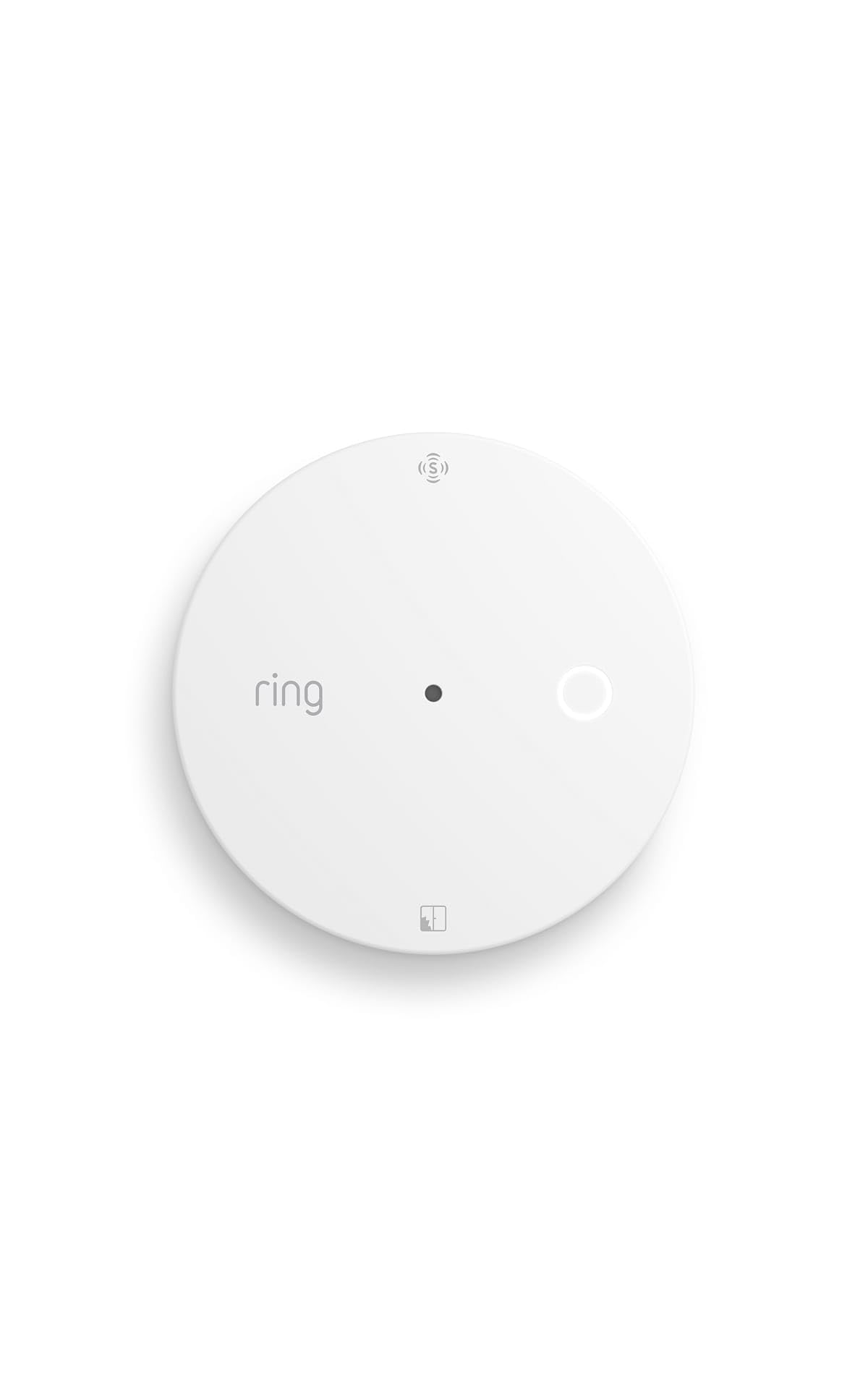
The Ring Glass Break Sensor is the simplest entry point into glass break detection for anyone already living inside the Ring ecosystem. It mounts near a window or glass door, listens for the acoustic signature of breaking glass, and pushes a real-time alert through the Ring app without needing a separate base station. Setup is designed to be tool-light and app-driven, so a renter or first-time security buyer can add coverage in minutes. The compact housing keeps it unobtrusive on a wall or window frame.
Who It Suits: Smart-home owners who already use Ring cameras or a Ring alarm and want to extend coverage to windows and glass doors. Trade-off: It only reaches its full value inside the Ring app, so buyers outside that ecosystem get far less from it.
2. SimpliSafe Glassbreak Sensor

Type: Glass break sensor
Detection Method: Sound detection technology
Range: 20 ft.
Compatibility: SimpliSafe Home Security System
Generation: Latest Gen
Best Use: Expanding an existing SimpliSafe system
This is the add-on for households already running a SimpliSafe system. It uses sound detection to pick up the frequency of shattering glass across a 20 ft. range, which covers a typical room with one unit placed centrally. Because it is the latest generation, it pairs cleanly with current SimpliSafe base stations and reports into the same app and monitoring flow as the rest of the system. The form factor is small enough to sit high on a wall without drawing attention.
Who It Suits: Existing SimpliSafe subscribers who want to fill a coverage gap on large windows or glass doors. Trade-off: It is effectively locked to SimpliSafe hardware, so it is the wrong buy for anyone without that base station.
3. Honeywell Home FG1625 FlexGuard Glassbreak Detector

Type: Acoustic glassbreak detector
Detection Method: Acoustic sound detection
Range: 25 ft.
System Checks: Supports fast, reliable life safety system checks
Series: Intellisense FG-1625
Best Use: Panel-based installs needing longer range
Honeywell Home FG1625 FlexGuard Glassbreak Detector
The FlexGuard FG1625 is a professional-grade acoustic detector built for larger rooms where one unit needs to cover more ground. Its 25 ft. range makes it a fit for open-plan living areas, storefronts, and rooms with multiple windows on different walls. Honeywell designs this line to support fast, reliable life safety system checks, which matters for installers who need to verify coverage during a walk test. It is a panel component rather than a standalone alarm, so it integrates into a broader security installation.
Who It Suits: Homeowners and small-business owners with a wired or panel-based alarm who need long-range acoustic coverage. Trade-off: It assumes an existing compatible panel and professional comfort with wiring, so it is a poor fit for plug-and-play renters.
4. Honeywell 5853 Wireless Glass Break Detector

Type: Wireless glass break detector
Detection Method: Acoustic glass break detection
Wiring: Wireless
Compatibility: Honeywell wireless panels
Best Use: Professional Honeywell installations
Honeywell 5853 Wireless Glass Break Detector
The 5853 is the wireless counterpart to Honeywell’s wired detectors, aimed at installations where running cable to a window is impractical. It communicates wirelessly to a compatible Honeywell panel, which keeps the install clean on finished walls and historic homes where drilling is undesirable. As a premium-priced unit, it is built for buyers who value integration and reliability over a low sticker price. It slots into a professional system rather than standing alone.
Who It Suits: Owners of Honeywell wireless panels who want glass break coverage without pulling wire. Trade-off: The premium price only makes sense inside a Honeywell system; standalone buyers get no benefit from the wireless integration.
5. Modern Ultra-Thin Window Alarm 4 Pack

Type: Window alarm
Sound Output: 120 dB
Sensors: Vibration sensors
Compatibility: Virtually any window
Pack Size: 4 pack
Best Use: Renters, dorms, offices, quick coverage
Modern Ultra-Thin Window Alarm 4 Pack
This four-pack takes a different approach: instead of reporting to an app, each ultra-thin unit uses vibration sensors to detect a window being tampered with and fires a loud 120 dB siren on the spot. The design fits virtually any window and adheres without tools, which makes it the fastest way to cover several windows at once. For renters, dorm residents, and small offices, the local siren is often enough of a deterrent on its own. The low per-unit cost across four alarms is the main draw.
Who It Suits: Renters, students, and office managers who want immediate audible deterrence without a hub or subscription. Trade-off: It is a local siren, not a smart sensor, so it will not send a phone alert when nobody is home.
Before You Buy
- Compatibility: Confirm whether the sensor needs a specific hub or panel (Ring, SimpliSafe, Honeywell) before buying; standalone units are the exception.
- Detection Range: Match the rated range to the room — a 20–25 ft. unit covers a normal room, while larger open spaces may need more than one.
- Alert Type: Decide between app-based real-time alerts and a local audible siren; the two solve different problems.
- Installation: Wireless and adhesive units suit renters; wired or panel units suit permanent installs with professional setup.
- Coverage Count: Count the windows and glass doors to protect, then choose a multi-pack or plan multiple single units.
- Power: Check how each unit is powered and whether battery changes are part of routine maintenance.
Frequently Asked Questions
-
Do glass break sensors need a hub?
Some do — Ring, SimpliSafe, and Honeywell units integrate with their own systems — while standalone window alarms work with no hub at all. -
Will a glass break sensor detect someone opening a window?
Acoustic sensors listen for shattering glass, while vibration-based window alarms respond to tampering, so the two catch different events. -
How many sensors does a typical home need?
One per room with exterior glass is a common starting point, with extra units for large open areas beyond a single unit’s range. -
Are glass break sensors renter-friendly?
Adhesive, wireless, and standalone models are the easiest to install and remove without damage, which suits renters and dorm residents. -
Can a glass break sensor work without a subscription?
Standalone sirens need no subscription, but app-based alerts from systems like Ring and SimpliSafe may depend on the plan in use.
Bottom Line
For most DIY buyers, the Ring Glass Break Sensor is the best glass break sensor overall: it installs fast, needs no base station, and delivers real-time alerts to a phone. Buyers already inside SimpliSafe or Honeywell systems should stay in their ecosystem, and renters who just want loud, immediate deterrence will get the most per dollar from the four-pack window alarms.
