Why there are Amazon links here: Brave Review is paid a commission for qualifying Amazon purchases made through the links below. Your price does not change, and using our links is entirely optional. How this works
Ring Flood & Freeze Sensor: Cheap Early Warning for Leaks and Frozen Pipes
The Ring Flood & Freeze Sensor is a small, battery-powered alarm that watches for water on the floor and for temperatures cold enough to freeze pipes. It is for homeowners, landlords, and apartment dwellers who want a cheap first line of defense in a basement, laundry room, or under-sink cabinet, and it works without a Ring base station. This review covers what the sensor does, how it fits into a Ring setup, what it does not do, and who should skip it. The short answer: it is a low-cost early-warning device, not a shutoff valve, and buyers who understand that will get the most from it.
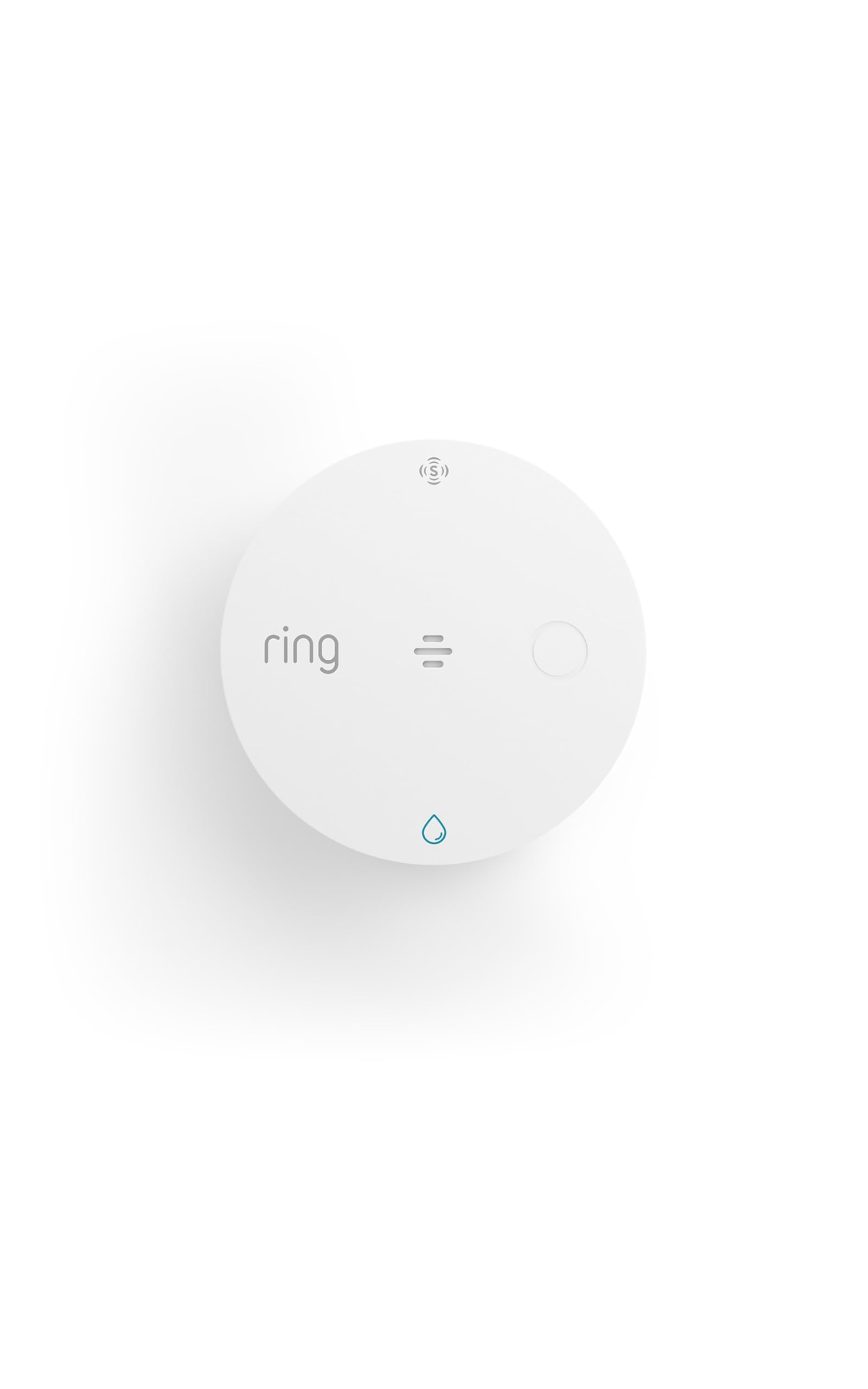
Features and Specifications
Product: Ring Flood & Freeze Sensor
Function: Alerts for water leaks and freezing temperatures
Setup: No base station required
Power: Battery-powered, wireless placement
Placement: Floor level near pipes, water heaters, sinks, and appliances
Ecosystem: Works with the Ring app
Price Tier: Budget
The sensor is built around two jobs: detecting standing water and detecting cold. A pair of sensing contacts sits at the bottom of the unit, so it needs to rest on a flat surface where water would actually pool — the floor of a utility closet, the pan under a water heater, or the cabinet beneath a kitchen sink. The temperature side watches ambient air and flags conditions cold enough to put pipes at risk.
What makes this model interesting is the "no base station needed" claim. Many Ring sensors traditionally required a Ring Alarm base station to talk to the internet. This one is positioned as a standalone entry point, which lowers the cost of trying the ecosystem. Buyers should confirm in the Ring app which hub, if any, their specific setup uses, because the app is where alerts actually land.
The build is small and plastic, the kind of device meant to sit quietly out of sight rather than be admired. That is the right call for a sensor — it should disappear into a corner. Batteries mean no wiring and no electrician, and placement is limited only by where the signal reaches.
Trade-off: At this price, the sensor reports conditions but cannot act on them — it will not shut off a valve or stop water, so it only helps if someone receives and acts on the alert.
Check the current price on Amazon
How the Flood Detection Works
The flood side is simple and, for most buyers, the reason to buy. Water bridging the contacts triggers an alert through the Ring app. That is the whole mechanism, and simple is good here — there are no moving parts to jam and nothing to calibrate.
Placement decides everything. A sensor sitting on a shelf above a leaking pipe will never see the water. It belongs on the lowest point of the floor near the risk: beside the water heater, behind the washing machine, under the sink, or at the low corner of a basement. Buyers with a sloped floor should put it where water would collect, not where the leak starts.
The alert only matters if it reaches someone. Because notifications go to a phone, the system works best for people who keep the Ring app installed and notifications enabled. A sensor in a vacation home is only useful if the owner is reachable and has someone local to respond.
Temperature Alerts and Frozen Pipe Protection
The freeze side watches for low temperatures and warns before pipes have a chance to burst. That is genuinely useful in garages, crawl spaces, unheated basements, and cabins — places where a cold snap can do damage overnight while nobody is looking.
The limitation is that a temperature alert is a warning, not a fix. The sensor cannot turn up a thermostat or open a faucet. It buys time: a homeowner can call a neighbor, drive over, or trigger a space heater remotely if the setup allows. In a rental property, it gives a landlord a chance to act before a pipe splits.
Buyers in mild climates may find the freeze function redundant, and that is fine — the flood detection alone justifies the price for many households. Buyers in hard-freeze regions should treat the freeze alert as one layer of protection alongside insulation and drip faucets, not a replacement for them.
Setup, Power, and Maintenance
Setup runs through the Ring app, which is the same place alerts appear. The sensor pairs wirelessly, gets a name, and is placed. There is no wiring and no base station requirement, which keeps the install to minutes rather than an afternoon.
Batteries are the ongoing cost and the ongoing chore. A sensor that dies silently is worse than no sensor, because it creates false confidence. Buyers should check battery status in the app periodically — a monthly glance is enough — and replace cells before they run flat. The app typically surfaces low-battery warnings, but those only help if notifications are on.
The unit itself needs almost no care beyond a wipe. Contacts can collect dust in a workshop or laundry room, and a dirty contact is a less reliable contact. A quick clean whenever the battery is checked keeps it honest.
Trade-off: Battery power means no wiring hassle, but it also means a maintenance task that buyers must actually remember, and a dead sensor protects nothing.
Who This Sensor Suits — and Who It Does Not
This sensor suits renters and homeowners who want a cheap, no-wiring early warning in a specific risk spot: under a sink, beside a water heater, in a basement, or in a vacation property. It also suits Ring users who want to extend coverage without buying a full alarm system, and landlords who want a low-cost tripwire in a rental.
It does not suit buyers who want automatic shutoff. Anyone expecting the system to stop water at the source needs a smart shutoff valve, which is a different and more expensive product. It also does not suit households that will not keep up with battery checks or app notifications — an unmonitored sensor is just plastic on the floor.
Buyers who want whole-home coverage should think in multiples rather than one unit. One sensor covers one spot; a house with a water heater, a laundry room, and two bathrooms has several spots worth watching.
FAQ
-
Does the Ring Flood & Freeze Sensor need a base station?
No. The product is designed to work without a base station, which is a big part of its appeal for buyers who want a single sensor without buying into a full alarm system. Buyers should confirm their app setup during pairing. -
What does the Ring Flood & Freeze Sensor actually detect?
It detects water at its contacts and low ambient temperatures. It does not detect humidity, pipe pressure, or the sound of running water. -
Will it stop a leak or shut off water?
No. It alerts only. Stopping water requires a shutoff valve, which is a separate device. -
Where should the sensor be placed?
On the floor at the lowest point near the risk — beside a water heater, behind a washer, under a sink, or in a basement corner where water would pool. -
Does it work in a garage or unheated basement?
That is one of its best use cases, since the freeze alert is aimed at exactly those cold, unmonitored spaces. Signal strength to the home network is the thing to check. -
How often do the batteries need replacing?
Battery life depends on settings and temperature, so there is no single answer. The practical habit is to check status in the app monthly and replace before depletion. -
Can it be used in a rental property?
Yes, and it is a good fit: no wiring, no permanent install, and easy removal at move-out. -
Does it work with the Ring app?
Yes. Alerts and battery status appear in the Ring app, which is also where notifications are configured. -
Is one sensor enough for a whole house?
No. Each unit covers one location. Most homes have several risk spots worth covering. -
Is it worth it compared to a full leak detection system?
For a single risk spot on a budget, yes. For whole-home protection with shutoff, a dedicated system is the better spend.
Bottom Line
The Ring Flood & Freeze Sensor is a smart buy for buyers who want cheap, wireless early warning in one or two high-risk spots and who will actually pay attention to app alerts and battery status. It is not a shutoff system and it will not protect a home on its own, but at a budget price it puts a useful tripwire under the sink or beside the water heater for less than the cost of a service call. Buyers who want automation should look at a smart valve instead; everyone else can start here and add sensors as needed.
