Why there are Amazon links here: Brave Review is paid a commission for qualifying Amazon purchases made through the links below. Your price does not change, and using our links is entirely optional. How this works
Best Glass Break Sensor for a Ground Floor: 5 Picks That Cover Windows and Doors
A ground-floor apartment or house puts every window and glass door within easy reach, so glass break detection stops being a nice extra and becomes the first line of defense. This guide covers five sensors that suit three kinds of buyers: renters who want a cheap stick-on alarm, Ring households that want app alerts without a base station, and anyone already running an ADT or eufy system. Each pick gets a plain breakdown of what it detects, what it needs, and who should skip it. The overview table below is the fastest way to choose.
The Picks at a Glance
| Product | Key Spec | Best Use | Price Tier |
|---|---|---|---|
| ADT Blu Glass Break Sensor | Machine learning detection, ADT+ app, 25 ft range | ADT households wanting smart detection | Premium |
| Ring Glass Break Sensor (newest model), 2-pack | Amazon Sidewalk, no base station needed | Covering two rooms in one purchase | Mid-range |
| Ring Glass Break Sensor (single) | Real-time alerts, no base station required | A single window or glass door | Budget-friendly |
| Modern Ultra-Thin Window Alarm, 8-pack | 120 dB sound, vibration sensors | Cheap coverage for renters | Budget |
| eufy Security Glass Break Sensor E10 | Detects 6 glass types, 25 ft range | Existing eufy HomeBase owners | Mid-range |
1. ADT Blu Glass Break Sensor — Best for ADT Households
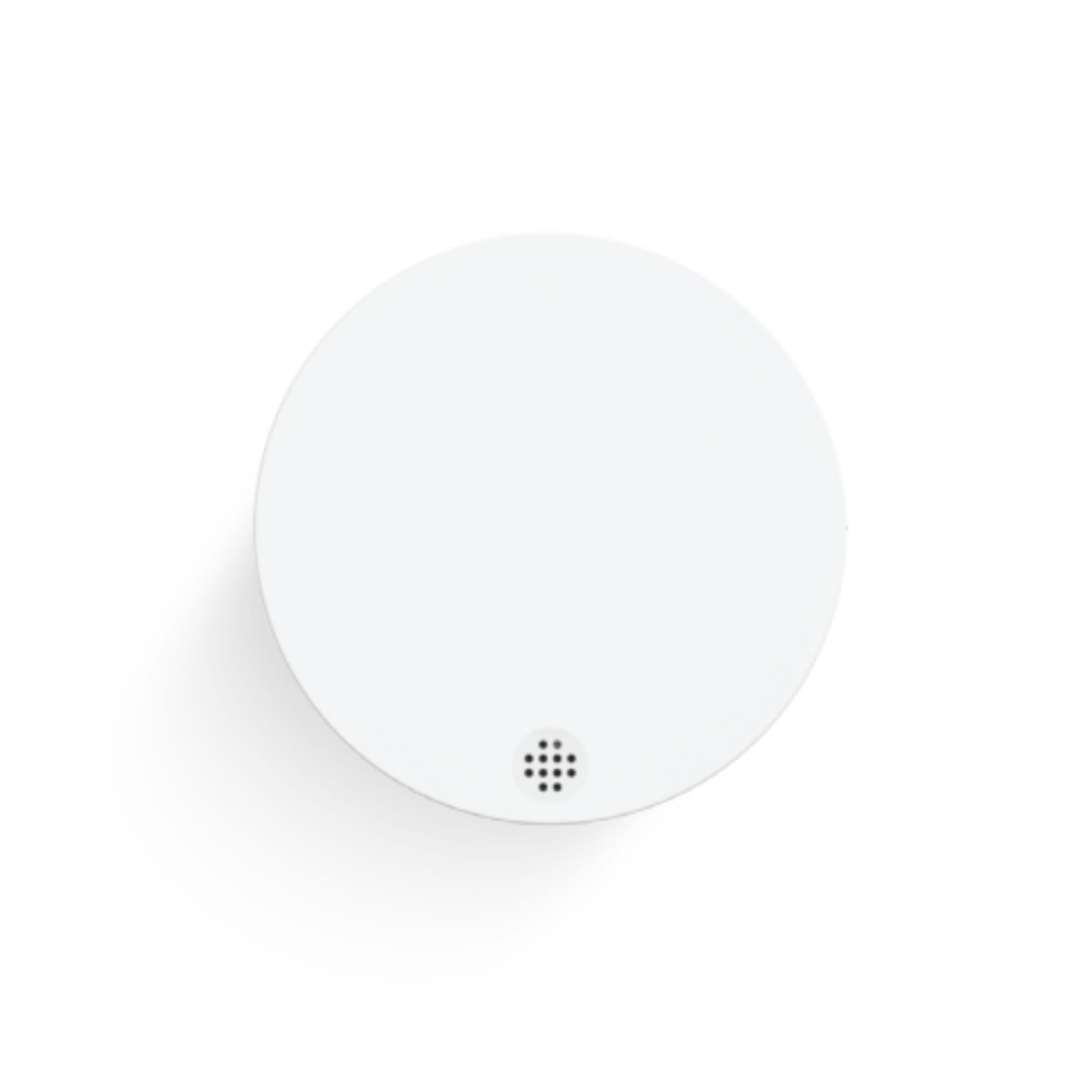
Detection Method: Machine learning sound analysis
Range: 25 ft
Mounting: Wall or ceiling
Alerts: Tamper alerts, ADT+ App control
Connectivity: Wireless
Requirement: ADT monitoring plan
ADT Blu Glass Break Sensor is the pick for a home that already runs ADT. The machine learning detection listens for the sound profile of breaking glass rather than a simple vibration trigger, which cuts down on false alarms from a dropped plate or a slammed cabinet. It mounts on a wall or ceiling and covers a 25 ft range, so one unit can watch a whole ground-floor window wall. Tamper alerts add a second layer: if someone tries to pull the sensor down before entering, the system flags it.
This is the most expensive route to glass break detection here, and it only makes sense for buyers already paying for ADT monitoring. The catch is the plan requirement — the sensor needs an active ADT subscription to function, so it is not a standalone purchase.
Trade-off: Buyers without an ADT plan pay premium hardware prices for a device that will not work on its own.
Check the current price on Amazon
2. Ring Glass Break Sensor (Newest Model), 2-Pack — Best for Covering Two Rooms
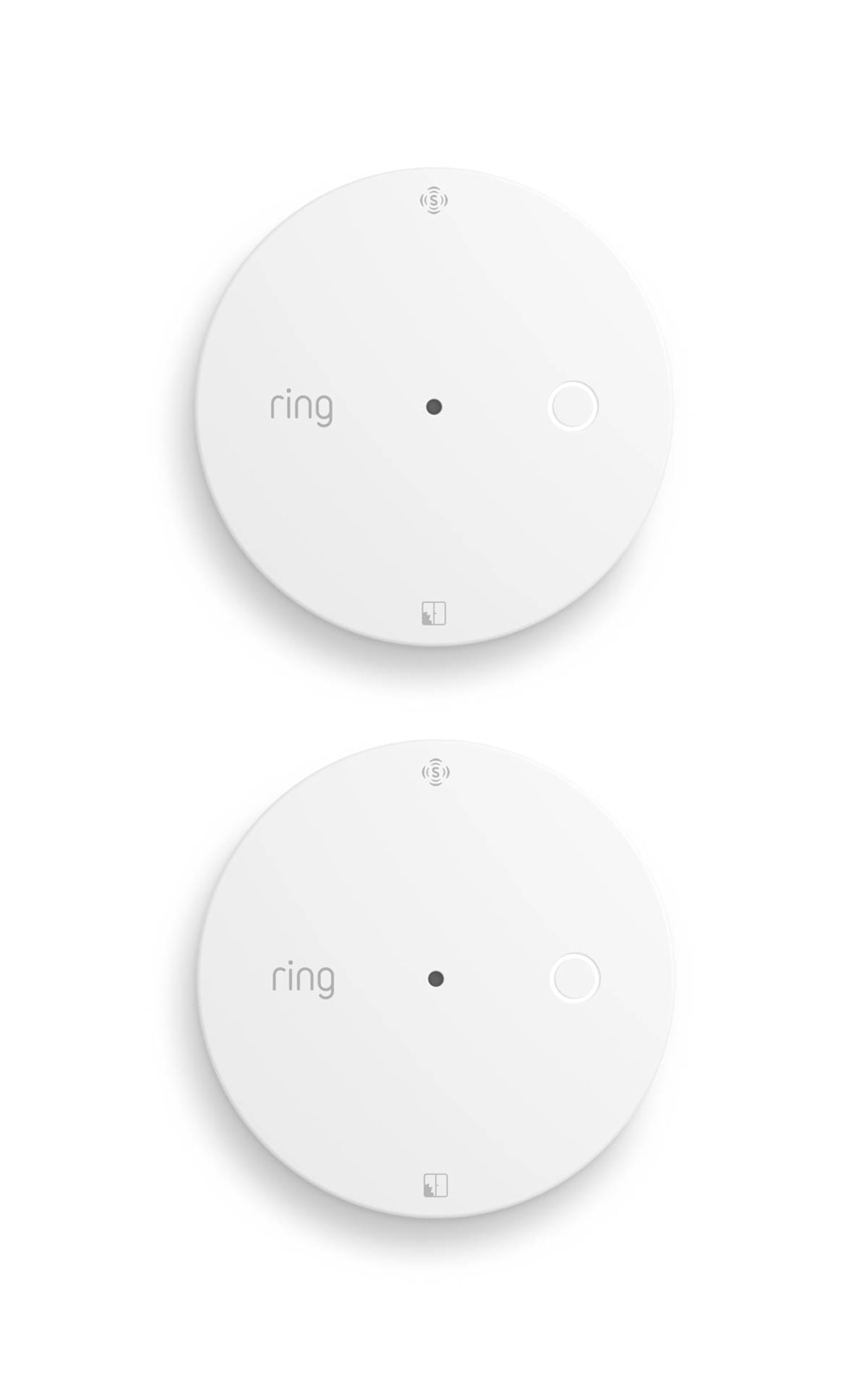
Model: Ring Glass Break Sensor, newest version
Connectivity: Amazon Sidewalk
Base Station: Not required
Alerts: Instant notifications
Monitoring: Ring Pro Monitoring sold separately
Pack Size: 2 sensors
The Ring Glass Break Sensor 2-pack is the practical choice for a ground floor with two exposed rooms — a living room and a bedroom, for example. It runs on Amazon Sidewalk, so no Ring base station is needed, and setup is a matter of pairing it in the Ring app and sticking it near the glass. Instant notifications arrive on a phone the moment the sensor picks up a break.
The 2-pack is also the most popular pick in this roundup, which reflects how many buyers are outfitting more than one window. Professional monitoring is sold separately, so the sensor alone gives alerts, not a monitored response.
Trade-off: Without a Ring Protect Pro plan, the sensor only sends phone notifications — nobody is dispatched when the alarm trips.
Check the current price on Amazon
3. Ring Glass Break Sensor (Single) — Best Single-Point Pick
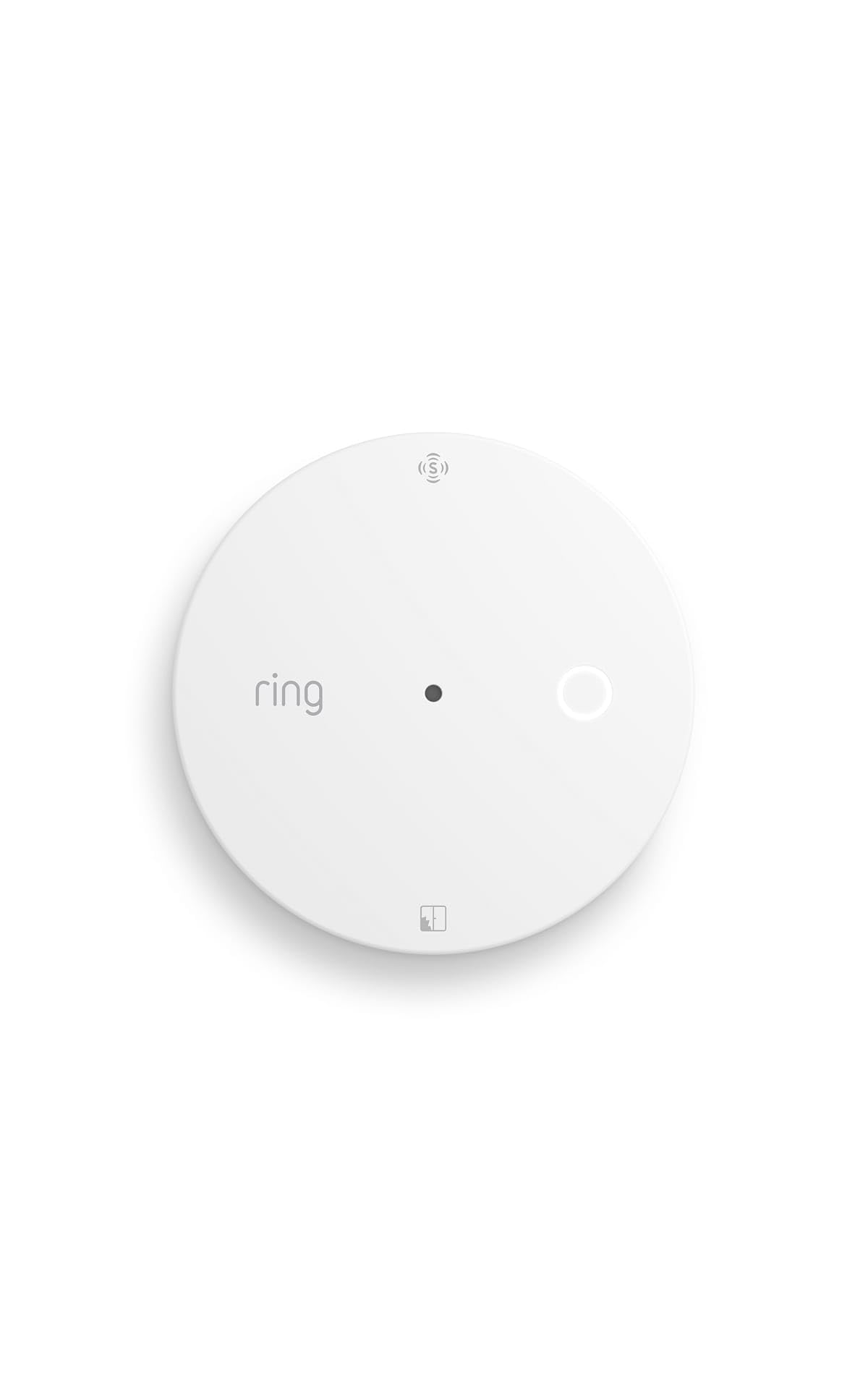
Detection Target: Windows and glass doors
Alerts: Real-time notifications
Setup: Easy, app-based
Base Station: Not required
Connectivity: Amazon Sidewalk
Pack Size: 1 sensor
The single Ring Glass Break Sensor does the same job as the 2-pack for a ground floor with one weak point — a sliding glass door, a patio door, or a single large window. It detects break-ins on windows and glass doors and pushes real-time alerts to the Ring app, and because it needs no base station, a renter can install it without touching the landlord’s wiring. Setup is quick and reversible.
Buyers with more than one vulnerable opening should price the 2-pack first, since two singles usually cost more than the bundle. The single is for a focused, one-spot install.
Trade-off: One sensor covers one zone, so a ground floor with several windows needs a second unit — and the per-sensor cost climbs.
Check the current price on Amazon
4. Modern Ultra-Thin Window Alarm, 8-Pack — Best Budget Coverage

Type: Stick-on window alarm
Sound Output: 120 dB
Sensor: Vibration
Compatibility: Virtually any window
Pack Size: 8 alarms
Best For: Home, office, dorm room
The Modern Ultra-Thin Window Alarm 8-pack is the cheapest way to put a deterrent on every ground-floor window at once. Each unit is a slim stick-on disc with a vibration sensor and a 120 dB siren — loud enough to startle an intruder and wake the household. There is no app, no hub, and no subscription; the alarm sounds locally when the glass is disturbed or the window is moved.
This is a deterrent and an alert, not a smart sensor. It will not text a phone or notify a monitoring center, so it suits renters, dorm rooms, and budget setups where local noise is the point.
Trade-off: Vibration sensors can be tripped by a hard slam or heavy truck outside, and nobody gets a remote notification when one goes off.
Check the current price on Amazon
5. eufy Security Glass Break Sensor E10 — Best for eufy HomeBase Owners
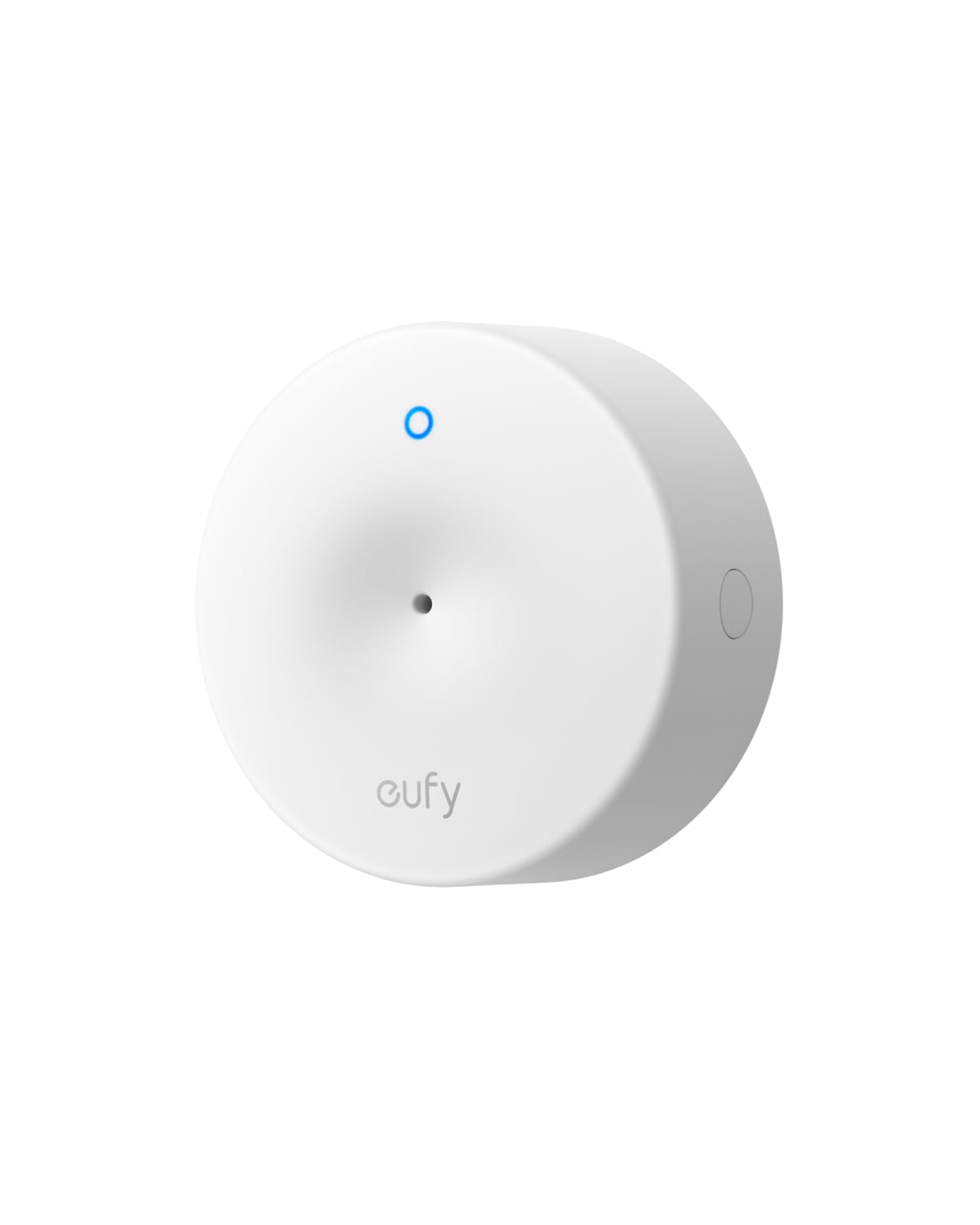
Glass Detection: 6 glass types
Range: 25 ft
Installation: Easy to install
Compatibility: US HomeBase 2, 3, Mini, or Pro
Requirement: HomeBase required
Connectivity: Wireless to HomeBase
The eufy Security Glass Break Sensor E10 is built for households already running a eufy HomeBase. It recognizes six glass types — useful on a ground floor with a mix of single-pane, double-pane, and laminated windows — and covers a 25 ft range, so ceiling or corner mounting can watch several panes at once. Installation is straightforward and the sensor reports back through the existing HomeBase.
The requirement is firm: no US HomeBase 2, 3, Mini, or Pro means no sensor. Buyers starting from scratch should budget for the hub, which pushes the real cost well above the sensor’s sticker.
Trade-off: The HomeBase requirement makes this a poor first purchase for anyone not already in the eufy ecosystem.
Check the current price on Amazon
Before You Buy
- Compatibility: Confirm the hub or plan first. ADT needs a monitoring plan, eufy needs a HomeBase, and Ring needs the Ring app plus Amazon Sidewalk coverage.
- Coverage range: A 25 ft range covers a large window wall from a corner or ceiling mount; small stick-on alarms cover one pane each.
- Detection type: Machine learning and acoustic sensors listen for the sound of breaking glass; vibration alarms react to impact and movement, which is cheaper but more prone to false trips.
- Alert delivery: Smart sensors push phone notifications; standalone alarms only sound locally. Decide whether a remote alert matters.
- Power and mounting: Stick-on alarms suit renters because they leave no wiring; hub-based sensors need a stable mount and a power plan for the hub.
- Pack size: Price the bundle before buying singles — a 2-pack or 8-pack usually beats repeat single purchases for a ground floor.
- Monitoring costs: Professional monitoring is a recurring charge on top of hardware for Ring and ADT, so factor the subscription into the budget.
Frequently Asked Questions
-
What is the best glass break sensor for a ground floor?
The Ring Glass Break Sensor 2-pack is the best all-round pick for most homes — no base station, app alerts, and coverage for two rooms. ADT households should go with the ADT Blu sensor instead. -
Do glass break sensors need a hub or subscription?
It depends on the model. Ring sensors run on Amazon Sidewalk with no base station, eufy needs a HomeBase, and ADT requires an active monitoring plan. The stick-on window alarms need neither. -
Will a glass break sensor work on a sliding glass door?
Yes. Acoustic and vibration sensors both pick up the sound and impact of breaking glass on patio and sliding doors, and the Ring single is a good fit for one door. -
Can a glass break sensor be used in a rental?
Yes. Stick-on alarms and Ring sensors install without wiring or permanent changes, which makes them renter-friendly. -
Do budget window alarms call the police?
No. The 120 dB stick-on alarms sound locally only. Remote alerts and monitored response require a smart sensor plus a monitoring plan. -
How many sensors does a ground floor need?
One sensor per exposed room is a reasonable start. A 25 ft range sensor can cover a full window wall, while small stick-on alarms cover a single pane each.
Bottom Line
For most ground-floor homes, the Ring Glass Break Sensor 2-pack is the fastest route to real app alerts with no base station and no wiring — it covers two rooms and installs in minutes. ADT subscribers should take the ADT Blu sensor for its machine learning detection and tamper alerts, and renters on a tight budget can blanket every window with the 8-pack of stick-on alarms for less than the cost of one smart sensor.
