Why there are Amazon links here: Brave Review is paid a commission for qualifying Amazon purchases made through the links below. Your price does not change, and using our links is entirely optional. How this works
Flood Buzz Small Water Leak Alarms: A Six-Pack of Cheap Insurance for Every Water Line in the House
A small water leak detector is one of the least glamorous purchases a homeowner can make, and one of the few that can pay for itself the first time a supply line lets go under a sink. The Flood Buzz Small Model 6-Pack is aimed at exactly that job: putting a loud, battery-powered alarm at every spot in a house or small business where water tends to pool before anyone notices. This review covers how the alarms are built, where they fit, what the patented no-setup design actually buys the buyer, and where a product at this price tier falls short.
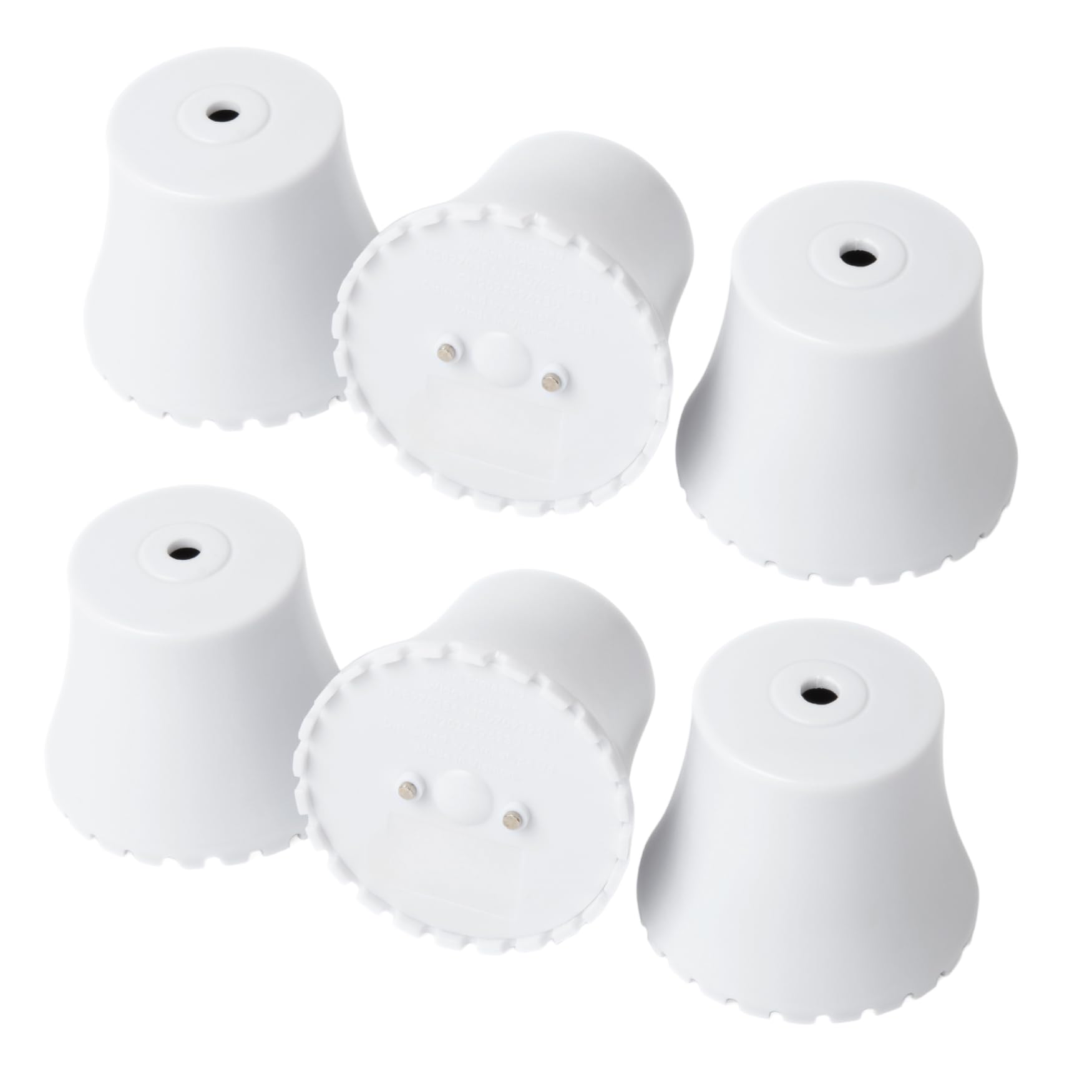
Features and Specifications
Type: Standalone water leak alarm, reusable
Quantity: 6-pack, small model
Setup: No setup required, patented design
Intended use: Under sink, toilet, basement, RV, water heater, dishwasher
Power source: Battery-powered, self-contained
Placement: Floor-level, freestanding
Best for: Homes and small businesses
The core idea behind the Flood Buzz is deliberately simple. Each unit is a small, self-contained puck that sits on the floor or the bottom of a cabinet and sounds an alarm when water bridges the contacts on its base. There is no hub, no app, no Wi-Fi pairing, and no account to create — the "no setup required" claim in the product name is the whole pitch, and the patented design is what the manufacturer points to as the reason it works straight out of the box.
The 6-pack format is the other half of the value proposition. A single leak detector protects a single spot; six units let a buyer cover the kitchen sink, both bathroom toilets, the water heater closet, the dishwasher, and the washing machine or basement corner in one purchase. For a homeowner who has ever come home to a wet cabinet floor, that spread is the difference between protecting one room and protecting the whole house.
Build and Design
The small model is built to sit low and stay out of the way. Each alarm is compact enough to slide into the tight space under a sink, behind a toilet base, or into the drip pan under a water heater, which is where the leaks that cause the most damage usually start. The freestanding puck format means no mounting hardware, no brackets, and no tools — a unit can be dropped in place and forgotten until it sounds.
That same compact size is the design’s main limitation. A small footprint means a small detection area, so the alarm needs to sit roughly where water will actually collect rather than somewhere convenient. Buyers who place a unit on a shelf or on top of a cabinet instead of on the floor are protecting nothing. The build is utilitarian plastic rather than anything rugged, which is reasonable at this price but worth knowing for buyers who want to put a unit in a damp crawlspace or an unheated basement.
Coverage and Placement
Six units is enough to cover the highest-risk water points in a typical house, and the product name lists them explicitly: under-sink cabinets, toilets, basements, RVs, water heaters, and dishwashers. The logic is that most home water damage comes from slow supply-line or seal failures at fixtures, not from dramatic pipe bursts, and those failures pool in exactly the places a small puck can sit.
The trade-off in coverage is that each alarm only guards the spot it occupies. A leak that runs along a joist or drips behind an appliance can miss the unit entirely. Buyers in larger homes or with long runs of exposed pipe in a basement should think of the 6-pack as a starting set for the highest-risk locations rather than whole-house protection, and plan placements around where water would physically collect.
Power and Alarm
Each Flood Buzz runs on its own battery, which is what makes the no-setup design possible — no wiring, no outlet, no low-voltage run back to a panel. That independence is a genuine advantage in spots like a cabinet floor or an RV where there is no power available. It also means the alarms keep working during the kind of event — a burst supply line, a sump failure during a storm — that might trip a breaker.
Battery power carries a maintenance obligation that buyers should not overlook. Because the units are designed to be forgotten, a dead battery is the most likely failure mode, and there is no hub to report a low battery remotely. A sensible routine is to test each unit and replace batteries on a fixed schedule, ideally the same time each year, so the alarms are actually live when they matter. The reusable design means the units themselves are not disposable — they can be dried out and put back into service after a minor event.
Maintenance and Reuse
The Flood Buzz is sold as reusable, which matters more than it first appears. A leak alarm that trips once and then has to be thrown away is an expensive way to protect a home; a unit that can be dried, checked, and redeployed keeps working for years. That reusability is a large part of why a 6-pack at this price makes sense as a permanent installation rather than a one-off purchase.
The maintenance routine is short: test each alarm periodically, keep the contacts on the base clean and dry so a false trip is less likely, and replace batteries on schedule. The plastic housing is not sealed against immersion, so a unit that sits in standing water for an extended period should be dried thoroughly and retested before it is trusted again. None of this is difficult, but it does require the buyer to remember the alarms exist.
Strengths and Weaknesses
The clearest strength is the combination of price, quantity, and zero setup. Six independent alarms with no hub, no app, and no wiring is a very low-friction way to put protection at every water fixture in a house, and the reusable design means the purchase is not consumed by a single event. For renters, RV owners, and small business owners with a few risk spots, the format fits neatly.
The weaknesses follow from the same design choices. There is no remote notification, so an alarm only helps if someone is close enough to hear it — a unit under a sink in an empty house will sound into an empty house. Placement has to be deliberate, each unit covers a small area, and battery upkeep falls entirely on the owner. Buyers who want phone alerts or whole-home coverage should look at connected systems instead; this is a local, audible, standalone product.
Trade-off: The low price buys six simple audible alarms rather than smart notifications, so the Flood Buzz protects a home only when someone is there to hear it.
Check the current price on Amazon
FAQ
-
What is a Flood Buzz small water leak detector?
It is a small, battery-powered alarm that sits on the floor or inside a cabinet and sounds when water reaches its base. The small model is designed for tight spots like under-sink cabinets, toilet bases, and water heater closets. -
Does the Flood Buzz require any setup or Wi-Fi?
No. The product is built around a no-setup, patented design, so each unit works as a standalone alarm with no hub, app, pairing, or internet connection. That is the main reason it suits basements, RVs, and other spots without reliable power or network. -
How many leak detectors does a house need?
The 6-pack covers the most common water risk points: kitchen and bathroom sinks, toilets, the water heater, the dishwasher, and a basement or laundry corner. Larger homes or properties with long exposed pipe runs may need more than one pack. -
Where should the alarms be placed?
Directly where water would collect — the cabinet floor under a sink, the base of a toilet, the drip pan under a water heater, or the low corner of a basement. A unit placed on a shelf or above the floor will not detect anything. -
Do the alarms need batteries?
Yes, each unit runs on its own battery, which is what allows the no-wiring design. Batteries should be tested and replaced on a fixed schedule, because a dead battery is the most likely reason an alarm fails to sound. -
Will the alarm be heard through a closed cabinet door?
The unit is designed to sound from inside a cabinet, but a closed door and a running appliance will muffle it. Buyers who want the alarm audible across a large house should place units where sound can travel or accept that it is a local warning. -
Can the Flood Buzz be reused after it gets wet?
Yes. The alarms are sold as reusable — after a trip, the unit can be dried, checked, and put back into service. A unit that sat in standing water should be dried thoroughly and retested before it is trusted again. -
Does it send an alert to a phone?
No. The Flood Buzz is a standalone audible alarm with no app or remote notification. It is a local warning device, not a monitored leak detection system. -
Is the 6-pack suitable for an RV or a small business?
Yes. The product name lists RVs and businesses among its intended uses, and the compact, wireless format suits both. Multiple units let an owner cover a water heater, a bathroom, and a kitchen area in one purchase. -
Who is the Flood Buzz not right for?
Buyers who want phone alerts, remote monitoring, or automatic shutoff should choose a connected leak detection system. The Flood Buzz is for buyers who want simple, inexpensive, audible protection at specific water points.
Bottom Line
The Flood Buzz Small Model 6-Pack is the practical choice for a homeowner, renter, or small business owner who wants audible leak protection at every water fixture without wiring, apps, or a subscription. Six reusable, no-setup alarms at a budget price cover the spots where slow leaks actually start, and the standalone battery design keeps working when the power does not. Buyers who need remote alerts or whole-home coverage should look elsewhere, but for straightforward local protection, this pack is an easy recommendation.
