Why there are Amazon links here: Brave Review is paid a commission for qualifying Amazon purchases made through the links below. Your price does not change, and using our links is entirely optional. How this works
Roborock Saros 20 Flow: The Flagship Robot Vacuum and Mop, Reviewed
The Roborock Saros 20 is a premium robot vacuum and mop built for buyers who want one machine to handle both dry debris and hard-floor washing without a lot of babysitting. This review covers what the product is, how its main systems work, and the practical trade-offs that come with buying at the top of the market. Buyers weighing a flagship robot against a cheaper vacuum-plus-mop combo will find the decision points below. Those ready to buy can jump straight to the Amazon listing via the link under the product block.
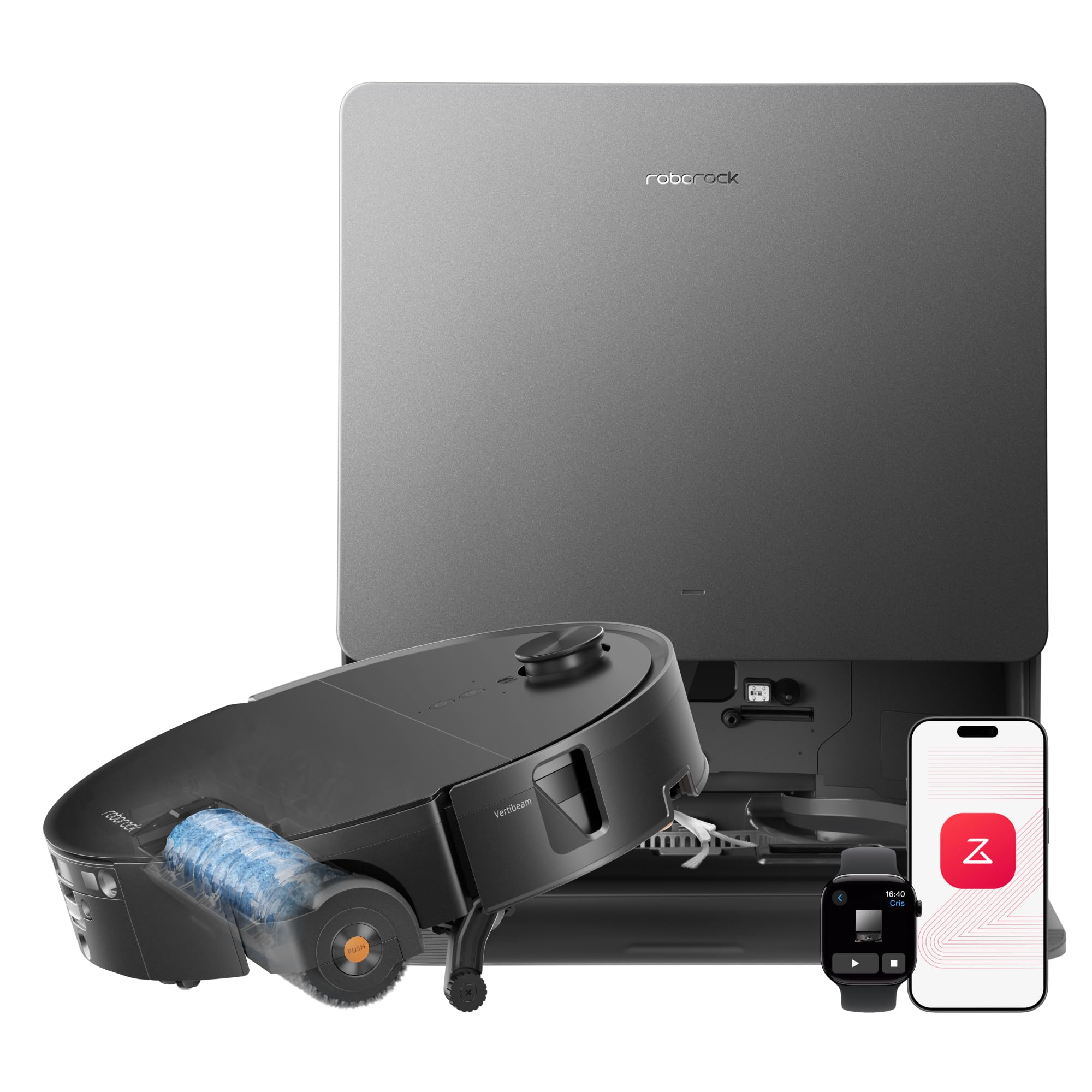
Check the current price on Amazon
Features and Specifications
Type: Robot vacuum and mop combo
Mop System: SpiraFlow 2.0 pressurized self-cleaning roller mop
Mop Wash Temperature: 212°F
Suction Power: 36000 Pa
Threshold Climb: 3.46 in double-layer
Obstacle Avoidance: 300+ obstacle types
Brush Design: Zero-tangle
Price Tier: Premium flagship
What the Saros 20 Flow Is Built to Do
The saros 20 sits at the top of Roborock’s consumer lineup, and the spec sheet reflects that ambition. The headline claim is 36000 Pa of suction, which is a large number even by premium robot standards — enough to suggest the unit is aimed at homes with carpets, pet hair, and daily debris loads rather than hard floors alone.
The second pillar is the SpiraFlow 2.0 mop system. Unlike the flat oscillating pads found on many mid-range robots, this is a pressurized roller mop that washes itself. The 212°F wash temperature is the detail that matters most: hot water is far better at breaking down grease and lifting residue out of the roller than a cold rinse, and it reduces the grime buildup that makes mop pads smell over time.
The design assumes a hands-off ownership model. The self-cleaning roller and the hot-water wash are meant to cut down on the manual pad scrubbing that plagues simpler mops.
Suction Power and Cleaning Performance
Suction is where this machine separates itself from the mid-tier. A rating of 36000 Pa puts it in flagship territory, and the practical effect is that the robot should hold up on medium-pile carpet and on hard floors with grit, cereal, and pet hair rather than just light dust.
That power comes with a predictable cost. High-suction robots are louder and heavier on battery than their lower-powered siblings, and running the machine in maximum mode every day will drain the battery faster and shorten the time it can spend cleaning before a recharge. Buyers in smaller apartments may find they rarely need the full setting, which makes the premium harder to justify purely on suction.
The zero-tangle brush is the other performance feature worth noting. Hair wrap is the most common reason robot vacuums underperform after a few months, and a brush designed to resist tangling addresses the maintenance problem directly rather than just the cleaning problem.
Trade-off: The huge suction figure is genuinely useful on carpet, but it makes the unit louder and thirstier for battery than a mid-range robot — buyers with mostly hard floors and no pets are paying for capability they may not need.
The SpiraFlow 2.0 Mop and Self-Cleaning
The mop is the more distinctive half of the product. A pressurized roller applies more downward force and agitation than a passive pad, which matters on sticky kitchen spills and dried-on stains. The self-cleaning function means the roller is washed between passes rather than dragging the same dirty surface around the house.
The 212°F wash is the feature that gives the system its edge. Hot-water cleaning is the standard used by dedicated floor-washing appliances, and bringing it into a robot mop is what separates this tier from cheaper models that rinse with cold water or not at all. Buyers with tile, laminate, or sealed hard floors in kitchens and bathrooms get the most from it.
The caveat is that a roller mop is a wet system, and wet systems need maintenance even when they self-clean. The roller will still need periodic inspection and eventual replacement, and the base station needs to be kept clear. Buyers who expect a mop that never requires attention will be disappointed by any product at this price.
Threshold Climbing and Obstacle Avoidance
The 3.46-inch double-layer threshold climb is a practical specification that solves a common frustration. Many robots get stuck on raised thresholds between rooms, on rug edges, or on the lip of a balcony door. A climb rating this high suggests the Saros 20 can move between rooms with different floor levels without the owner building ramps or moving the dock.
Obstacle avoidance is rated at 300+ obstacle types. In practice this covers the usual household hazards — cables, shoes, pet bowls, socks, chair legs — and the point of a high obstacle count is fewer interrupted runs and fewer tangled cords. It is a quality-of-life feature more than a cleaning one, but on a machine this expensive it matters: a robot that gets stuck every other day is not saving anyone time.
The caveat is that obstacle avoidance is never perfect, and cluttered floors with thin cables or low-profile objects remain the hardest test for any robot. Buyers with very messy floors should still tidy before a scheduled run.
Trade-off: Strong obstacle avoidance and high threshold climbing reduce the babysitting burden, but they are convenience features — the money here is going into not having to rescue the robot, not into better cleaning on an open floor.
Who the Roborock Saros 20 Flow Suits
This is a product for buyers who want one machine to handle vacuuming and mopping in a home with mixed flooring — carpet in bedrooms, hard floors in kitchens and living areas — and who value not having to intervene. Pet owners, households with kids, and anyone who has already owned a cheaper robot and grown tired of emptying, untangling, and rescuing it are the natural audience.
It is not for buyers on a budget, and it is not for someone with a small, single-surface apartment where a basic vacuum-only robot would do the same job. It is also not the right pick for anyone unwilling to do periodic roller and base-station maintenance — self-cleaning reduces the work but does not eliminate it.
FAQ
-
What is the Roborock Saros 20 Flow?
It is a premium robot vacuum and mop combo with a pressurized self-cleaning roller mop, high suction, and advanced obstacle avoidance, sold as a single flagship unit. -
Does the Saros 20 vacuum and mop at the same time?
It is a combo unit, so it handles both dry vacuuming and wet mopping. The roller mop is designed to wash itself, which is the main difference from pad-based mops. -
What does 36000 Pa suction mean in practice?
It is a very high rating that should handle carpet, pet hair, and heavier debris well. The trade-off is more noise and faster battery drain at maximum settings. -
What is the 212°F mop wash for?
Hot water breaks down grease and residue on the roller better than a cold rinse, which keeps the mop cleaner and reduces odor buildup over time. -
Can it climb over thresholds between rooms?
The 3.46-inch double-layer threshold climb is designed to let it move between rooms with raised floor edges without getting stuck. -
Is the brush really tangle-free?
The zero-tangle brush design is aimed at preventing hair wrap, which is the most common cause of robot vacuum performance drop-off. It reduces the problem rather than guaranteeing zero maintenance. -
Does it need a lot of maintenance?
Less than a pad-based mop, but the roller still needs periodic inspection and replacement, and the base station needs to be kept clean. -
Who should not buy the Saros 20 Flow?
Buyers on a tight budget, people with small single-surface homes, and anyone who wants a robot that never needs any attention. -
Is it good for pet owners?
High suction and a zero-tangle brush make it a sensible fit for pet hair, and the hot-water mop wash helps with the residue pets leave on hard floors. -
Where can the current price be checked?
Pricing changes often on Amazon, so the live listing is the place to confirm the current cost before buying.
Bottom Line
The Roborock Saros 20 Flow is a flagship robot vacuum and mop for buyers who want strong suction, a genuinely self-cleaning hot-water mop, and enough obstacle avoidance to stop rescuing the machine every day. The premium is real, and so is the trade-off — loud high-power runs, battery demands, and ongoing roller upkeep. For mixed-floor homes with pets or kids, it is a coherent top-tier pick; for small, simple spaces, a cheaper robot does the same job.
