Why there are Amazon links here: Brave Review is paid a commission for qualifying Amazon purchases made through the links below. Your price does not change, and using our links is entirely optional. How this works
THIRDREALITY Smart Soil Moisture Sensor Gen2: Zigbee Watering Data for Four-Season Growers
The THIRDREALITY Smart Soil Moisture Sensor Gen2 3Pack is a Zigbee-based capacitive moisture probe set for gardeners who already run a smart home hub and want watering decisions backed by soil data instead of guesswork. This review covers what the three-pack includes, how the capacitive sensing and signal design affect daily use, which hubs it works with, and where the setup demands more from a buyer than a standalone sensor would. The short version: it suits hub owners planting beds, containers or houseplants at scale, and it is the wrong first smart-home purchase for anyone without a Zigbee controller already in place.
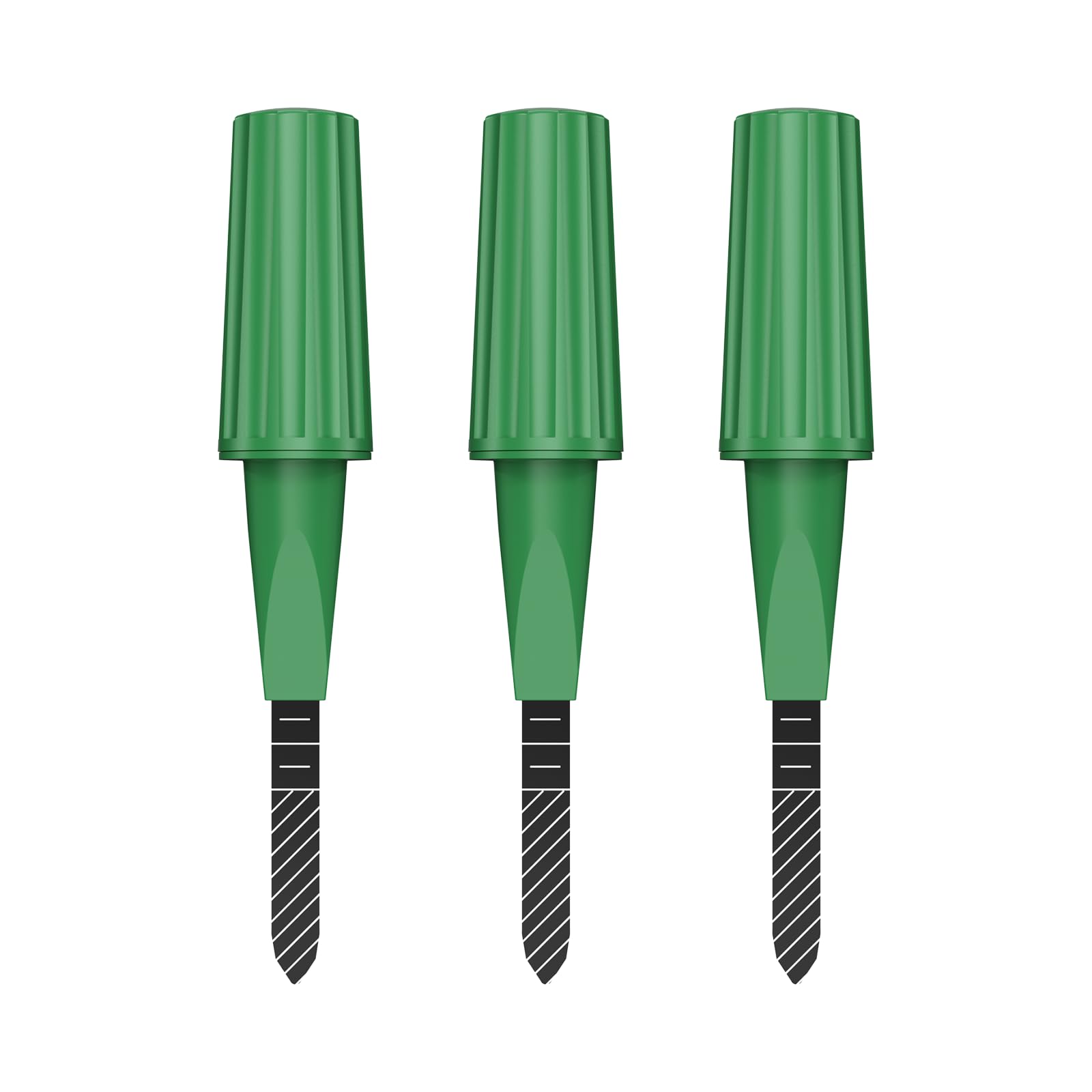
Features and Specifications
Product: THIRDREALITY Smart Soil Moisture Sensor Gen2 3Pack
Protocol: Zigbee — a compatible hub is required
Sensing Method: Capacitive moisture monitoring
Signal Design: Enhanced signal stability
Intended Use: Garden planting and soil moisture tracking
Hub Compatibility: Hubitat, SmartThings, Home Assistant, Homey
Pack Size: Three sensors
The three-pack format is the first thing that separates this from a single-probe gadget. One sensor answers a question about one pot; three sensors let a grower compare a raised bed against a container against a shaded border, or spread coverage across a vegetable patch without buying twice. For anyone watering more than a handful of plants, the pack size is the practical reason to pick this listing over a solo unit.
The Zigbee requirement is the second defining spec, and it shapes the entire buying decision. This is not a Wi-Fi sensor that connects straight to a phone. It joins an existing Zigbee mesh through a hub the buyer already owns, which keeps the sensors themselves simple, low-power and independent of the home Wi-Fi network. That is an advantage for reliability and a barrier for first-timers.
Capacitive sensing is the detail that matters most for long-term accuracy. Capacitive probes read moisture through changes in the electrical field around the sensor rather than by measuring resistance between exposed metal contacts, so they are not prone to the corrosion and drifting readings that plague cheap resistive probes left in wet soil season after season. For a device that may sit in the same bed for months, that difference in sensing method is worth more than most spec-sheet extras.
The "enhanced signal stability" claim in the product name points at the usual weak spot in soil sensors: a probe buried low in a garden bed, behind foliage, at the far end of a yard. Gen2 hardware is positioned as an improvement on that front, which is the right thing to prioritize for outdoor planting where the sensor is nowhere near the hub.
Build, Sensing and Hub Integration
The build question for any soil probe is whether it can live in wet soil without degrading. A capacitive design removes the exposed-electrode corrosion problem at the source, and the sealed probe body that goes with it is what allows the sensor to stay planted through watering cycles rather than being pulled and dried after each use. The housing above the soil line holds the radio and battery, and that separation — electronics up, sensing surface down — is the standard, sensible layout for this category.
Three units in one box also change how the sensors get used. Rather than treating each as a single plant monitor, a grower can assign them to different soil types or sun exposures and compare readings across the garden. A sandy bed that drains fast and a rich container mix that holds water will read very differently, and having three data points makes those differences visible instead of theoretical.
Hub integration is where this product earns its place or doesn’t, depending on the buyer. Hubitat, SmartThings, Home Assistant and Homey are all named as compatible, which covers the serious DIY automation platforms. That means the moisture readings can feed automations — a valve, a notification, a dashboard tile — rather than living in a single-purpose app. The sensor becomes one input in a broader watering system.
Trade-off: The hub requirement is a real cost and complexity barrier — buyers without an existing Zigbee controller must budget for one and learn its pairing process before the sensors deliver any value at all.
That trade-off deserves emphasis because it inverts the usual smart-home pitch. Most consumer sensors sell convenience to beginners. This one sells clean data to people who have already built the infrastructure to use it. A buyer with a Home Assistant instance will pair three probes in minutes and wire them into an automation the same evening. A buyer with no hub will spend more time and money on the controller than on the sensors.
Battery life is the maintenance dimension to plan around. Soil sensors of this type run on small batteries and trade radio power against longevity, and the enhanced signal design is partly about getting a reliable reading from a buried probe without burning through cells. The practical advice is the same regardless: place the sensor where the hub’s mesh reaches, and expect periodic battery swaps as part of garden upkeep rather than a one-time setup.
Placement itself is a skill worth mentioning. The probe needs to sit at root depth, not just skim the surface, or the readings will swing wildly after every watering and tell the grower nothing useful about what the roots actually experience. Three sensors make it easier to experiment with depth and position in different beds and see which placement produces stable, believable numbers.
Who It Suits and Who It Doesn’t
This three-pack fits growers who already run one of the named hubs and want moisture data folded into their existing automations — the vegetable gardener with a Home Assistant dashboard, the container gardener on SmartThings who wants a nudge before the tomatoes wilt, the home lab tinkerer on Hubitat who enjoys tuning thresholds. It also suits anyone monitoring several distinct growing zones, since three probes cover more ground than one.
It does not suit the buyer who wants a phone app and nothing else. Without a Zigbee hub, the sensors have nowhere to send their readings, and the purchase becomes an unfinished project. Nor is it aimed at someone watering a single houseplant who needs one probe and no automation — a single-sensor listing or a simple moisture meter serves that buyer better and cheaper.
Buyers who want set-and-forget simplicity should also weigh the maintenance honestly. These are instruments, not decorations: they need sensible placement, occasional battery changes and a hub that stays online. The payoff is real for a committed gardener, but it is a commitment.
Check the current price and availability on Amazon
FAQ
-
Does the THIRDREALITY Smart Soil Moisture Sensor Gen2 need a hub?
Yes. It communicates over Zigbee and requires a compatible hub such as Hubitat, SmartThings, Home Assistant or Homey. It will not connect directly to a phone over Wi-Fi. -
How many sensors come in the pack?
The listing is a 3Pack, so three sensors ship together. That allows coverage of multiple beds, containers or rooms rather than a single monitoring point. -
What does capacitive moisture monitoring mean?
Capacitive sensing reads soil moisture through changes in an electrical field rather than by passing current between exposed metal contacts. It avoids the corrosion problems that affect resistive probes left in wet soil. -
Can these sensors be left in the soil outdoors?
They are designed for garden planting and soil monitoring, so the probe portion is meant to stay in the soil during normal watering. The electronics sit above the soil line. -
Which smart home platforms are supported?
The product name lists Hubitat, SmartThings, Home Assistant and Homey. Buyers on other platforms should confirm compatibility before ordering. -
Can the moisture readings trigger automatic watering?
Because the sensors integrate with automation platforms, readings can be used in automations and routines. Whether that includes a valve or pump depends on the rest of the buyer’s smart home setup. -
Do the sensors need batteries?
Soil sensors of this type are battery powered, and periodic battery replacement is part of normal upkeep. The enhanced signal design is intended to support reliable reporting from buried probes. -
Is this a good first smart-home purchase?
Not usually. A buyer with no Zigbee hub would need to buy and configure one first, which makes the total project larger than the sensor listing suggests. -
Where should the probe be placed in a garden bed?
At root depth, so readings reflect the moisture the plant actually draws on. Surface placement produces swings after every watering and less useful data. -
Why choose a three-pack over a single sensor?
Three sensors let a grower compare different beds, soil types or exposures and cover more of a garden. For a single pot, one sensor is enough.
Bottom Line
The THIRDREALITY Smart Soil Moisture Sensor Gen2 3Pack is the right buy for a hub-equipped gardener who wants capacitive moisture data from several growing zones feeding into real automations, and the wrong buy for anyone without a Zigbee controller or an appetite for setup. The capacitive sensing and three-sensor coverage justify the purchase for committed growers; the hub dependency is the honest catch, and it should decide the purchase before anything else does.
Check the THIRDREALITY Smart Soil Moisture Sensor Gen2 3Pack on Amazon