Why there are Amazon links here: Brave Review is paid a commission for qualifying Amazon purchases made through the links below. Your price does not change, and using our links is entirely optional. How this works
Dreame X60 Max Ultra: The Robot Vacuum That Climbs Carpet
The Dreame X60 Max Ultra is a premium robot vacuum and mop built for homes where carpet edges, thresholds and low-clearance furniture have defeated lesser robots. It combines 35,000Pa suction, dual AI cameras and a 3.47in (8.8cm) obstacle-crossing system with an ultra-thin body. This review covers what the specifications mean in practice, where the design helps, and where the price demands caution. Buyers deciding whether this flagship earns a place in their home will find the short answer below and the full reasoning after it.
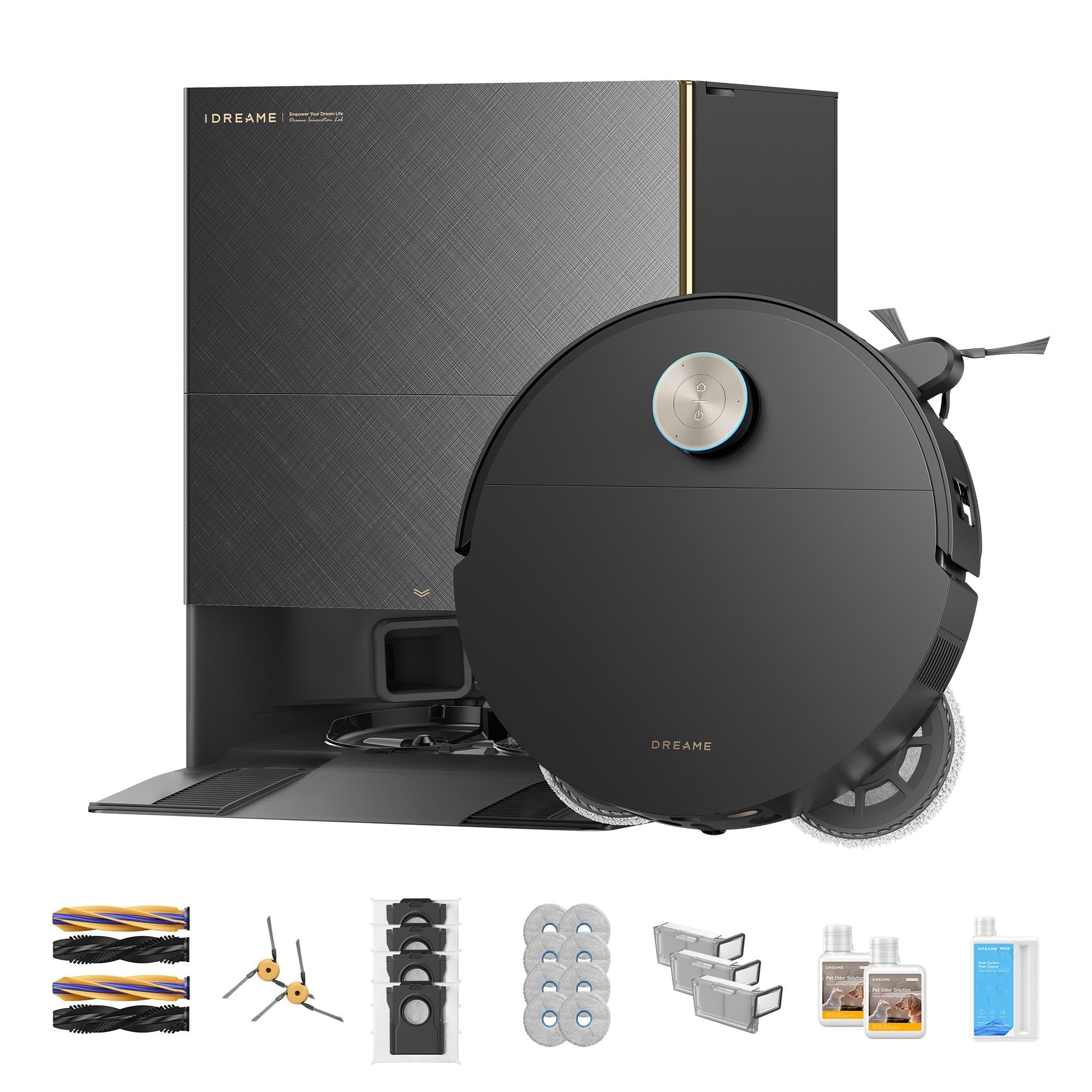
Features and Specifications
Product Type: Robot vacuum and mop combo
Suction Power: 35,000Pa
Obstacle Crossing: 3.47in (8.8cm) for carpet
Design: Ultra-thin for low spaces
Navigation: Dual AI cameras
Model: X60 Max Ultra Complete
Best Use: Carpet transitions, thresholds, under-furniture cleaning
The headline figure is the 35,000Pa suction rating, which sits at the top of the consumer robot vacuum range. That number matters most on carpet, where pile holds onto dust and pet hair and weaker robots leave both behind. Paired with the dual AI cameras, the X60 Max Ultra is positioned as a machine that both sees obstacles and pulls deeply from soft flooring.
The 3.47in (8.8cm) obstacle-crossing figure is the more unusual specification. Most robot vacuums stall or divert at carpet edges, thick rugs and room thresholds; this model is rated to climb over them. For homes with mixed flooring and raised transitions, that capability removes the most common reason a robot needs rescuing mid-clean.
The ultra-thin body is the third pillar. Low-clearance furniture — sofas, beds, cabinets — is where dust accumulates and where taller robots simply cannot reach. A slimmer chassis widens the cleaning envelope without asking the buyer to rearrange the room.
Build and Design
The ultra-thin chassis is the defining physical trait, and it shapes both the robot’s reach and its limitations. Buyers with furniture set low to the floor gain access to zones that normally require a manual wand vacuum. The trade-off is that thin bodies leave less internal volume, so the dustbin and water tank on a slim robot are typically smaller than on bulkier models — a point buyers with large open floor plans should weigh.
The 3.47in (8.8cm) obstacle-crossing system is a structural feature, not a software setting. It allows the robot to mount carpet edges and thresholds rather than treating them as walls. In practice, this is what separates a robot that cleans one room reliably from one that cleans an entire mixed-floor home in a single run.
Dual AI cameras handle navigation and obstacle recognition. Two cameras give the robot a wider view of the floor ahead, which helps it distinguish furniture legs, cables and pet waste from open floor. Camera-based navigation also tends to work in low light better than older sensor stacks, though buyers should expect the robot to need a clear, well-lit path to perform at its best.
Power and Cleaning Performance
The 35,000Pa suction rating is the strongest single argument for this machine. On carpet, high suction lifts embedded dust and hair that low-power robots skim over. On hard floors, that headroom lets the robot run at reduced power and still collect fine debris, which is easier on battery life.
The mop function pairs with the vacuum in the "Complete" configuration implied by the model name. Mopping on a robot is best understood as maintenance cleaning: it handles light surface soil and everyday dust on hard floors, not sticky spills or heavy grime. Buyers should treat the mop as a convenience layer on top of the vacuum, not a replacement for occasional manual mopping.
The dual AI cameras contribute to cleaning performance as much as to navigation. A robot that recognizes obstacles spends less time stuck and more time covering floor, and it avoids the smeared-pet-waste scenario that plagues camera-less machines. That reliability is a real part of what the price buys.
Maintenance and Daily Use
The ultra-thin design and the obstacle-crossing system both reduce the manual interventions that frustrate robot owners. A robot that clears carpet edges and reaches under low furniture needs fewer rescues, and fewer rescues means the owner actually runs it daily instead of abandoning it after a week.
The smaller tanks and bins typical of slim robots do mean more frequent emptying and refilling than a bulky flagship. Buyers with pets or large carpeted areas should plan on routine bin checks. The camera navigation also requires the robot’s sensors to stay clean; dust on the lenses degrades obstacle recognition over time.
The "Complete" designation in the model name signals a fuller package than a bare robot, which for a machine at this price tier is the appropriate expectation. Buyers should confirm what the bundle includes before ordering, since the difference between a base robot and a complete kit is often the difference between a self-emptying setup and a manual one.
Trade-off: At a flagship price, the X60 Max Ultra asks buyers to pay for carpet-climbing and ultra-thin reach that only matter in homes with mixed flooring and low furniture — a single-floor home with no rugs gets far less from the premium.
Check the current price on Amazon
Who It Suits and Who It Does Not
This robot suits households with a mix of carpet and hard flooring, raised thresholds between rooms, and furniture set low to the ground. It also suits buyers who have owned a robot before and grown tired of unclogging it from rug edges. The 35,000Pa suction makes it a reasonable pick for pet owners dealing with hair on carpet.
It does not suit buyers on a budget, buyers with a single open hard-floor room and no rugs, or anyone who wants a robot to handle heavy mopping. Those buyers pay for capability they will never use. Buyers in small apartments with no carpet transitions should look at a simpler, cheaper robot and put the savings elsewhere.
FAQ
-
What does 35,000Pa suction mean on a robot vacuum?
Pa measures suction pressure. 35,000Pa is at the high end of consumer robot vacuums, and higher pressure translates to deeper cleaning on carpet and better pickup of embedded hair and fine dust. -
Can the Dreame X60 Max Ultra climb over carpet edges?
Yes. The product name states a 3.47in (8.8cm) obstacle-crossing capability for carpet, which means the robot is designed to mount carpet edges and thresholds rather than stalling at them. -
How thin is the Dreame X60 Max Ultra?
The name describes it as ultra-thin for cleaning low spaces. That design lets it slide under low-clearance furniture such as sofas and beds where taller robots cannot reach. -
What do the dual AI cameras do?
Two cameras give the robot a wider view for navigation and obstacle recognition. That helps it avoid furniture legs, cables and pet waste, and it reduces the stuck-robot episodes common with simpler navigation. -
Is this robot vacuum good for pet hair?
The high suction rating makes it a strong candidate for pet hair on carpet. Pet owners should still plan on frequent bin emptying, since slim robots carry smaller bins. -
Does the Dreame X60 Max Ultra mop as well as it vacuums?
The mop handles light surface soil and everyday dust on hard floors. It is a maintenance layer, not a substitute for manual mopping of sticky spills or heavy grime. -
Who should not buy the Dreame X60 Max Ultra?
Buyers with a single hard-floor room and no rugs, budget shoppers, and anyone wanting heavy-duty mopping get little from the premium. A simpler robot covers those homes at lower cost. -
What does "Complete" mean in the model name?
It signals a fuller package than a bare robot. Buyers should confirm the exact bundle contents before ordering, since complete kits often include extras a base model does not. -
Is a robot vacuum with cameras a privacy concern?
Camera-based robots map the home visually. Buyers who are sensitive to that should review the manufacturer’s data policies and consider whether camera navigation is acceptable in their home. -
How often does a slim robot need its bin emptied?
Slimmer bodies mean smaller bins, so more frequent emptying than a bulky flagship. Households with pets or large carpeted areas should check the bin routinely.
Bottom Line
The Dreame X60 Max Ultra earns its flagship positioning on three specifications that solve real problems: 35,000Pa suction for deep carpet cleaning, a 3.47in (8.8cm) obstacle-crossing system for carpet edges and thresholds, and an ultra-thin body for low-clearance furniture. Buyers with mixed flooring, rugs and low sofas get a robot that finishes the job instead of stalling. Buyers with simple hard-floor layouts should spend less. For the homes this machine was built for, it is the pick.
