Why there are Amazon links here: Brave Review is paid a commission for qualifying Amazon purchases made through the links below. Your price does not change, and using our links is entirely optional. How this works
Best Insulation Board for a Cold Floor: 5 Picks That Stop the Chill
A cold floor usually means heat is escaping downward through a slab, a crawlspace or an uninsulated garage. The right insulation board puts a thermal break between that surface and the room above it. This guide covers five options — reflective foil rolls, a rigid foam panel and a double-layer bubble barrier — for homeowners finishing a basement, warming a garage or patching a chilly concrete floor. The overview table below sorts all five by key spec, best use and price tier so a choice can be made in under a minute.
The Picks at a Glance
| Product | Key Spec | Best Use | Price Tier |
|---|---|---|---|
| INSULATION MARKETPLACE SmartSHIELD | 3 mm foam core, 16 in x 10 ft | Small patches, rim joists | Budget |
| BXI Insulation Foam Roll | 0.2 in self-adhesive, 13 x 157 in | Pipes, garage doors, ductwork | Budget |
| Houseables Radiant Barrier | 3 mm foil foam, 48 in x 50 ft | Large floor and wall coverage | Premium |
| Insulation Board with Foam Rigid Panel | 3 cm extruded polystyrene, 60 x 120 cm | Damp floors, pressure-bearing layers | Mid-range |
| MRPAPA Double Reflective Insulation Foam | 48 in x 10 ft double reflective bubble | Windows, quick heat blocking | Budget |
1. INSULATION MARKETPLACE SmartSHIELD Reflective Roll
Type: Reflective foil radiant barrier
Core: Foam
Thickness: 3 mm
Width: 16 in
Length: 10 ft
Best For: Small-area floor and joist coverage

This is a thin foil-faced foam roll built to reflect radiant heat rather than block conductive cold. The engineered foil surface faces the warm side of a floor cavity and bounces heat back into the room, while the foam core adds a slim layer of resistance. At 16 inches wide and 10 feet long, the roll suits narrow runs: between floor joists, along rim boards, behind baseboards or under a small section of subfloor. It cuts easily with a utility knife and staples or tapes into place. Buyers working on a full basement slab will find the coverage too small and should look at a wider roll.
Trade-off: The 3 mm core is a radiant barrier, not a structural board, so it offers little compressive strength and cannot carry flooring directly on top.
Who It Suits: DIYers patching a cold spot in a joist bay or sealing a rim joist before winter. It is not for anyone expecting a rigid underlayment under tile or laminate.
2. BXI Insulation Foam Roll
Type: Self-adhesive reflective foam panel
Thickness: 0.2 in
Width: 13 in
Length: 157 in
Surface: Aluminum foil
Best For: Pipes, ducts, garage doors and RV windows
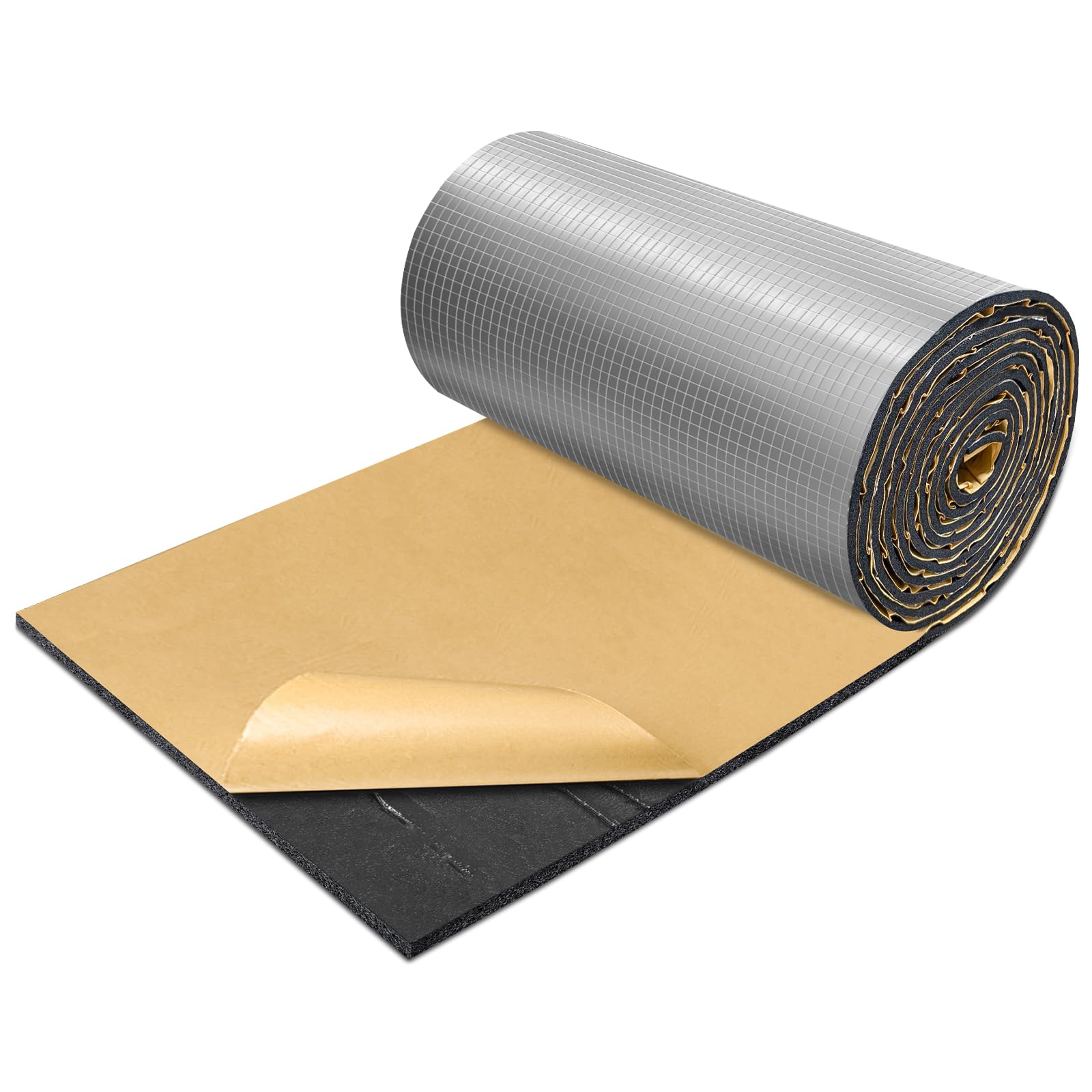
The BXI roll is the peel-and-stick option in this group. A pressure-sensitive backing lets it bond directly to a garage door panel, a duct run, a pipe or a window frame without separate adhesive. The aluminum foil face is waterproof and reflects heat, which makes it useful for blocking drafts around a cold floor’s edges and any metal surface that sweats. The narrow 13-inch width and long 157-inch length favor wrapping and lining rather than covering a whole floor. It is a detail product, not a slab product.
Trade-off: The self-adhesive backing grips best on clean, smooth, dry surfaces, so dusty concrete or damp masonry will need prep work before the roll stays put.
Who It Suits: Homeowners chasing cold coming in around a garage door, a duct or a window rather than through the floor itself. It is not for covering a large floor area.
3. Houseables Radiant Barrier Foil Foam Roll
Type: Reflective foil foam roll
Thickness: 3 mm
Width: 48 in
Length: 50 ft
Applications: Wall, ceiling, floor, attic, basement, RV, shed, garage door, pole barn
Best For: Large-area floor and wall coverage

This is the coverage pick: a 48-inch-wide, 50-foot-long roll of foil-faced foam that can line a whole basement floor, a shed or a pole barn in one pass. The 3 mm foam core is the same radiant-barrier construction as the SmartSHIELD, just scaled up for square footage. A 48-inch width spans most joist bays and stud cavities without seaming, and the roll works on walls and ceilings as well as floors. Buyers insulating a crawlspace or a metal building will get the most from it.
Trade-off: The large roll is heavy and awkward for one person to handle overhead, and the thin foam still will not support foot traffic without a subfloor over it.
Who It Suits: Anyone covering a large cold floor, crawlspace or outbuilding who wants one continuous roll. It is not for a small patch job where most of the roll would sit unused.
4. Insulation Board with Foam Rigid Panel Structure
Type: Extruded polystyrene rigid foam board
Thickness: 3 cm
Panel Size: 60 x 120 cm
Properties: Pressure-resistant, damp-floor rated
Best For: Damp floors and load-bearing layers
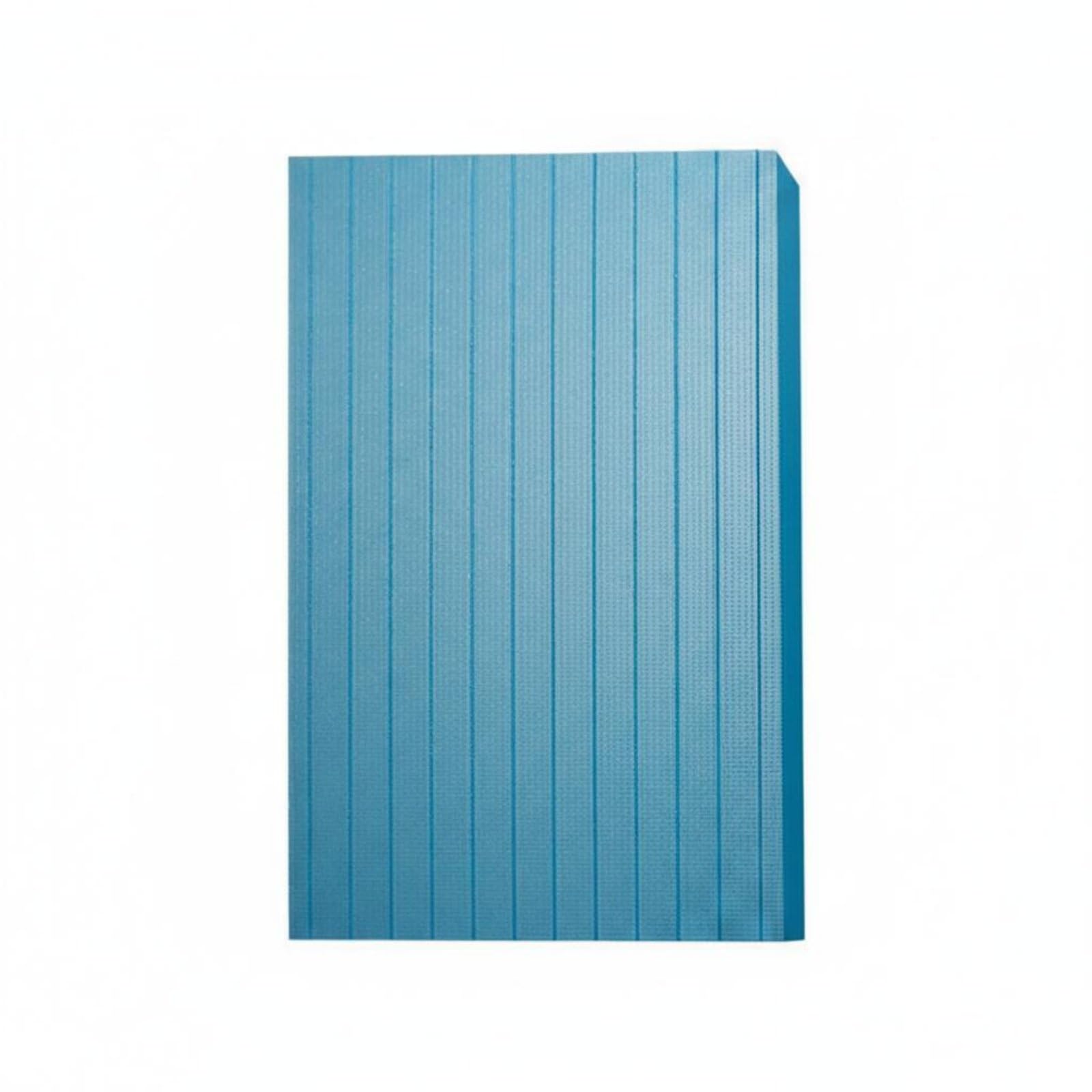
This is the only true board in the lineup. Extruded polystyrene gives it a closed-cell structure that resists moisture and holds up under pressure, which is exactly what a damp concrete floor needs. At 3 cm thick and 60 x 120 cm per panel, it delivers real conductive insulation rather than a reflective surface alone, and it can sit under a screed or floating floor as a load-bearing layer. Panels butt together tightly and cut cleanly for edges and pipe penetrations. It is the pick for a basement or slab that stays cold and slightly wet.
Trade-off: Rigid panels cost more per square foot than foil rolls and need a full subfloor or topping layer over them before the room is usable.
Who It Suits: Homeowners finishing a damp basement or insulating a slab before laying flooring. It is not for a quick cosmetic fix or a renter who cannot alter the floor build-up.
5. MRPAPA Double Reflective Insulation Foam
Type: Double reflective bubble insulation
Thickness: Bubble core, foil both sides
Width: 48 in
Length: 10 ft
Rating: B2 fireproof
Best For: Windows and fast heat blocking

The MRPAPA roll sandwiches a bubble core between two reflective foil faces, giving it more trapped air than a flat foam sheet. That double-sided construction blocks radiant heat in both directions, so it works on a cold floor edge, a window or a wall without worrying which face points where. The 48-inch width and 10-foot length cover a useful area, and the B2 fireproof rating adds peace of mind indoors. It is the most versatile of the budget rolls and the easiest to tape into place.
Trade-off: Bubble insulation compresses under weight, so it belongs around the perimeter and on vertical surfaces, not beneath furniture or foot traffic.
Who It Suits: Renters and quick-fix buyers sealing cold at windows, doors and floor edges. It is not for a structural floor build-up.
Before You Buy
- Material: Foil radiant barriers reflect heat; extruded polystyrene blocks conductive cold. A cold, damp slab needs the rigid board, not foil alone.
- Thickness: Thin 3 mm rolls save space but add little R-value. The 3 cm panel is the only pick here built for real thermal resistance.
- Coverage: Measure the floor area first. A 16-inch by 10-foot roll covers a patch; a 48-inch by 50-foot roll covers a room.
- Load Bearing: Only the extruded polystyrene panel tolerates pressure. Foil and bubble rolls need a subfloor over them.
- Moisture: Damp floors call for closed-cell foam. Foil-faced rolls should not be trapped against wet concrete.
- Installation: Self-adhesive and staple-friendly rolls suit DIY; rigid panels need cutting tools and a topping layer.
- Fire Rating: Check the rating on any roll used indoors, especially near habitable rooms.
Frequently Asked Questions
-
What is the best insulation board for a cold concrete floor?
Extruded polystyrene rigid board is the strongest choice because it resists moisture and pressure. Foil rolls work as a supplement at edges and joists. -
Can foil insulation go directly under a cold floor?
Yes, as a radiant barrier facing the warm side, but it adds little thickness. A rigid board is needed for meaningful conductive insulation. -
How thick should floor insulation be?
Thicker boards resist more heat loss. The 3 cm panel here is a practical middle ground; thinner 3 mm rolls are for reflective control, not bulk insulation. -
Does reflective insulation work in a basement?
It helps against radiant heat loss and drafts, but damp basements benefit most from a closed-cell rigid board laid before the finished floor. -
Can these rolls be used on walls and ceilings too?
Yes. The foil and bubble rolls are rated for walls, ceilings, attics and outbuildings as well as floors. -
Do rigid foam panels need a subfloor on top?
Yes. The panels protect against cold and moisture but need a floating floor or screed over them before the room can be walked on.
Bottom Line
For a genuinely cold, damp floor, the Insulation Board with Foam Rigid Panel Structure is the top pick: extruded polystyrene delivers real conductive insulation and handles moisture and pressure that foil rolls cannot. Buyers covering a large area on a budget should choose the Houseables Radiant Barrier for its 48-inch by 50-foot coverage. Small patch jobs and perimeter sealing are best served by the SmartSHIELD or BXI rolls.
