Why there are Amazon links here: Brave Review is paid a commission for qualifying Amazon purchases made through the links below. Your price does not change, and using our links is entirely optional. How this works
Best Battery Life in Cold Weather: 5 Picks That Keep Power Flowing
Cold weather is brutal on batteries. Lithium chemistry holds up far better than alkaline in freezing temperatures, and a few accessories can stretch runtime even further. This guide covers five picks for three buyer types: someone stocking small electronics and remotes, an off-grid or RV user who needs a deep-cycle bank that survives winter, and anyone who works or plays outdoors and wants warmth on demand. The overview table below shows each pick at a glance; full reviews follow.
Overview of the Picks
| Product | Key Spec | Best Use | Price Tier |
|---|---|---|---|
| Kat’s 22200 80 Watt 36" Battery Thermal Wrap | 80-watt, 36-inch wrap | Keeping a vehicle battery warm in freezing temps | Budget |
| Energizer Ultimate Lithium AA Batteries (4 Pack) | 1.5V lithium, 4 pack | Small electronics in sub-zero conditions | Budget |
| Energizer Ultimate Lithium AAA Batteries (8 Pack) | Lithium AAA, 8 pack | Remotes, headlamps, compact devices | Budget |
| Redodo 12V 100Ah LiFePO4 Self-Heating Battery | 100A BMS, low-temp charging to -4°F | RV, solar, and off-grid cold-climate banks | Premium |
| Heated Jacket for Men with 16000mAh Battery Pack | 15 heating zones, 3 levels | Outdoor work, cycling, snowboarding | Mid-Range |
Kat’s 22200 80 Watt 36" Battery Thermal Wrap (22200X)

Kat’s 22200 80 Watt 36" Battery Thermal Wrap (22200X)
Type: Battery thermal wrap
Wattage: 80 watts
Length: 36 inches
Intended use: Vehicle battery warming in cold weather
Power source: Wired electrical
This wrap is built to keep a vehicle battery from losing cranking power on frigid mornings. The 80-watt element and 36-inch length are sized for a standard car or truck battery, wrapping around the case to hold heat where it matters. It is a targeted fix for one specific cold-weather problem rather than a general-purpose accessory.
It suits drivers in hard-winter climates who park outside overnight and have been fighting slow starts. The trade-off: it needs a power source to run, so it is not a standalone solution for a vehicle parked far from an outlet.
Trade-off: A wired wrap only helps where an outlet is reachable, which rules out remote trailheads and unpowered storage lots.
Check the current price on Amazon
Energizer Ultimate Lithium AA Batteries (4 Pack), 1.5V Lithium Double A Batteries
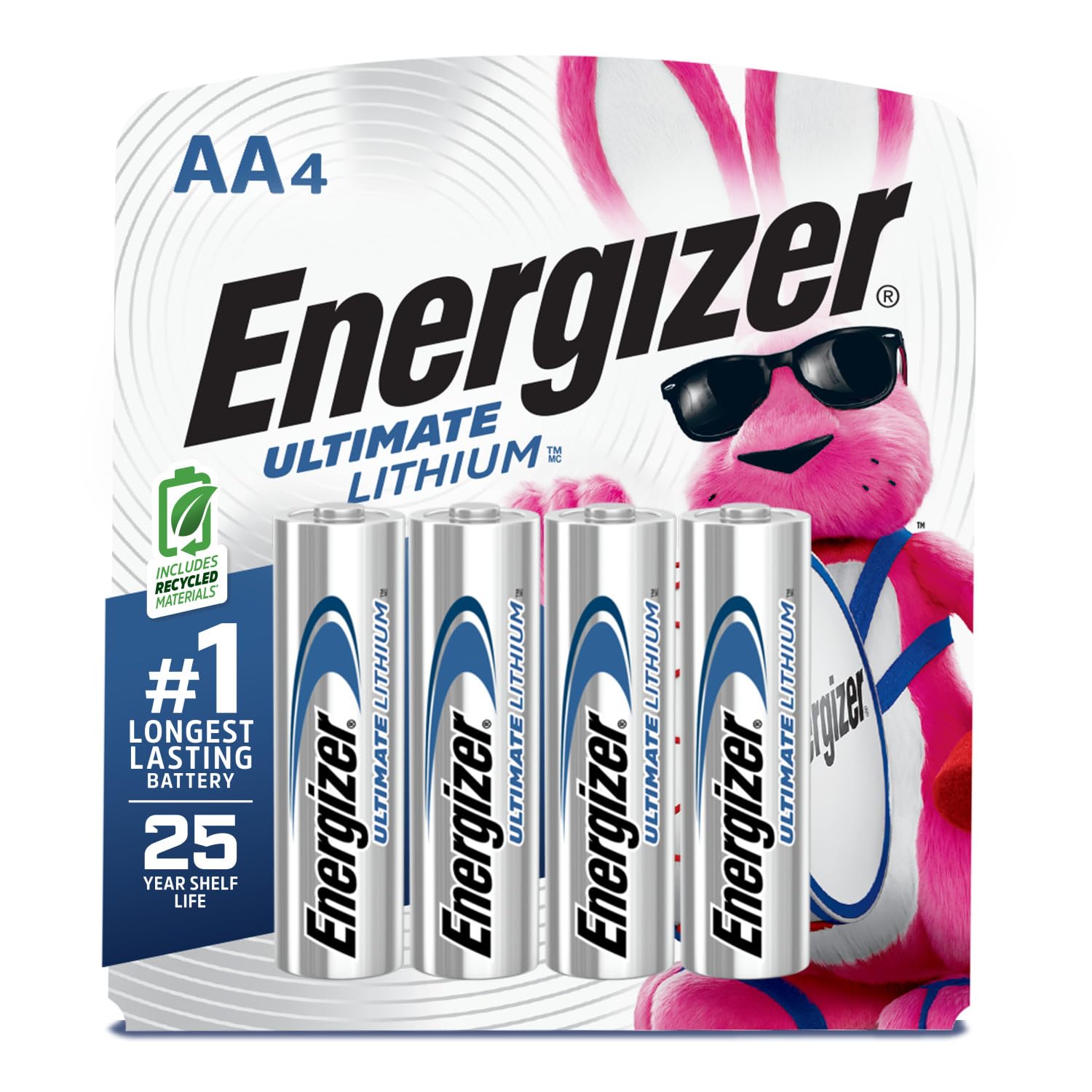
Energizer Ultimate Lithium AA Batteries (4 Pack), 1.5V Lithium Double A Batteries
Chemistry: Lithium
Voltage: 1.5V
Size: AA
Pack count: 4
Intended use: Small electronics in cold conditions
Lithium AA cells are the simple answer to winter battery drain in small devices. Unlike alkaline cells, which lose voltage quickly as temperatures fall, lithium chemistry keeps delivering in freezing conditions. This four-pack covers a handful of devices without committing to a bulk box.
It suits anyone running headlamps, GPS units, cameras, or trail cams through winter. The trade-off is cost per cell: lithium runs higher than standard alkaline, so it makes the most sense for devices that actually see cold or need long shelf life.
Trade-off: The higher per-cell price makes these a poor fit for high-drain devices used indoors where alkaline would do.
Check the current price on Amazon
Energizer Ultimate Lithium AAA Batteries (8 Pack), Lithium Triple A Batteries

Energizer Ultimate Lithium AAA Batteries (8 Pack), Lithium Triple A Batteries
Chemistry: Lithium
Voltage: 1.5V
Size: AAA
Pack count: 8
Intended use: Compact electronics in cold conditions
The AAA version covers the smaller devices that still need to work when the temperature drops — bike lights, small flashlights, remote controls, and compact meters. The eight-pack gives more spares for devices that eat cells quickly. Same lithium chemistry, same cold-weather advantage.
It suits buyers who already run AAA-powered gear and want one reliable cold-weather cell on hand. The trade-off is the same as the AA pack: premium pricing means these are best reserved for cold-exposed or long-storage devices.
Trade-off: Buyers with only occasional cold-weather use may find standard cells cheaper for the same job.
Check the current price on Amazon
Redodo 12V 100Ah LiFePO4 Self-Heating Group 31 Deep Cycle Battery

Redodo 12V 100Ah LiFePO4 Self-Heating Group 31 Deep Cycle Battery
Chemistry: LiFePO4
Capacity: 100Ah
BMS: Built-in 100A
Cycle life: 4000+ cycles
Low-temp charging: Down to -4°F
Configuration: Max 4P4S
Intended use: RV, solar, off-grid in cold areas
This is the serious cold-weather pick for anyone building or upgrading a battery bank. LiFePO4 chemistry is already more stable in cold than lead-acid, and the self-heating function lets the battery accept a charge at temperatures where standard lithium would need to wait. The 100A BMS protects the cells, and the 4000+ cycle rating points to a long service life.
It suits RV owners, solar setups, and off-grid cabins in cold regions where charging in winter is the real bottleneck. The trade-off is upfront cost and weight — this is a premium, heavy battery that needs a proper installation and mounting plan.
Trade-off: The premium price and Group 31 bulk make this overkill for small, occasional, or warm-climate setups.
Check the current price on Amazon
Heated Jacket for Men with 16000mAh Battery Pack Winter Coat
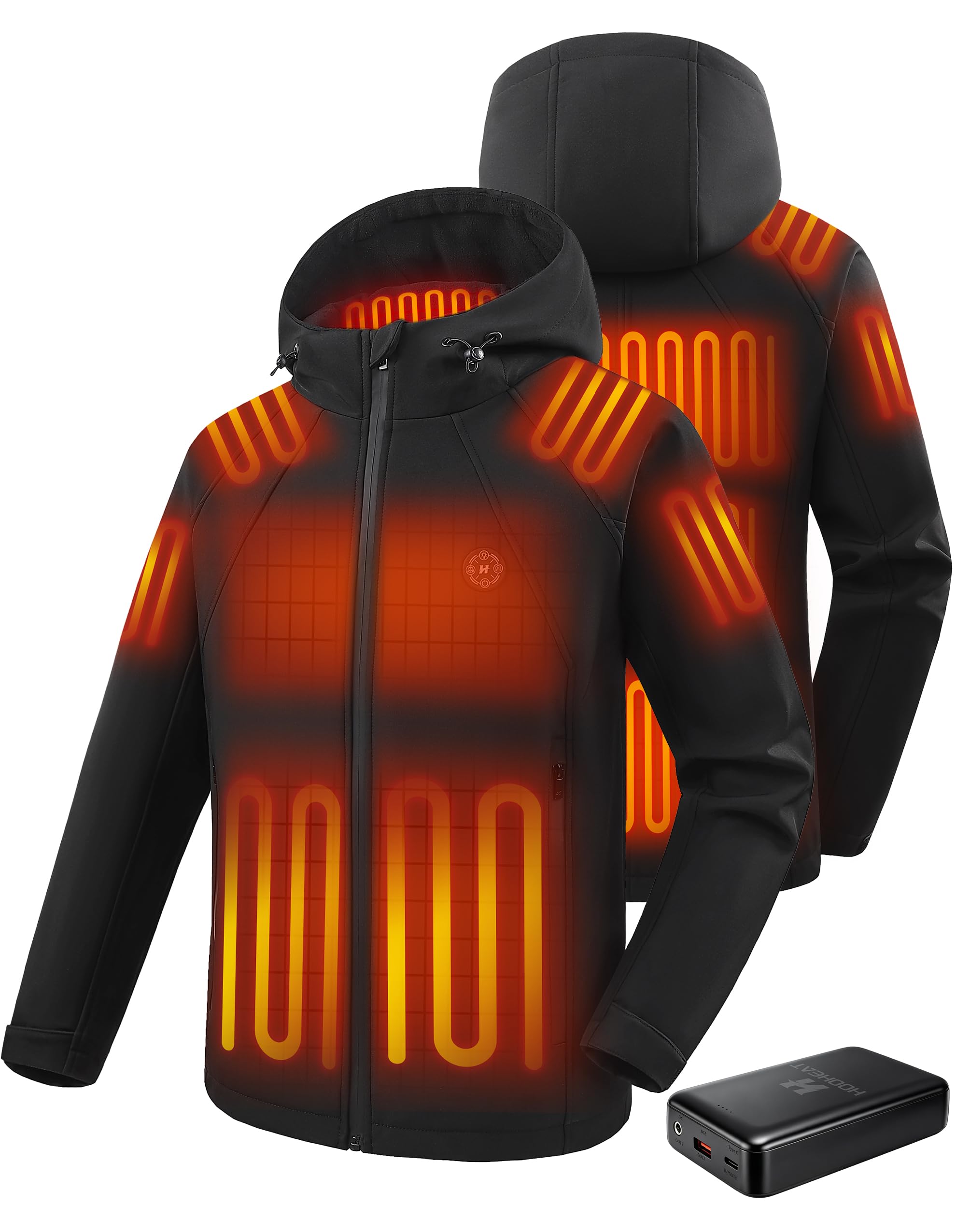
Heated Jacket for Men with 16000mAh Battery Pack Winter Coat
Heating zones: 15
Heat levels: 3
Lining: Fleece
Design: Hooded
Battery: 16000mAh pack
Care: Machine washable
Intended use: Cycling, snowboarding, outdoor work
This jacket puts the battery where the body needs it most — as distributed warmth rather than a single hot patch. Fifteen heating zones and three levels give fine control, the fleece lining adds passive insulation, and the hooded design covers the neck and head. The 16000mAh pack is the runtime backbone, and machine washability keeps maintenance simple.
It suits outdoor workers, winter cyclists, and snowboarders who want adjustable warmth without bulk. The trade-off is weight and charging routine: the battery pack adds heft, and the jacket is only as warm as a charged pack allows.
Trade-off: Relying on a battery pack means the jacket’s heat ends when the charge does, so a spare or a charging plan matters on long days out.
Check the current price on Amazon
Before You Buy
- Chemistry: Lithium cells outperform alkaline in freezing temperatures; LiFePO4 is the robust choice for deep-cycle banks.
- Low-temperature charging: A self-heating battery can accept a charge below freezing, but standard lithium should not be charged cold.
- Power source: Wired wraps need an outlet; battery packs need charging; plan around available power.
- Compatibility: Match cell size (AA vs AAA) and battery group size to the device or installation.
- Capacity vs. weight: Larger packs and batteries mean longer runtime but more bulk to carry or mount.
- Care: Confirm washability for wearable gear and follow the maker’s guidance for battery storage.
- Storage: Store lithium cells and packs at moderate temperatures to protect capacity over the off-season.
Frequently Asked Questions
- Why does battery life drop in cold weather? Cold slows the chemical reaction inside a battery, so voltage sags and runtime falls — lithium chemistry resists this better than alkaline.
- Are lithium AA and AAA batteries worth it in winter? For devices used outdoors or stored in the cold, yes; lithium holds voltage where alkaline fades.
- Can a LiFePO4 battery charge below freezing? Only with a self-heating function, like the Redodo unit rated for low-temp charging to -4°F; standard lithium should wait for warmer conditions.
- Does a battery thermal wrap work on any vehicle? It fits standard car and truck batteries, but it needs a reachable power source to run.
- How long does a heated jacket’s battery last? Runtime depends on the heat level and the 16000mAh pack’s charge; higher levels drain faster.
- What is the single best upgrade for cold-weather battery life? Switching small devices to lithium cells and choosing a self-heating battery for deep-cycle banks covers most cold-weather needs.
Bottom Line
For most buyers, the fastest cold-weather fix is the Energizer Ultimate Lithium AA Batteries — cheap, simple, and effective in the devices that matter most. Off-grid and RV users should step up to the Redodo 12V 100Ah LiFePO4 Self-Heating Battery for a bank that charges through winter.