Why there are Amazon links here: Brave Review is paid a commission for qualifying Amazon purchases made through the links below. Your price does not change, and using our links is entirely optional. How this works
Shark Navigator AV2110S: LiDAR Mapping Meets a Self-Emptying Base
The Shark Navigator AV2110S is a robot vacuum built for households that want hands-off floor care without paying flagship prices. It combines LiDAR mapping, app control, anti-hair wrap, and a base that holds debris for up to 30 days. This review covers what the machine is built to do, where it fits in a home, and which buyers should look elsewhere.
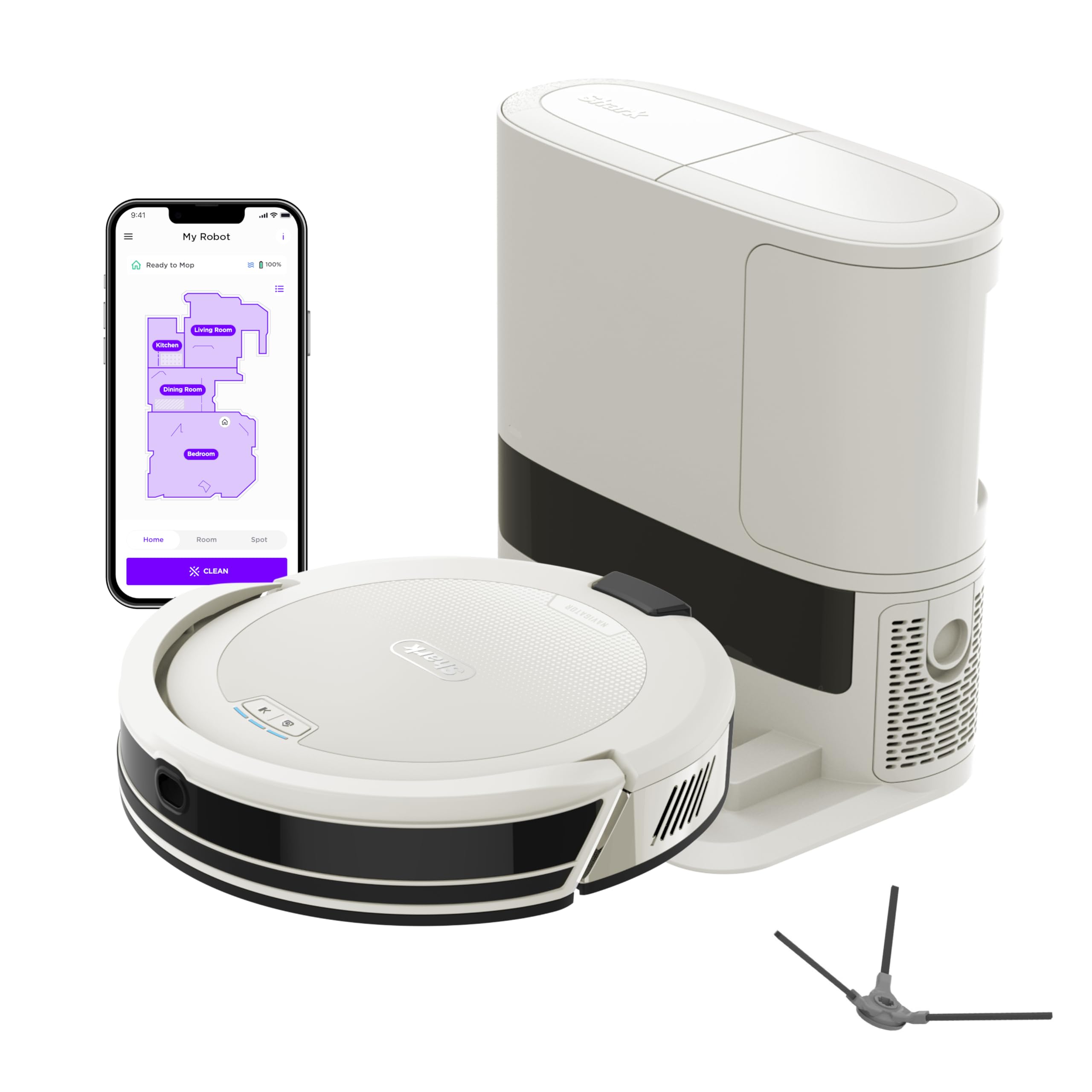
Features and Specifications
Type: Robot vacuum with self-emptying base
Navigation: SharkSmartPath with LiDAR mapping
Cleaning Surfaces: Carpet, hard floors, pet hair
Suction: Powerful suction with anti-hair wrap
Connectivity: Wi-Fi and app control
Base Capacity: Up to 30 days of self-emptying
Color: White
The headline feature is the combination of LiDAR mapping and a self-emptying base at a mid-range price. LiDAR uses a spinning sensor to build a map of the floor plan, which lets the robot plan routes instead of wandering randomly. That matters in multi-room homes where a random-path vacuum wastes battery and misses corners.
The 30-day base changes the maintenance rhythm. Instead of emptying a small onboard bin after every run, the robot docks and transfers debris into a larger bag or container. For a busy household, that turns a daily chore into a monthly one.
Build and Navigation
LiDAR mapping is the feature that separates this model from entry-level robots. A robot that maps the home can clean in systematic rows, return to its dock without getting lost, and support room-by-room scheduling in the app. The SharkSmartPath branding points to route planning rather than bump-and-run navigation.
The trade-off with LiDAR towers is height. A robot with a raised sensor turret needs clearance under low furniture, so buyers with very low sofas or cabinet toe-kicks should measure before committing. The white finish also shows scuffs and pet hair on the housing more than darker shells do.
Power and Floor Types
The name lists carpet, hard floors, and pet hair as targets, and the suction is described as powerful. That combination suits homes with a mix of flooring rather than all-hardwood apartments. Carpet needs stronger airflow to pull embedded debris, and the anti-hair wrap feature addresses the tangle problem that plagues roller brushes in pet homes.
Anti-hair wrap is not a guarantee. Long human hair and dense pet fur can still wrap around brush ends over time, so periodic inspection is sensible. Buyers with very high-pile carpet should also temper expectations, since most robot vacuums at this tier struggle with deep shag.
App Control and Scheduling
Wi-Fi and app control put scheduling, zone cleaning, and run monitoring on a phone. Mapping data feeds the app, which is what makes per-room cleaning possible. Homes with guests, pets, or varying schedules benefit from setting no-go zones and room-specific runs.
App ecosystems are where mid-range robots often show their limits. Setup can require a stable 2.4 GHz network, and firmware updates occasionally reset preferences. Buyers who dislike app-dependent devices should weigh that against the convenience.
Maintenance and the Self-Emptying Base
The 30-day self-emptying base is the biggest labor saver in the package. Debris transfers from the robot’s bin into the base, so the owner handles waste roughly once a month instead of after every clean. That interval assumes normal household debris, not renovation dust or heavy shedding seasons.
The base itself needs care. Bags or containers must be replaced or emptied, the docking contacts need occasional cleaning, and the base takes up floor space against a wall. Buyers in small apartments should confirm there is a spot for it near an outlet and Wi-Fi coverage.
Trade-off: The self-emptying base adds bulk and ongoing bag or container costs, and the LiDAR turret limits clearance under very low furniture.
Check the current price on Amazon
Who the Shark Navigator AV2110S Suits
This robot fits households with a mix of carpet and hard floors, at least one shedding pet, and a willingness to run an app. The self-emptying base rewards people who travel, work long hours, or simply dislike daily bin duty. It also suits buyers who want mapped navigation without flagship pricing.
It does not suit everyone. Homes with very low furniture clearance may find the LiDAR turret blocks access to favorite spots. Buyers on tight budgets who do not mind emptying a bin manually can spend less. And anyone who wants a robot to handle deep shag or heavy debris should look at a higher tier.
Bottom Line
The Shark Navigator AV2110S earns its place as a mid-range pick by bundling LiDAR mapping, anti-hair wrap, and a 30-day self-emptying base into one package. It is the right choice for pet owners with mixed flooring who want scheduled, hands-off cleaning. Buyers should confirm furniture clearance and accept the base’s footprint before ordering.
