Why there are Amazon links here: Brave Review is paid a commission for qualifying Amazon purchases made through the links below. Your price does not change, and using our links is entirely optional. How this works
Best Cold Weather Alarm for a Mobile Home: 5 Picks That Warn Before the Pipes Freeze
A mobile home loses heat fast, and the damage from a single hard freeze can run into the thousands. The right alarm tells the owner about dropping temperatures, a power outage or a storm while there is still time to act. This guide covers five devices, each suited to a different situation: the budget watcher who just wants a loud temperature warning, the remote owner who needs phone notifications, and the household that wants storm alerts alongside temperature data. The overview table below shows every pick at a glance; the reviews that follow explain the fit for each one.
The Picks at a Glance
| Product | Key Spec | Best Use | Price Tier |
|---|---|---|---|
| Newentor Weather Station Wireless Indoor Outdoor Thermometer | Color display, atomic clock, barometric pressure, 1 sensor | Whole-home temperature and forecast tracking | Budget |
| Temperature Warning Light | Simple warning light | Basic cold-temperature alert | Mid |
| Remote Temp Monitoring System | No WiFi required, real-time app notifications, cellular | Remote monitoring of an empty mobile home | Premium |
| Midland WR120B NOAA Emergency Weather Alert Radio | 60+ emergency alerts, trilingual display | Storm and emergency alerts | Mid |
| Wireless Outdoor Weather Resistant Motion Sensor and Driveway Alarm | 1/2 mile range, 1 receiver, 2 sensors | Property and entry monitoring | Budget |
1. Newentor Weather Station Wireless Indoor Outdoor Thermometer

Display: Color digital
Sensors: One wireless outdoor sensor
Extras: Atomic clock, barometric pressure, forecast station
Backlight: Adjustable
Color: Black
Best Use: Indoor/outdoor temperature tracking
This is the entry point into cold weather monitoring. The Newentor station pairs a color display with one wireless outdoor sensor, so the indoor reading and the outside temperature sit side by side on the same screen. The barometric pressure reading and forecast function add a rough heads-up before a cold front arrives, and the atomic clock keeps the time accurate without manual resets. The adjustable backlight makes the display readable at night, which matters when a temperature check happens at 2 a.m.
The unit suits a mobile home owner who wants to see conditions at a glance from the kitchen or living room, without a phone app or a subscription. It is the cheapest way to get a continuous indoor and outdoor temperature readout in one place. The catch is that this is a display, not an alarm system: it shows the temperature but does not call a phone or wake the household with a dedicated cold alert.
Trade-off: The station reports conditions but does not push notifications, so it only helps someone who is present and looking at the screen.
Who it is not for: A household that leaves the mobile home empty for weeks at a time will get little from a display-only station.
2. Temperature Warning Light

Type: Temperature warning light
Function: Visual cold alert
Best Use: A visible warning when temperature drops
This is the simplest device in the roundup and, for some owners, the right one. A temperature warning light is built around a single job: light up when conditions get cold enough to matter. There is no screen to read, no app to configure and no forecast to interpret. That makes it a good fit for a utility room, a crawlspace or any spot where a quick visual check is easier than reading a display.
It suits the owner who wants a low-fuss, always-on visual cue and is prepared to check it regularly. The caution is inherent to the design: a light only works if someone sees it, and it gives no warning to a phone or a remote location. At its price point, it is also a single-purpose device compared with a full weather station.
Trade-off: A visual-only alert depends on someone being on site to notice it, and it offers no remote or audible backup.
Who it is not for: Remote owners and anyone who wants phone alerts should look at the cellular monitor below.
3. Remote Temp Monitoring System (No WiFi Required)
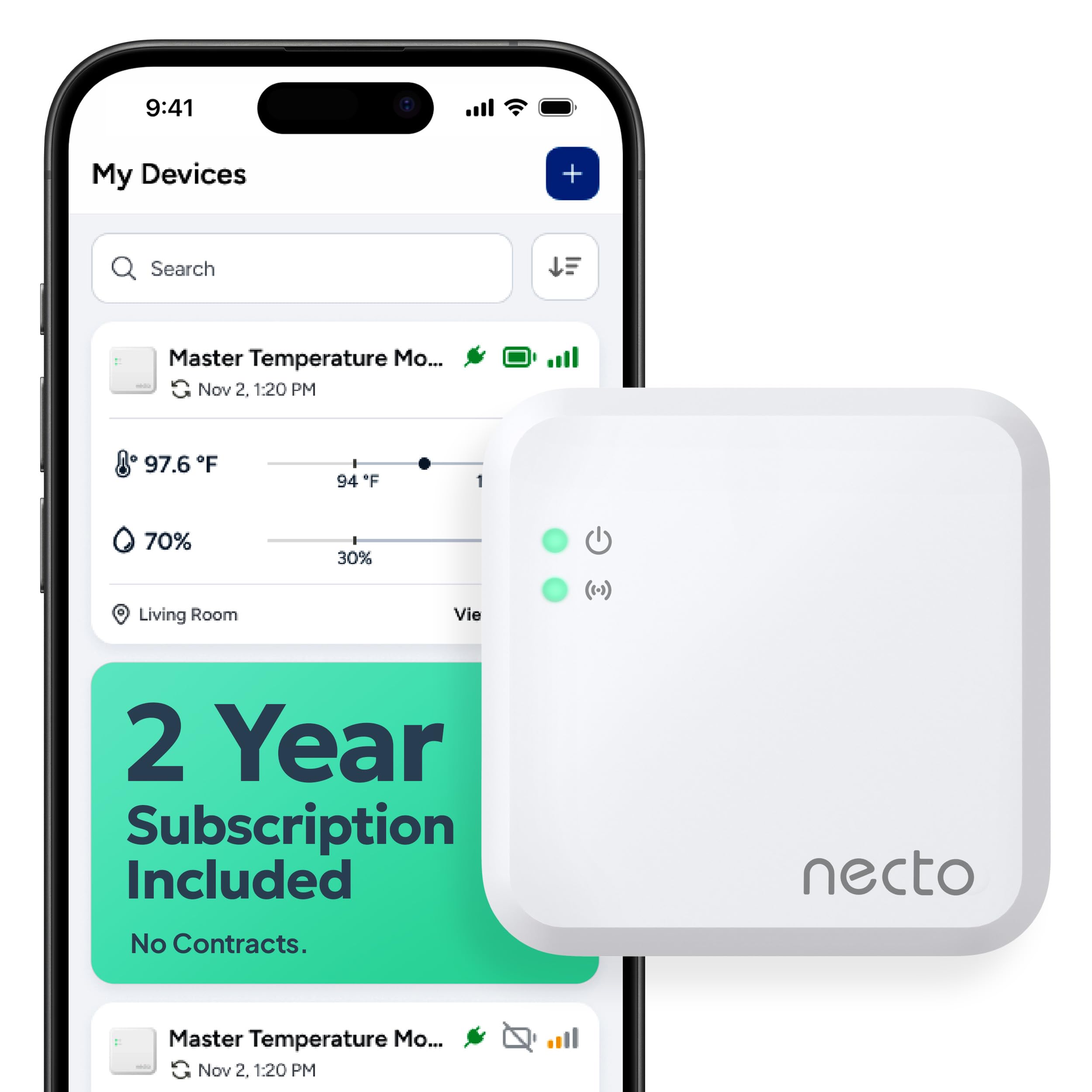
Connectivity: Cellular, no WiFi required
Notifications: Real-time app alerts
Sensors: Temperature and humidity
Extras: Power outage alarm
Best Use: RV, vacation home and remote property monitoring
This is the pick built for the owner who is not there. The system runs on a cellular connection rather than WiFi, so it keeps reporting even when the home’s internet is down or was never set up. Real-time app notifications deliver temperature and humidity readings to a phone, and the power outage alarm catches the scenario that matters most in a cold snap: the heat goes off and nobody knows. The name lists RV, pet, car, vacation home and server room as intended uses, and a mobile home fits the same remote-monitoring profile.
It suits the snowbird owner, the landlord between tenants and anyone who leaves a manufactured home unattended through winter. The trade-off is cost and dependence on a cellular signal: this is the premium pick in the group, and a location with weak coverage will not get the full benefit.
Trade-off: The highest price here buys cellular independence, but the system still needs a usable cellular signal and an ongoing plan to stay useful.
Who it is not for: A household that is always occupied and wants a simple on-site readout will be overpaying for remote features it will not use.
4. Midland WR120B NOAA Emergency Weather Alert Radio

Alerts: 60+ emergency alerts
Programming: Localized by area
Display: Trilingual
Tone: Selectable alert tone
Extras: Alarm function
Best Use: Storm and emergency warnings
A cold weather alarm is not only about temperature. Mobile homes sit exposed to wind, ice and winter storms, and this Midland radio covers that half of the risk. It pulls in NOAA emergency broadcasts, filters them by localized programming so the household hears alerts for its own area, and displays them in three languages. The selectable alert tone lets the owner choose a sound that cuts through, and the alarm function adds a standard wake-up or reminder role.
It suits a household that wants official storm warnings from the same device that runs on the nightstand or kitchen counter. The radio does not measure indoor temperature, so it complements rather than replaces a thermometer. Reception also depends on NOAA signal strength at the location, which is a real variable in rural areas.
Trade-off: The radio delivers official weather alerts but no indoor temperature or freeze detection, so it needs a partner device for cold-specific protection.
Who it is not for: An owner looking for a single device that both reads indoor temperature and warns of a freeze will need a second unit alongside it.
5. Wireless Outdoor Motion Sensor and Driveway Alarm

Range: 1/2 mile
Components: 1 receiver, 2 sensors
Sensors: Wireless, weather resistant
Setup: DIY
Best Use: Driveway, entry and property monitoring
Winter brings its own security concerns to a rural or semi-rural mobile home, and this kit addresses them. Two weather-resistant wireless sensors pair with a single receiver over a long 1/2 mile range, so a driveway, a side yard and a back door can all be covered from inside the house. The DIY setup means no wiring run and no installer, which suits the owner who wants a working alert system in an afternoon.
It suits a household that wants to know when someone or something approaches the property, especially during dark winter evenings. It is not a temperature device at all, so it belongs in this roundup only as a companion to the cold-weather picks. The sensors are battery-powered, which means periodic battery checks in freezing conditions.
Trade-off: This is a security and entry alert, not a freeze alarm, and battery-powered sensors need routine checks to stay reliable in cold weather.
Who it is not for: An owner shopping purely for temperature or freeze protection should skip this one and choose from the other four.
Before You Buy
- Power source: Confirm whether the device runs on batteries, mains power or both. A freeze alarm is useless if the power outage that threatens the pipes also kills the alarm.
- Connectivity: Decide whether WiFi, cellular or no connection is needed. Cellular is the only option that survives a home internet outage.
- Alert type: Match the warning style to the household: a visual light, an audible alarm, a phone notification or a NOAA broadcast.
- Placement: A mobile home has thin walls and separate zones. Check the sensor range and whether the outdoor sensor can reach the receiver.
- Coverage: A single indoor sensor may not represent a far bedroom or a utility closet. Consider how many zones need monitoring.
- Backup behavior: Check what the device does when power drops, and whether it retains settings after an outage.
- No subscription surprises: Some remote monitors require a service plan; confirm the ongoing cost before committing.
Frequently Asked Questions
-
What is the best cold weather alarm for a mobile home overall?
The Remote Temp Monitoring System is the strongest choice for anyone who is not always on site, because cellular notifications and a power outage alarm cover the two biggest freeze risks. An occupied home can start with the Newentor weather station for a fraction of the cost. -
Will a WiFi monitor work in a mobile home?
It will, but only while the home’s internet and power are up. A freeze that knocks out power also kills the router, which is why a cellular monitor or a battery-backed alarm is safer for winter. -
Do I need both a temperature alarm and a weather radio?
They cover different risks. A temperature device warns about indoor cold and pipe freeze; a NOAA radio warns about storms, ice and official emergencies. Many owners use both. -
How many sensors does a mobile home need?
One indoor sensor in the main living area covers the basics. A larger or split-floor home may need a second sensor for a far bedroom or utility room where pipes run. -
Can a driveway alarm help in winter?
It can. The wireless motion kit adds entry and property awareness during dark evenings, though it does nothing for temperature. It is a companion device, not a freeze alarm. -
What should a buyer check before ordering?
Power source, connectivity type, alert method, sensor range and any subscription requirement. Those five details decide whether a device actually protects an empty mobile home.
Bottom Line
For most mobile home owners, the safest single purchase is the Remote Temp Monitoring System, because cellular alerts and a power outage alarm keep working when the home’s own power and internet do not. A household that stays put through winter can save money with the Newentor weather station and add the Midland NOAA radio for storm coverage. Choose based on whether someone is home when the temperature drops.
