Why there are Amazon links here: Brave Review is paid a commission for qualifying Amazon purchases made through the links below. Your price does not change, and using our links is entirely optional. How this works
Best Draught Proofing for a Bay Window in a Period Cottage
Bay windows are the coldest, draughtiest feature in most period cottages: three sides of glass, old timber frames that have moved over a century, and sash or casement gaps that no modern seal fits cleanly. This short roundup covers the best draught proofing for a bay window in a period cottage, with five picks matched to different jobs — foam tape for uneven frame gaps, brush-style flap seals for sliding sashes, slim silicone strip for tight closures, clear barrier tape for the glass and frame join, and a heavier silicone profile for worn side gaps.
The picks suit three kinds of buyer: the weekend DIYer sealing a whole bay in an afternoon, the owner of a listed or heritage property who needs reversible, low-impact options, and anyone who wants a cheap fix before winter rather than a full joinery job. The overview below shows each pick at a glance so a decision can be made in under a minute.
Overview of the Picks
| Product | Key Spec | Best Use | Price Tier |
|---|---|---|---|
| 33FT EVA Foam Weather Stripping Door Seal | 33 ft roll, self-adhesive EVA foam | Wide, uneven frame gaps | Budget |
| Alien Draft Seal Set of 49 Feet | 49 ft adhesive flexible flap | Sliding sashes and door-style gaps | Budget |
| Strong Self-Adhesive Grey Weather Stripping | 65 ft total, 0.35 in wide, 0.2 in thick | Slim gaps around window closures | Budget |
| Window Sealing Tape, 2 in x 33 FT, 20 Mil | 20 mil clear barrier tape | Glass-to-frame joins and seasonal sealing | Mid |
| Silicone Seal Strip, 1.4 in | 1.4 in silicone collision/side strip | Worn side gaps and collision points | Mid |
1. 33FT EVA Foam Weather Stripping Door Seal
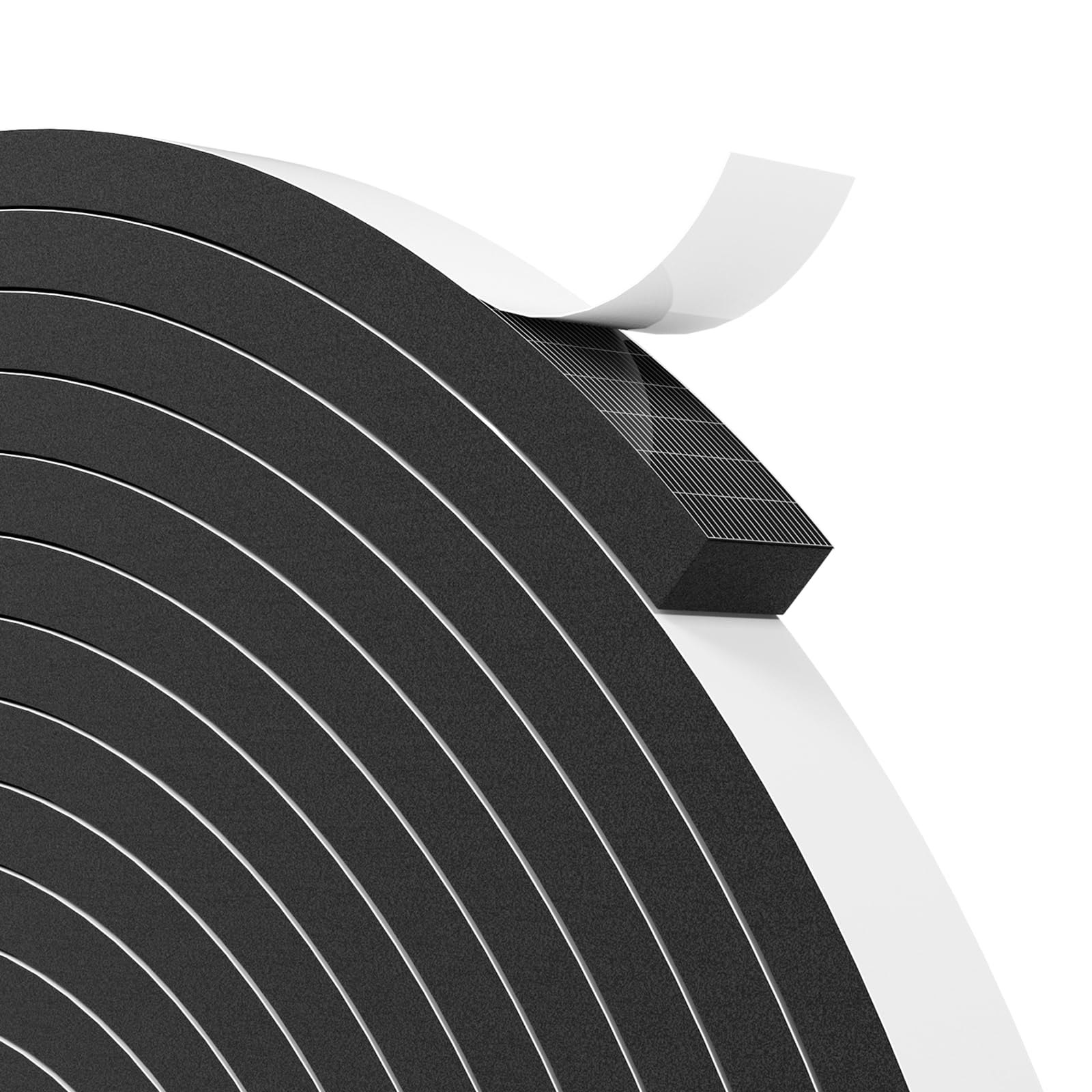
Material: EVA foam
Type: Self-adhesive weatherstrip tape
Length: 33 ft
Intended use: Door frames and window gaps
Extras: Soundproof insulation
EVA foam is the classic first tool for a period bay because it compresses into gaps that are not a consistent width — the sort of wavy, hand-cut frame a cottage bay usually has. The roll is long enough to run around several window sections, and the self-adhesive backing means it can be fitted without tools or fixings, which matters where drilling into old timber is best avoided. Foam also takes up some sound, so a bay on a village road gets a small acoustic benefit alongside the draught reduction.
It suits the DIYer sealing a whole bay in one session and anyone who wants a cheap, reversible fix. The caution is that foam tape is a gap-filler, not a precision seal: on a bay with very tight or very deep gaps it can look bulky, and the adhesive backing is only as good as the surface it is pressed onto, so dusty or damp old paint will need cleaning first.
Trade-off: Foam is bulky and short-lived on surfaces that flex or get painted over, so it is a seasonal fix rather than a permanent one.
Who it is not for: Buyers wanting an invisible seal on a heritage frame with fine, shallow gaps.
2. Alien Draft Seal Set of 49 Feet

Type: Adhesive flexible flap draft seal
Length: 49 ft
Intended use: Doors and windows
Application: Self-adhesive
Format: Set
A flexible flap works differently from foam: instead of filling a gap, it lies over it and bends as the sash or casement moves, which is exactly what a sliding bay sash needs. The 49 ft set covers a lot of linear gap, enough for a three-section bay plus a door, and the flap format copes with the slight in-and-out movement of old sliding sashes better than a rigid strip. It is the pick for anyone sealing the moving part of a window rather than the static frame.
It earned its place as the most versatile option for sash windows and cottage doors alike. The caution is that a flap seal needs a clean, dry, flat landing surface to stick to, and on a bay frame with flaking paint or a rough rebate the adhesive can lift at the ends; it is also more visible than a slim strip when the window is open.
Trade-off: The visible flap and adhesive-dependent fixing make it a poor match for fine heritage joinery and rough, unpainted timber.
Who it is not for: Owners of listed properties who need a completely concealed seal.
3. Strong Self-Adhesive Grey Weather Stripping, 65 Ft
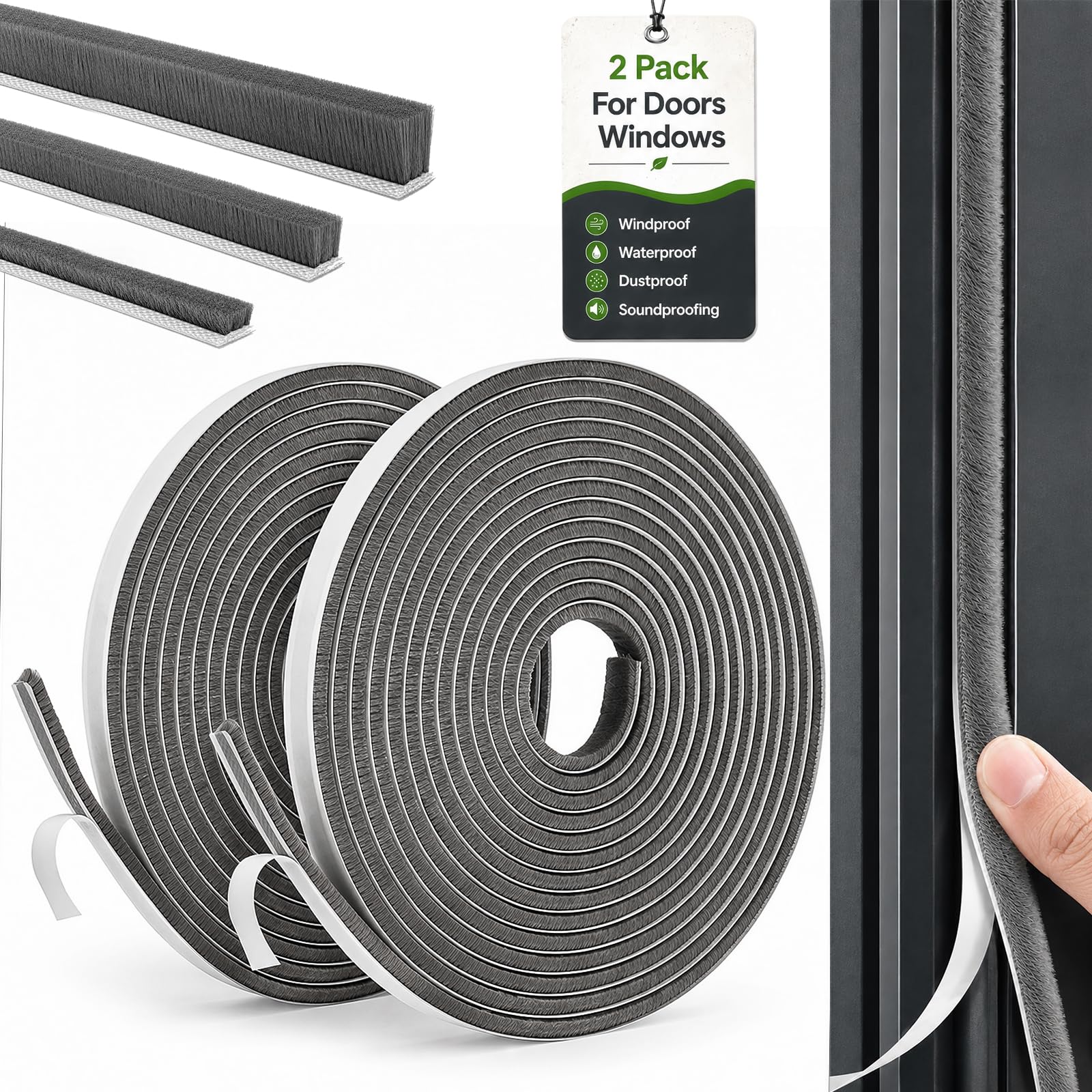
Width: 0.35 in
Thickness: 0.2 in
Length: 65 ft total, two-pack
Colour: Grey
Intended use: Window and door seals, draught and dust blocking
Type: Self-adhesive strip
This is the slim-gap specialist: a narrow, thin strip that closes the small, even gaps around a window that has been well looked after but still whistles. The grey colour disappears against weathered timber far better than white foam, and the two-pack gives enough length to redo a bay plus spares for next season. It is the neatest-looking option here for buyers who care how the seal reads against an old frame.
It suits the cottage owner with a bay that is structurally sound but slightly loose at the closure, and anyone who wants a low-profile result. The caution is that a thin strip has little compression range — it will not bridge a wide or uneven gap, and on a frame that has warped it may only seal part of the opening, leaving the worst corners untouched.
Trade-off: The narrow profile and limited thickness mean it only solves small, uniform gaps, not the wide seasonal movement of an old bay.
Who it is not for: Buyers with visibly warped sashes or gaps wider than a few millimetres.
4. Window Sealing Tape, 2 in x 33 FT, 20 Mil
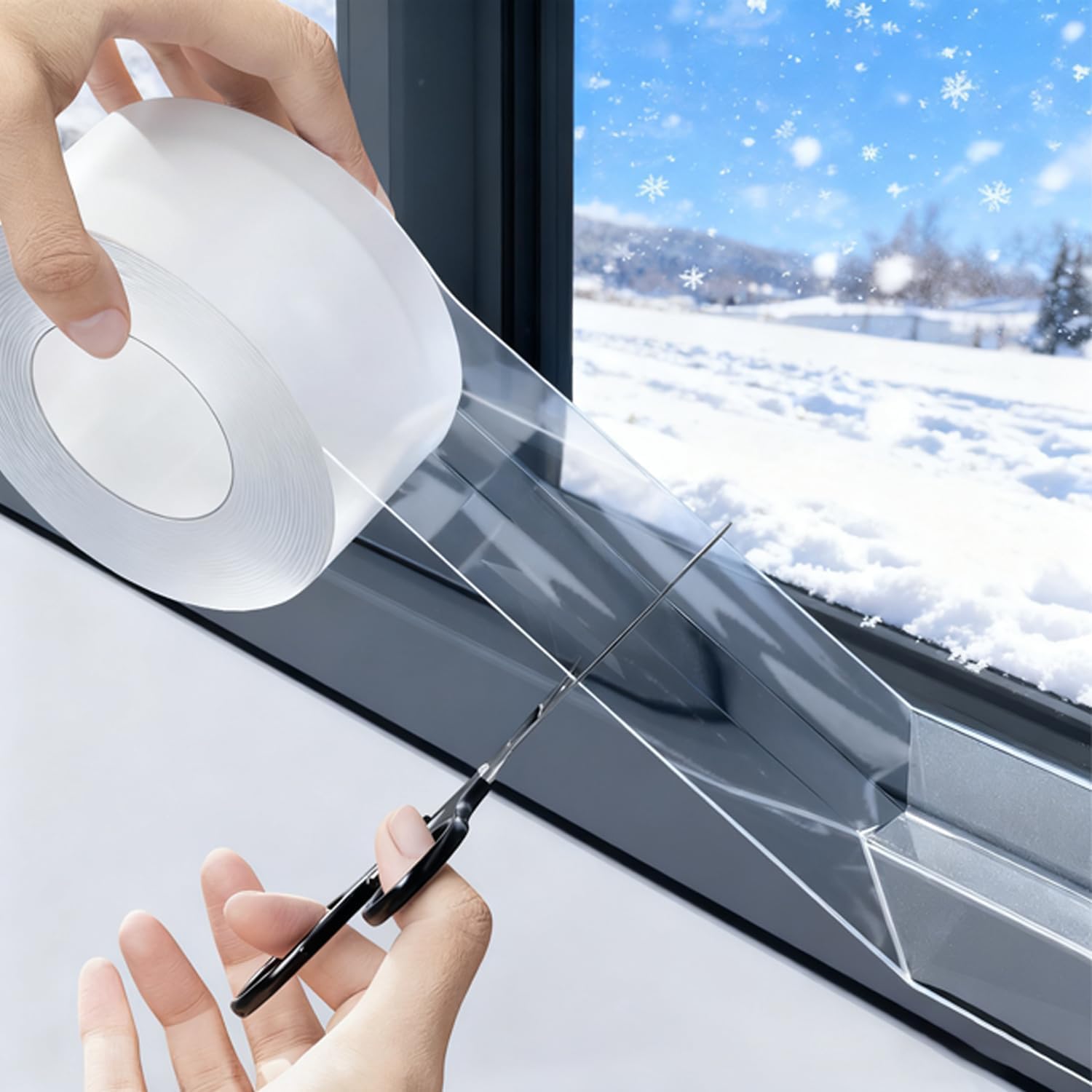
Type: Clear barrier sealing tape
Thickness: 20 mil
Size: 2 in x 33 ft
Adhesion: Strong, residue-free seasonal removal
Intended use: Winter window insulation, heat-loss reduction
Format: Single roll
This is the pick for the join between glass and frame rather than the sash gap — a thick barrier tape that runs over the seam and stops cold air creeping in around the pane. The 20 mil thickness gives it more substance than a thin film, and the stated residue-free seasonal removal is the key feature for a period property, where a summer-only seal that peels away cleanly is far preferable to anything that damages old paint or glazing putty.
It suits the owner who wants a reversible winter fix and does not mind a visible tape line across the window. The caution is that a taped seal stops the window being opened on that edge, so it is a cold-months-only solution, and on a bay with several panes the tape line is noticeable from inside unless a curtain sits close to the glass.
Trade-off: Seasonal tape seals the window shut and shows on the glass, so it trades daily ventilation for winter warmth.
Who it is not for: Buyers who open the bay windows regularly through winter.
5. Silicone Seal Strip, 1.4 in

Material: Silicone
Width: 1.4 in
Type: Collision and side seal strip
Intended use: Window gaps, shower doors, winter insulation
Application: Self-adhesive strip
Silicone is the most durable material in this roundup, and the 1.4 in width gives it more coverage than the slim foam strips — useful on the side gaps and collision points of a bay where sashes meet the frame. It stays flexible through cold weather, so it keeps sealing when temperatures drop, and it resists the hardening that eventually affects cheaper foam. This is the pick for the buyer who wants to fix the problem once rather than re-tape every autumn.
It suits anyone sealing worn side gaps and the points where window sections knock together, and it is a sensible upgrade over foam for a bay that gets a lot of use. The caution is that a wide silicone profile needs a decent flat landing area and can be fiddly to cut neatly around the angled sections of a bay; the finish depends heavily on careful measuring.
Trade-off: The wider silicone profile is durable but demands a clean, flat surface and careful cutting, so it is less forgiving of a rough old frame.
Who it is not for: Buyers wanting a quick, low-effort seal on a very uneven or damaged frame.
Before You Buy
- Material: Foam is cheap and compressible but short-lived; silicone lasts longer in cold weather; barrier tape is for the glass seam, not the sash gap.
- Gap size: Measure the widest and narrowest gap around the bay — a thin strip only works on small, even gaps, while foam and flap seals bridge wider ones.
- Surface condition: Adhesive only holds on clean, dry, sound paint; flaking or damp timber needs attention before any seal is fitted.
- Compatibility: Check the seal will not stop the window closing or lock the sash — flap and silicone strips are best for moving parts, tape is for static joins.
- Reversibility: Period and listed properties often need removable seals; tape with residue-free removal and self-adhesive strips are safer than anything glued or screwed on.
- Coverage: Add up the linear gap around all three sides of the bay, then allow extra for corners and offcuts before choosing a roll length.
- Season: Decide whether the seal is permanent or winter-only — a taped glass seal rules out opening the window until spring.
Frequently Asked Questions
-
What is the best draught proofing for a bay window in a period cottage?
There is no single answer: foam tape suits wide, uneven frame gaps, flap seals suit sliding sashes, slim strips suit small even gaps, and barrier tape suits the glass-to-frame seam. Most period bays need a combination. -
Can draught proofing damage an old or listed window?
Self-adhesive strips and residue-free seasonal tape are the low-risk options because they can be removed. Anything glued, screwed or painted in is harder to reverse and best avoided on heritage joinery. -
Should the seal go on the frame or the sash?
It depends on the window: flap and silicone strips generally sit on the frame where the moving part lands, while foam can go on either surface as long as it compresses when the window closes. -
How much seal is needed for a three-sided bay?
Measure the full perimeter of each opening plus the side gaps, then add a margin for corners. A long roll or a multi-pack is usually the safer buy for a whole bay. -
Will draught proofing stop condensation on bay windows?
It reduces the cold draughts that make a bay feel chilly, but condensation comes from warm moist air meeting cold glass. Sealing helps comfort; ventilation and heating control the condensation. -
When is it better to call a joiner instead?
If the sashes are warped, the frame is rotten, or the gaps change dramatically with the seasons, a seal is a patch. Structural repair or a full draught-proofing service is the better long-term spend.
Bottom Line
For most period cottage bays, the 33FT EVA Foam Weather Stripping Door Seal is the best starting point: it is cheap, long enough to cover a whole bay, and forgiving of the uneven gaps old frames always have. Buyers with sliding sashes should look at the Alien Draft Seal flap set instead, and anyone sealing the glass seam for winter will get more from the 20 mil barrier tape. Whichever is chosen, clean and dry the frame first — the adhesive is only as good as the surface under it.
