Why there are Amazon links here: Brave Review is paid a commission for qualifying Amazon purchases made through the links below. Your price does not change, and using our links is entirely optional. How this works
Best Portable Power Station for a Dialysis Machine at Home
A home dialysis machine needs a steady, clean power source, and a portable power station can keep it running through a blackout or a trip away from the wall outlet. This guide covers five picks for three kinds of buyers: those who want the most runtime for overnight treatments, those who need a compact unit for a small home setup, and those shopping on a tight budget. The overview table below shows each pick’s key spec and best use, so a reader can shortlist in under a minute and then read the full review.
Overview of the Picks
| Product | Key Spec | Best Use | Price Tier |
|---|---|---|---|
| Backup LiFePO4 640Wh Power Station | 640Wh, 1200W surge, 10ms UPS | Whole-home backup for longer sessions | Mid-range |
| Jackery Explorer 300 | 292Wh, LiFePO4, solar optional | Portable travel backup | Mid-range |
| Jackery Explorer 1000 v2 | 1070Wh, 1500W, 100W USB-C | Long runtime, heavy-duty backup | Premium |
| ALLWEI 300W Power Station | 256Wh, pure sine wave, PD 60W | Compact bedside backup | Budget |
| EnginStar 300W Power Station | 296Wh, pure sine wave, 80000mAh | Cheapest emergency backup | Budget |
1. Backup LiFePO4 Battery, 640Wh, 1200W Surge
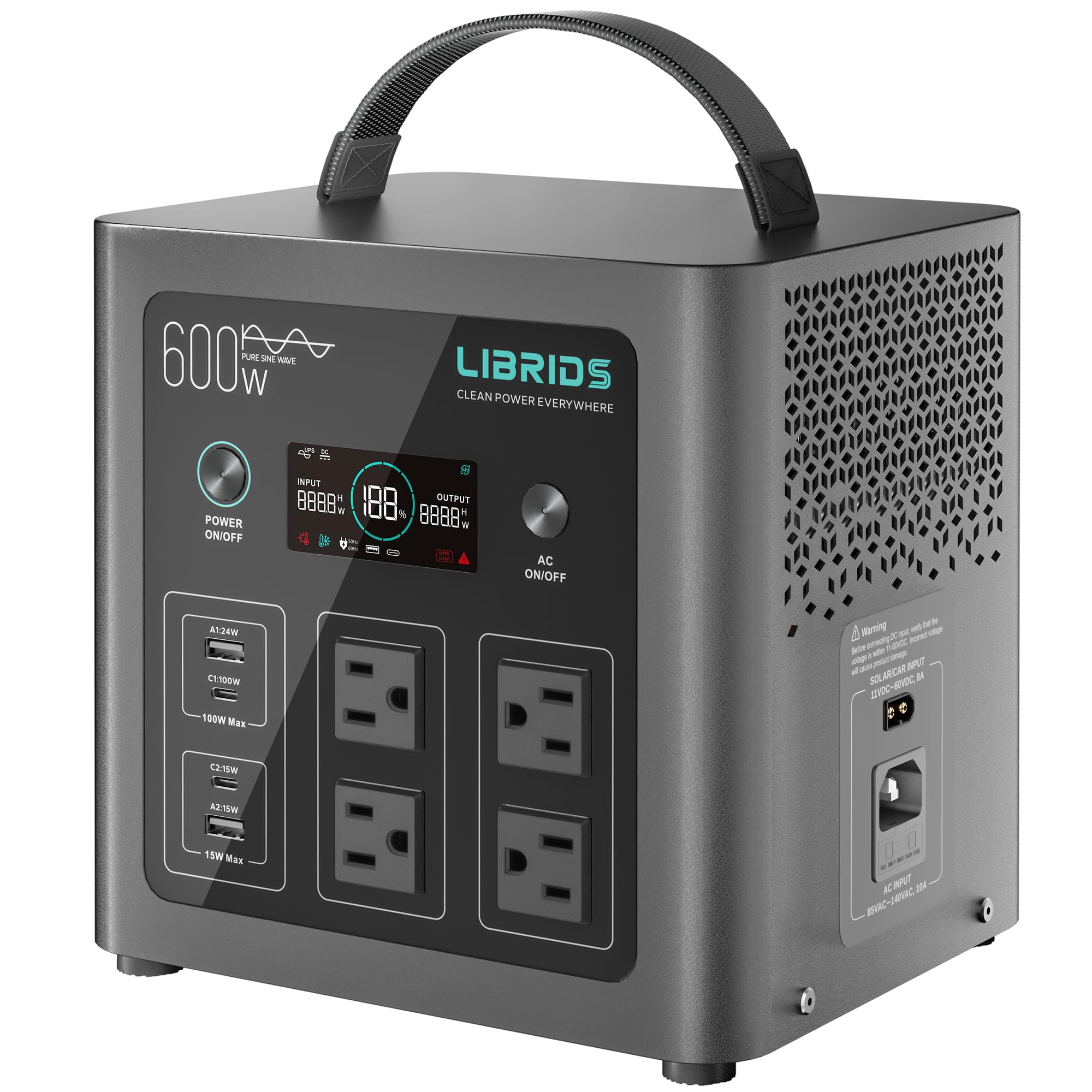
Battery Type: LiFePO4
Capacity: 640Wh
Surge Output: 1200W
Charge Time: 1.5 hours
UPS Switchover: 10ms
Ports: 8
Waveform: Pure sine wave
Build: Metal design
This unit is the most purpose-built pick for a home dialysis setup. The 10ms UPS switchover means the machine sees almost no gap when wall power drops, which matters for equipment that dislikes a hard reset. The metal housing and pure sine wave output suit a bedside or treatment-room placement where the unit stays plugged in and ready. Four AC outlets plus the remaining ports let a household run the dialysis machine and a few small accessories at once. The 1.5-hour charge time keeps downtime short between outages.
The 640Wh capacity sits in the middle of this group, so it covers a treatment session and some margin without the bulk of a larger station. The 1200W surge rating handles startup draws that a steady-state figure would miss. Buyers who want the machine on a dedicated circuit with automatic fallback will find this the closest match to a home medical setup. It is not for someone who needs to carry the unit up stairs daily, since the metal build adds weight.
Trade-off: The metal chassis and UPS circuitry push the price and weight above the budget picks, so it only makes sense for a fixed home placement.
2. Jackery Explorer 300 Portable Power Station, 292Wh
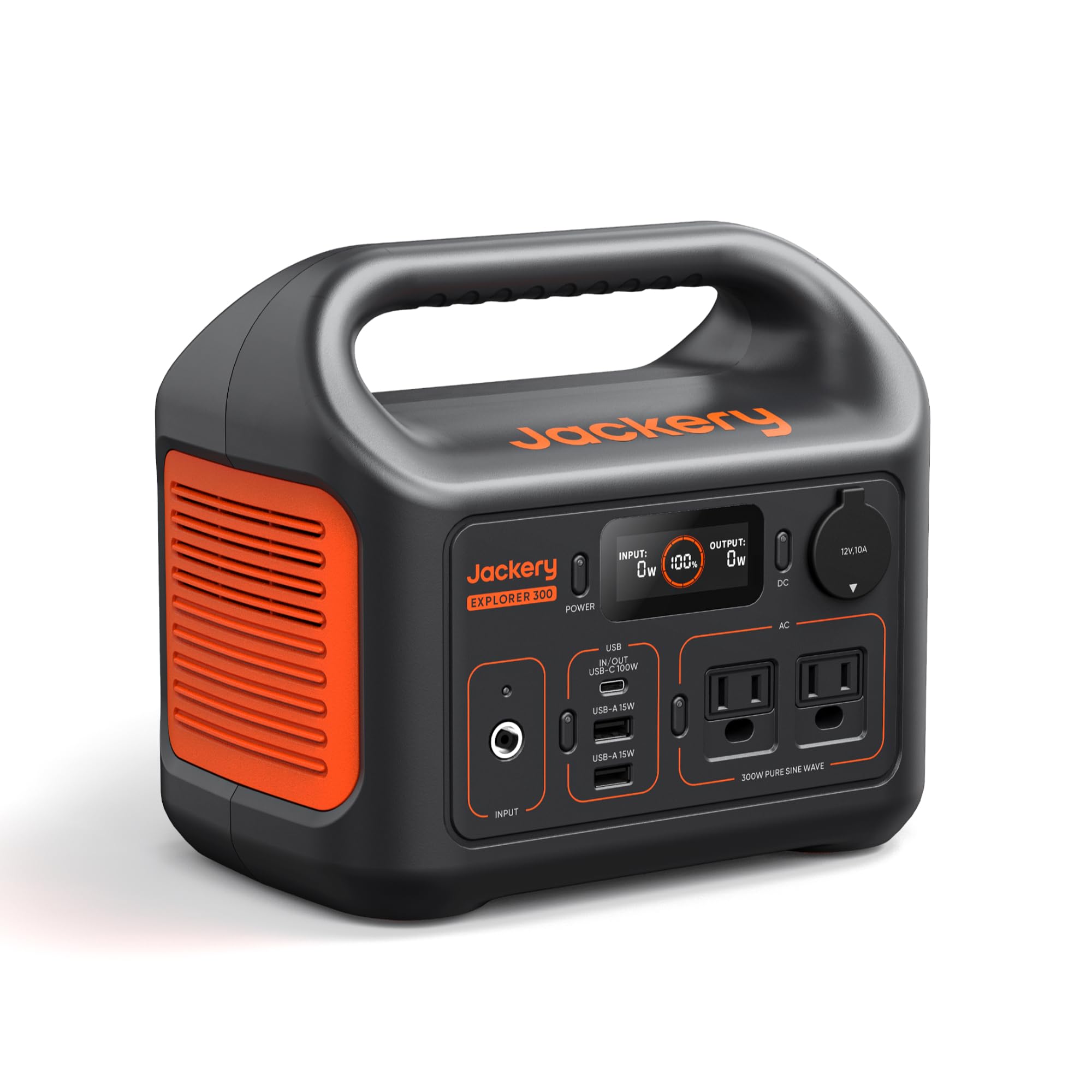
Battery Type: LiFePO4
Capacity: 292Wh
Solar Input: Solar panel optional
Intended Use: Outdoors, camping, travel, hunting, blackout
Brand: Jackery
Model: Explorer 300
Portability: Compact carry design
The Explorer 300 is the travel-friendly option in this lineup. Its 292Wh capacity and compact body make it easy to move between rooms or pack for a trip, and the LiFePO4 cells hold up to repeated partial charges better than older chemistries. Solar input is supported with an optional panel, which gives a backup path when the grid stays down for days. The Jackery name carries weight in this category, and the brand’s accessory ecosystem is broad.
For dialysis use, the smaller capacity means shorter runtime, so it fits a machine with modest draw or a buyer who mainly needs a bridge until power returns. It suits someone who splits time between home and a caregiver’s house and wants one unit that travels. Buyers with a high-draw machine or long overnight sessions should look at the larger pick instead.
Trade-off: At 292Wh the runtime is limited, so a long treatment session may need the wall outlet or a second unit.
3. Jackery Explorer 1000 v2 Portable Power Station, 1070Wh, 1500W

Battery Type: LiFePO4
Capacity: 1070Wh
Continuous Output: 1500W
Charge Time: 1 hour
USB-C Output: 100W
Solar Input: Solar panel optional
Intended Use: Camping, emergency, RV
Brand: Jackery
The Explorer 1000 v2 is the heavy-duty pick and the one to choose when runtime is the top priority. The 1070Wh capacity is roughly three times the smaller Jackery, which translates to multiple treatment sessions or a long stretch off-grid. The 1500W continuous output gives headroom for a machine plus supporting equipment, and the 1-hour fast charge means the unit recovers quickly once power returns. The 100W USB-C port handles laptops and phones without a separate brick.
This is the pick for a household that wants one station to carry the machine through an extended outage and still run a fridge or router. The trade-off is size and price: it is the most expensive unit here and the least portable in daily use. Buyers in a small apartment with a short bridge need will find it overkill.
Trade-off: The premium price and larger footprint make it a poor fit for buyers who only need a short bridge between outages.
4. ALLWEI Portable Power Station 300W, 256Wh
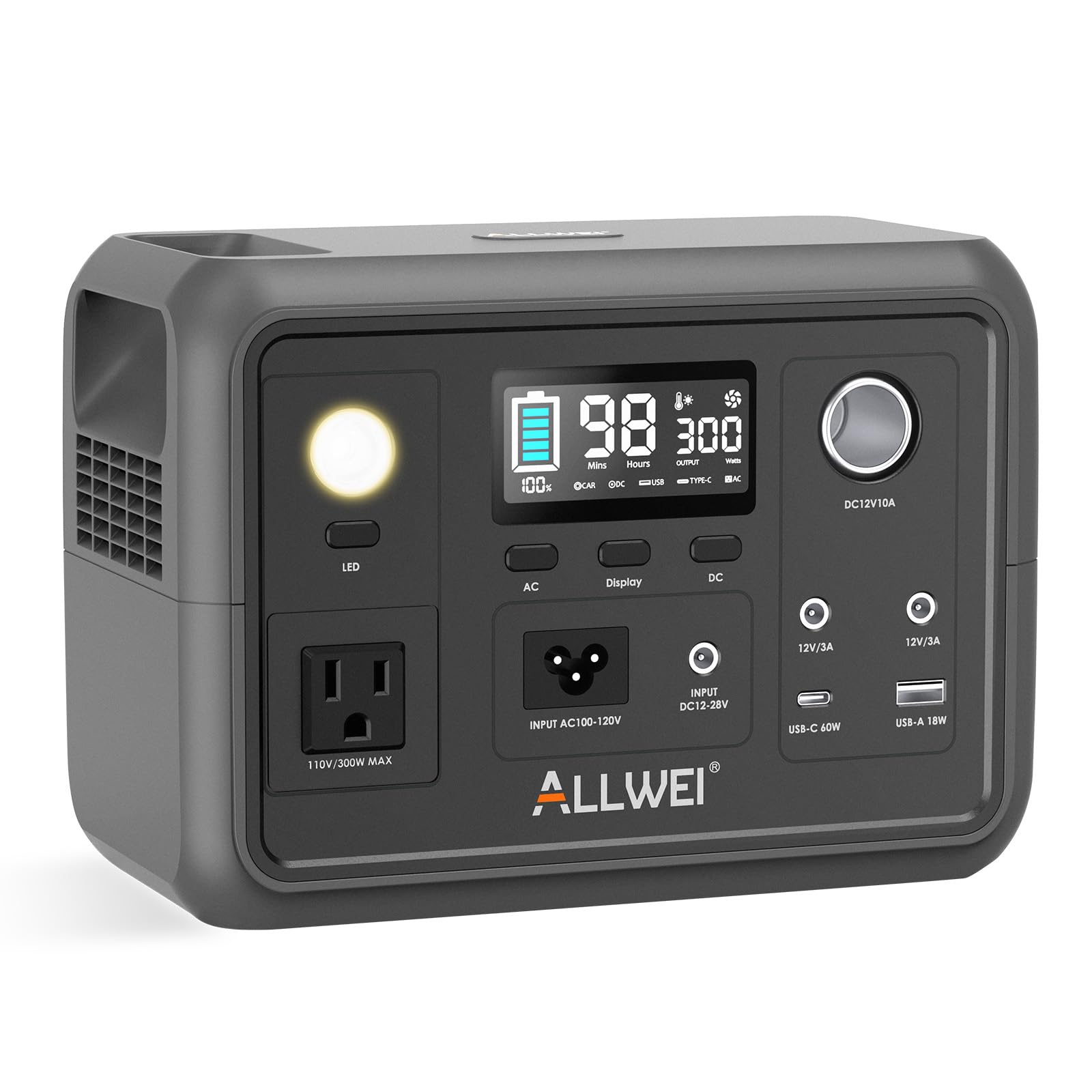
Battery Type: LiFePO4
Output: 300W
Capacity: 256Wh
Waveform: Pure sine wave
USB-C Output: PD 60W
Protection: MPPT & BMS
Intended Use: Camping, outdoor, home backup, emergency, CPAP
Build: Compact
The ALLWEI is the compact bedside pick. Its pure sine wave AC outlet delivers the clean power dialysis equipment expects, and the MPPT and BMS protection add a layer of safety for a device that runs unattended. The 256Wh capacity and 300W output suit a machine with a modest draw, and the small body fits on a nightstand or shelf next to the treatment chair. The PD 60W USB-C port is a useful extra for phones and tablets.
This unit suits a buyer who wants a dedicated backup that stays put beside the machine and costs less than the mid-range picks. It is also the lightest way to add a second power source in another room. Buyers with a high-draw machine or a multi-hour session should treat the capacity as a bridge, not a full replacement.
Trade-off: The 256Wh capacity limits runtime, so it works best as a short bridge or for a low-draw machine.
5. EnginStar Portable Power Station 300W, 296Wh
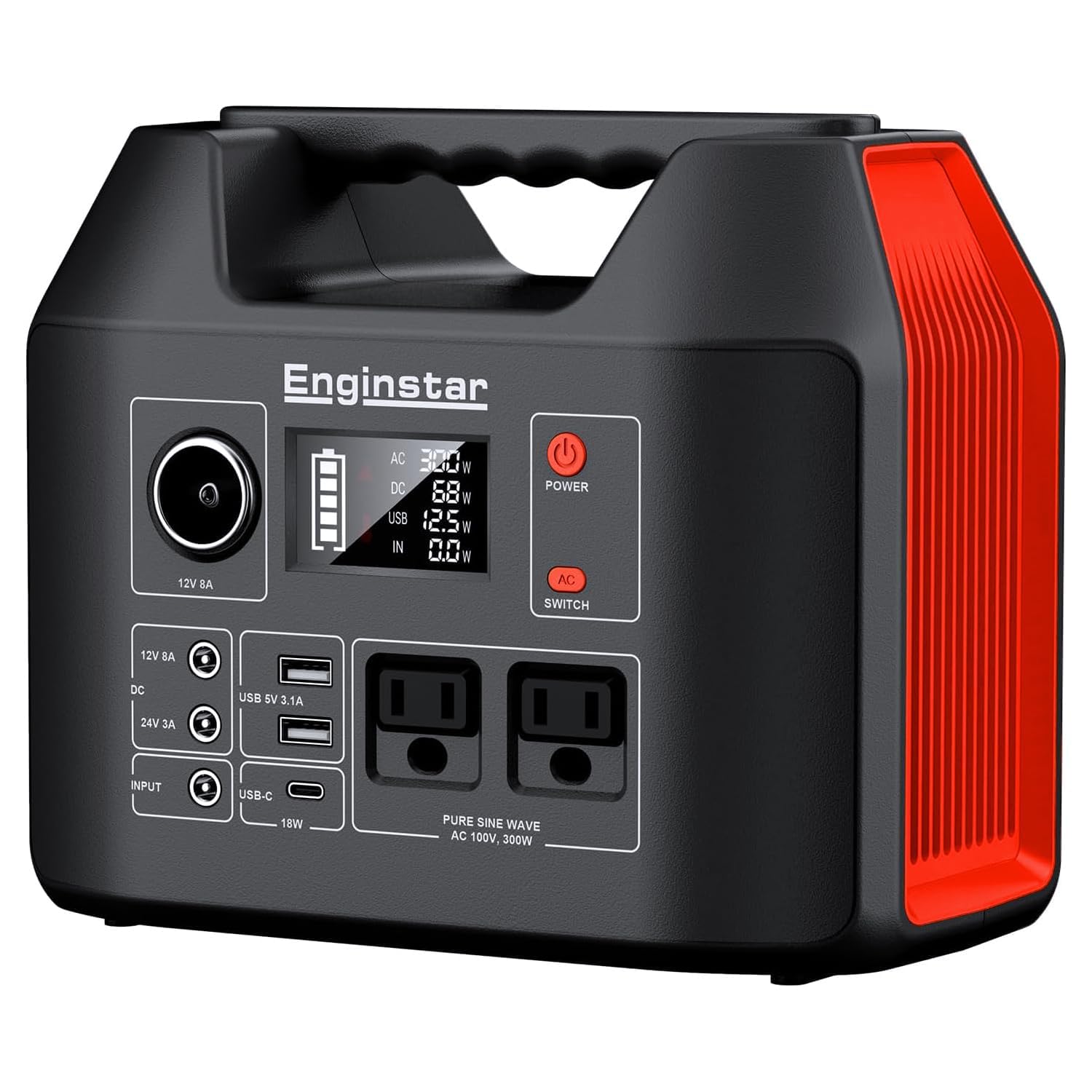
Output: 300W
Capacity: 296Wh
Battery Rating: 80000mAh
Waveform: Pure sine wave
Intended Use: Outdoors, camping, travel, emergency blackout, CPAP
Build: Portable backup supply
The EnginStar is the cheapest way into this group and a sensible entry point for a small home setup. The pure sine wave AC outlet keeps the power clean for sensitive equipment, and the 296Wh capacity edges out the ALLWEI on paper. The 80000mAh rating is an easy way to compare it against battery banks, and the portable form factor makes it simple to stash in a closet until needed. It suits a buyer who wants a basic emergency bridge at the lowest cost.
For dialysis use, the 300W output and modest capacity mean it is a bridge, not a whole-night solution. Buyers with a high-draw machine should size up. Those who want a spare unit for a caregiver’s home or a travel bag will find the price hard to beat.
Trade-off: The budget build and 300W ceiling make it a short-bridge unit rather than a long-runtime solution.
Before You Buy
- Capacity: Match the station’s watt-hours to the machine’s draw and session length; a larger capacity buys longer runtime but more weight and cost.
- Waveform: Choose a pure sine wave output, since dialysis equipment expects clean power.
- Surge rating: Check the surge figure, not just the continuous output, so startup draws do not trip the unit.
- Switchover: A UPS-style unit with fast switchover protects the machine from a hard reset during an outage.
- Portability: A fixed bedside unit can be heavier; a unit that travels should stay light and compact.
- Solar input: An optional solar panel extends runtime during a multi-day outage.
- Compatibility: Confirm the machine’s plug type and draw against the station’s outlets and output before buying.
Frequently Asked Questions
-
Can a portable power station run a home dialysis machine?
Yes, a pure sine wave station with enough capacity can run a machine for a session, though runtime depends on the machine’s draw and the station’s watt-hours. -
How much capacity is needed for a dialysis machine?
It depends on the machine’s wattage and session length; a larger capacity like 1070Wh gives more margin than a 256Wh unit. -
Why does pure sine wave matter for dialysis equipment?
Pure sine wave output matches wall power more closely, which protects sensitive medical equipment from unstable current. -
What does UPS switchover mean?
It means the station switches to battery almost instantly when wall power drops, so the machine keeps running without a reset. -
Can a solar panel extend runtime?
Yes, an optional solar panel can recharge the station during a long outage, though output depends on sunlight. -
Is a portable power station a replacement for a generator?
It is quieter and cleaner for indoor use, but it stores limited energy, so a long outage may need a generator or recharging.
Bottom Line
The Backup LiFePO4 640Wh power station is the top pick for a home dialysis setup, thanks to its 10ms UPS switchover, pure sine wave output, and metal build for a fixed bedside placement. Buyers who need maximum runtime should size up to the Jackery Explorer 1000 v2, while a tight budget or a small room points to the ALLWEI or EnginStar as a short bridge.
