Why there are Amazon links here: Brave Review is paid a commission for qualifying Amazon purchases made through the links below. Your price does not change, and using our links is entirely optional. How this works
Best WiFi for a Garden Office: 5 Reliable Picks for Backyard Workspaces
A garden office only works as a workspace if the signal actually reaches it. This roundup covers five extenders and outdoor mesh units that push a home network into a shed, cabin, or converted garage, ranked from a budget plug-in booster to a weatherproof mesh system. Buyers with a simple backyard setup, buyers running a full mesh network, and buyers who need power where there is no outlet will each find a fit below. The overview table shows the key differences at a glance before the individual reviews.
Overview of the Picks
| Product | Key Spec | Best Use | Price Tier |
|---|---|---|---|
| TP-Link AC1200 WiFi Extender (RE315) | Dual band, 1.2Gbps, EasyMesh compatible | Budget indoor repeater near a window | Budget |
| 2026 New WiFi Extender (1200Mbps) | Dual band, 1200Mbps, Ethernet port | High device count on a tight budget | Budget |
| Amazon eero Outdoor 7 | Dual-band mesh router, IP66, PoE+ adapter included | Full weatherproof mesh coverage | Premium |
| TP-Link Deco X50-Outdoor AX3000 | WiFi 6, dual gigabit ports, weatherproof | Adding outdoor coverage to a Deco mesh | Mid-range |
| Solar Powered WiFi Extender (1200Mbps) | Solar panel, 30000mAh battery, IP65 | Gardens with no power at the install point | Mid-range |
1. TP-Link AC1200 WiFi Extender (RE315)

Type: Dual-band wall-plug extender
Speed class: 1.2Gbps (5GHz/2.4GHz)
Coverage claim: Up to 1600 sq. ft
Device load: Up to 32 devices
Mesh support: EasyMesh compatible
Ports: One Ethernet port
TP-Link AC1200 WiFi Extender (RE315)
This is the entry point for anyone testing whether a repeater can bridge the gap to a garden office. It plugs into a wall socket, rebroadcasts the existing dual-band network, and adds a single Ethernet port for a wired connection to a laptop or dock. EasyMesh compatibility means it can join a compatible mesh setup rather than running as a standalone repeater. The footprint is small and the setup is the simple push-button pairing most buyers expect.
The pick suits renters and homeowners who need a cheap first attempt and have a power outlet near a window facing the garden. It earns its place as the lowest-cost option here and the easiest to move if the signal does not reach. The trade-off is that it is an indoor unit with no weather protection, so it must stay inside the house and can only extend signal that already reaches the exterior wall.
2. 2026 New WiFi Extender, 1200Mbps Dual Band
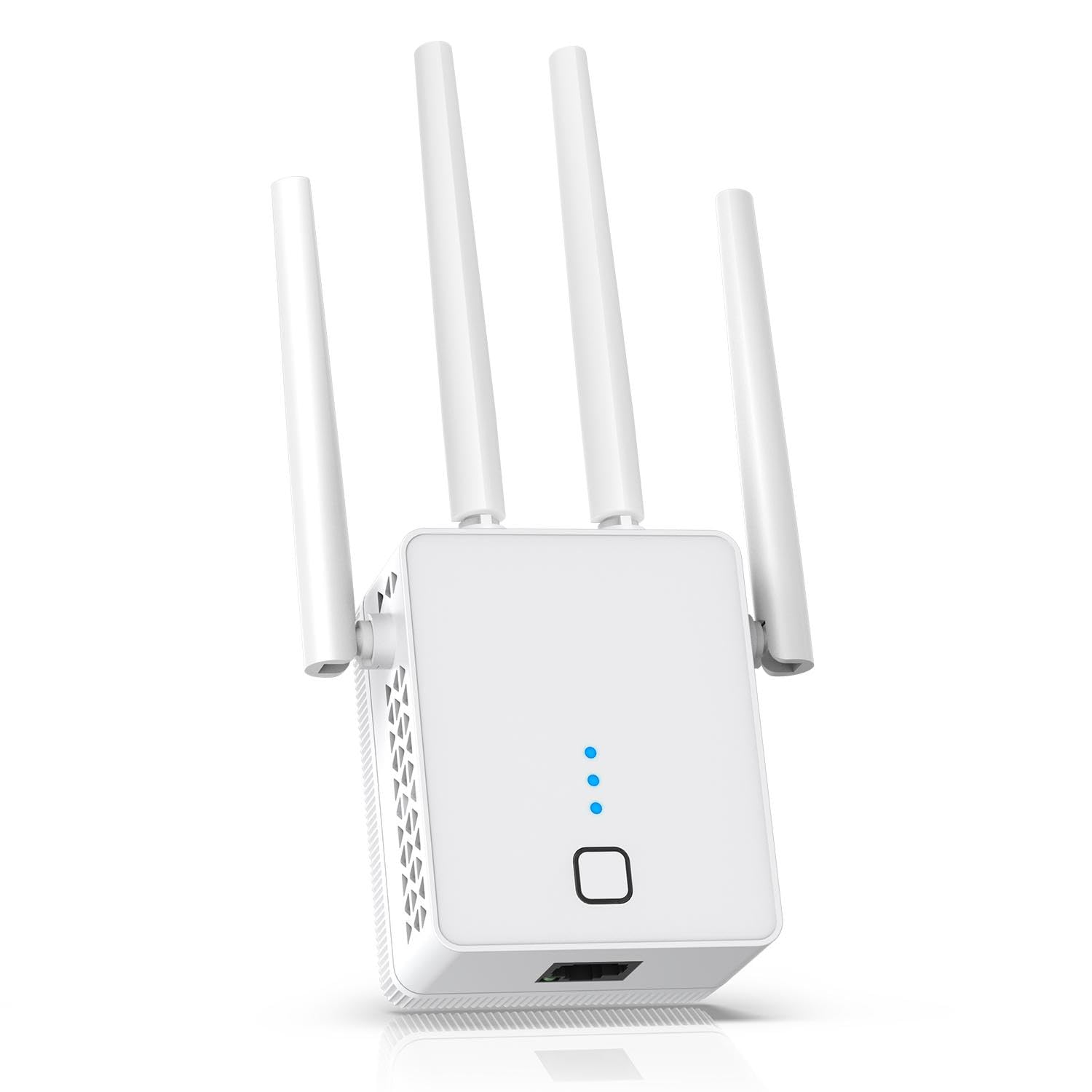
Type: Dual-band extender with Ethernet port
Speed class: 1200Mbps (5.8GHz/2.4GHz)
Coverage claim: Up to 18999 sq. ft
Device load: 115+ devices
Color: White
2026 New WiFi Extender, 1200Mbps Dual Band
This model leans hard into capacity, advertising support for more than a hundred connected devices and a very large coverage figure. The dual-band radios and Ethernet port follow the standard extender formula, and the white housing is designed to sit discreetly on a shelf or in a hallway. For a garden office with a laptop, phone, printer, and a few smart plugs, the device ceiling is far beyond what the room needs.
It suits buyers who want a budget repeater with headroom for a busy household and a wired port for a desktop setup. The pick earns its spot on device capacity at a low price tier. The trade-off is that the headline coverage number should be treated as marketing optimism in a real home with walls and interference, and like the RE315 it is an indoor unit that needs to live near the house side of the garden.
3. Amazon eero Outdoor 7
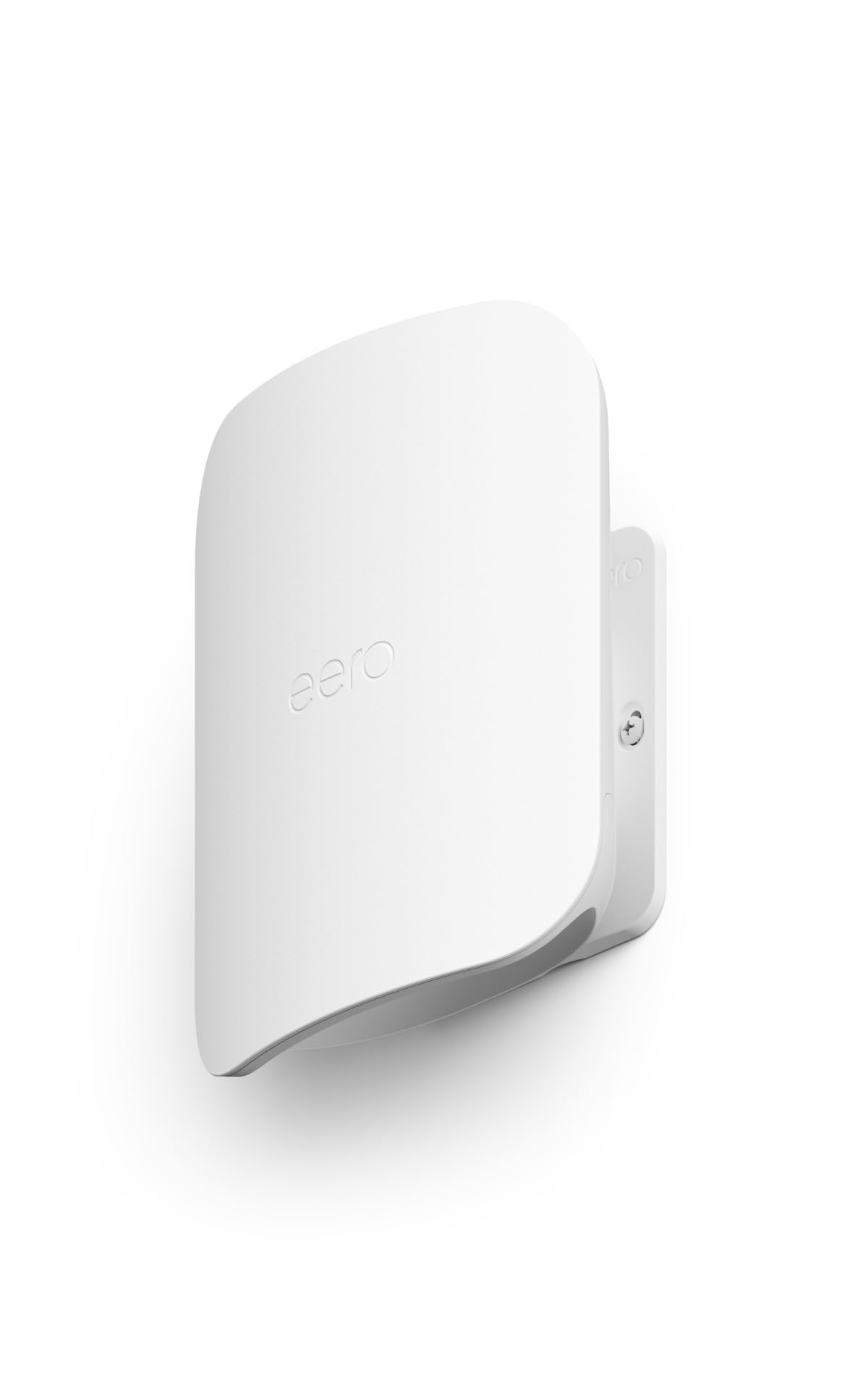
Type: Outdoor dual-band mesh WiFi router
Weatherproof rating: IP66
Coverage claim: Up to 15,000 sq. ft outdoors
Power: 30W PoE+ adapter included
Pack size: 1-pack
This is the premium route: a mesh node built to live outside, rated IP66 against dust and water jets, and powered over Ethernet so a single cable handles both data and power. It slots into an existing eero network and extends coverage across the garden rather than just to its edge. The included PoE+ adapter removes the need to buy separate injector hardware.
It suits buyers already running eero at home who want the garden office covered by the same managed network, with app-based control and no separate extender to babysit. The pick earns its place on build quality and integration rather than price. The trade-off is the premium cost, and the PoE+ requirement means a cable run to the outbuilding has to be planned before installation.
4. TP-Link Deco X50-Outdoor AX3000

Type: WiFi 6 mesh add-on extender
Speed class: AX3000 dual band
Ports: Dual gigabit
Weatherproof: Yes
Mounting: Pole, wall, or table
Compatibility: Works with Deco Mesh
TP-Link Deco X50-Outdoor AX3000
This unit brings WiFi 6 to the garden and is designed as an add-on to an existing Deco mesh, not a standalone router. The weatherproof housing can be pole, wall, or table mounted, which gives flexibility for a fence post or the outside wall of an office. Dual gigabit ports allow a wired backhaul or a direct connection for a desktop in the outbuilding.
It suits households already on Deco that want modern WiFi 6 speeds and a clean outdoor install at a mid-range price. The pick earns its place as the best value weatherproof mesh node in this group. The trade-off is that it only makes sense inside a Deco ecosystem, and buyers on another brand would be paying for compatibility they cannot use.
5. Solar Powered WiFi Extender, 1200Mbps
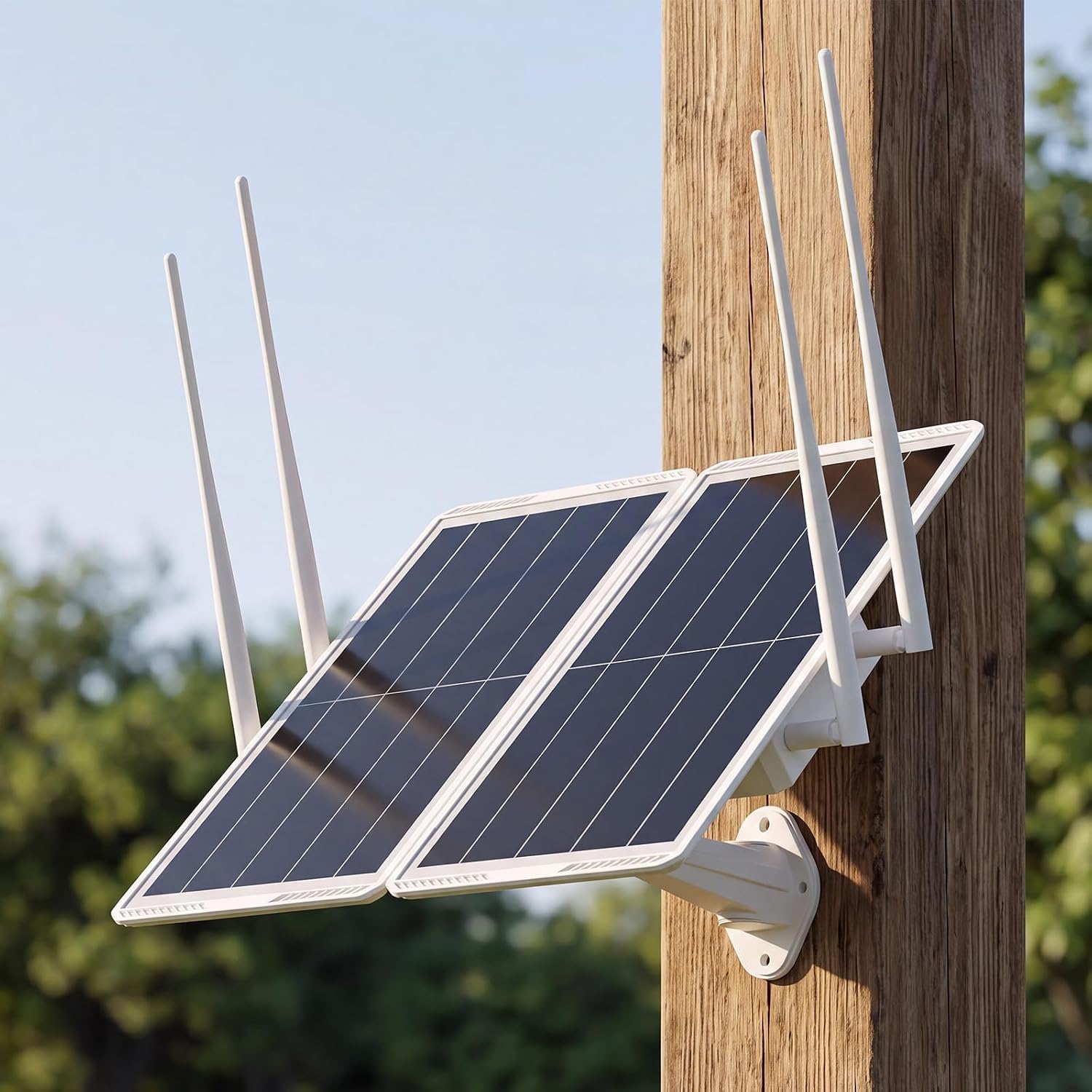
Type: Solar-powered outdoor extender
Speed class: 1200Mbps (2.4G/5.8G dual band)
Range claim: 984 ft
Weatherproof rating: IP65
Power: 30W solar panel, 30000mAh battery
Solar Powered WiFi Extender, 1200Mbps
This is the pick for gardens where running power to the install point is impractical. A 30W solar panel charges a large internal battery, so the extender can sit on a fence or post with no cable at all. The IP65 rating covers rain and dust, and the dual-band radios handle the usual 2.4GHz and 5.8GHz traffic.
It suits rural properties, allotments, and large gardens where a cable run would cost more than the hardware. The pick earns its place on installation freedom. The trade-off is that battery-and-solar designs depend on sunlight, so a shaded install or a run of grey winter days can cut runtime, and the very long range claim should be read as open-air best case.
Before You Buy
- Distance and obstacles: A repeater can only extend a signal that already reaches its location, so placement near a window or exterior wall matters more than the box’s coverage claim.
- Power at the install point: Indoor plug-in units need a socket in the house; outdoor mesh nodes need PoE or mains power; solar models trade reliability for cable-free placement.
- Weather rating: Any unit mounted outside needs a genuine weatherproof rating. Indoor extenders left in a shed will fail.
- Ecosystem compatibility: Mesh add-ons such as the eero and Deco units only work within their own brand’s network. Check the existing router before buying.
- Wired backhaul: An Ethernet port or PoE support gives a far more stable link to a garden office than wireless repeating alone.
- Device count: A home office with a laptop, phone, printer, and smart devices needs modest capacity, but a busy household sharing the network may want headroom.
Frequently Asked Questions
-
Can an indoor WiFi extender reach a garden office?
Only indirectly. An indoor extender placed near a rear window can push signal into the garden, but it will not survive being mounted outside and its range drops sharply through exterior walls. -
Is a mesh node better than a repeater for a garden office?
A mesh node generally gives a more stable, seamless connection, especially a weatherproof outdoor unit. A repeater is cheaper and simpler but often delivers a weaker, half-speed link. -
Does a solar WiFi extender work in winter?
It can, but performance depends on daylight hours and panel placement. Shaded or north-facing installs may struggle, so a solar unit is best treated as a solution for sites with good sun exposure. -
How much speed does a garden office actually need?
Video calls, cloud files, and streaming are comfortable on a solid dual-band connection. The limiting factor is usually distance and interference rather than the headline speed class. -
Do outdoor mesh units need a professional install?
Not necessarily. Wall and pole mounting is straightforward, but PoE models require an Ethernet cable run to the unit, which may need planning or a handyperson.
Bottom Line
For most buyers, the TP-Link Deco X50-Outdoor AX3000 is the best WiFi for a garden office: it is weatherproof, WiFi 6 capable, and priced well below the premium eero option, provided the home already runs a Deco mesh. Buyers on a tight budget should start with the RE315, while eero households and off-grid gardens have clear specialist picks above.
