Why there are Amazon links here: Brave Review is paid a commission for qualifying Amazon purchases made through the links below. Your price does not change, and using our links is entirely optional. How this works
Best Standby Power Audit Tools for Tracking Vampire Loads at Home
Standby power audit tools measure the electricity that devices draw when they are switched off but still plugged in — the phantom load that quietly inflates a power bill. This roundup covers five meters, from simple plug-in units to professional three-phase loggers, and points each one at the buyer it fits. Homeowners chasing a lower bill, tinkerers auditing a workshop, and technicians logging a commercial panel will each find a match below. The overview table gives the fastest read; the reviews that follow explain the differences.
Overview of the Picks
| Product | Key Spec | Best Use | Price Tier |
|---|---|---|---|
| Upgraded Electrical Usage Monitor (7 Modes) | 7-mode backlit plug meter with overload protection | General household standby checks | Budget |
| RJ10 Plus Simple SMU Power Analyzer | μA-to-A current testing with linear power supply | PCBA and small-electronics standby work | Mid-range |
| High Precision Power Meter (0.1% Accuracy) | 0.1% accuracy, power factor and frequency | Serious energy audits and load analysis | Mid-range |
| Fluke 1732/B Three Phase Power Logger | Three-phase AC power and energy logging | Commercial and industrial audits | Premium |
| Electricity Usage Monitor (8 Display Modes) | 8-mode backlit plug meter with overload protection | Everyday appliance monitoring | Budget |
Upgraded Electrical Usage Monitor Consumption, Energy Voltage Amps Kill Meter Tester

Type: Plug-in wall meter
Display Modes: 7
Backlight: Yes
Overload Protection: Yes
Intended Use: Household electricity usage monitoring
Power Source: Wall outlet
This is the classic plug-in style of standby power audit tool: the meter sits between the wall outlet and the appliance, and the appliance’s draw passes through it. The seven display modes cycle through voltage, current, watts and accumulated energy, so a reader can watch a device’s draw fall to its standby floor after it is switched off. Overload protection guards the meter itself when a heavy load is plugged in, and the backlight keeps the readout legible in a dim utility corner. It is a sensible first purchase for anyone starting a whole-home phantom-load sweep.
The pick suits renters and homeowners who want a no-installation way to walk from room to room and log what each appliance pulls at rest. It earns its place as the entry point to the category: cheap, self-contained, and readable without a manual. The caution is that a plug-in unit only fits standard corded appliances — hardwired gear, and anything drawing a large surge, is out of its reach.
Trade-off: The plug format limits it to cord-and-plug devices, so hardwired loads and high-inrush appliances cannot be audited with it.
RJ10 Plus, Simple SMU, Power Analyzer
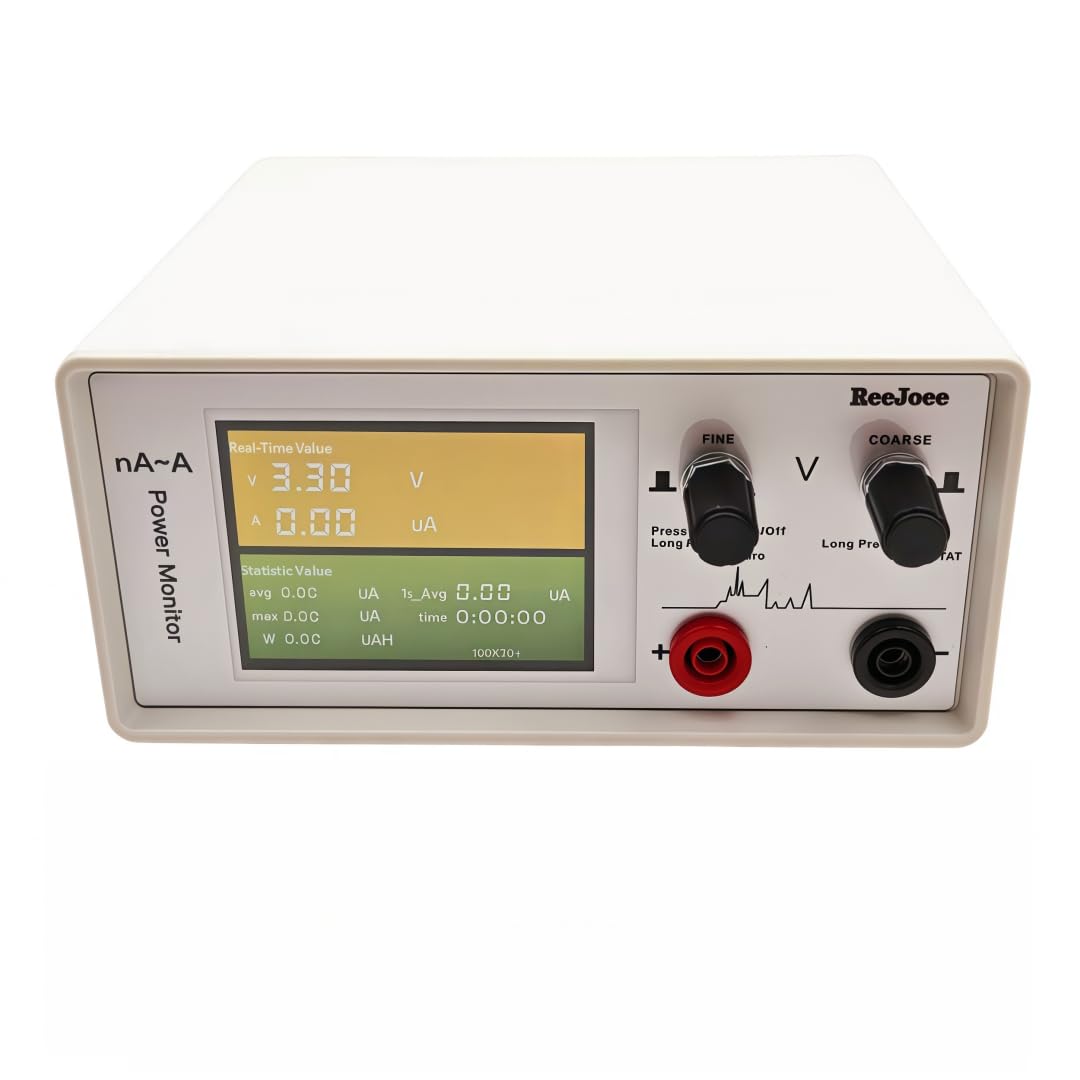
Type: Source measure unit and power analyzer
Current Range: μA to A
Supply Range: 1–20V linear power supply
Intended Use: PCBA power consumption and standby time assessment
Software: No-subscription PC software
This is a bench instrument rather than a wall meter. It combines a source measure unit with a linear power supply, feeding a board or small device a controlled voltage while measuring the current it draws down to the microamp range. That resolution is what makes standby-time assessment possible: a device sipping microamps in sleep mode shows up clearly against the instrument’s noise floor. The bundled PC software carries no subscription, so logged runs can be captured and reviewed on a computer without recurring cost.
The pick suits electronics hobbyists, firmware developers and repair technicians who need to characterize a circuit board’s sleep current rather than an appliance’s. It earns its place because no plug meter can resolve microamp draws, and this unit does that while also powering the device under test. The caution is that it is a bench tool with a low voltage ceiling — it cannot be pointed at a refrigerator or a whole branch circuit.
Trade-off: Its 1–20V supply range and bench format rule out mains appliances, so it serves electronics work only.
High Precision Power Meter, 0.1% Accuracy Multifunctional Electrical Power Analyzer
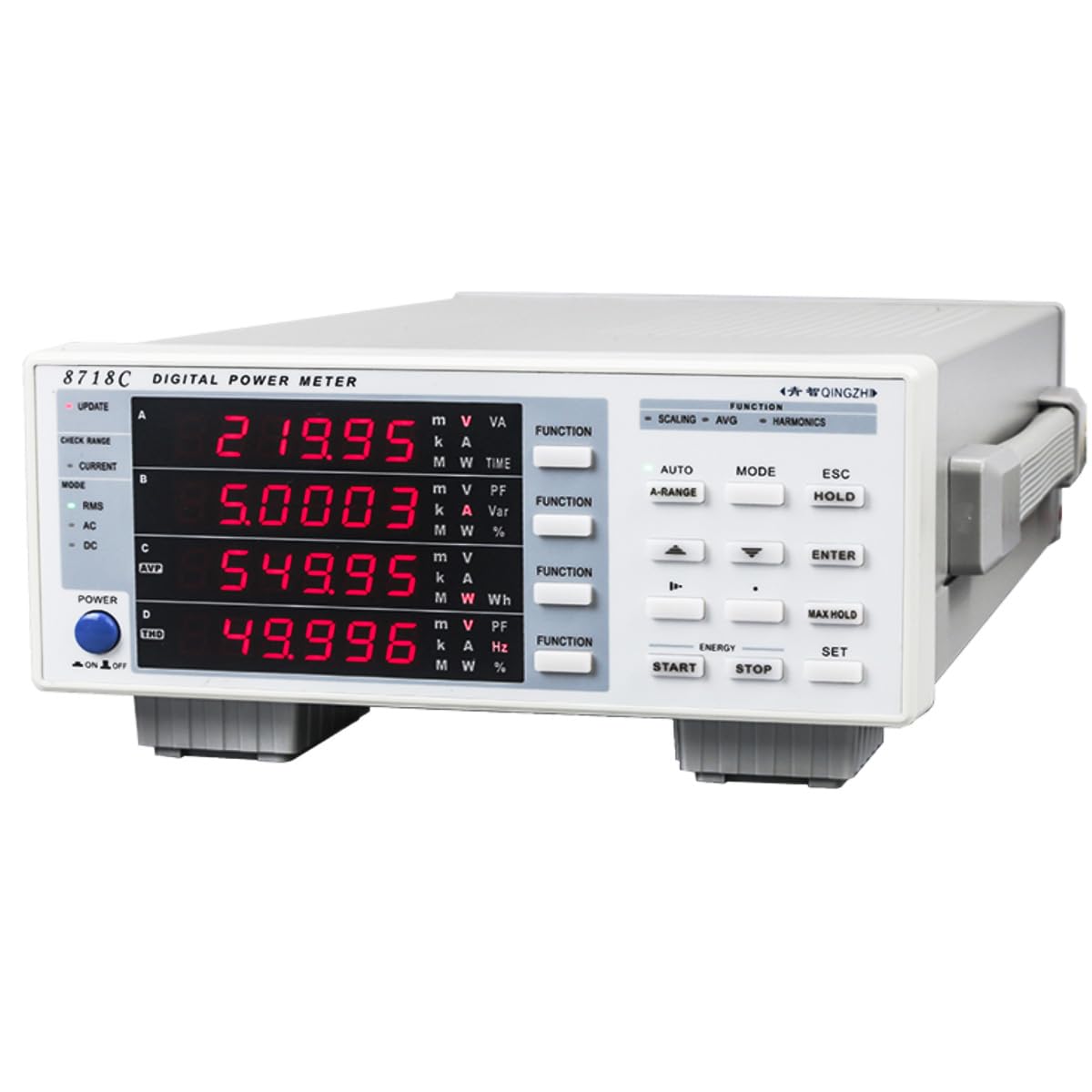
Type: Multifunctional power analyzer
Accuracy: 0.1%
Measured Parameters: Voltage, current, power factor, frequency
Intended Use: Energy audit and load analysis
Application: Industrial and home use
This analyzer steps up from a consumer plug meter in both accuracy and the range of parameters it reports. Beyond watts and volts, it reads power factor and frequency — the two figures that separate a real energy audit from a rough guess, because a poor power factor changes what a load actually costs to run. The stated 0.1% accuracy puts it in a class where small standby draws can be trusted rather than merely observed. It is built for load analysis across both home and industrial settings.
The pick suits serious home auditors, energy consultants and facility staff who need defensible numbers rather than ballpark readings. It earns its place as the accuracy upgrade: where a budget plug meter shows a standby figure, this one shows it with the precision and the supporting parameters an audit write-up needs. The caution is that its precision is wasted on a casual user, and the extra parameters demand some familiarity to interpret correctly.
Trade-off: The instrument rewards users who understand power factor and frequency; without that background, its added accuracy buys little.
Fluke 1732/B Measure and Log Three Phase AC Power and Energy
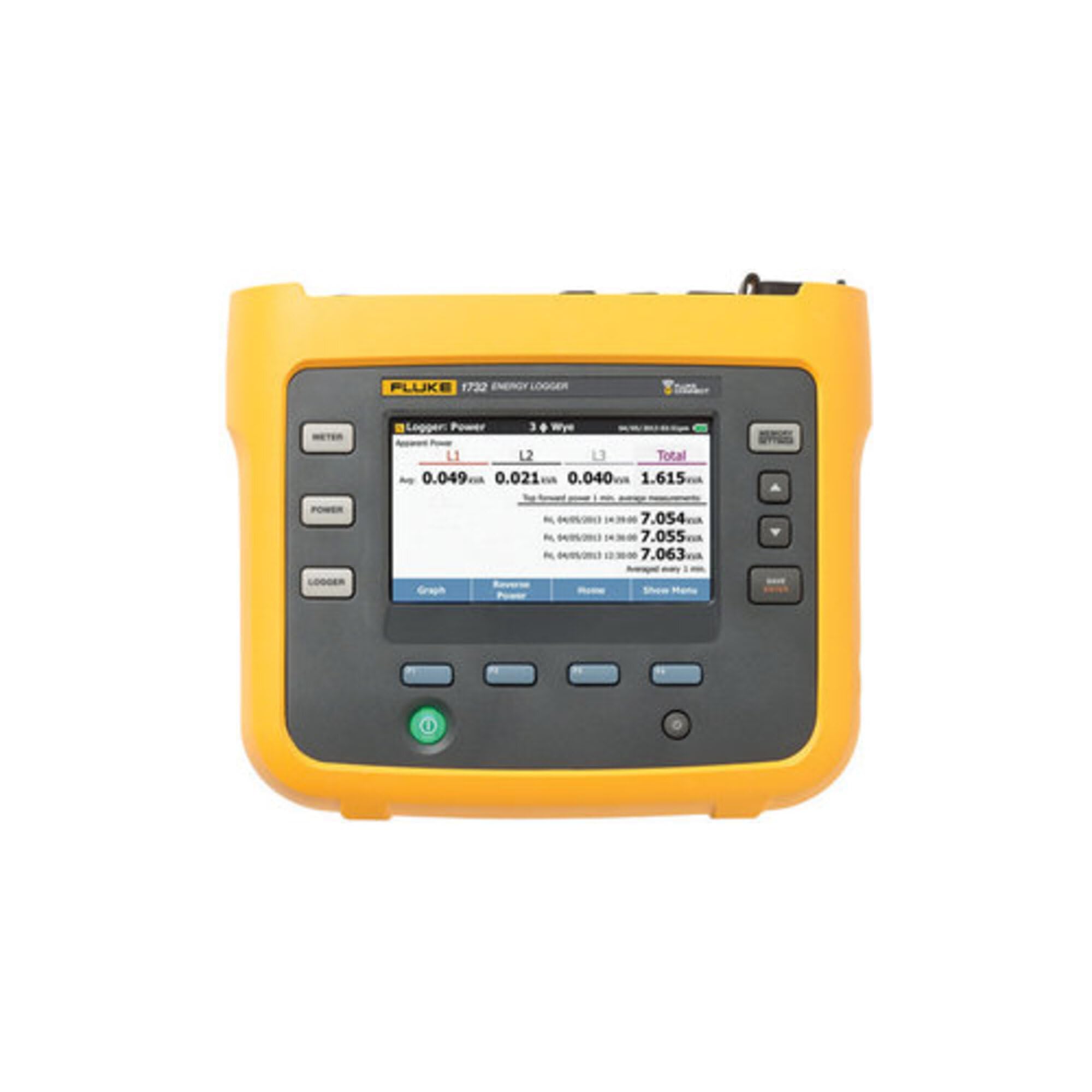
Type: Three-phase power and energy logger
Measurement: Three-phase AC power and energy
Function: Measure and log
Intended Use: Professional power and energy studies
Model: 1732/B
Fluke 1732/B Measure and Log Three Phase AC Power and Energy (4706566)
This is the professional tier of standby power audit tool: a three-phase logger built to be clamped into a panel and left to record over time. Where a plug meter captures a single appliance at an instant, this unit logs power and energy across a three-phase feed, so the aggregate standby load of an entire distribution board becomes visible across a full day and night cycle. That time dimension is the point — phantom loads reveal themselves in the overnight hours when everything is supposedly off. It is the instrument an electrician or energy engineer reaches for on a commercial job.
The pick suits licensed electricians, facilities managers and energy auditors working on three-phase systems, and it earns its place as the only pick here that can characterize a whole panel rather than one outlet. The caution is steep: it is a premium instrument aimed at professionals, its cost and installation demands put it well beyond a household budget, and it should only be deployed by someone qualified to work inside a live panel.
Trade-off: The price and the three-phase, in-panel installation make it a professional instrument that no typical homeowner needs.
Electricity Usage Monitor, Energy Voltage Amps Meter Tester with Backlight

Type: Plug-in wall meter
Display Modes: 8
Backlight: Yes
Overload Protection: Yes
Intended Use: Household electricity usage monitoring
Power Source: Wall outlet
This second plug-in meter follows the same formula as the first, with one more display mode in the cycle. It sits between outlet and appliance, reports voltage, current and watts, and adds overload protection and a backlight so the reading stays usable in a dark corner or behind a desk. The extra mode gives a little more on-screen data for the same walk-around job. For a household sweep of TVs, consoles, chargers and set-top boxes, it does everything the task requires.
The pick suits budget-conscious households that want a second meter to leave plugged in on a suspect appliance while the first one travels. It earns its place as the everyday workhorse of the group: cheap enough to own more than one, simple enough that anyone in the house can read it. The caution is the same shape as its sibling — it only fits corded appliances, and its readings are indicative rather than audit-grade.
Trade-off: The plug format and consumer-grade sensing make it a convenience tool, not a precision instrument for formal audits.
Before You Buy
- Measurement range: A plug meter suits corded appliances; microamp work on circuit boards needs a source measure unit, and panel-level logging needs a three-phase logger.
- Accuracy: Consumer meters give indicative readings, while a stated 0.1% accuracy is what formal energy audits require.
- Format: Wall-plug units need no installation; bench and panel instruments require the right setup and, for panels, a qualified operator.
- Parameters: Power factor and frequency matter for a real audit; watts alone are enough for a quick household sweep.
- Voltage ceiling: Bench instruments often run at low voltage and cannot be connected to mains appliances.
- Safety: Any tool used inside a distribution panel should only be handled by someone qualified to work on live electrical systems.
- Number of units: Two cheap plug meters often beat one, since one can stay on a suspect device while the other travels.
Frequently Asked Questions
- What is a standby power audit tool? It is a meter that measures the electricity a device draws while switched off but still plugged in, so the phantom load can be identified and reduced.
- Can a cheap plug meter find vampire loads? Yes — a plug-in watt meter is enough to spot most household standby draws; higher-accuracy instruments are for formal audits and very small loads.
- Why would anyone need microamp resolution? Battery-powered and circuit-board devices can sip microamps in sleep mode, and only a source measure unit resolves draws that small.
- Is a three-phase logger necessary at home? No. It is built for commercial and industrial panels; a household audit is handled by plug meters.
- Do these tools need installation? Plug meters do not — they go straight into an outlet. Bench and panel instruments require proper setup, and panel work needs a qualified operator.
- What should an audit measure besides watts? Power factor and frequency matter for accuracy, which is why higher-tier analyzers report them alongside voltage and current.
Bottom Line
For most households, the fastest route to a real standby power audit is a plug-in meter, and the Upgraded Electrical Usage Monitor with its seven modes and overload protection is the pick to start with. Buyers who need microamp precision or panel-level logging should step up to the bench analyzer or the Fluke logger respectively. Start with the Upgraded Electrical Usage Monitor and check the current price before committing.
