Why there are Amazon links here: Brave Review is paid a commission for qualifying Amazon purchases made through the links below. Your price does not change, and using our links is entirely optional. How this works
SITERLINK GS525A Smoke Alarm 10-Pack: Whole-Home Coverage in One Box
The SITERLINK GS525A is a ten-pack of photoelectric smoke alarms aimed at buyers who need to cover an entire house, rental unit, or small commercial space in a single purchase. This review covers what the GS525A is built to do, the specifications that matter, and the trade-offs that come with buying alarms in bulk at this price tier. Readers who need one alarm or two will find the pack oversized; readers outfitting a whole property will find the math works in their favor. The short version sits in the Bottom Line, with a link to the current Amazon price.
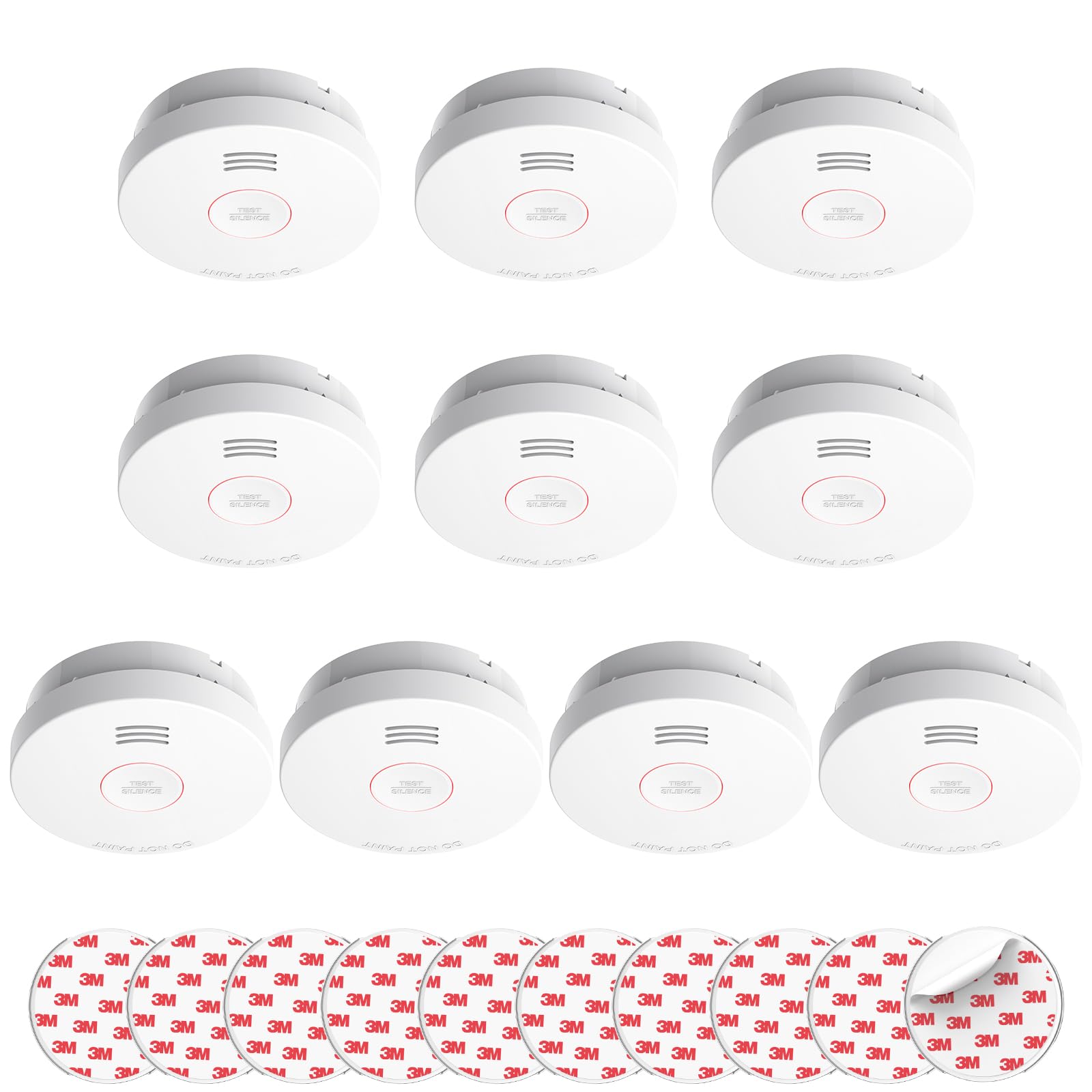
Features and Specifications
Product: SITERLINK Smoke Detector, GS525A, 10 Pack
Sensor Type: Photoelectric
Controls: Test-Silence Button
Indicator: LED Lights
Power: 10 Year Battery Backup
Intended Use: Home
Pack Size: 10 alarms
The headline specification here is the pack size. Ten alarms in one box changes the buying decision from "which single detector" to "how many rooms need covering." A typical house has bedrooms, a hallway, a living area, a kitchen approach, and often a basement or garage entry — ten units covers most of that list without a second order.
The sensor type is the second thing to understand. Photoelectric alarms respond to the large, slow-smoldering particles that come from upholstery, bedding, and wiring faults — the kind of fire that smolders for a long time before it flames. That is the dominant residential fire pattern, which is why photoelectric sensing is the common choice for home use.
The 10-year battery backup specification matters more than it looks. It means the alarm is designed around a sealed long-life power source rather than a user-swapped 9V cell, which removes the annual battery-change chore from the maintenance list. The test-silence button handles the two interactions a homeowner actually needs: verifying the alarm works, and quieting a nuisance trigger without pulling the unit off the ceiling.
Build and Sensor Design
The GS525A is a ceiling-mounted residential alarm, and the physical design follows that job. The housing is a low-profile disc meant to sit flush against drywall, with the sensing chamber and the LED indicator on the face where a person standing below can see it. The LED lights serve a practical purpose beyond decoration: they give a visible status cue so a quick glance up confirms the unit is powered and monitoring.
Photoelectric chambers are built around an optical path — light scattered into a sensor when smoke enters the chamber. That design is less prone to the fast-flame false triggers that plague ionization units near kitchens, which is one reason photoelectric alarms are the friendlier choice for a hallway outside a cooking area.
The test-silence button is the piece that gets touched most. A single button covering both functions keeps the face uncluttered and means there is no second control to hunt for during a chirping episode at an inconvenient hour.
Coverage and Pack Math
Ten alarms is the specification that decides whether this listing fits a given buyer. The GS525A pack suits a whole-house installation, a multi-unit rental where the landlord is responsible for alarms across several apartments, or a small office or shop that needs detectors in more than one room. Buying ten at once usually lands a lower per-unit cost than buying singles, which is the entire reason a bulk pack exists.
The pack is also a maintenance simplification. When every alarm in a building is the same model from the same batch, replacement and testing follow one procedure instead of several. That consistency is worth something in a rental property, where a manager may be checking units years apart.
Buyers with a studio apartment, a single rental room, or a cabin with two rooms should look at a smaller pack. Ten alarms on a shelf is money sitting idle, and the unused units will age toward their replacement window before they are ever mounted.
Power and Maintenance
The 10-year battery backup is the low-maintenance headline. A sealed long-life power source means no annual battery swap, no ladder work every spring, and no chirping-at-3-a.m. ritual from a dying cell. The alarm monitors its own power state and signals when the unit reaches the end of its service life.
Maintenance then reduces to two habits: pressing the test button on a schedule, and keeping the sensing chamber clear of dust. Dust is the quiet enemy of any photoelectric alarm — a dirty chamber scatters light the same way smoke does, and the result is nuisance alarms. A quick vacuum or canned-air pass around the vents once or twice a year keeps the sensor honest.
The other maintenance note is the one buyers forget. The whole unit has a service life, not just the battery, and the ten-year figure is the design horizon. When the end-of-life signal comes, the alarm gets replaced rather than re-battered.
Trade-off: A ten-pack only makes financial sense for buyers with ten mounting points — anyone with fewer rooms pays for alarms that will sit unused until they age out.
Check the current price on Amazon
What the GS525A Gets Right
The strongest argument for this listing is coverage per dollar. Ten photoelectric alarms with long-life power in one purchase removes the most common excuse for an under-equipped house: buying detectors one at a time and never finishing the job. For a landlord or a new homeowner doing a full setup, the pack is the efficient path.
The test-silence button is a small feature that earns its keep. Nuisance alarms are the reason people disable detectors, and a button that quiets a false trigger without dismounting the unit keeps the alarm in service where it belongs. The LED status lights support the same goal — a visible sign the unit is alive means fewer "is this thing even working" moments.
The photoelectric sensor choice fits the residential job. Smoldering fires in bedding and furniture are the scenario a home alarm is most likely to face, and photoelectric sensing is built for exactly that smoke signature.
Where the GS525A Falls Short
The pack size is the obvious limitation, and it cuts both ways. Buyers with fewer than ten mounting points are paying for inventory they will not use before it ages. There is no single-unit version of this exact listing to fall back on.
The second caution is category-wide rather than model-specific. A photoelectric alarm is slower to respond to a fast, flaming fire than an ionization unit, which is why some safety guidance favors having both sensor types in a home. Buyers who want dual-sensor coverage should plan for a mixed installation rather than relying on ten identical units.
Finally, the ten-year power design means the unit is disposable by nature. There is no battery to swap and extend the life — when the alarm signals end of service, the whole detector goes. That is the trade for a decade of no-maintenance operation, and it should be priced into the decision.
FAQ
-
What does the SITERLINK GS525A smoke alarm do?
It is a photoelectric smoke detector for home use, sold in a ten-pack, with a test-silence button, LED status lights, and a 10-year battery backup. -
How many rooms will a 10-pack cover?
Ten alarms typically cover the bedrooms, hallway, living areas, and a basement or garage entry in a standard house, or several units in a small rental building. Buyers should count mounting points before ordering. -
What is a photoelectric smoke alarm good at detecting?
Photoelectric sensors respond to the large, slow-smoldering smoke from upholstery, bedding, and wiring — the most common residential fire pattern. -
Does the GS525A need battery changes?
The 10-year battery backup is designed as a long-life power source, so the annual battery swap is off the maintenance list. The unit signals when it reaches end of service. -
What is the test-silence button for?
It lets a user verify the alarm is working and quiet a nuisance trigger without removing the unit from its mount. -
Is a 10-pack a good buy for an apartment?
Only if the buyer is responsible for alarms across multiple rooms or units. A single apartment usually needs fewer detectors than the pack provides. -
How should the alarms be maintained?
Press the test button on a regular schedule and keep the sensing chamber free of dust, since dust can trigger nuisance alarms in photoelectric units. -
When does the alarm need replacing?
The 10-year figure is the service horizon. When the unit signals end of life, the whole detector is replaced rather than re-battered. -
Can the GS525A be used in a rental property?
Yes — a ten-pack suits a landlord outfitting multiple units with matching alarms, which simplifies testing and replacement down the line. -
Who should skip this pack?
Buyers with only one or two mounting points, and anyone who wants a dual-sensor installation rather than ten photoelectric units.
Bottom Line
The SITERLINK GS525A 10-pack is the right buy for one specific shopper: someone with ten mounting points to fill and no interest in piecing a system together one alarm at a time. Photoelectric sensing, a test-silence button, LED status lights, and a 10-year battery backup cover the residential essentials, and the bulk pack turns whole-home coverage into a single order. Buyers with fewer rooms, or those who want mixed sensor types, should size down or plan a split installation instead.
