Why there are Amazon links here: Brave Review is paid a commission for qualifying Amazon purchases made through the links below. Your price does not change, and using our links is entirely optional. How this works
THIRDREALITY Smart Plug Gen3 4 Pack: The Zigbee Power Meter for Home Assistant
The THIRDREALITY Smart Plug Gen3 4 Pack is a bundle of four Zigbee smart outlets built for homes already running, or planning to run, a Zigbee hub. Each plug reports real-time power use, switches a standard 15A appliance, and doubles as a Zigbee repeater that extends mesh coverage through a house. This review covers what the plugs do, how the Gen3 hardware is built, and where the bundle falls short, so a buyer can decide whether it belongs in a Home Assistant or SmartThings setup.
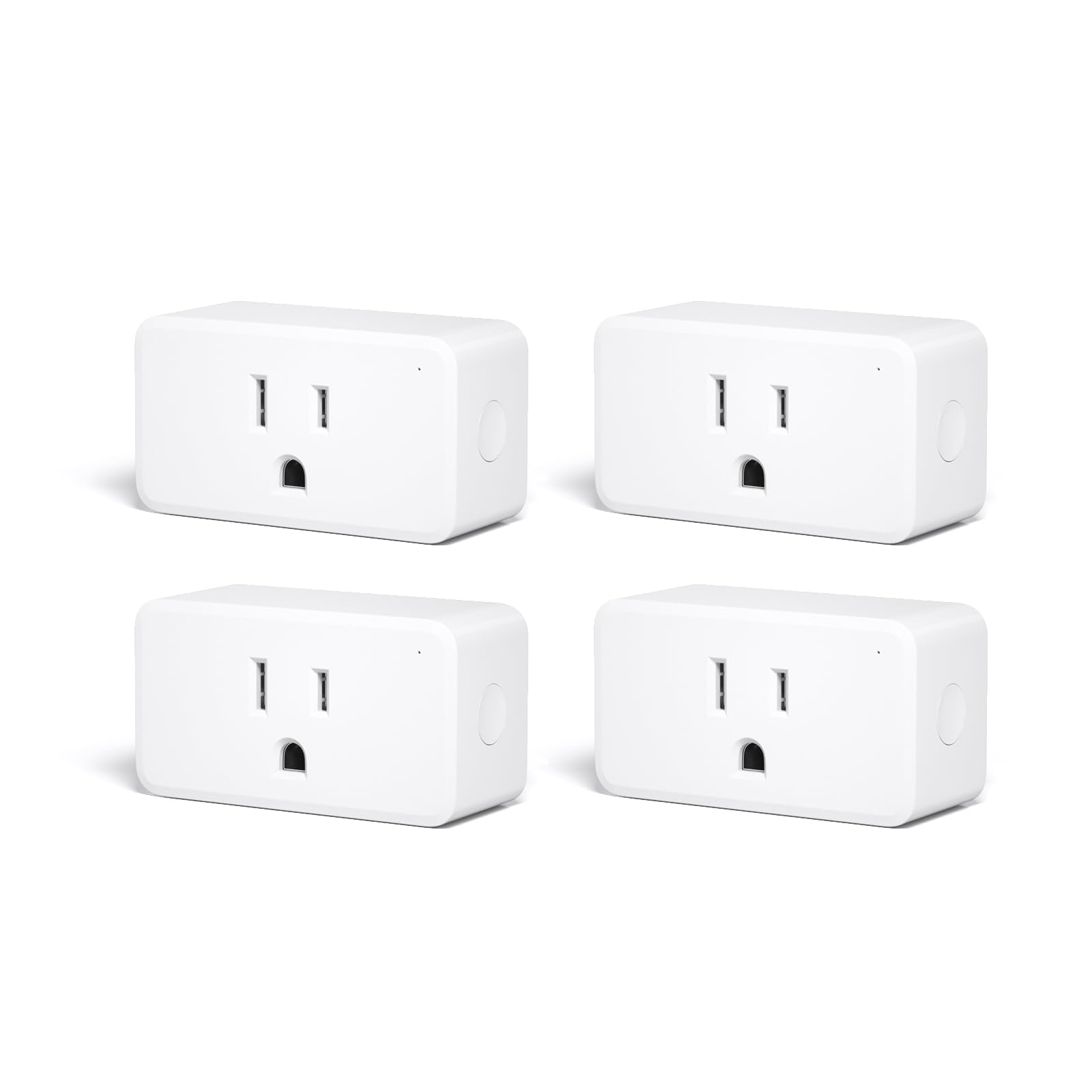
Features and Specifications
Type: Zigbee smart plug, four-pack
Power Rating: 15A outlet
Metering: Precise real-time power meter
Mesh Role: Enhanced Zigbee repeater
Certification: ETL certified
Hub Requirement: Zigbee hub required (sold separately)
Compatibility: Home Assistant, Echo devices, SmartThings
The headline capability here is the power meter. A plug that reports real-time consumption turns an ordinary appliance into a data source, which is the difference between switching a lamp on and knowing what a space heater actually costs to run. The 15A rating means the outlets are built for heavier loads than a lamp or a phone charger, so they can sit behind a window air conditioner, a dehumidifier, or a kitchen appliance without the buyer worrying about the plug being the weak link.
The Gen3 label matters for a different reason: the repeater function. Zigbee is a mesh protocol, and every mains-powered device in the network can relay traffic for devices further away. Four plugs spread around a house do more than four smart sockets’ worth of work, because they thicken the mesh that battery-powered sensors and remotes depend on.
Build, Power, and Mesh Coverage
The four plugs share one design, and the priorities are visible in the spec sheet: a 15A outlet, ETL certification, and a compact body meant to sit in a wall socket without blocking its neighbor. ETL certification is a safety listing, not a marketing badge, and it tells a buyer the plug has been tested to a recognized electrical standard. For a device that stays plugged in behind a heavy load, that is the specification that matters most.
Power metering is the feature that separates this bundle from a plain on/off plug. Real-time reporting lets an automation platform track consumption as it happens, which is useful for catching an appliance that has been left running, for building routines that respond to load, or simply for understanding which devices in a home draw the most. The accuracy claim in the product name is the manufacturer’s, and buyers comparing meters should treat it as a starting point rather than a lab result.
The enhanced repeater role is where the four-pack format pays off. A single Zigbee plug extends the mesh a little; four, placed between the hub and the far corners of a home, can meaningfully improve how reliably distant sensors report. Buyers with a detached garage, a long hallway, or a far bedroom that drops off the network are the ones who get the most from this.
Hub Requirements and Compatibility
This is not a Wi-Fi plug, and that is the single most important thing to understand before buying. The product name states it plainly: a Zigbee hub is needed. A buyer without one will need to add a Zigbee coordinator, whether that is a Home Assistant setup with a USB radio, a SmartThings hub, or an Echo device that supports Zigbee. The plugs will not pair directly to a phone over Wi-Fi.
For buyers who already run Home Assistant, the appeal is local control. Zigbee devices talk to a local coordinator, so automations keep working when the internet is down, and the power-meter data stays on the buyer’s own hardware. SmartThings and compatible Echo devices offer a simpler path for households that want app control and voice commands without building a server.
The compatibility list is broad but not universal. Buyers on Apple Home, Google Home alone, or a proprietary hub should confirm their platform supports Zigbee before ordering, because the plugs cannot bridge to a protocol their coordinator does not speak.
Real-Time Metering in Practice
Power metering changes what a smart plug is for. A plain plug answers "is it on?"; a metered plug answers "how much is it using, and when?" That opens up automations that react to load rather than to a schedule, such as a notification when a laundry cycle finishes or a routine that flags an appliance drawing power when it should be idle.
The catch is that the meter is only as useful as the platform reading it. Home Assistant exposes the data with full flexibility; simpler apps show less. Buyers who want the metering to earn its place should plan on a platform that can log and chart the readings, not just display a live number.
Where the Bundle Falls Short
Trade-off: The four-pack only makes sense for a household that already owns a Zigbee hub or plans to buy one, and buyers who just want a Wi-Fi plug they can control from a phone will find this bundle more setup than they need.
The other caution is placement. Zigbee mesh performance depends on where the plugs sit, and a four-pack bought for a single room leaves three units doing little. The value comes from spreading them out, which means the bundle suits a whole-home rollout better than a one-outlet experiment. Buyers should also expect that heavy loads and metering accuracy are separate concerns: the 15A rating covers the electrical side, while the meter’s precision is a reporting question, and neither substitutes for the other.
FAQ
-
Does the THIRDREALITY Smart Plug Gen3 need a hub?
Yes. The product requires a Zigbee hub, which is sold separately. It works with Home Assistant, SmartThings, and compatible Echo devices that support Zigbee. -
Can these plugs work with Wi-Fi only?
No. They are Zigbee devices, not Wi-Fi devices. A Zigbee coordinator is required for them to connect and be controlled. -
What does the 15A rating mean for buyers?
The outlets are rated for 15A loads, which covers heavier appliances than a basic lamp plug. Buyers should still check the appliance’s draw against the plug’s rating before use. -
What is the power meter used for?
The real-time meter reports how much power a connected device is drawing, which supports energy monitoring and load-based automations in a compatible platform. -
How does the Zigbee repeater function help?
Mains-powered Zigbee devices relay signals for the mesh. Four plugs placed around a home can extend coverage to distant sensors and remotes. -
Is ETL certification important?
ETL is a recognized safety listing. For a plug that stays energized behind an appliance, the certification is a meaningful indicator that the device has been tested to a standard. -
Will these plugs work with Apple Home or Google Home alone?
Buyers should confirm their platform supports Zigbee. The plugs need a Zigbee coordinator, and a platform that does not speak Zigbee cannot control them directly. -
Who is the four-pack for?
Households running a Zigbee hub across multiple rooms, especially Home Assistant users who want local control and energy data. A single-outlet buyer is better served by a smaller pack. -
Can the plugs be used outdoors?
The product is designed as an indoor wall outlet plug. Buyers should not assume outdoor or wet-location use without confirming the rating. -
What should a buyer check before ordering?
Confirm a Zigbee hub is present, confirm the platform is on the compatibility list, and plan where the four plugs will go so the mesh benefit is realized.
Bottom Line
The THIRDREALITY Smart Plug Gen3 4 Pack is the right buy for a household already committed to Zigbee, particularly one running Home Assistant that wants local control, real-time power data, and stronger mesh coverage in one order. The 15A rating and ETL certification cover the safety side, and the repeater function makes the four-pack more than a bundle of sockets. Buyers without a Zigbee hub should budget for one, or look elsewhere.
