Why there are Amazon links here: Brave Review is paid a commission for qualifying Amazon purchases made through the links below. Your price does not change, and using our links is entirely optional. How this works
Best False Alarm Reduction Techniques for Calming an Overactive Mind
False alarm reduction techniques are the skills that teach a body to stop treating every twinge, thought and what-if as an emergency. This short roundup covers five books that approach that job from different angles: a free evidence-informed workbook for everyday overwhelm, two low-cost guides aimed squarely at health anxiety and the racing mind, a clinical-style field manual, and one specialist text on alarm systems themselves. Readers who want a single practical starting point should take the free pick; readers whose worry centers on physical symptoms should go straight to the health-anxiety titles; anyone curious about the technical side of alarms will find the odd one out at the bottom. The overview table below lines up all five so a decision can be made in under a minute.
The Picks at a Glance
| Product | Key Spec | Best Use | Price Tier |
|---|---|---|---|
| Quieting the False Alarm | Free Kindle edition | Broad, everyday anxiety skills | Free |
| False Alarm: An Honest Field Manual | Kindle edition, health-anxiety focus | Worry about physical symptoms | Budget |
| Always on Edge | Paperback, series entry | Understanding the loop itself | Budget |
| Techniques of Burglar Alarm Bypassing | Paperback, technical security text | Security professionals | Premium |
| False Alarm: The Truth About the Epidemic of Fear | Audiobook, free with trial | Commuters and audio learners | Free with trial |
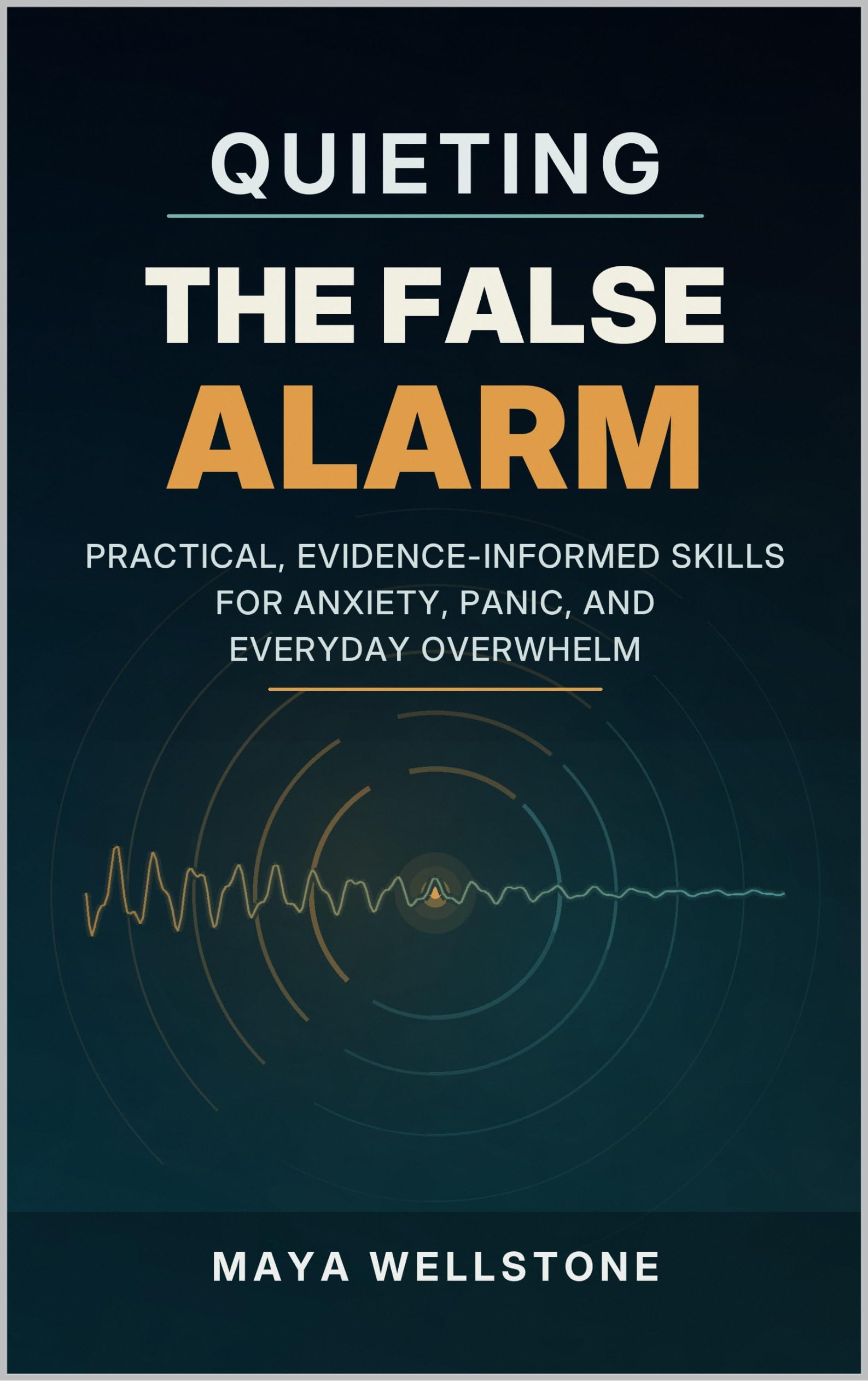
1. Quieting the False Alarm: Practical, Evidence-Informed Skills for Anxiety, Panic, and Everyday Overwhelm
Format: Digital book
Subject: Anxiety, panic and overwhelm
Approach: Evidence-informed skills
Length: Full-length guide
Price Tier: Free
Quieting the False Alarm: Practical, Evidence-Informed Skills for Anxiety, Panic, and Everyday Overwhelm is built as a skills manual rather than a memoir or a theory book. The title signals its scope: panic, general anxiety and the ordinary overwhelm that follows a stressful week. Because it is digital, it can be opened on a phone in the middle of a bad moment, which matters more than it sounds for this category.
The book earns its place as the default recommendation because it costs nothing and covers the widest ground. Readers who are not yet sure whether their problem is panic, health worry or plain burnout get a survey of techniques before committing to a narrower title. The trade-off is that a free digital edition rarely comes with the depth or the worked examples of a paid clinical workbook, so readers with a specific, entrenched fear may want one of the focused titles below.
Trade-off: A free, broad survey will feel thin to anyone hunting for step-by-step protocols for one specific fear.
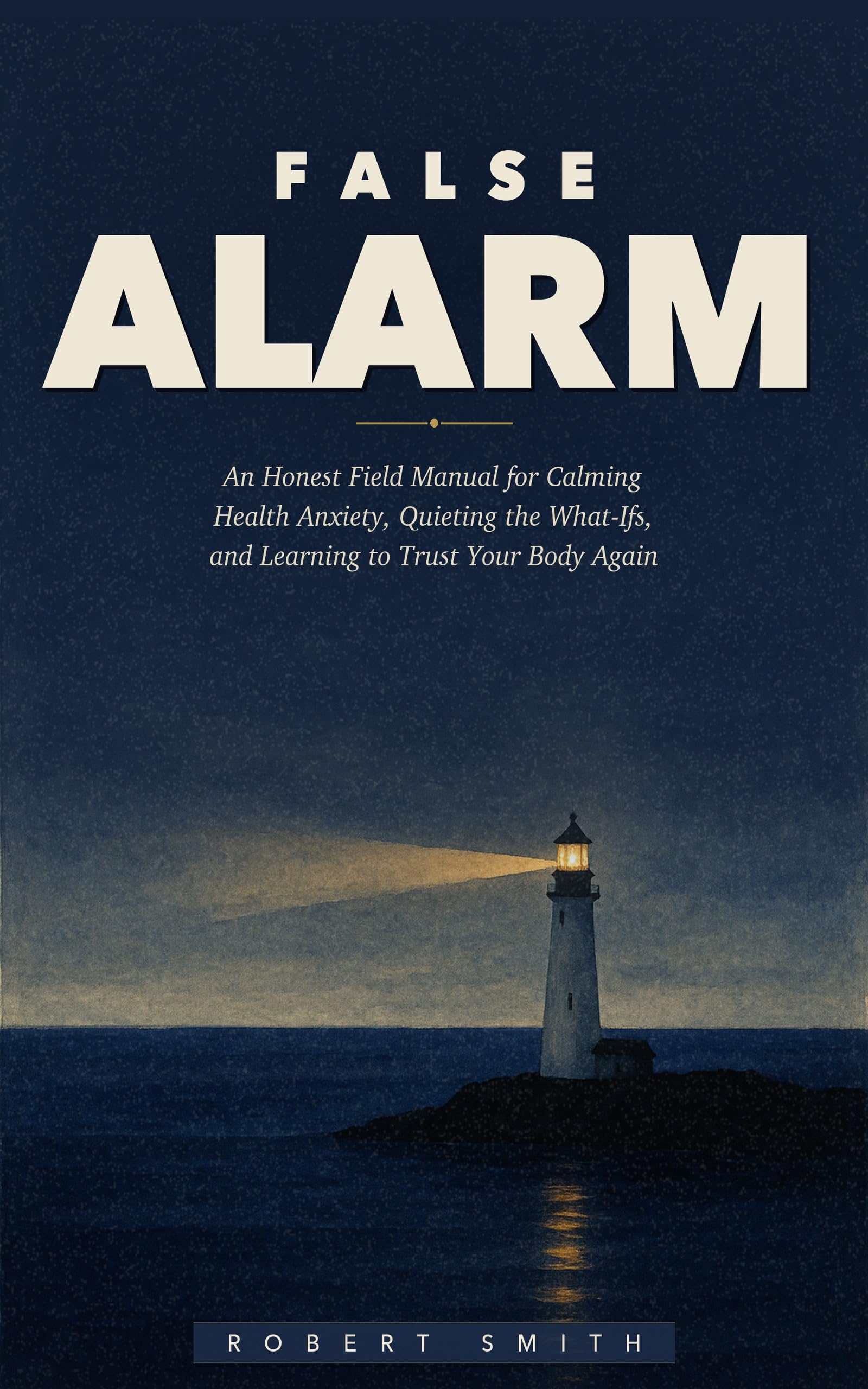
2. False Alarm: An Honest Field Manual for Calming Health Anxiety, Quieting the What-Ifs, and Learning to Trust Your Body Again
Format: Digital book
Subject: Health anxiety
Approach: Field manual, practical
Tone: Honest, direct
Price Tier: Budget
False Alarm: An Honest Field Manual for Calming Health Anxiety, Quieting the What-Ifs, and Learning to Trust Your Body Again narrows the lens to one of the most common false alarms of all: the body. Its subtitle names the three jobs it sets out to do — calm health anxiety, quiet the what-ifs, and rebuild trust in physical sensation. The "field manual" framing suggests short, usable sections rather than long chapters of theory.
This is the pick for the reader who has already been cleared by a doctor but still finds a pulse, a headache or a twinge spiraling into a search engine session. It suits people who want instructions rather than reassurance, and the budget price makes it an easy add-on to the free title above. The trade-off is scope: a book this focused on health worry is the wrong purchase for someone whose anxiety is mainly social or work-driven.
Trade-off: The tight health-anxiety focus leaves other forms of worry largely unaddressed.
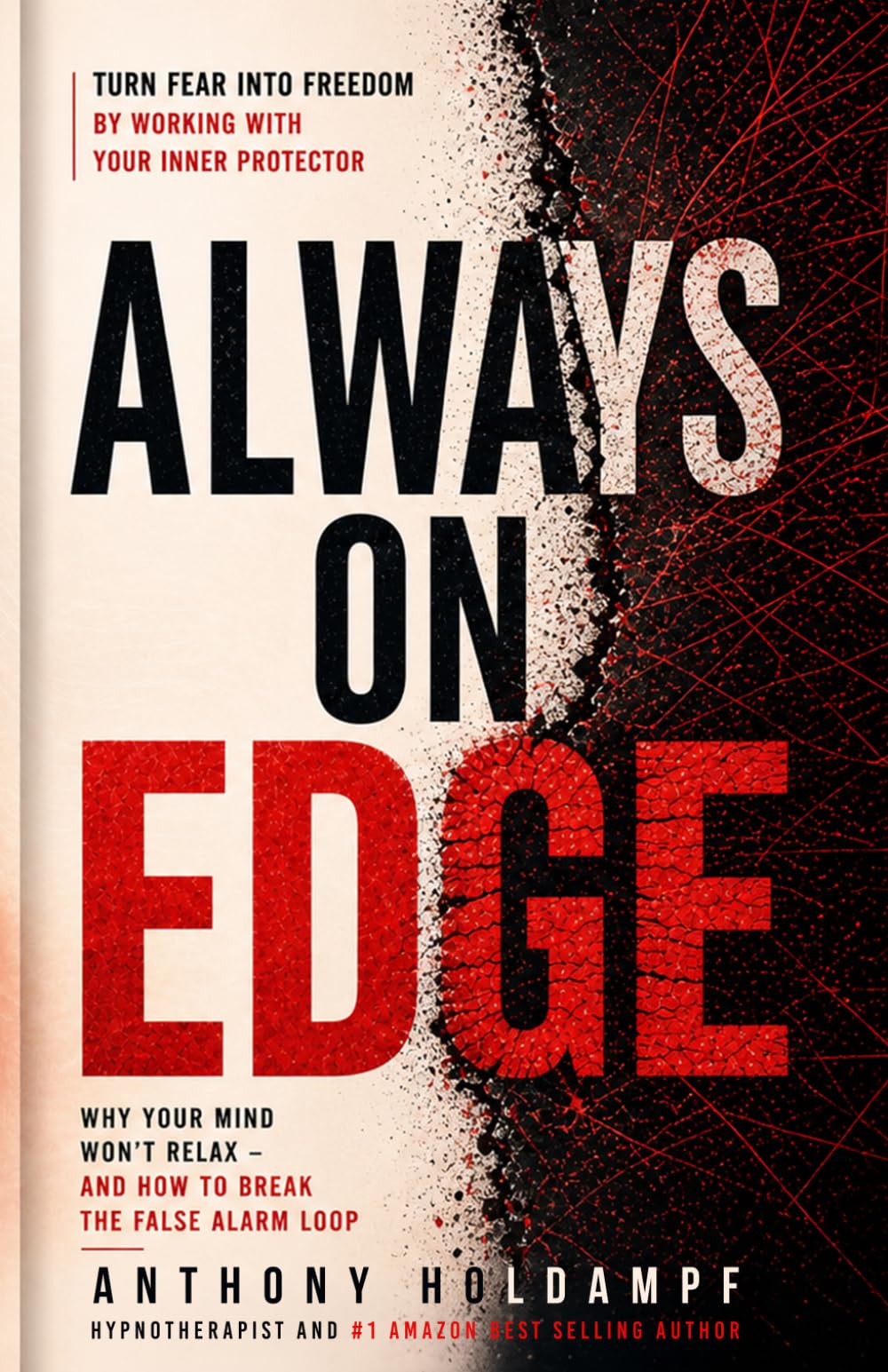
3. Always on Edge: Why Your Mind Won’t Relax And how to Break The False Alarm Loop (The Inner Protector Series)
Format: Paperback
Subject: Chronic tension and hypervigilance
Approach: Explains the loop, then breaks it
Series: The Inner Protector Series
Price Tier: Budget
Always on Edge: Why Your Mind Won’t Relax And how to Break The False Alarm Loop (The Inner Protector Series) tackles the mechanism rather than the symptom list. Its premise is that a mind stuck on high alert is running a protective program that has stopped switching off, and that understanding the loop is the first step to interrupting it. As part of a named series, it is written to stand alone while pointing toward a wider framework.
The paperback format makes it the pick for readers who want something to hold, mark up and leave on a nightstand — a real advantage for a book meant to be revisited during tense evenings. It suits the person who has read a quick guide and now wants the "why" behind the pattern. The trade-off is that explanation-heavy books can be slow going for a reader in acute distress who needs an instruction on the page immediately.
Trade-off: A concept-first approach rewards patience but moves slower than a pure exercise book.
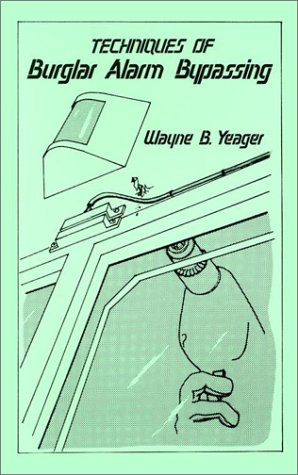
4. Techniques of Burglar Alarm Bypassing
Format: Paperback
Subject: Physical security systems
Approach: Technical reference
Audience: Security professionals
Price Tier: Premium
Techniques of Burglar Alarm Bypassing is the literal reading of the keyword: a technical text about alarm systems and how they are defeated. It belongs in this roundup only as a deliberate contrast, and it is worth being blunt about that. The reader looking for help with an overactive nervous system has no use for it; the reader researching alarm installation, security assessment or the trade literature may find it relevant.
Its premium price reflects a specialist, low-volume reference rather than a mass-market paperback, and that is the honest caution here. This is a professional shelf book, not a self-help purchase, and anyone who arrives expecting anxiety advice will be disappointed within the first page.
Trade-off: A niche security reference at a specialist price, with no application to personal anxiety.
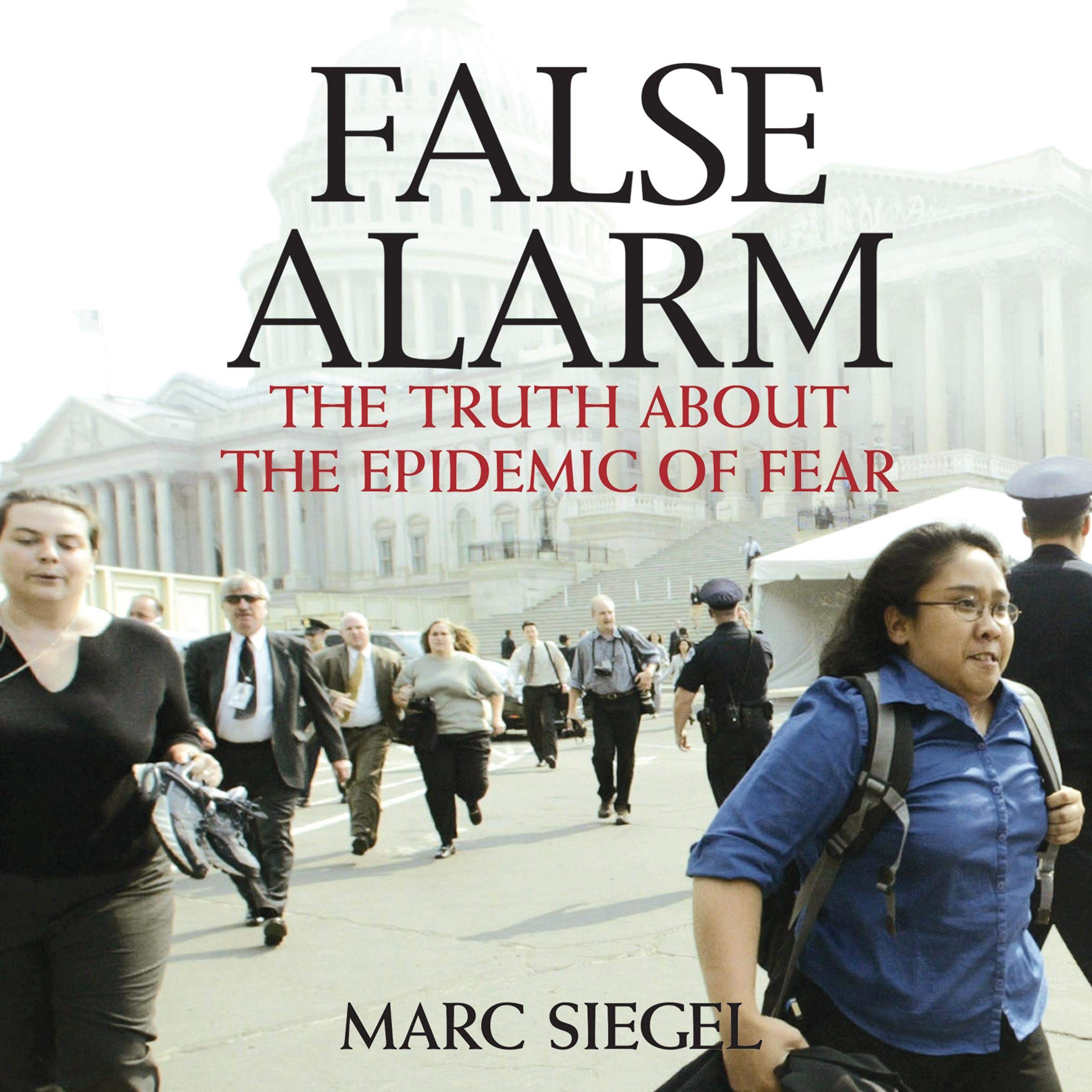
5. False Alarm: The Truth About the Epidemic of Fear
Format: Audiobook
Subject: Cultural and social fear
Approach: Narrative, big-picture
Availability: Free with Audible trial
Price Tier: Free with trial
False Alarm: The Truth About the Epidemic of Fear zooms out from the individual nervous system to the culture that feeds it. Its subject is the wider epidemic of fear — how risk gets amplified and how whole populations end up on alert. As an audiobook offered free with a trial, it is the easiest of the five to start, and the format suits commutes, chores and walks.
This is the pick for the reader who wants context and perspective rather than exercises, and who absorbs material better by ear than by page. It pairs naturally with a practical title: one explains the alarm, the other explains why the alarm is so loud in the first place. The trade-off is that a narrative audiobook offers no space to write, highlight or flip back, so it works poorly as a workbook substitute.
Trade-off: Perspective without practice — the audio format and big-picture scope leave no room for exercises.
Before You Buy
- Format: Digital titles open instantly on a phone, which matters when the alarm hits at night; paperbacks suit marking up and revisiting.
- Scope: Broad surveys are the safer first purchase; narrow titles such as the health-anxiety manual pay off only when the specific fear matches.
- Approach: Some readers want exercises, others want explanation. Mixing one of each is usually more useful than buying two of the same type.
- Audio vs. page: An audiobook fits commutes but cannot be written in; choose it for context, not for drills.
- Price tier: A free title is the lowest-risk way to test whether a particular author’s voice works before spending more.
- Series and editions: A book that belongs to a named series may reference earlier volumes, so check whether it stands alone.
- Intended audience: Technical security references look similar in a search but serve a completely different reader; confirm the subject before buying.
Frequently Asked Questions
-
What counts as a false alarm reduction technique?
Any skill that helps a person recognize a stress response as a stress response before acting on it — breathing work, thought labeling, exposure, and structured worry time are common examples. -
Which pick is best for health anxiety specifically?
The Honest Field Manual, since its entire scope is calming health worry and rebuilding trust in the body. -
Is the free book enough on its own?
For mild, general overwhelm it can be. Readers with a specific, long-standing fear usually benefit from adding one of the focused titles. -
Why is a burglar alarm book in this list?
Because the keyword has two meanings. It is included for transparency and for security professionals, not as anxiety reading. -
Does an audiobook work for this kind of material?
It works well for the cultural, big-picture title. It works poorly for anything requiring written exercises. -
Can these books replace professional care?
No. They are self-help reading, and anyone with impairing anxiety should treat them as a supplement to, not a substitute for, clinical support.
Bottom Line
The fastest route to calmer days is the free one: Quieting the False Alarm covers the widest ground at no cost, and it tells a reader quickly whether a focused title is worth adding. Those whose worry runs through the body should pair it with the health-anxiety field manual, and readers who want to understand the loop before they break it should reach for the paperback.
