Why there are Amazon links here: Brave Review is paid a commission for qualifying Amazon purchases made through the links below. Your price does not change, and using our links is entirely optional. How this works
Best Power Station for a Household with a Medical Device
A home with a medical device has one requirement a normal household does not: the power cannot simply come back later. This guide ranks five power stations by how well they keep a ventilator, oxygen concentrator, CPAP or similar device running through an outage, and it separates the models that switch over automatically from the ones that need a hand. Buyers on a tight budget, buyers running a single bedside device, and buyers protecting a whole-home setup each get a clear pick. The overview table below settles the shortlist in under a minute.
Overview of the Picks
| Product | Key Spec | Best Use | Price Tier |
|---|---|---|---|
| Backup LiFePO4 Battery 640Wh | 640Wh, 10ms UPS, 4 AC | Bedside device on a budget | Budget |
| BLUETTI Elite 30 V2 | 288Wh, 10ms UPS | Portable backup for a single device | Budget |
| Anker SOLIX S2000 | 2,010Wh, 1,500W | Multi-hour runtime at home | Mid-range |
| Jackery HomePower 3600 Plus | 3,584Wh, expandable to 21kWh | Whole-home essential circuits | Premium |
| EF ECOFLOW DELTA Pro | 3,600Wh, expandable to 25kWh | Long outages, expandable setup | Premium |
Backup LiFePO4 Battery, 640Wh, 1200W Surge
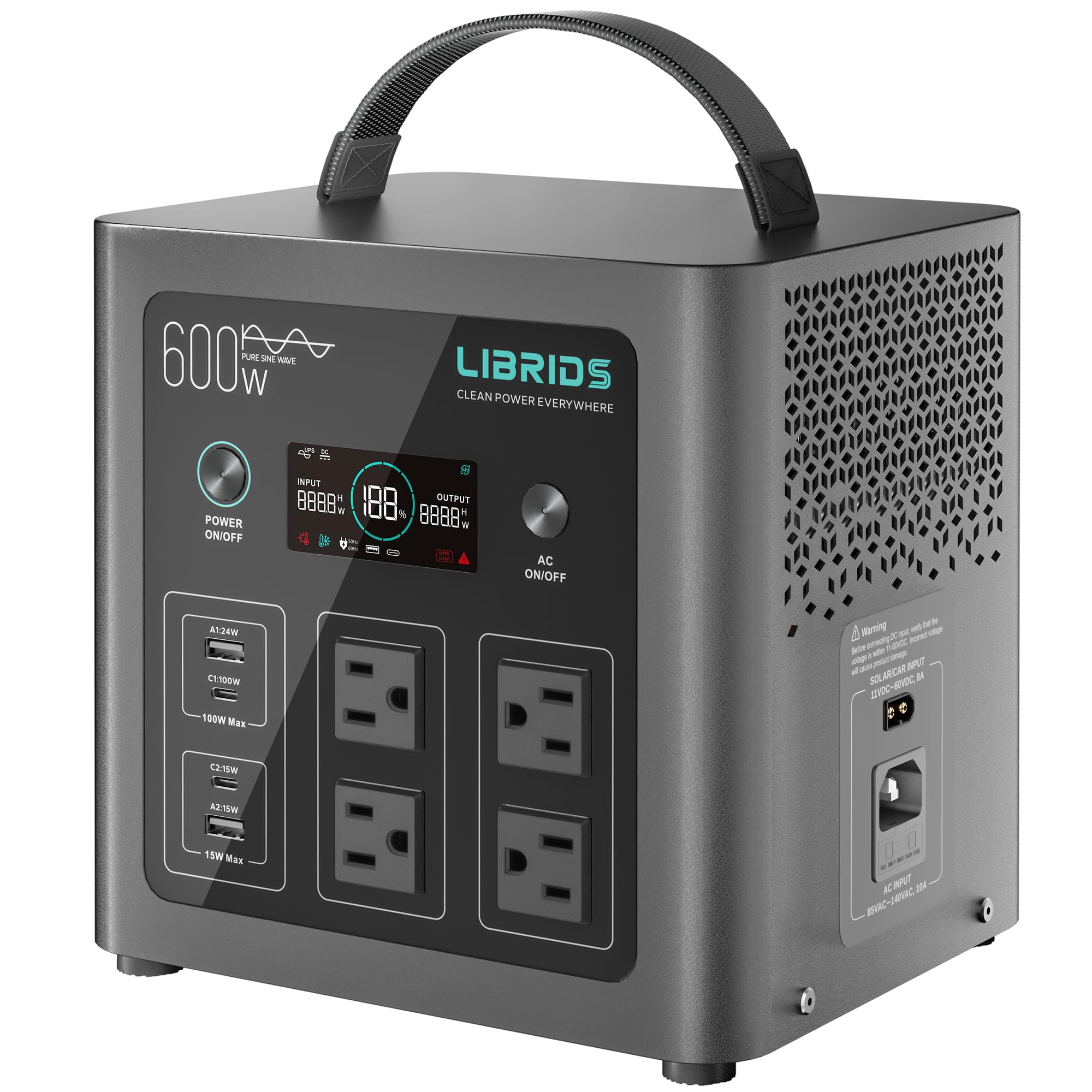
Battery Type: LiFePO4
Capacity: 640Wh
AC Output: 1200W surge, 4 AC ports
UPS Switchover: 10ms
Recharge Time: 1.5 hours
Build: Metal housing, pure sine wave output
This unit is built around the two things a medical household cares about most: a pure sine wave output that sensitive electronics tolerate, and a 10ms UPS handoff that most devices ride through without noticing. The metal housing is a step up from the plastic shells common at this price, and the eight ports cover a device plus a lamp, a phone and a router without a power strip.
The 640Wh capacity is enough for a night of CPAP use or several hours of a modest draw device, but it is not a whole-room solution. Buyers with a high-draw concentrator should size up. For a single bedside device with automatic switchover on a budget, it is the value pick here.
Trade-off: The 1.5-hour recharge is quick only on a strong wall circuit, and the 640Wh ceiling leaves little headroom for a second device running at the same time.
Check the current price on Amazon
BLUETTI Elite 30 V2 Portable Power Station
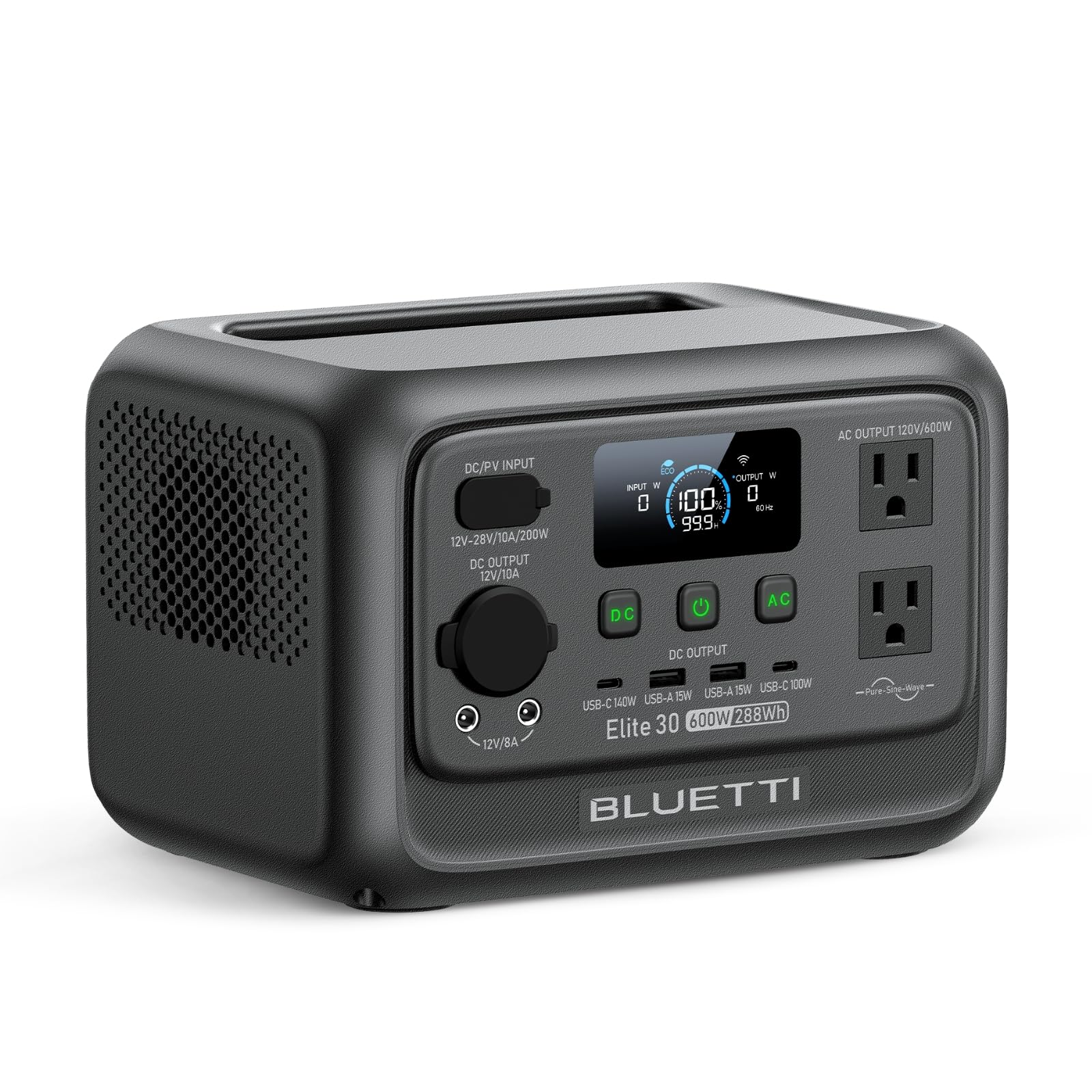
Battery Type: LFP (LiFePO4)
Capacity: 288Wh
AC Output: 600W, power lifting to 1500W
UPS Switchover: 10ms
Recharge Time: 45 minutes to 80%
Best For: Blackout, camping, outage, road trip
The Elite 30 V2 is the smallest pick here and the one that travels best. The LFP chemistry is the long-life option, the 10ms UPS mode makes it a genuine bedside backup rather than a manual swap, and the fast recharge means it recovers between outages quickly.
The power lifting feature lets it start appliances that draw more than its rated output for a moment, which helps with motor-driven equipment. The 288Wh capacity is the limit: this is a single-device backup for a short outage, not an overnight solution for a high-draw machine. It suits apartment dwellers and travelers who need a device protected wherever it goes.
Trade-off: At 288Wh, runtime is measured in hours rather than nights, so a household with a continuous high-draw device will drain it faster than expected.
Check the current price on Amazon
Anker SOLIX S2000 Portable Power Station
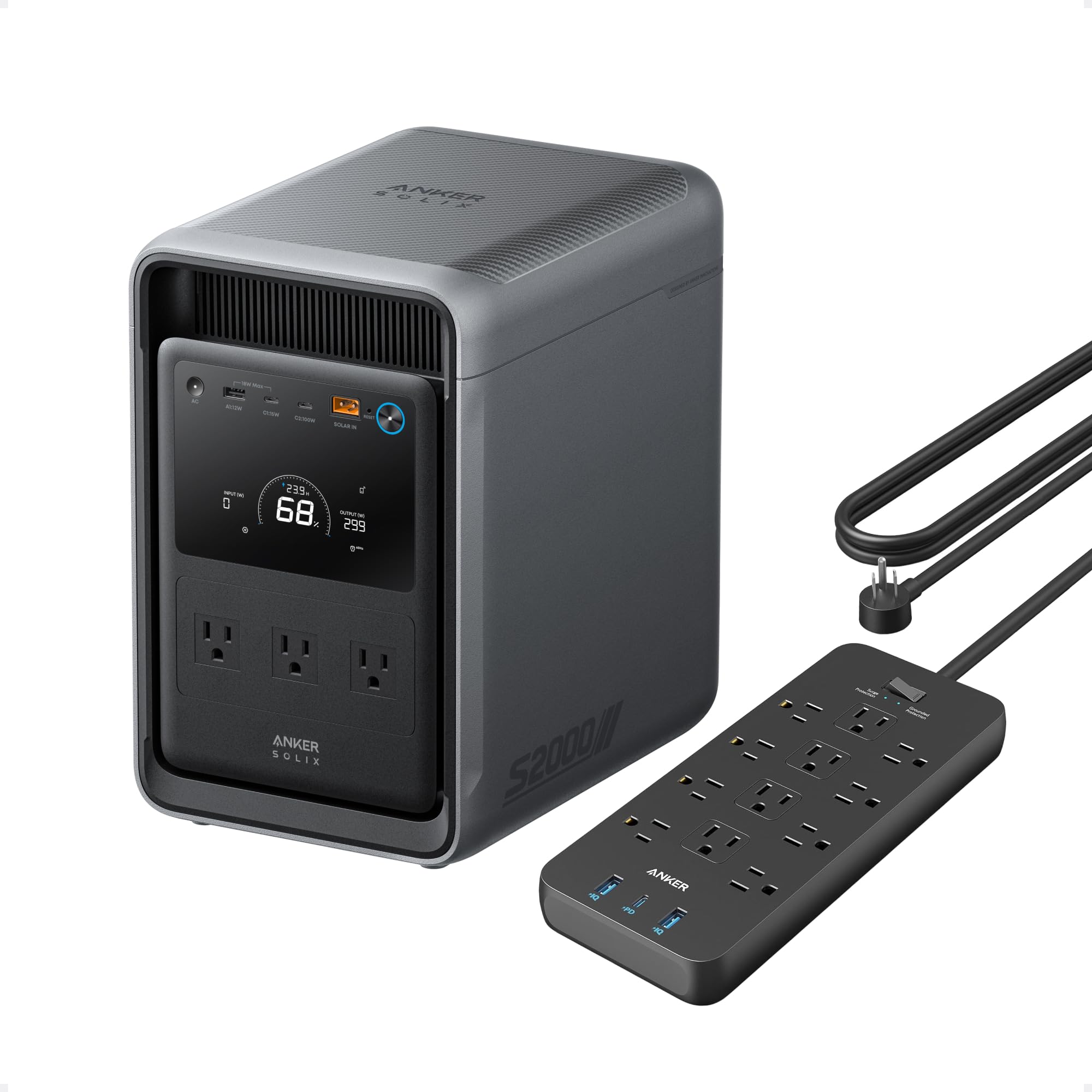
Battery Type: LiFePO4
Capacity: 2,010Wh
AC Output: 1,500W
Included: Power strip
Intended Use: Home backup, outdoor, emergency
The S2000 is the sensible middle of this list. Two kilowatt-hours of LFP storage covers an overnight device run with margin to spare, and the 1,500W output handles most home medical equipment without straining. The bundled power strip is a small convenience that matters in a bedroom with limited outlets.
Anker’s build quality is the draw at this tier, and the LFP cells are rated for a long service life compared with older chemistries. It is heavy enough that it stays put, which suits a permanent bedside or hallway position. Buyers who want a set-and-forget unit without paying flagship prices land here.
Trade-off: The name does not state a UPS switchover time, so a buyer who needs guaranteed automatic handoff should confirm that detail before relying on it for a critical device.
Check the current price on Amazon
Jackery HomePower 3600 Plus Power Station

Battery Type: LFP
Capacity: 3,584Wh
AC Output: 3600W
Expandable: Up to 21kWh
Power Source: Solar panel optional
Intended Use: Essential home backup, emergencies, RV
The HomePower 3600 Plus is a whole-home-essentials machine. Nearly 3.6kWh onboard and expansion to 21kWh means it can carry a medical device plus a refrigerator, lights and communications for a multi-day outage. The 3600W output runs heavy equipment that smaller stations cannot start.
Expansion is the real feature: a household can begin with the base unit and add battery capacity later as needs grow. That flexibility suits buyers planning for aging parents or a device that may become more demanding. It is also the most popular unit on this list by purchase volume, which reflects how many households treat this as permanent infrastructure.
Trade-off: This is a fixed installation in practice, and the premium price only makes sense for a household that needs the capacity and expansion path.
Check the current price on Amazon
EF ECOFLOW DELTA Pro Portable Power Station
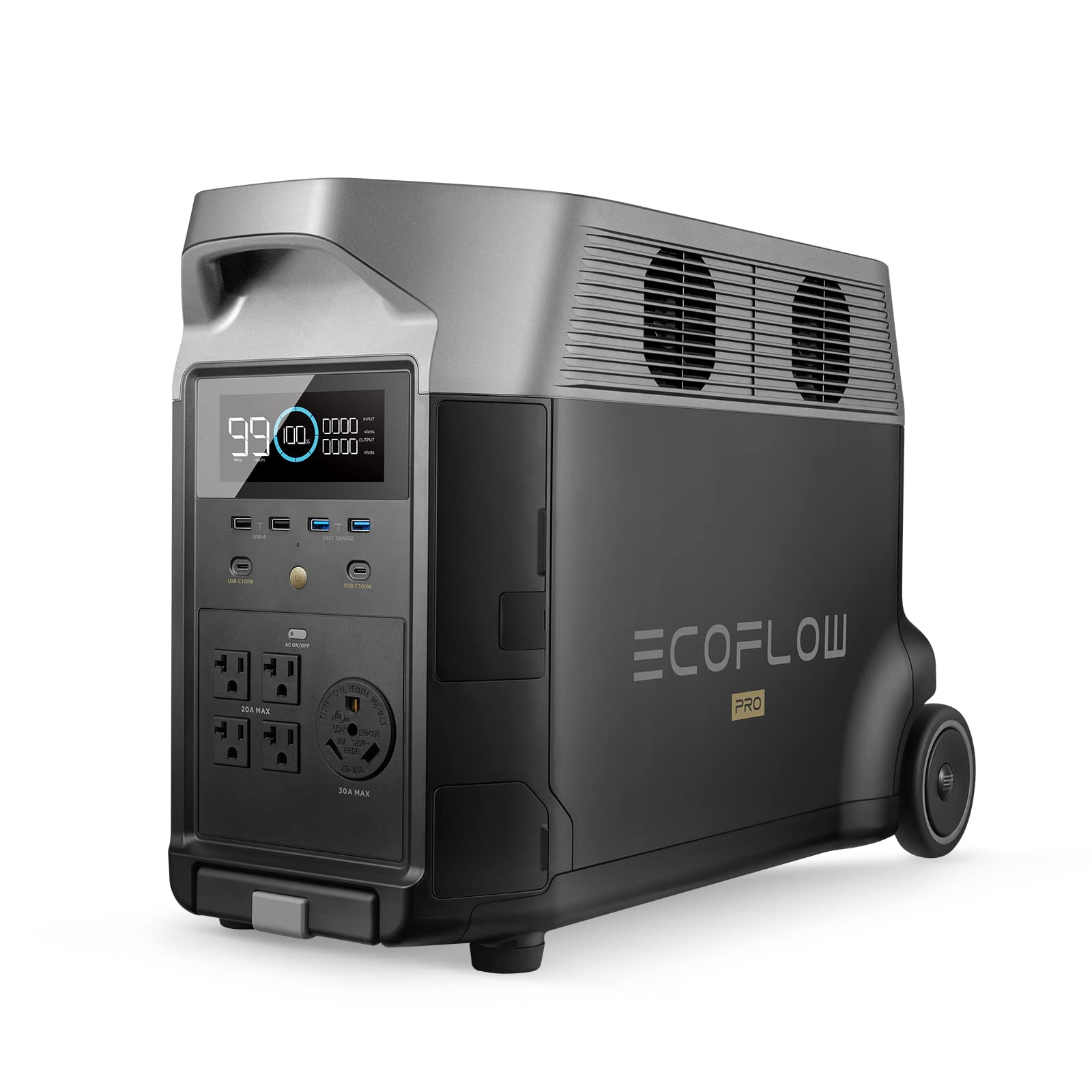
Capacity: 3,600Wh
AC Output: 120V, 3600W
Recharge Time: 2.7 hours
Expandable: Up to 25kWh
Intended Use: Home use, power outage, camping, RV, emergencies
The DELTA Pro matches the Jackery on output and edges it on expansion ceiling, reaching 25kWh with add-on batteries. The 2.7-hour recharge is the standout specification for a household that wants the unit back to full between storm waves rather than overnight.
EcoFlow’s ecosystem is the reason to choose it: extra batteries, solar input and transfer accessories are widely available, so the system can grow with the household. It handles a high-draw medical device and the rest of a critical circuit at once. Buyers building a long-term outage plan rather than buying a one-off gadget should shortlist it.
Trade-off: The expansion ceiling only pays off if the buyer actually adds batteries, and the base unit alone is a large investment for a single device.
Check the current price on Amazon
Before You Buy
- UPS switchover: A medical device that must not restart needs a unit rated for automatic switchover, such as the 10ms models here; confirm the figure before purchase.
- Capacity versus draw: Multiply the device’s wattage by the hours it must run, then add margin; 288Wh and 640Wh units cover hours, not nights.
- Output type: Pure sine wave output protects sensitive medical electronics; all five picks here are inverter-based stations suited to that job.
- Placement: Larger units are heavy and belong on a floor near the device, with the cord run kept short and clear of foot traffic.
- Recharge plan: Wall recharge is fastest, solar is slowest; a household facing multi-day outages needs a recharge method that does not depend on the grid.
- Expansion path: Buyers planning for future needs should check whether the model accepts add-on batteries before committing.
- Device documentation: The equipment manufacturer’s guidance on backup power takes priority over any general advice here.
Frequently Asked Questions
-
What size power station does a medical device need?
It depends on the device’s wattage and how long it must run. A single low-draw bedside device can be covered by a 288Wh to 640Wh unit, while a high-draw machine running overnight points to 2kWh or more. -
What does 10ms UPS mean for a medical device?
It is the gap between grid power dropping and the station taking over. A 10ms handoff is short enough that most equipment keeps running without a restart. -
Can a power station run a CPAP all night?
Yes, if capacity is matched to the machine’s draw. A 640Wh unit typically covers a night for a standard CPAP, while heated humidifiers shorten runtime considerably. -
Is solar enough to keep a medical device running?
Solar extends runtime but is weather-dependent and slow. It works as a supplement to wall charging, not as the only plan for a critical device. -
How long will an LFP power station last?
LFP chemistry is chosen for long service life and stable performance over many charge cycles, which is why every pick on this list uses it. -
Should the power station stay plugged in?
Keeping it on wall power with UPS mode active is the usual setup for a critical device, so the battery is full and the handoff is automatic when the grid fails.
Bottom Line
For most households protecting a medical device, the Anker SOLIX S2000 is the pick: 2,010Wh of LFP storage and 1,500W of output cover an overnight device run with room for a lamp and a router, at a mid-range price that does not require a whole-home budget. Households on a tight budget or protecting a single bedside device should start with the Backup LiFePO4 Battery 640Wh for its 10ms UPS handoff, while buyers planning for multi-day outages should go straight to the Jackery HomePower 3600 Plus or the DELTA Pro and their expansion paths.
