Why there are Amazon links here: Brave Review is paid a commission for qualifying Amazon purchases made through the links below. Your price does not change, and using our links is entirely optional. How this works
8 Best Home Battery Backup for a Power Cut – Stay Powered When the Grid Goes Down
A power cut turns a normal evening into a scramble for flashlights, a dead fridge, and a phone at 4 percent battery. The right home battery backup keeps the essentials running without a noisy generator or a tank of fuel. This guide covers eight units that range from a plug-in UPS for the router and desktop to expandable stations that can carry a room through an outage.
The top pick for most households is the Jackery HomePower 3600 Plus Power Station, which pairs a large LiFePO4 bank with a 3600W AC output and room to grow. The budget-conscious buyer who just wants the lights and Wi-Fi to stay on should look at the BLUETTI Elite 100 V2 or the EF ECOFLOW Delta 3 Classic.
Picks were judged on battery chemistry, usable capacity, continuous AC output, switchover speed for sensitive electronics, and how far each unit can be expanded. Portability, charge time, and price tier also weighed in. Below is a quick comparison, followed by full reviews, a buying guide, and answers to the questions buyers ask most.
At a Glance
| Product | Key Spec | Best Use | Price Tier |
|---|---|---|---|
| Jackery HomePower 3600 Plus | 3584Wh, 3600W AC, expandable to 21kWh | Whole-home essentials and long outages | Premium |
| EF ECOFLOW Delta 3 Classic | 1024Wh, 1800W AC, 3600W surge | Apartment and small-home backup | Mid-range |
| PECRON F3000LFP | 3072Wh, 3600W, expandable to 10752Wh | Large loads on a tighter budget | Mid-range |
| BLUETTI Elite 100 V2 | 1024Wh, 1800W AC, 3600W surge | Compact everyday backup | Mid-range |
| CyberPower CP1500PFCLCD | 1500VA/1000W, 12 outlets, AVR | Desktop, router, and network gear | Budget |
| 2400W Portable Power Station | 2150Wh, 2400W, 10ms UPS | Emergency and camping crossover | Mid-range |
| 640Wh Portable Power Station | 640Wh, 1200W surge, 8 ports | Small loads and grab-and-go use | Budget |
| Jackery HomePower 1000 Plus v2 | 1024Wh, 1800W AC, expandable to 11kWh | Growing backup needs on a budget | Mid-range |
Top 8 Best Home Battery Backup for a Power Cut Reviews
Jackery HomePower 3600 Plus Power Station

Battery Chemistry: LiFePO4
Capacity: 3584Wh
Expandable To: 21kWh
AC Output: 3600W
Intended Use: Home backup, emergencies, RV
Solar: Panel optional
This is the pick for a household that wants real whole-home coverage rather than a few hours of lights. The 3584Wh bank and 3600W AC output can carry a fridge, a furnace blower, lights, and electronics at the same time, and the expandable design lets a buyer add capacity over time instead of replacing the unit. It sits at the top of the range on price, but it is the most future-proof option here.
In a real outage, the value shows up in the loads it can start. A 3600W continuous output handles motor-driven appliances that trip smaller stations, and the LiFePO4 chemistry is built for many charge cycles across years of standby use. The expandability to 21kWh means the same unit can grow into a larger backup plan without a second purchase.
The honest weak spot is size and cost. This is a heavy, premium unit that is not something a buyer tosses in the car for a camping weekend, and the price puts it out of reach for anyone who only needs to keep a router alive. Buyers who want light, cheap, grab-and-go backup should look lower in this list.
Trade-off: The high price and bulk make it overkill for anyone whose outage plan is just a phone and a lamp.
EF ECOFLOW Delta 3 Classic Portable Power Station
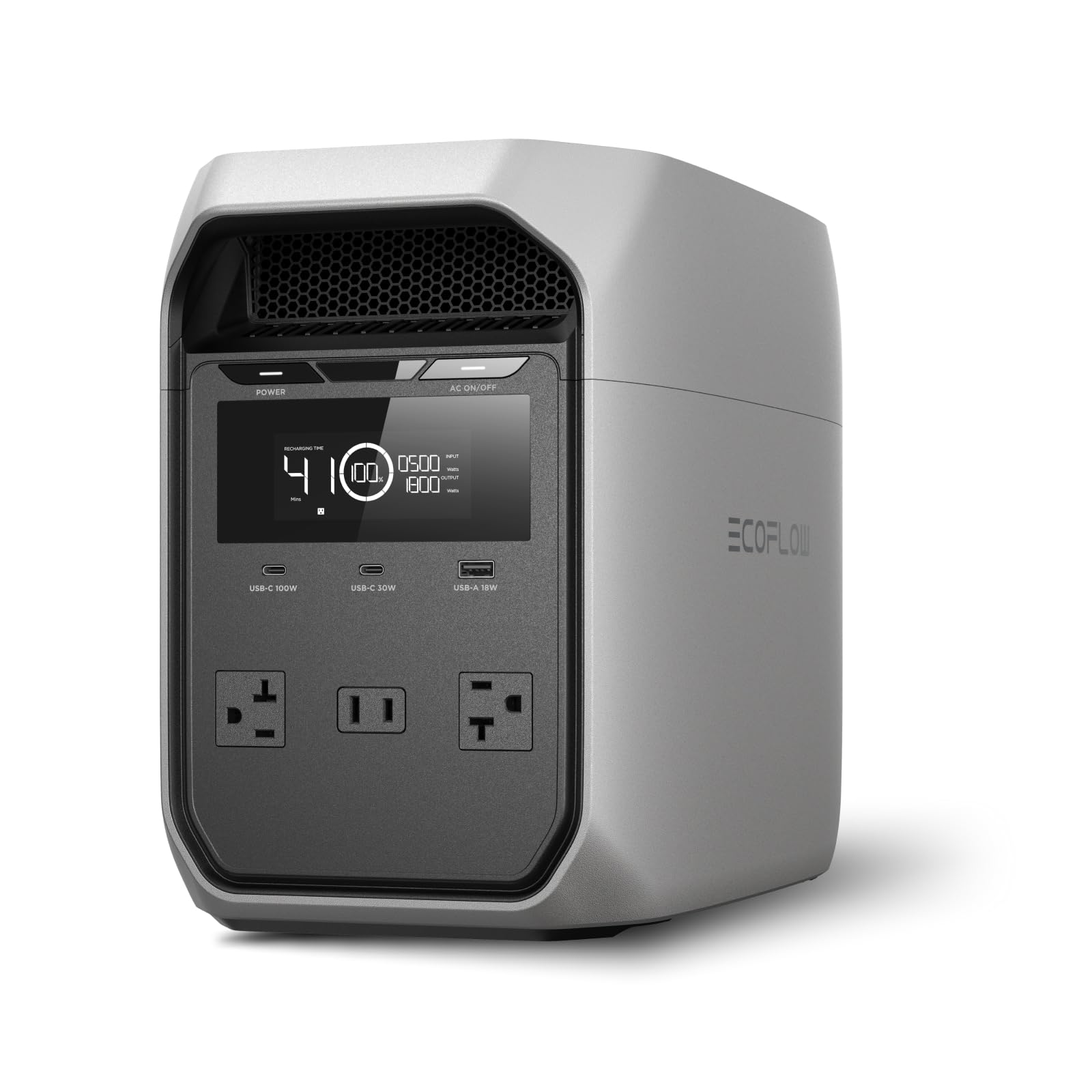
Battery Chemistry: LiFePO4
Capacity: 1024Wh
AC Output: 1800W
Surge: 3600W
UPS Switchover: 10ms
Fast Charge: 1 hour
USB-C Output: 100W
This is the sweet spot for an apartment or a small home where the goal is keeping the essentials alive through a short outage. The 10ms UPS switchover means a desktop or router keeps running without a reboot when the grid drops, and the 1800W AC output with a 3600W surge can start a fridge or a small pump. The one-hour fast charge is a genuine convenience when a storm is forecast.
Real-world performance leans on that UPS behavior. Plugged into a wall and feeding a workstation, it behaves like a large uninterruptible power supply until the power returns, then recharges quickly. The 100W USB-C output covers laptops and phones without an adapter, which matters when the household is huddled around one power source.
The limitation is capacity. At 1024Wh, this unit carries a fridge for hours, not days, and it cannot run a whole panel. Buyers with a long outage history or heavy loads should step up to a larger, expandable model.
Trade-off: The 1024Wh ceiling means it is a short-outage tool, not a multi-day whole-home solution.
PECRON F3000LFP Portable Power Station
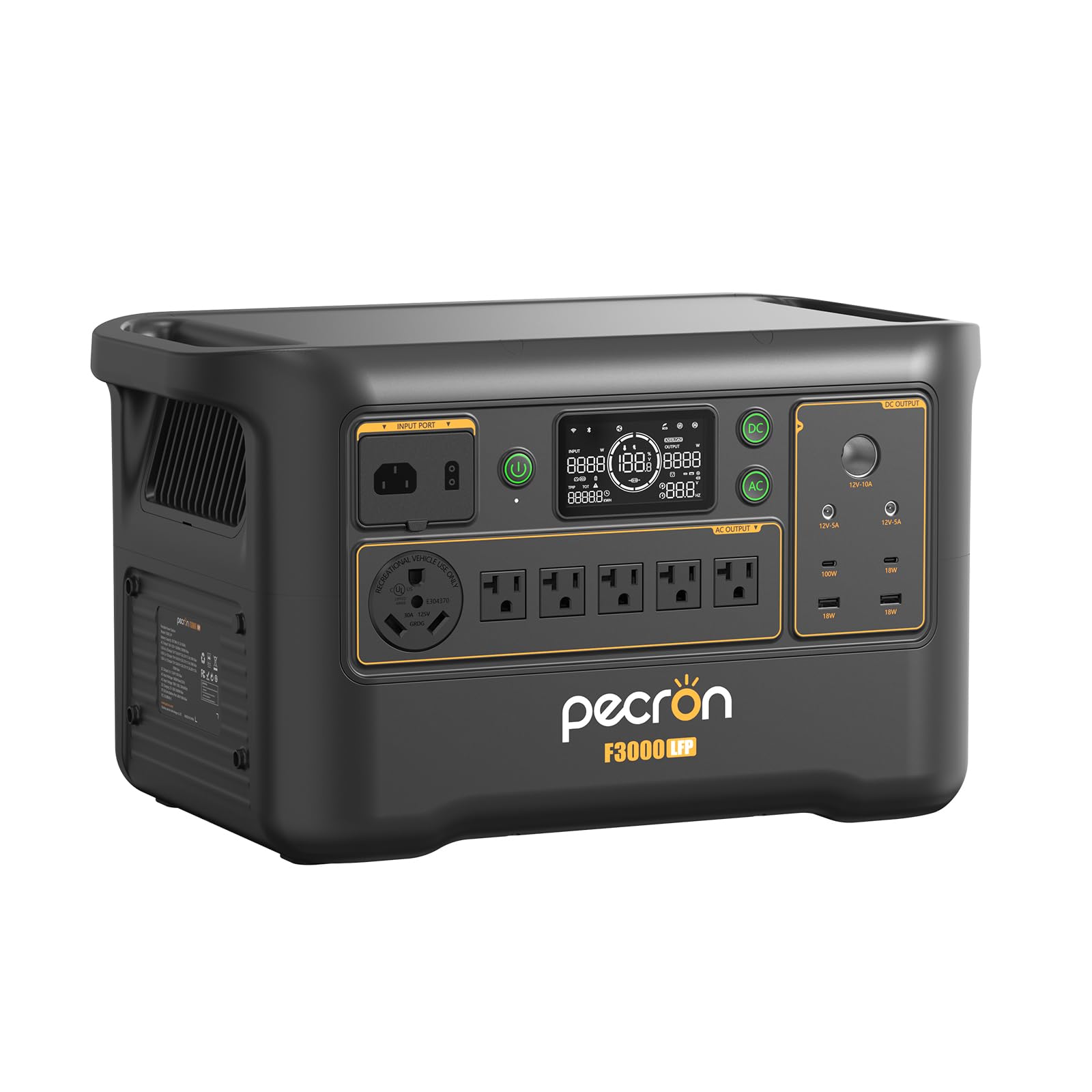
Battery Chemistry: LiFePO4
Capacity: 3072Wh
AC Output: 3600W
Expandable To: 10752Wh
Intended Use: Home backup, camping, RV
Charging: Fast AC charging
This unit delivers large-station capacity and output at a mid-range price, which makes it the value pick for a household that needs to run serious loads. The 3072Wh bank and 3600W AC output mirror what premium units offer, and expansion to 10752Wh gives a clear upgrade path. For a buyer who wants whole-room backup without the top-tier price, this is the one to beat.
In practice, the 3600W output is what separates it from the compact stations. It can run a space heater, a microwave, or a sump pump that would overload a 1800W unit, and the LiFePO4 cells are suited to years of standby and recharge cycles. Fast AC charging means it refills between outages without an overnight wait.
The caution is that this is still a portable station, not a wired-in home system. It runs loads through its outlets rather than a transfer switch, so a buyer planning to power a whole panel needs to understand the difference. It is also a heavy unit that is best left in place once positioned.
Trade-off: It powers loads through outlets rather than a home transfer switch, so whole-panel backup is not its job.
BLUETTI Elite 100 V2 Portable Power Station
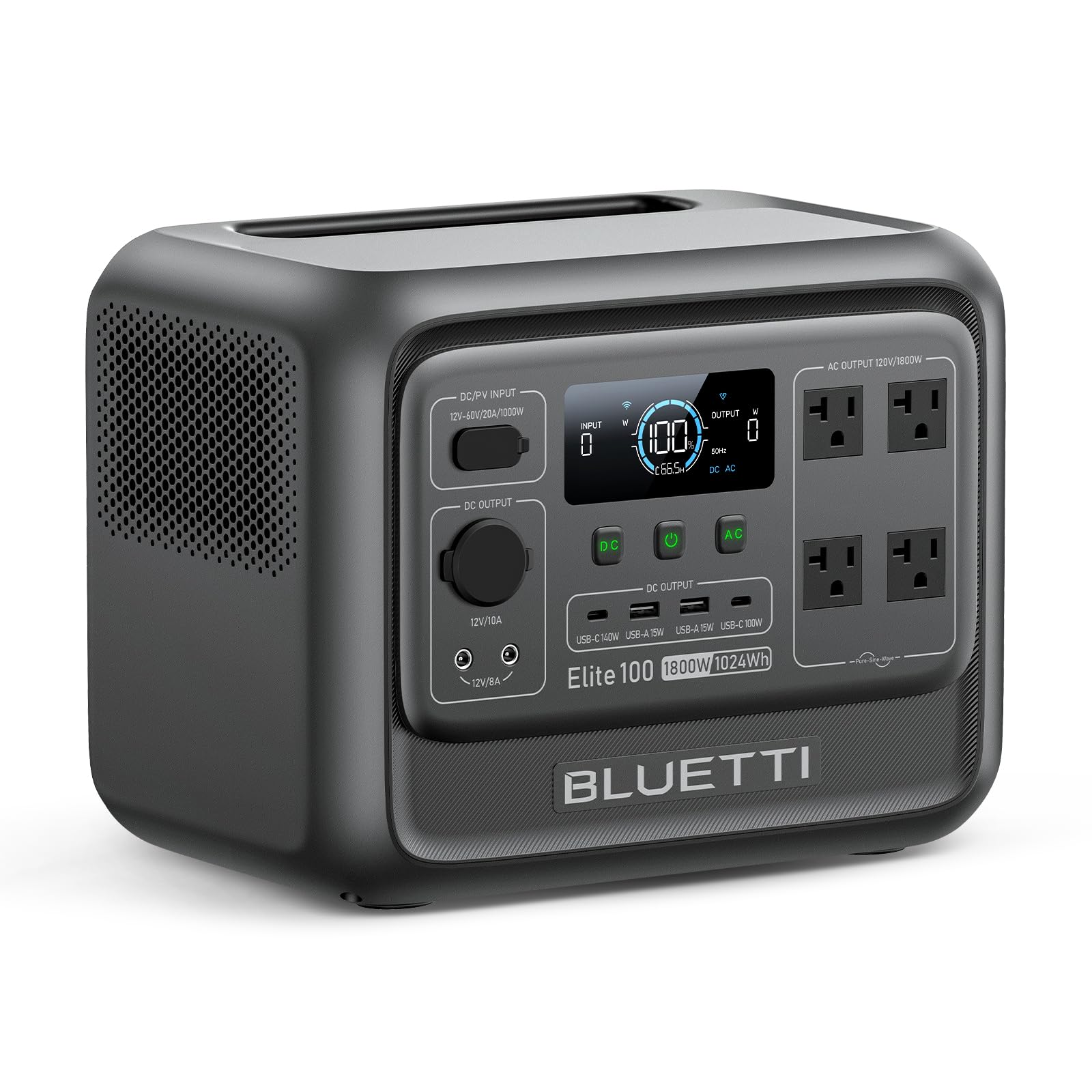
Battery Chemistry: LiFePO4
Capacity: 1024Wh
AC Output: 1800W
Surge: 3600W
UPS Switchover: 10ms
Fast Charge: 0-80% in 45 minutes
Build: 35% smaller footprint
This is the compact pick for buyers who want backup that does not dominate a shelf or a closet. The 35% smaller build packs a 1024Wh LiFePO4 bank and 1800W AC output into a footprint that is easy to store, and the 10ms UPS switchover protects electronics. The 45-minute charge to 80% is among the fastest here, which matters when the forecast turns bad.
Real-world use suits an apartment, a small home office, or a renter who cannot install a permanent system. It keeps a router, a laptop, a lamp, and a small fridge running through a short cut, and the fast recharge means it is ready again quickly. The 3600W surge gives it headroom to start motor loads that would stall a lesser unit.
The trade-off is the same capacity ceiling as its direct rival. At 1024Wh, it is a short-outage tool, and it cannot be expanded the way the Jackery or PECRON units can. Buyers facing multi-day outages should look at the larger picks.
Trade-off: No expansion path means the 1024Wh capacity is the hard limit for the life of the unit.
CyberPower CP1500PFCLCD PFC Sinewave UPS

Capacity: 1500VA / 1000W
Outlets: 12
Output: PFC Sinewave
Voltage Regulation: AVR
Form Factor: Mini tower
Certification: UL Certified
This is the budget pick for the specific job of keeping a desktop, a router, and network gear alive through a brief cut. It is a true UPS rather than a portable power station, so it switches instantly and silently, and the sinewave output is friendly to active PFC power supplies in modern computers. The 12 outlets and AVR make it a sensible desk companion.
In real use, this unit shines during the short interruptions that cause the most grief: a flicker that reboots a workstation, a brownout that corrupts a download, a brief cut that drops a video call. AVR smooths voltage sags without draining the battery, and the mini-tower shape fits under or beside a desk. It is the cheapest way to protect electronics on this list.
The limitation is scope. It runs a computer and a router for a short time, not a fridge or a space heater, and it is not a portable power source for a whole room. Buyers who want to keep appliances running through a long outage need a power station, not a UPS.
Trade-off: It protects electronics for minutes, not appliances for hours, so it is a narrow-purpose tool.
2400W Portable Power Station, 2150Wh
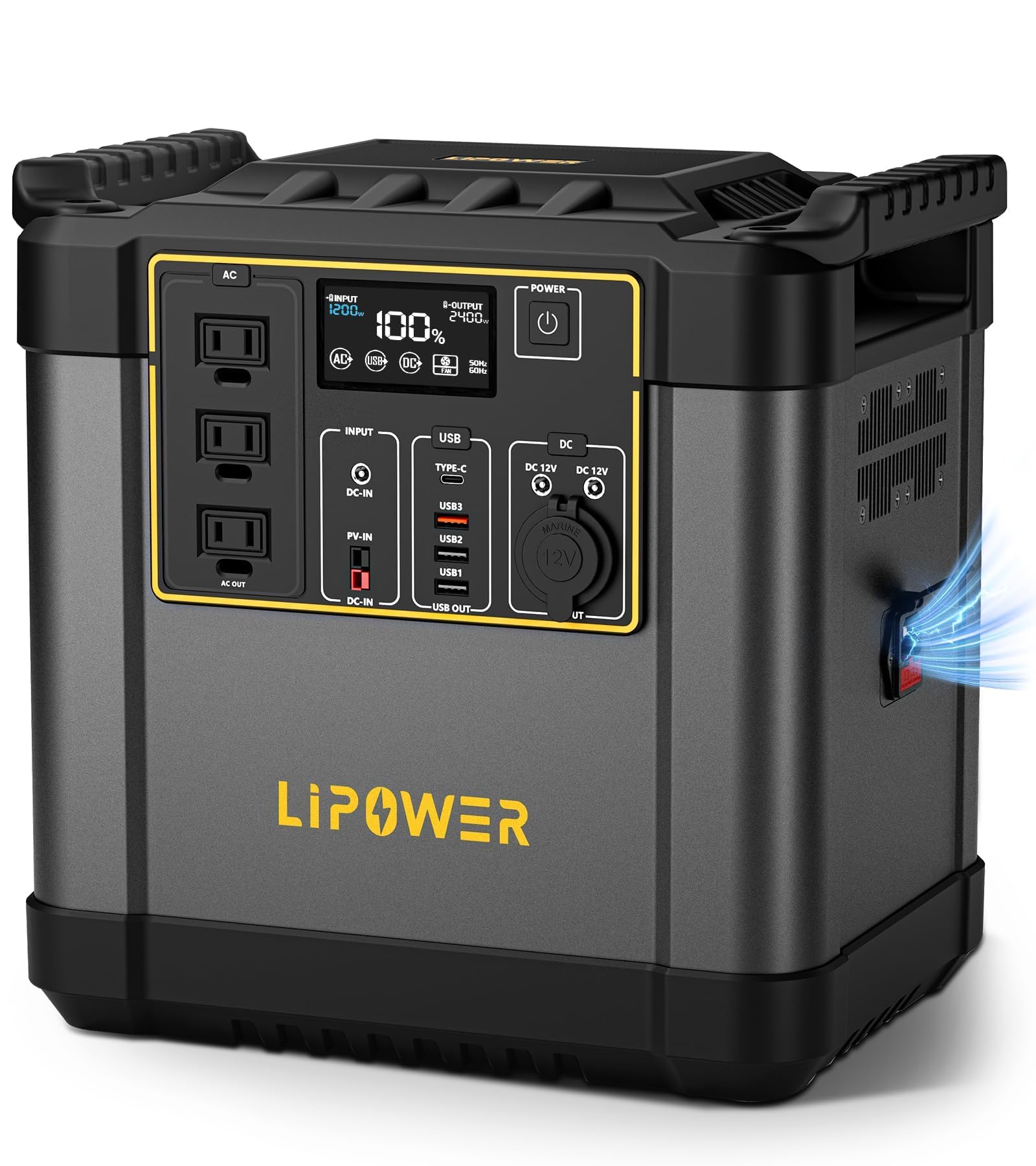
Battery Chemistry: LiFePO4
Capacity: 2150Wh
AC Output: 2400W
UPS Switchover: 10ms
Cycle Life: 3500+ cycles
Fast Charge: 1.5 hours
Intended Use: Emergency, camping, home
This unit sits between the compact stations and the large expandable ones, offering 2150Wh and 2400W at a mid-range price. The 10ms UPS switchover and the 3500+ cycle LiFePO4 rating make it a durable everyday backup, and the 1.5-hour recharge keeps downtime short. It suits a household that wants more than a router’s worth of backup without a premium price.
Real-world performance covers a fridge, lights, a TV, and a fan at the same time, which is more than the 1024Wh units can manage. The 2400W output runs most household appliances short of large motor loads, and the cycle rating suggests it will hold up over years of standby. It is equally at home on a camping trip, which adds value for outdoor households.
The caution is that it is not expandable, so the 2150Wh capacity is fixed. A buyer who expects backup needs to grow should choose a unit with an expansion path. Its weight also makes it a leave-in-place unit rather than a true grab-and-go.
Trade-off: Fixed capacity with no expansion option limits how far the backup plan can grow.
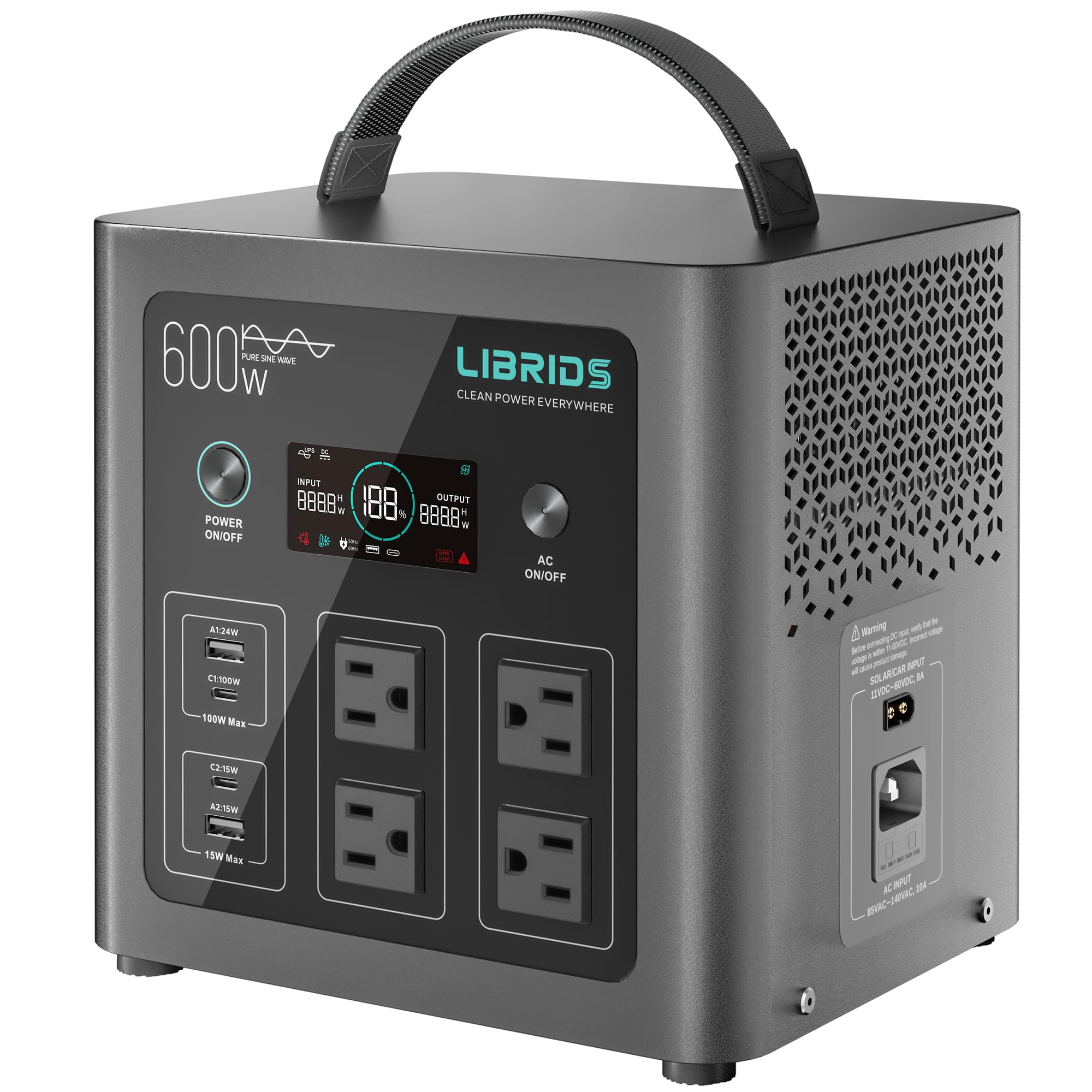
640Wh Portable Power Station, 1200W Surge
Battery Chemistry: LiFePO4
Capacity: 640Wh
AC Output: 1200W surge
UPS Switchover: 10ms
Ports: 8
Fast Charge: 1.5 hours
Output Type: Pure sine wave
Build: Metal design
This is the small, tough pick for buyers who want a light backup they can move from room to room or take on the road. The 640Wh LiFePO4 bank, 1200W surge, and 10ms UPS cover phones, lights, a laptop, and a small fan, and the metal housing suggests it is built to take a knock. The 8 ports and pure sine wave output round out a practical package.
In real use, it is the unit that lives in a closet and comes out when the power drops, or rides along in an RV. The 1.5-hour charge and UPS switchover mean it is always ready, and the pure sine wave output keeps sensitive electronics happy. For a renter or a camper, it covers the basics without bulk.
The limitation is capacity and output. At 640Wh with a 1200W surge, it cannot run a fridge or a space heater, and it is not a whole-home solution. Buyers who need to keep appliances alive should look at the larger stations.
Trade-off: The small capacity and modest surge rule out refrigerators and heaters, so it is a lights-and-devices tool.
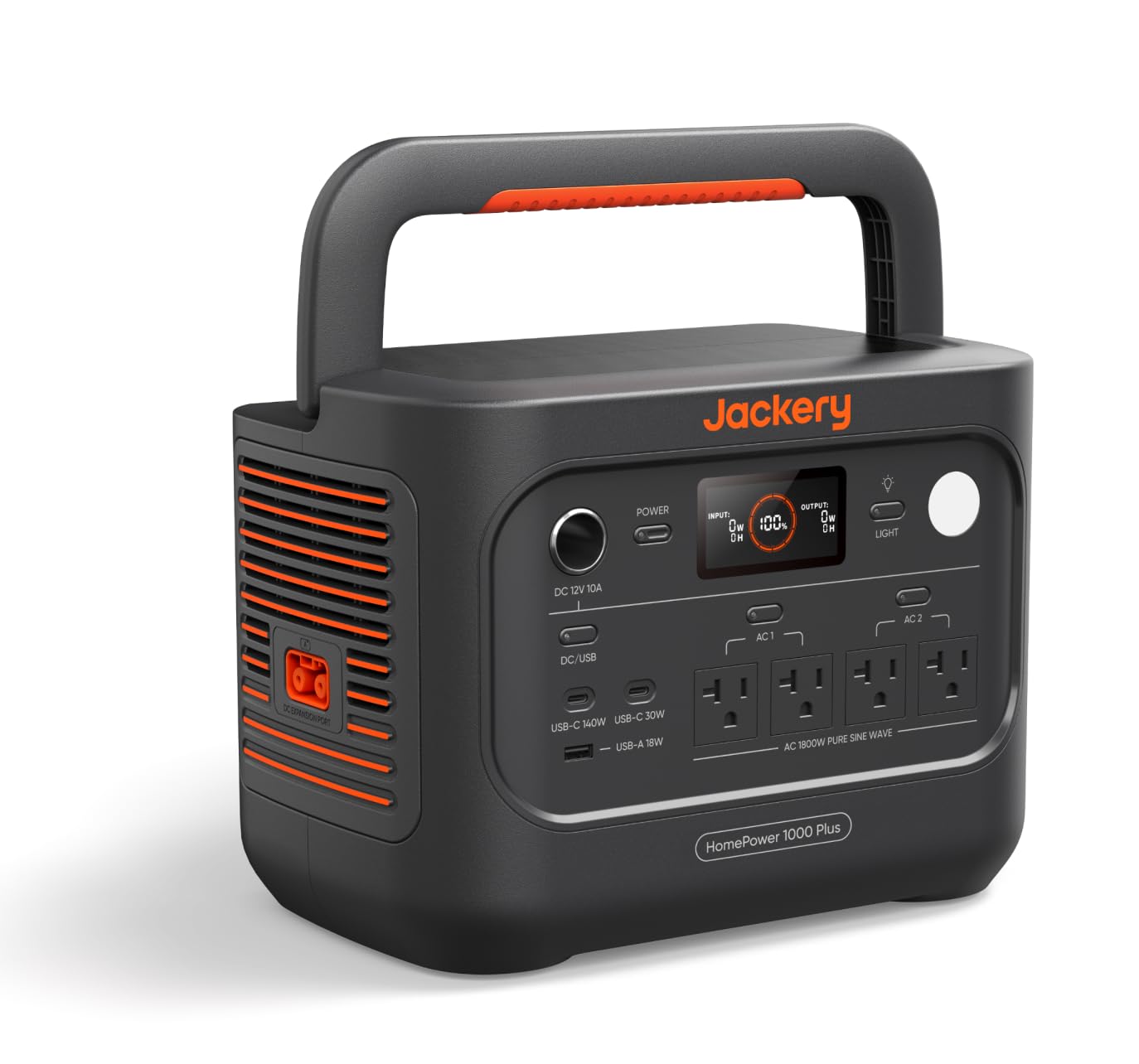
Jackery HomePower 1000 Plus v2 Portable Power Station
Battery Chemistry: LiFePO4
Capacity: 1024Wh
Expandable To: 11kWh
AC Output: 1800W
USB-C Output: 140W
UPS Switchover: 10ms
Intended Use: Home backup, camping, off-grid, RV
This is the expandable compact pick, and it solves the main weakness of the 1024Wh class. The 1024Wh base capacity can grow to 11kWh with add-on batteries, so a buyer can start small and scale up as needs change. The 1800W AC output, 10ms UPS, and 140W USB-C output make it a capable everyday backup in its own right.
Real-world use starts with the essentials and grows from there. A buyer can run a router, a laptop, and a lamp on day one, then add capacity to carry a fridge through a multi-day outage later. The 140W USB-C output is generous for laptops, and the 10ms switchover protects a desktop. It is the most flexible unit in the compact tier.
The caution is that the base unit alone is a short-outage tool, and the expansion batteries add cost and take up space. A buyer who needs 11kWh of capacity should compare the total price against a larger single unit before committing.
Trade-off: Reaching the full 11kWh means buying add-on batteries, which raises the total cost and footprint.
Before You Decide
The right pick depends on two numbers: how much capacity the household needs and how much output the largest appliance demands. A router-and-laptop plan needs a small UPS, while a fridge-and-furnace plan needs a large expandable station. Buyers should also decide whether 10ms UPS switchover matters, since it is the difference between a device staying on and rebooting.
What It Changes
- A power cut stops being an emergency and becomes a minor inconvenience when the essentials stay powered.
- Sensitive electronics survive flickers and brownouts without reboots or data loss thanks to UPS switchover.
- A fridge and freezer keep food safe through a multi-hour outage instead of spoiling.
- A home office keeps working through a cut, preserving calls, downloads, and deadlines.
- An expandable station grows with the household’s needs instead of being replaced.
- A portable unit doubles as camping and RV power, stretching the value beyond emergencies.
The Buying Guide
Capacity and Runtime
Capacity, measured in watt-hours, sets how long a unit can run a given load. A 1024Wh station runs a fridge for hours, while a 3584Wh unit runs it for far longer, and the expandable Jackery HomePower 3600 Plus can grow to 21kWh for multi-day coverage. Buyers should add up the watt-hours of the essentials they want to run and size accordingly.
Output and Surge
Continuous AC output determines which appliances a unit can run, and surge handles motor starts. A 1800W station runs lights and electronics, while a 3600W unit like the PECRON F3000LFP can start a sump pump or a space heater. Buyers should check the startup draw of the largest appliance on their list.
UPS Switchover Speed
A 10ms switchover keeps a desktop, router, or server running without a reboot when the grid drops. Units without UPS behavior force electronics to restart, which risks data loss. Buyers protecting a home office should prioritize a station with 10ms UPS, such as the EF ECOFLOW Delta 3 Classic.
Battery Chemistry
LiFePO4 cells are the standard for home backup because they hold up over many charge cycles and tolerate standby better than older chemistries. A unit rated for thousands of cycles, like the 2400W Portable Power Station, will outlast a cheaper battery across years of use. Buyers should favor LiFePO4 for anything meant to sit ready for an outage.
Expandability
Expansion lets a buyer start with a smaller, cheaper unit and add capacity later. The Jackery HomePower 1000 Plus v2 grows from 1024Wh to 11kWh, which suits a household whose needs are still taking shape. Buyers with a fixed, known load can skip expansion and save money.
Form Factor and Portability
A mini-tower UPS fits under a desk, while a large power station stays in one place once positioned. A compact unit like the BLUETTI Elite 100 V2 suits a renter or a camper who needs to move it. Buyers should match the form factor to where the unit will live and whether it needs to travel.
FAQ
-
How long will a home battery backup run a refrigerator?
Runtime depends on capacity and the fridge’s draw. A 1024Wh station runs a typical fridge for several hours, while a 3584Wh unit or an expandable station like the Jackery HomePower 3600 Plus runs it far longer. Buyers should check the fridge’s wattage and size the battery to their outage history. -
What does 10ms UPS mean on a power station?
It means the unit switches from wall power to battery in about 10 milliseconds when the grid drops, which is fast enough that most electronics do not reboot. A desktop, router, or server stays on through a cut. Units without UPS behavior force a restart. -
Is a UPS the same as a portable power station?
No. A UPS like the CyberPower CP1500PFCLCD is designed to protect electronics for minutes during a short cut, while a portable power station runs appliances for hours. Some power stations include UPS mode, which combines both roles. -
Can a home battery backup run a space heater?
Only a unit with enough continuous output. A space heater draws significant wattage, so a 2400W or 3600W station is needed, such as the PECRON F3000LFP. A compact 1800W unit will trip or shut down under that load. -
How often should a home battery backup be recharged?
Most manufacturers recommend topping up the battery every few months when it is in standby, and keeping it plugged in if it has a UPS mode. LiFePO4 chemistry tolerates standby well, but periodic recharging keeps it ready for an outage. -
Do these units need solar panels to work?
No. Every unit here charges from a standard AC outlet, and solar is an optional way to refill during a long outage. The Jackery HomePower 3600 Plus lists solar as optional, which suits buyers who want a fuel-free backup plan.
Bottom Line
The Jackery HomePower 3600 Plus Power Station is the top pick for most households, pairing a large LiFePO4 bank, 3600W output, and expansion to 21kWh for whole-home coverage that can grow. The PECRON F3000LFP is the runner-up and the value choice, delivering similar output and expandability at a lower price tier. Buyers with a short-outage, electronics-only plan can save with the CyberPower CP1500PFCLCD, while renters and campers should look at the compact BLUETTI Elite 100 V2.