Why there are Amazon links here: Brave Review is paid a commission for qualifying Amazon purchases made through the links below. Your price does not change, and using our links is entirely optional. How this works
Best Battery Backup for a Fridge During a Summer Heatwave
A summer heatwave is the worst possible time for a power cut: the house heats up, the fridge works harder than ever, and a few hours offline can spoil hundreds of dollars of food. This guide covers five battery backups that can carry a refrigerator through an outage, from a compact camping-style unit to whole-home stations with expandable capacity. Three buyer types are served here: renters who want a simple plug-in box, homeowners who need a multi-day buffer, and preppers who want room to grow. The overview table below shows the differences at a glance before the detailed reviews.
The Picks at a Glance
| Product | Key Spec | Best Use | Price Tier |
|---|---|---|---|
| BLUETTI FridgePower Backup System | 2016Wh, 1800W AC, expandable to 4032Wh | Dedicated fridge protection with UPS switching | Premium |
| Jackery HomePower 3600 Plus | 3584Wh, 3600W AC, expandable to 21kWh | Whole-home backup and long outages | Premium |
| Jackery Explorer 1000 v2 | 1070Wh, 1500W AC, 1 hr fast charge | Renters and short outages | Budget |
| Jackery HomePower 3000 | 3072Wh, 3600W AC, 7200W surge | Large fridges and multi-day runtime | Mid-range |
| EF ECOFLOW Delta 3 Classic | 1024Wh, 1800W AC, 10ms UPS | Small kitchens and apartments | Budget |
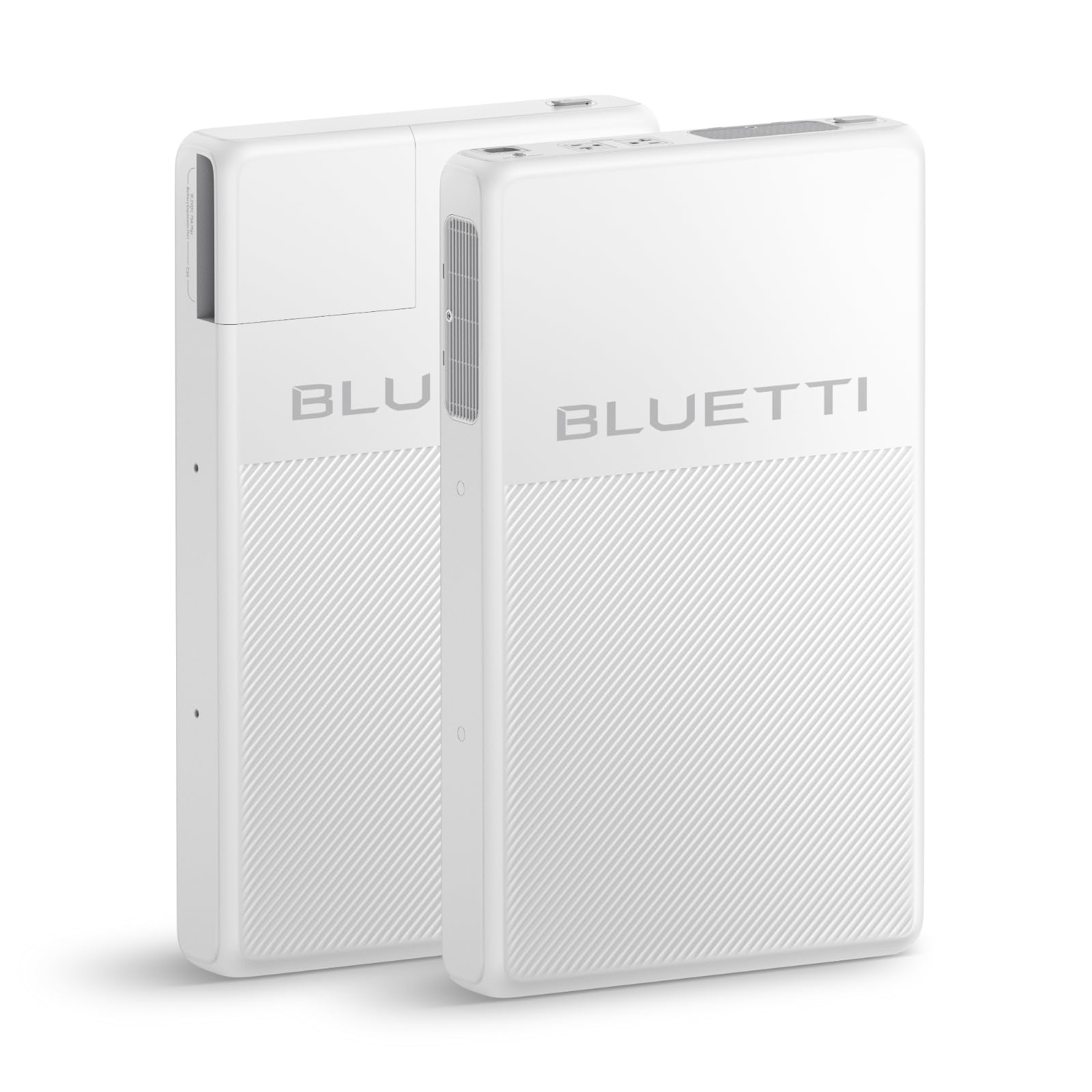
1. BLUETTI FridgePower Backup System — Best Dedicated Fridge Backup
 ](https://www.amazon.com/dp/B0H45GF28P/)
BLUETTI FridgePower Backup System, 2016Wh Expandable to 4032Wh LFP Battery
Capacity: 2016Wh, expandable to 4032Wh
AC Output: 1800W continuous, 3600W surge
Battery Type: LFP (lithium iron phosphate)
UPS Switching: 10ms
Form Factor: Ultra-slim 75mm
Self-Consumption: 4W
Intended Use: Fridge, sump pump, home backup, emergency
This unit is built around one job: keeping a refrigerator alive. The 2016Wh LFP battery is enough for a full day or more of normal fridge cycling, and the expansion path to 4032Wh doubles that without buying a second station. The ultra-slim 75mm chassis is designed to slide behind or beside an appliance rather than sit on a shelf, which matters in tight kitchens. The 10ms UPS switching means the fridge never notices the grid dropping — it transfers fast enough that the compressor keeps running.
The 4W self-consumption figure is the quiet selling point. A backup that idles at a high draw drains itself before the outage even matters, and 4W is low enough to leave plugged in permanently. The 1800W continuous output covers a standard fridge with headroom for a second appliance. Buyers who want a set-and-forget solution for one critical appliance will find this the most focused pick here.
Trade-off: The premium price buys specialization — this station is optimized for a fridge and sump pump, so the money goes into UPS circuitry and a slim chassis rather than raw capacity per dollar.
Who it suits: Homeowners who want a permanent, invisible backup for the kitchen fridge and nothing else. It is not for buyers who need to run a whole house or who want maximum watt-hours per dollar.
Check the current price on Amazon
2. Jackery HomePower 3600 Plus — Best for Whole-Home Coverage
 ](https://www.amazon.com/dp/B0FM8653F1/)
Jackery HomePower 3600 Plus Power Station, 3584Wh, 3600W AC Output
Capacity: 3584Wh, expandable to 21kWh
AC Output: 3600W
Battery Type: LFP
Expansion: Up to 21kWh
Solar Input: Solar panel optional
Intended Use: Essential home backup, emergencies, RV
The HomePower 3600 Plus is the largest-capacity pick in this roundup and the only one that scales to whole-home territory. The 3584Wh base battery runs a fridge for days, and the expansion path to 21kWh turns it into a small home energy system that can carry a fridge, freezer, lights and router through an extended heatwave outage. The 3600W AC output is enough for a fridge compressor startup plus other loads at the same time. LFP chemistry gives the long cycle life that a permanently installed backup needs.
This is the pick for households that treat a heatwave outage as a multi-day event rather than a few-hour inconvenience. The optional solar panel input means the station can recharge during daylight instead of relying on grid recovery. It is also the heaviest and least portable option here — this is a stationary appliance, not something to carry to a campsite.
Trade-off: The capacity and expansion headroom come at a premium price and a substantial footprint, so buyers with a single small fridge are paying for capability they may never use.
Who it suits: Homeowners in outage-prone areas who want one system to protect the whole kitchen and then some. It is not for renters, campers, or anyone who needs to move the backup between locations.
Check the current price on Amazon
3. Jackery Explorer 1000 v2 — Best Budget Pick for Short Outages
 ](https://www.amazon.com/dp/B0D7PPG25F/)
Jackery Explorer 1000 v2 Portable Power Station, 1070Wh, 1500W
Capacity: 1070Wh
AC Output: 1500W
Battery Type: LiFePO4
Fast Charge: 1 hour
USB-C Output: 100W
Solar Input: Solar panel optional
Intended Use: Camping, emergency, RV
The Explorer 1000 v2 is the value pick and the most popular unit in this roundup. The 1070Wh LiFePO4 battery is sized for a few hours to a day of fridge runtime, which covers the typical heatwave brownout rather than a multi-day blackout. The 1-hour fast charge is the standout feature: the station refills from a wall outlet in about the time it takes to run errands, so it can be topped up between rolling outages. The 100W USB-C output handles phones and laptops alongside the fridge.
At 1500W AC output, this unit runs a standard fridge but has less headroom for compressor startup surge than the larger stations. Buyers should treat it as a short-outage tool: it buys time to move food to a cooler or ride out an evening without power, not to keep a freezer running for days. The LiFePO4 cells are a genuine upgrade over older lithium-ion packs at this price.
Trade-off: The compact capacity means a large or frost-free fridge will drain it faster than the bigger stations, so it suits short outages and small fridges rather than extended blackouts.
Who it suits: Renters, apartment dwellers, and campers who want one portable unit for both outdoor trips and fridge protection. It is not for households expecting multi-day outages or running a full-size fridge plus a freezer.
Check the current price on Amazon
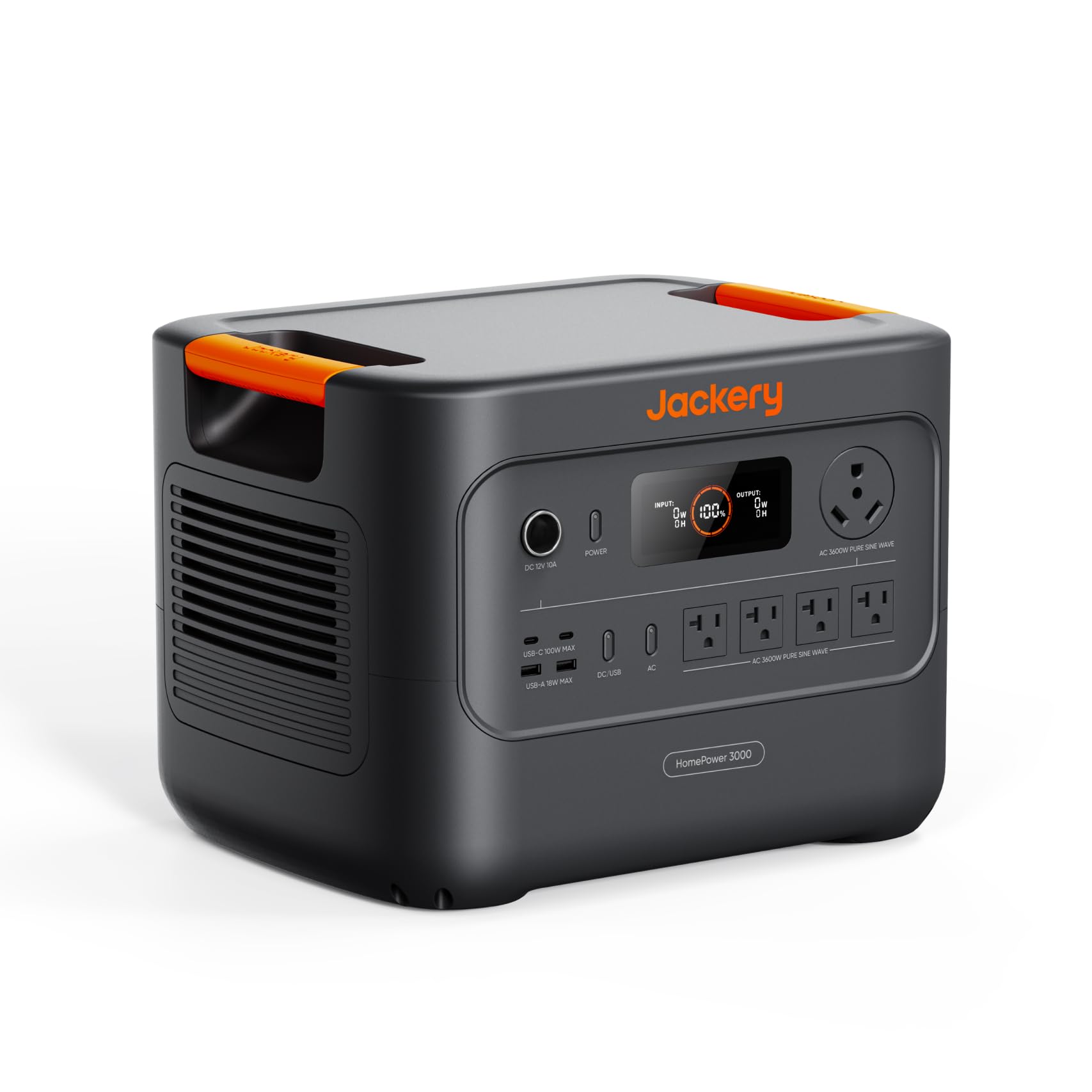
4. Jackery HomePower 3000 — Best Mid-Range for Large Fridges
 ](https://www.amazon.com/dp/B0FFSLG3WZ/)
Jackery HomePower 3000 Portable Power Station, 3072Wh, 3600W AC Output
Capacity: 3072Wh
AC Output: 3600W
Surge: 7200W
Battery Type: LFP
Solar Input: Solar panel optional
Intended Use: Essential home backup, power outage
The HomePower 3000 sits between the budget portables and the flagship 3600 Plus, and it is the sweet spot for a big kitchen. The 3072Wh LFP battery runs a full-size fridge for an extended period, and the 7200W surge rating is the highest here — enough to absorb the startup draw of a compressor plus a second appliance kicking on at the same moment. The 3600W continuous output matches the larger Jackery, so performance on a fridge is nearly identical.
The difference from the 3600 Plus is expansion headroom: this unit stops at its built-in capacity, while the flagship scales to 21kWh. For buyers who know their outage horizon is a day or two rather than a week, that trade saves money without giving up fridge runtime. The LFP battery and solar-optional input make it a practical permanent backup for a home kitchen.
Trade-off: Without the expansion path of the flagship, this station caps out at its built-in capacity, so buyers planning for week-long outages will hit a ceiling.
Who it suits: Homeowners with a large fridge or fridge-freezer pair who want strong surge handling at a mid-range price. It is not for buyers who need expandable capacity or who only have a small apartment fridge.
Check the current price on Amazon
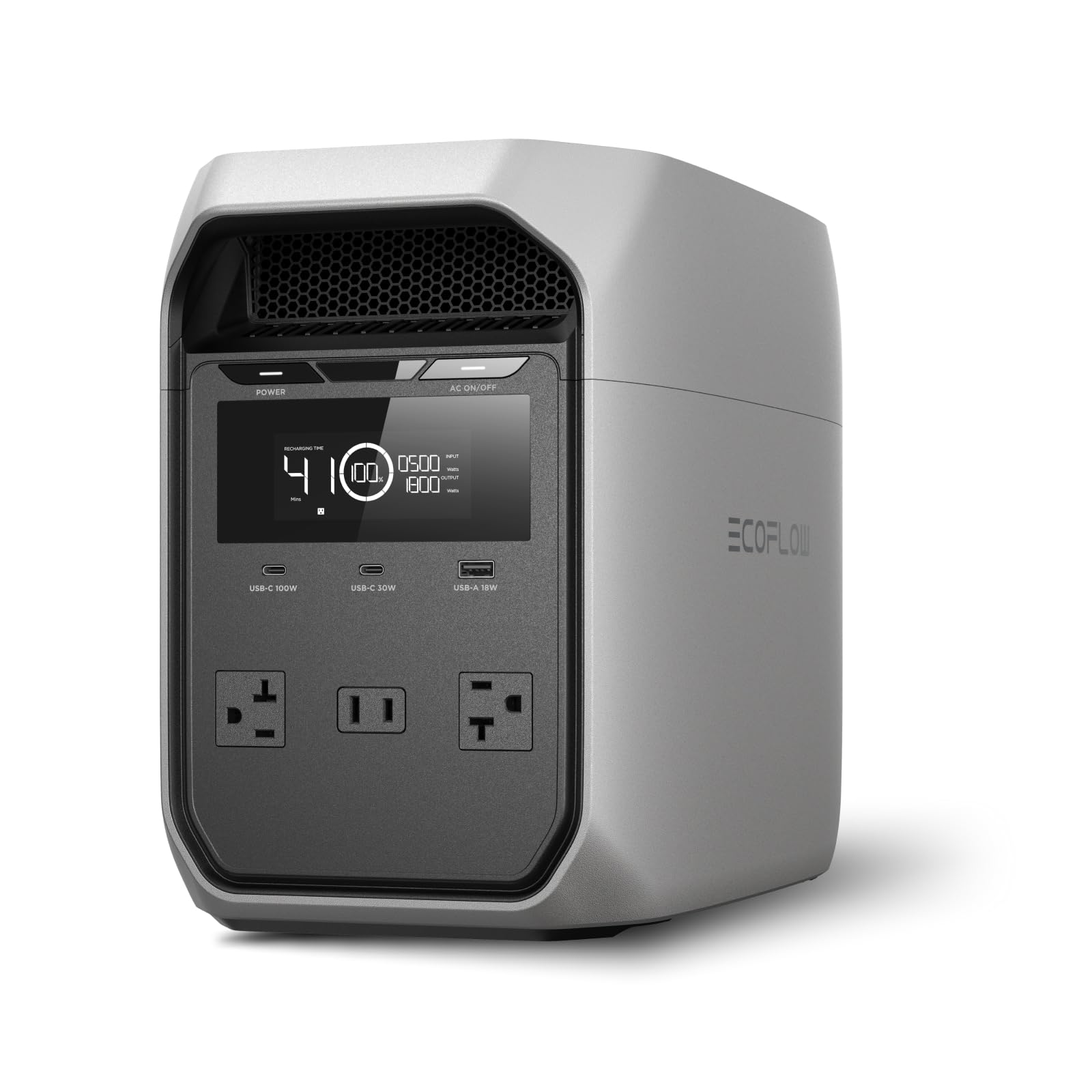
5. EF ECOFLOW Delta 3 Classic — Best Compact UPS-Style Backup
 ](https://www.amazon.com/dp/B0FQVC4RF5/)
EF ECOFLOW Portable Power Station Delta 3 Classic, 1024Wh 1800W AC
Capacity: 1024Wh
AC Output: 1800W
Surge: 3600W
Battery Type: LiFePO4
UPS Switching: 10ms
Fast Charge: 1 hour
USB-C Output: 100W
Intended Use: Home backup, camping, RVs
The Delta 3 Classic is the other budget-tier pick, and it leans harder into UPS duty than the Explorer. The 10ms switching means it can sit between the wall and the fridge permanently, taking over instantly when the grid drops — a feature usually reserved for pricier stations. The 1800W continuous and 3600W surge output handle a standard fridge with more startup headroom than the Explorer’s 1500W. The 1-hour fast charge and 100W USB-C output round out a well-equipped compact unit.
The 1024Wh capacity is the limiting factor. It covers hours of fridge runtime, not days, and a large frost-free fridge will pull it down quickly in a heatwave when the compressor runs constantly. Buyers should see this as an instant-response bridge to a generator or cooler, not a long-haul solution. For the price, though, the UPS switching is a rare feature.
Trade-off: The small battery paired with UPS circuitry means buyers pay for fast switching rather than runtime, so extended outages will outlast it.
Who it suits: Apartment dwellers and small-kitchen owners who want automatic outage protection without a large investment. It is not for large fridges, multi-day outages, or buyers who need expandable capacity.
Check the current price on Amazon
Before You Buy
- Capacity: Match watt-hours to outage length. Around 1000Wh covers hours; 3000Wh and up covers a day or more of fridge cycling.
- Surge rating: A fridge compressor draws far more at startup than while running. Look for a surge rating well above the continuous output.
- UPS switching: A 10ms transfer keeps the compressor running through the switchover; units without it require manual intervention.
- Battery chemistry: LFP (LiFePO4) cells last far longer than older lithium-ion packs and are the better choice for a permanently installed backup.
- Expansion: If multi-day heatwave outages are likely, an expandable station saves buying a second unit later.
- Self-consumption: A low idle draw matters for a unit left plugged in — a high parasitic load drains the battery before the outage arrives.
- Placement and ventilation: Power stations need airflow and should not sit in a hot garage; heat degrades batteries and cuts runtime.
Frequently Asked Questions
-
How long will a battery backup run a fridge?
It depends on capacity and fridge size. A 1000Wh station runs a standard fridge for hours, while a 3000Wh unit can carry it for a day or more. Larger or frost-free fridges drain any battery faster, especially in a heatwave when the compressor runs constantly. -
Can a portable power station run a fridge continuously?
Yes, as long as its continuous and surge ratings exceed the fridge’s draw. The surge rating matters most, because compressor startup can briefly pull several times the running wattage. -
What does 10ms UPS switching mean for a fridge?
It means the station takes over from the wall outlet almost instantly when power drops, so the compressor keeps running without a restart cycle. Units without UPS switching require the fridge to be unplugged and moved to the station manually. -
Is LFP better than lithium-ion for a fridge backup?
LFP (LiFePO4) chemistry offers a longer cycle life and better stability, which suits a unit left plugged in for years. Every pick in this roundup uses LFP. -
Do these stations need a solar panel?
No — all five charge from a standard wall outlet, and solar is optional on each. A panel is useful during extended outages when the grid stays down, since it lets the station recharge during daylight. -
Can one station run a fridge and a freezer at once?
Only the larger units here have the output and capacity for both. The 3000Wh-and-up picks can handle a fridge-freezer pair; the 1000Wh units are best dedicated to one appliance.
Bottom Line
For most households facing a summer heatwave, the Jackery HomePower 3000 is the best balance of fridge runtime, surge handling and price — it runs a full-size fridge for an extended outage without the flagship premium. Buyers who want permanent, invisible protection for one fridge should look at the BLUETTI FridgePower, and renters or campers are best served by the budget Jackery Explorer 1000 v2. Whichever fits, check the current price before the next heatwave hits.
