Why there are Amazon links here: Brave Review is paid a commission for qualifying Amazon purchases made through the links below. Your price does not change, and using our links is entirely optional. How this works
Amazon eero Outdoor 7: A Mesh Wi-Fi Router That Lives Outside
The Amazon eero Outdoor 7 is a single mesh Wi-Fi node designed to push a home network into the yard, driveway, patio, or garden. It is aimed at households already running an eero system that want usable signal where the interior router cannot reach, and at anyone wiring an outdoor space who would rather not run a separate access point. This review covers what the hardware is, how it is built, what it needs in order to work, and where the compromises sit — so the decision takes a minute rather than an afternoon. The short version: this is a premium, purpose-built outdoor node, and buyers should confirm it fits their existing mesh before anything else.
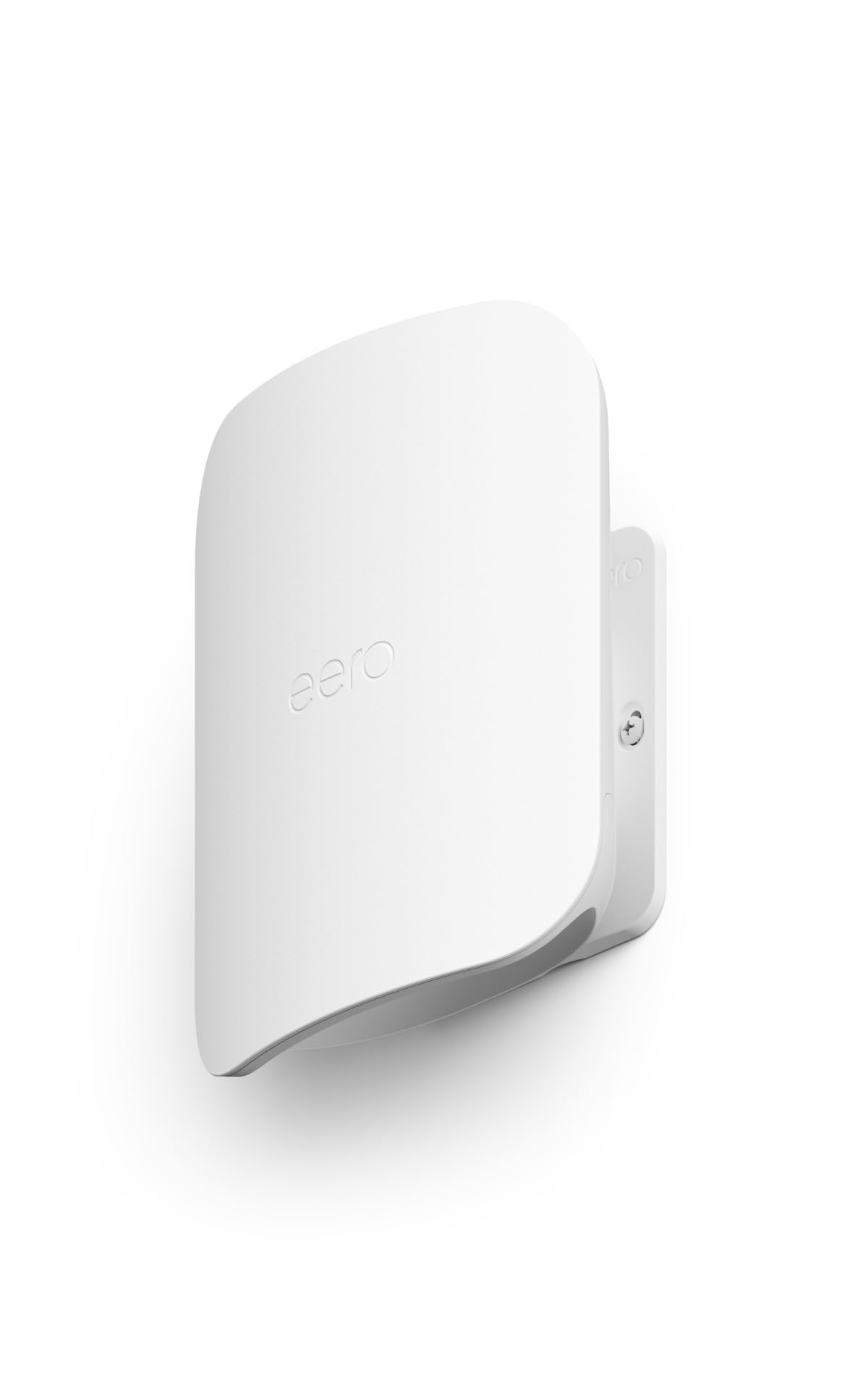
Features and Specifications
Product: Amazon eero Outdoor 7 dual-band mesh wifi router (newest model)
Weatherproof Rating: IP66
Claimed Outdoor Coverage: Up to 15,000 sq. ft.
Band Configuration: Dual-band
Pack Size: 1-pack
Power: Includes 30W PoE+ adapter
The name tells most of the story here, and it is worth reading closely. This is a dual-band mesh router, not a tri-band unit, and it is sold as a single node rather than a multi-pack. The IP66 rating is the headline feature: it is a genuine outdoor enclosure rating, meant to survive rain and hose spray rather than a sheltered porch. The 15,000 sq. ft. coverage figure is an outdoor claim, and outdoor coverage math is always more generous than indoor math because there are fewer walls in the way.
The included 30W PoE+ adapter matters more than it looks. Power over Ethernet means the node can draw both power and data over a single cable run, which is exactly how outdoor networking is normally done. That single cable is the difference between a clean install and an extension cord snaking across a patio.
Build and Weatherproofing
The IP66 rating is the reason this product exists at this price. An IP66 enclosure is dust-tight and protected against powerful water jets, which is the practical standard for something mounted on an exterior wall, a fence post, or under an eave where wind-driven rain will find it. A regular indoor eero placed outside under a plastic box is not the same thing, and buyers who have tried that route usually learn why.
The trade-off is that outdoor-rated networking hardware carries a real premium. Buyers are paying for the sealed chassis, the weatherproofed connectors, and the engineering that keeps heat moving out of a sealed box. That cost is not recoverable if the node ends up under a covered patio where a cheaper indoor unit might have survived anyway.
Trade-off: The IP66 housing and PoE hardware push this into premium pricing, so buyers paying for weatherproofing they do not actually need are overpaying for the job.
Coverage and Placement
The 15,000 sq. ft. figure is an outdoor number, and it should be read as a best case in open space. Outdoor Wi-Fi has fewer obstructions than indoor Wi-Fi, but it also has different ones: stucco and brick exterior walls, metal siding, foliage, and the sheer distance between a house and the far corner of a yard. A single node mounted on the back of the house will cover a patio and a good stretch of lawn; it will not reliably reach a detached shed at the property line.
Placement is therefore the whole game. The node wants line of sight to the area it serves and a cable path back to the network. Mounting height helps, and so does keeping the node out of direct afternoon sun where possible, since a sealed enclosure has to shed heat.
Trade-off: Outdoor coverage claims assume open ground, and buyers with dense foliage, outbuildings, or a long narrow lot should expect effective range well short of the headline figure.
Power and Installation
The 30W PoE+ adapter is what makes a clean install possible, and it is also the main practical constraint. PoE+ delivers both data and power over a single Ethernet run, so the node needs one cable from a PoE+ source — either the included adapter or a PoE+ switch — to its mounting location. That cable run has to be planned, and the adapter needs a power outlet at the indoor end.
Buyers who already have Ethernet pulled to an outdoor location, or who are comfortable running it, will find installation straightforward. Buyers who do not have a cable path should price out that work before ordering, because it can rival the cost of the node itself. The included adapter saves the separate purchase, which is a genuine convenience, but it does not remove the need for the cable.
Trade-off: Every installation depends on a PoE+ cable run to the mounting spot, and households without an existing outdoor Ethernet path face additional cost and labor that the node’s price does not cover.
Mesh Integration and Setup
This is an eero product, so it is built to join an existing eero mesh rather than stand alone. That is a strength for households already in the ecosystem: the node is managed from the same app as the rest of the network, appears as part of the same mesh, and hands devices off between indoor and outdoor nodes as they move. Setup follows the same app-driven flow as other eero hardware.
For buyers not already on eero, the calculus changes. This node is an addition to a system, not a starting point, and pairing it with a different brand’s router is not the intended use. The dual-band configuration is also worth noting: it is a sensible choice for an outdoor node serving phones, tablets, and cameras, but buyers expecting tri-band throughput from a premium-priced unit should understand what they are getting.
Trade-off: The node is only useful inside an existing eero mesh, so buyers on another brand’s system would be buying into a new ecosystem rather than extending the one they have.
Who It Suits and Who It Does Not
This node suits households already running eero that have a real outdoor coverage problem — a patio, pool area, driveway, or yard where phones drop to one bar and outdoor cameras struggle. It also suits buyers who value a sealed, purpose-built enclosure over a improvised indoor unit in a weatherproof box, and who have or can create a PoE+ cable path to the mounting location.
It does not suit buyers on a non-eero mesh system, households without a feasible Ethernet run to the outdoors, or anyone whose "outdoor" space is a covered porch close enough to the indoor router that a cheaper option would do. Buyers who need coverage across a large property with outbuildings should also plan for more than one node rather than expecting a single unit to carry the whole lot.
FAQ
-
Does the Amazon eero Outdoor 7 work with any router?
No. It is an eero mesh node, designed to join an existing eero network and managed through the eero app. It is not intended as a standalone router or as an add-on to another brand’s mesh. -
What does IP66 mean for outdoor use?
IP66 means the enclosure is dust-tight and protected against powerful water jets. In practice, that is a rating built for exterior mounting where rain and spray are expected, rather than a unit that merely tolerates a sheltered spot. -
Does it need a power outlet outside?
Not necessarily. The included 30W PoE+ adapter delivers power and data over a single Ethernet cable, so the node needs one cable run rather than a nearby outlet. The adapter itself plugs in indoors. -
How much outdoor area does one node cover?
The claimed figure is up to 15,000 sq. ft. outdoors, which assumes open space with few obstructions. Real coverage shrinks with exterior walls, foliage, and distance, so buyers with complex yards should expect less. -
Is this a tri-band router?
No. It is a dual-band mesh router. That is a reasonable fit for phones, tablets, and outdoor cameras, but buyers expecting tri-band throughput should factor that in. -
Can it be used as the only router in a home?
It is sold as a single outdoor node and is intended to extend an eero mesh rather than serve as the primary router. Households starting from scratch need an indoor eero unit as the base. -
Does the package include the PoE adapter?
Yes. The 1-pack includes a 30W PoE+ adapter, so the power injector does not need to be bought separately. -
How is it mounted?
The node is built for exterior mounting on a wall, post, or eave, with a single Ethernet cable run back to the PoE+ source. Buyers should plan the cable path before installation. -
Is one node enough for a large backyard?
For a typical patio and lawn, one node is a sensible starting point. For long lots, detached structures, or heavy foliage, buyers should expect to add a second node rather than stretch one unit. -
Who should skip this product?
Buyers on a non-eero mesh, households with no practical way to run Ethernet outdoors, and anyone whose outdoor space is already well covered by an indoor router.
Bottom Line
The Amazon eero Outdoor 7 is the right answer for one specific buyer: an eero household with a genuine outdoor dead zone and a workable path for a PoE+ cable. The IP66 enclosure, the included 30W PoE+ adapter, and the app-managed mesh integration make it a clean, purpose-built solution rather than a workaround, and the 15,000 sq. ft. outdoor claim is credible for open ground. The caveats are real, though — premium pricing for weatherproofing some buyers will not need, dual-band rather than tri-band, and an installation that depends entirely on getting a cable to the mounting spot. Buyers who clear those three hurdles will find it does its job well; everyone else should look at an indoor eero node or a different approach first.
