Why there are Amazon links here: Brave Review is paid a commission for qualifying Amazon purchases made through the links below. Your price does not change, and using our links is entirely optional. How this works
Battery Operated Water Alarm: A Simple Early-Warning Guard for Leaks
A battery operated water alarm is a low-cost first line of defense against a flooded basement, a leaking water heater, or a washing machine that gives out overnight. This review covers the Battery Operated Water Alarm, a standalone sensor-and-siren unit that runs on its own batteries and needs no wiring, hub, or smartphone app. It is aimed at homeowners and renters who want a loud alert the moment water reaches the floor, without paying for a monitored system. The sections below walk through what the unit does, how it is built, where it fits, and where it falls short.
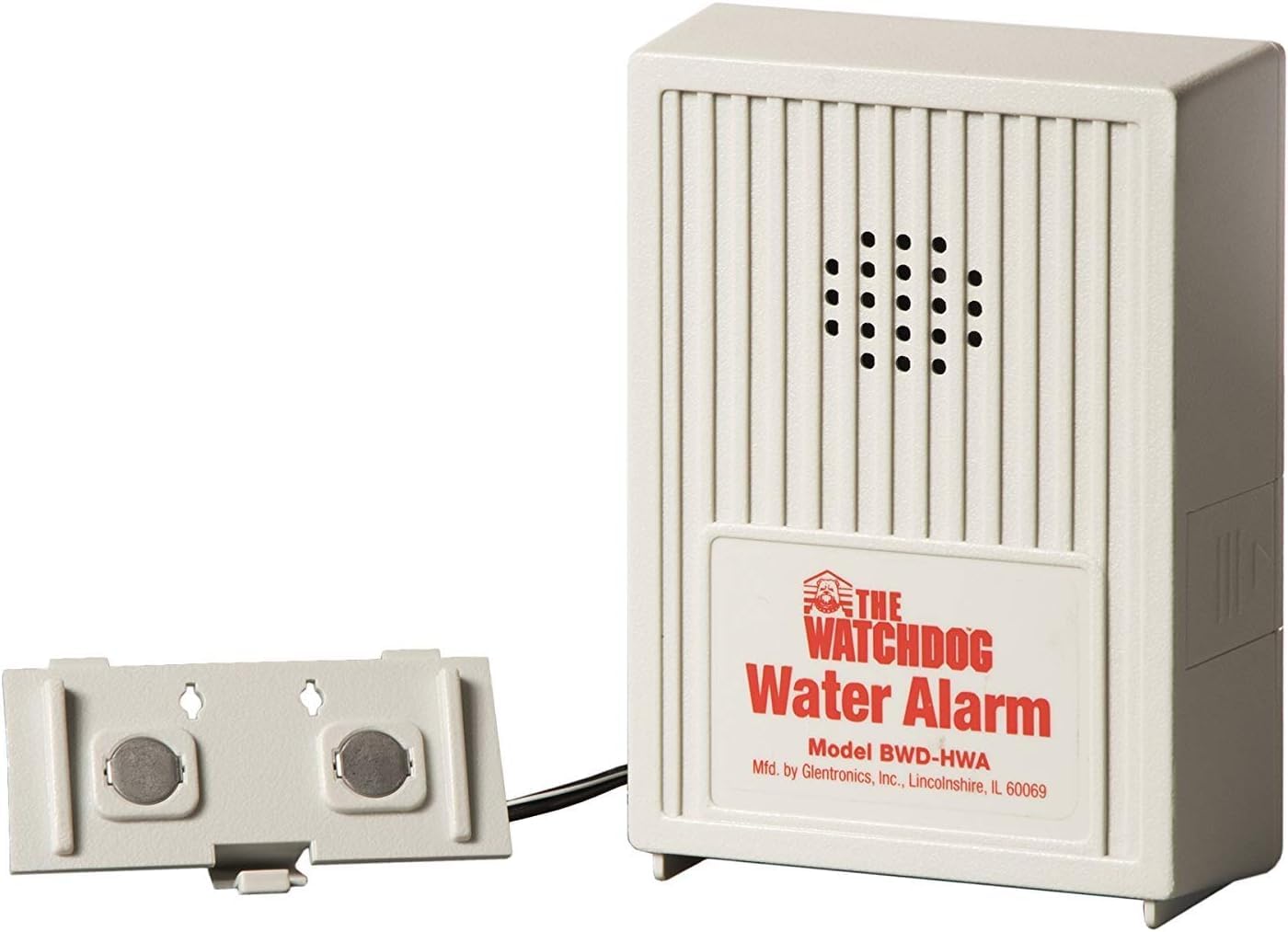
Features and Specifications
The product name and category establish the core facts about this unit. Everything else below is an editorial read of what that name implies for a device of this type.
Product Type: Standalone water alarm
Brand: Basement Watchdog
Power Source: Battery operated
Installation: No wiring required
Function: Sounds an audible alarm when water is detected
Placement: Floor or low-point mounting near a leak source
Best Use: Basements, utility rooms, under sinks, near water heaters
The unit is a self-contained alarm rather than a connected sensor. There is no app, no Wi-Fi pairing, and no subscription — the device detects water and makes noise. That simplicity is the whole point: nothing to configure and nothing to fail except the battery.
Because it runs on batteries, the alarm keeps working during a power outage, which is exactly when a sump pump or a failing appliance is most likely to cause trouble. The trade-off is that the battery becomes the single point of failure, so a replacement schedule matters more than with a hardwired unit.
Build and Design
The alarm consists of a compact housing that sits on the floor with a sensing element at the bottom, plus a siren loud enough to be heard from another floor of a typical house. The design is deliberately plain: a low-profile body that tucks into a corner, behind a water heater, or inside a sump pit rim without taking up useful space.
Construction is utilitarian, which suits the job. This is a device that sits in a damp, dusty, out-of-the-way spot and is expected to do nothing for months or years and then work instantly. There is no display to read and no buttons to learn, so the physical build is about sealing the electronics from splashes and keeping the sensor contacts clean.
Buyers should expect a plastic housing rather than a metal one at this tier. It is fine for indoor use in a basement or utility closet, but it is not built for outdoor exposure or for standing water that rises above the sensor.
Detection and Alarm
Detection is contact-based: water has to reach the sensing element for the alarm to trigger. That means placement matters more than any feature on the box. The unit should sit on the lowest point of the floor near the likely source — beside the water heater, under the kitchen sink, or at the edge of the sump pit.
The siren is the entire notification system. There is no push alert to a phone, so the alarm only helps if someone is home to hear it. For a household that is away for long stretches, this unit is a supplement to, not a replacement for, a monitored leak sensor.
The upside of that limitation is reliability. A device that only has to detect water and sound a horn has very little to go wrong, and it does not depend on the home network staying up.
Power and Battery Life
Battery operation is the defining feature here. The alarm is not tethered to an outlet, so it can go anywhere a leak might start, including spots with no nearby receptacle. It also keeps guarding the floor when the power is out, which is when basement water problems tend to escalate.
The cost of that freedom is routine maintenance. The battery has to be checked and replaced on a schedule, and a dead battery means a silent alarm. A sensible habit is to test the unit and swap the battery at the same time each year, alongside smoke detector checks.
There is no low-battery warning described in the product name, so buyers should not assume one exists. Treat the battery as a consumable that needs calendar-based replacement rather than a set-and-forget item.
Placement and Maintenance
Setup is about as simple as it gets: install the battery, press the test button if the unit has one, and set the device on the floor where water would first collect. No tools, no mounting hardware, and no configuration are needed for the basic job.
Maintenance is a short annual routine. Test the alarm, wipe the sensor area clean of dust and cobwebs, and replace the battery. In a damp basement, the contacts can collect grime over time, and a dirty sensor is the most common reason a working alarm stays quiet when it should not.
The unit is best treated as a point solution. One alarm covers one spot, so a basement with a water heater, a washer, and a sump pit needs either several units or a decision about which failure would be most expensive.
Trade-off: The low price and dead-simple design mean no phone alerts, no low-battery indicator, and coverage of only one spot per unit — it warns whoever is home, and no one else.
Check the current price on Amazon
Who This Water Alarm Suits
This alarm fits homeowners and renters who want a cheap, dependable shout when water shows up in a basement, laundry room, or utility closet. It suits people who are home most days and who want a backup that keeps working when the power does not. It also suits anyone who wants zero setup — no hub, no account, no app to babysit.
It is not for frequent travelers or absentee landlords who need a remote notification. It is also a poor fit for anyone who wants one device to cover a whole basement; a single unit guards a single low point. And buyers who want a permanent, hardwired install with a low-battery alert should look at a different class of device.
FAQ
-
How does a battery operated water alarm work?
Water reaching the sensor completes a circuit and triggers a loud siren. There is no app or network involved — detection and alarm happen inside the unit itself. -
Where should the alarm be placed?
On the floor at the lowest point near the most likely leak source: beside the water heater, under the sink, next to the washing machine, or at the sump pit. Water has to physically reach the sensor. -
Does it need Wi-Fi or a smartphone?
No. The unit is fully standalone. It sounds a local alarm and does not send notifications to a phone. -
Will it work during a power outage?
Yes. Because it runs on batteries rather than mains power, it keeps guarding the floor when the electricity is out. -
How often should the battery be replaced?
Once a year is a practical routine, paired with a test of the alarm. A dead battery is the main way this kind of unit fails silently. -
Can one alarm protect an entire basement?
No. Each unit covers the spot where it sits. Large or multi-source basements need more than one alarm, or a decision about which leak would cost the most. -
Is it loud enough to hear upstairs?
The siren is built to carry through a typical house, but distance, closed doors, and background noise all reduce reach. Buyers with a large or well-insulated home should test audibility from the rooms where people spend time. -
Does it detect slow drips or only standing water?
Detection depends on water reaching the sensor contacts. A slow drip that never pools at the sensor may not trigger it, so placement directly under the drip point matters. -
Is it safe to leave running all the time?
Yes. It is designed to sit idle for long stretches and alarm only when water appears. The annual battery swap is the main upkeep. -
Is this a replacement for a monitored leak system?
No. It is a local early warning. A monitored system adds remote alerts; this unit adds a loud noise and nothing more.
Bottom Line
The Battery Operated Water Alarm is the right buy for a household that wants a cheap, no-setup leak alert in a basement, laundry room, or utility closet — and is home often enough to hear it. It is honest about what it is: a battery, a sensor, and a siren, with no app and no subscription. Buyers who need remote alerts or whole-basement coverage should budget for more than one unit or step up to a connected system. For everyone else, it is an easy, low-risk way to catch a small leak before it becomes a flooded floor.