Why there are Amazon links here: Brave Review is paid a commission for qualifying Amazon purchases made through the links below. Your price does not change, and using our links is entirely optional. How this works
Best Backup Power for a Fridge Freezer in a Top Floor Flat
Keeping a fridge freezer running through a power cut is mostly a problem of weight and stairs. A top floor flat rules out a petrol generator on the balcony and makes a 30 kg battery a two-person job. The five picks below are the power stations that a single person can realistically carry up, park in a hallway, and leave plugged into the fridge. They split into three groups: compact budget units for short outages, mid-size LFP models for a day or more, and large-capacity stations for whole-flat backup. The overview table below compares all five before the individual reviews.
The Picks at a Glance
| Product | Key Spec | Best Use | Price Tier |
|---|---|---|---|
| BLUETTI FridgePower | 2016Wh, expandable to 4032Wh, 75mm slim | Dedicated fridge backup in a tight flat | Premium |
| Jackery HomePower 3600 Plus | 3584Wh, expandable to 21kWh, 3600W | Long outages and whole-flat backup | Premium |
| EF ECOFLOW Delta 3 Classic | 1024Wh, 1800W, 1 hr fast charge | Budget pick for short outages | Budget |
| BLUETTI Elite 100 V2 | 1024Wh, 1800W, 35% smaller | Smallest footprint and lightest lift | Budget |
| Jackery HomePower 3000 | 3072Wh, 3600W, 7200W surge | Mid-price capacity for multi-day cuts | Mid-range |
BLUETTI FridgePower Power Station, 2016Wh Expandable 4032Wh
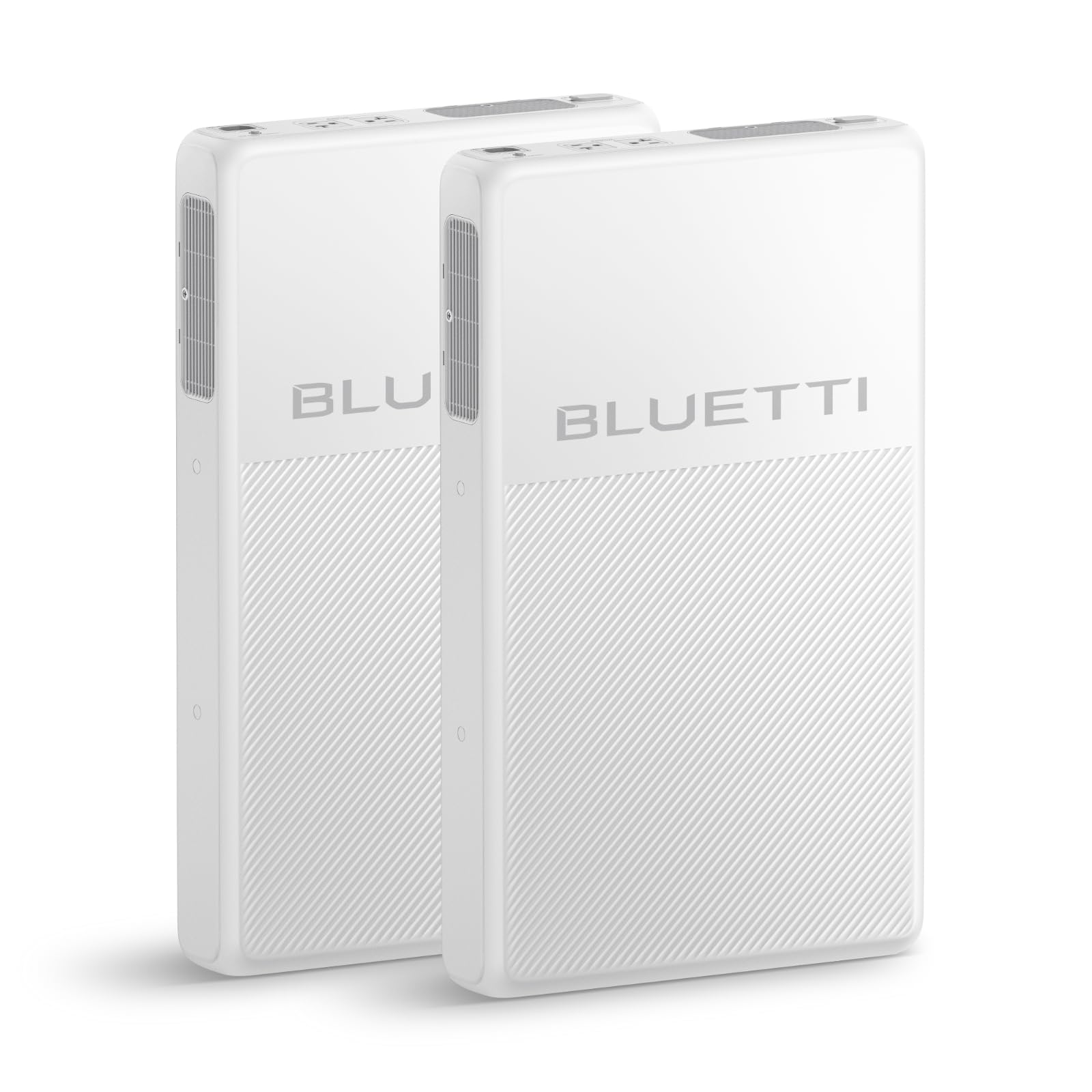
Battery Chemistry: LFP (lithium iron phosphate)
Capacity: 2016Wh, expandable to 4032Wh
AC Output: 1800W continuous, 3600W surge
UPS Switchover: 10ms
Depth: 75mm ultra-slim
Intended Use: Fridge, sump pump, home backup, emergency
This is the only unit in the group built specifically around a fridge. The 75mm slim body is designed to slide behind or beside an appliance rather than sit in the middle of a kitchen floor, and the 10ms UPS switchover means the compressor sees an almost instant transfer when mains power drops. The LFP chemistry is the right choice for a unit that will sit plugged in for years, because it tolerates being held at a partial charge far better than older battery types. The 1800W continuous output covers a standard fridge freezer compressor with room to spare, and the surge rating handles the start-up spike. Expansion to 4032Wh via a second battery is the feature that makes it a long-outage tool rather than a stopgap.
This pick suits renters in a compact flat who want the battery to disappear into the kitchen and stay there. It also suits anyone who has lost food more than once and wants a set-and-forget solution. The trade-off is the price: this is premium money for a mid-size capacity, and the slim form factor is a large part of what that money buys.
Trade-off: The premium price buys the slim chassis and fridge-specific design, not raw watt-hours per dollar, so buyers comparing capacity alone will find cheaper options.
Jackery HomePower 3600 Plus Power Station, 3584Wh

Battery Chemistry: LFP
Capacity: 3584Wh, expandable to 21kWh
AC Output: 3600W
Expansion: Up to 21kWh with additional batteries
Solar Input: Solar panel optional
Intended Use: Essential home backup, emergencies, RV
The HomePower 3600 Plus is the largest expandable system here and the one that behaves like permanent home infrastructure. At 3584Wh it will run a fridge freezer for well over a day on its own, and the 21kWh expansion ceiling means the same unit can eventually back up a whole flat’s essentials. The 3600W AC output is enough to run a fridge alongside a router, lights and a laptop without juggling outlets. Solar input is optional, which matters in a flat where a balcony panel may or may not be practical.
This is the pick for a top floor flat where the occupant wants one purchase to cover every future outage, not just the next one. It also suits anyone planning to add capacity over time rather than replace the unit. The trade-off is weight and footprint: a battery this size is a two-person lift up several flights, and it needs a permanent floor spot with clearance around it.
Trade-off: The capacity that makes it the most capable pick also makes it the heaviest, so a solo resident on an upper floor should plan the delivery and the final placement before ordering.
EF ECOFLOW Delta 3 Classic Portable Power Station, 1024Wh
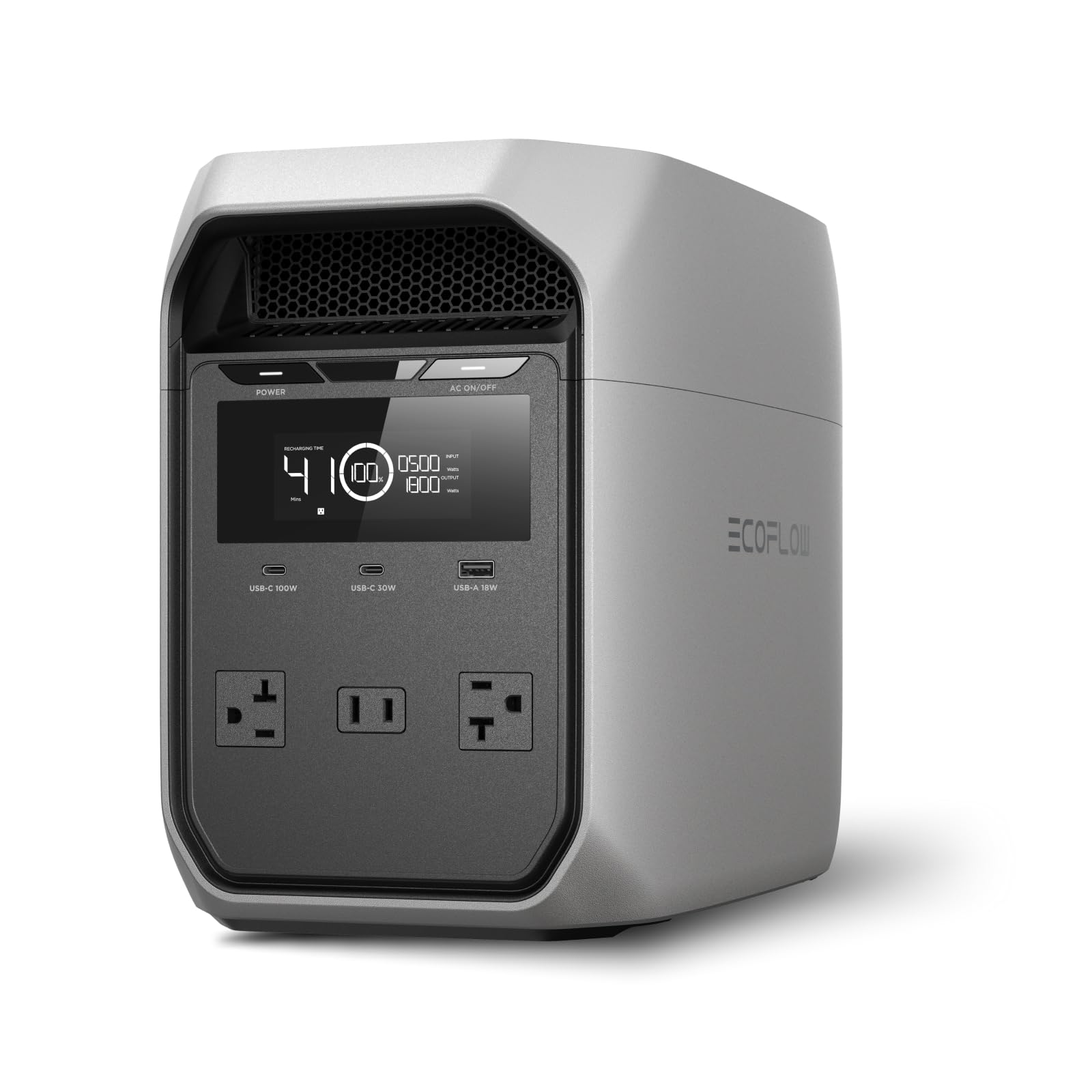
Battery Chemistry: LiFePO4
Capacity: 1024Wh
AC Output: 1800W, 3600W surge
Recharge Time: 1 hour fast charge
USB-C Output: 100W
UPS Switchover: 10ms
Intended Use: Home backup, camping, RVs
The Delta 3 Classic is the value pick of the group and the easiest to live with in a small flat. The 1-hour recharge is the standout feature: after an outage drains it, the unit is back to full on mains power in about the time it takes to cook dinner, which makes it viable for repeated short cuts rather than one long one. The 10ms UPS mode means it can sit between the wall socket and the fridge permanently, and the 100W USB-C output covers phones and laptops during the same event. LiFePO4 chemistry gives it a long service life for the money.
This suits a first-time buyer who wants protection against two-to-six-hour outages without spending four figures. It also suits a renter who may move and wants a unit that doubles as a camping battery. The trade-off is capacity: 1024Wh covers a fridge freezer for hours, not days, so a multi-day winter outage will exhaust it.
Trade-off: The low price reflects a small battery, and a fridge freezer will drain it within a day, so it is a short-outage tool rather than a long one.
BLUETTI Elite 100 V2 Portable Power Station, 1024Wh
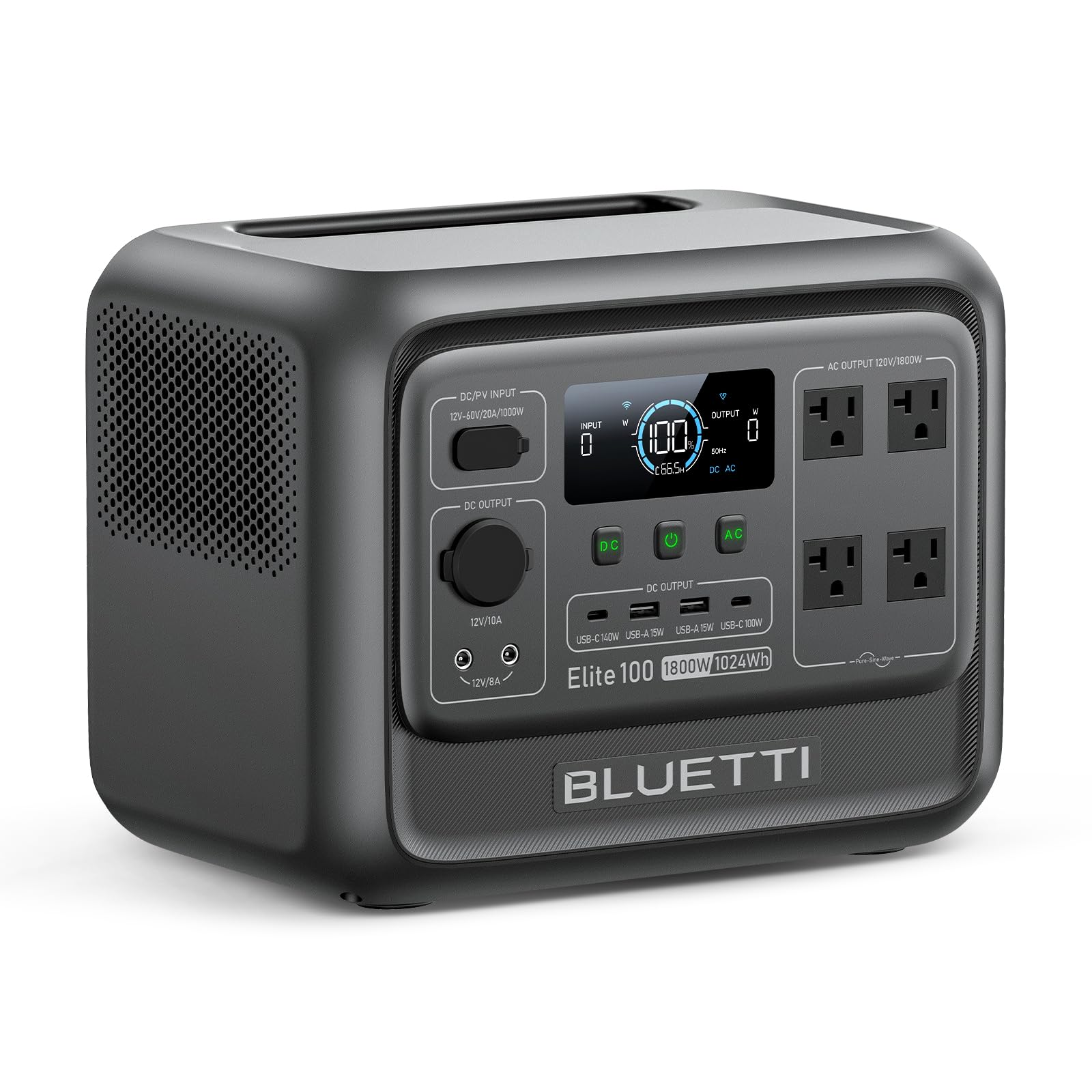
Battery Chemistry: LiFePO4
Capacity: 1024Wh
AC Output: 1800W, 3600W surge
Size: 35% smaller than prior generation
Recharge Time: 0–80% in 45 minutes
UPS Switchover: 10ms
Intended Use: Home backup, emergency, outdoor
The Elite 100 V2 competes directly with the Delta 3 Classic on capacity and price, and it wins on physical size. A body 35% smaller than the previous generation makes it the easiest unit here to store in a hallway cupboard or lift onto a shelf, which matters in a flat where floor space is contested. The 45-minute charge to 80% is quick enough to recover between outages, and the 10ms UPS mode lets it run as a permanent fridge backup. The 3600W surge rating handles compressor start-up without tripping.
This is the pick for a top floor flat with genuinely tight storage, or for a resident who needs to move the battery between rooms. It also suits anyone who wants the smallest possible unit that still runs a fridge. The trade-off is the same as its rival: 1024Wh is a short-outage capacity, and the compact body leaves no room for expansion.
Trade-off: The compact build is the selling point, but it also means no expansion path, so capacity is fixed at purchase.
Jackery HomePower 3000 Portable Power Station, 3072Wh
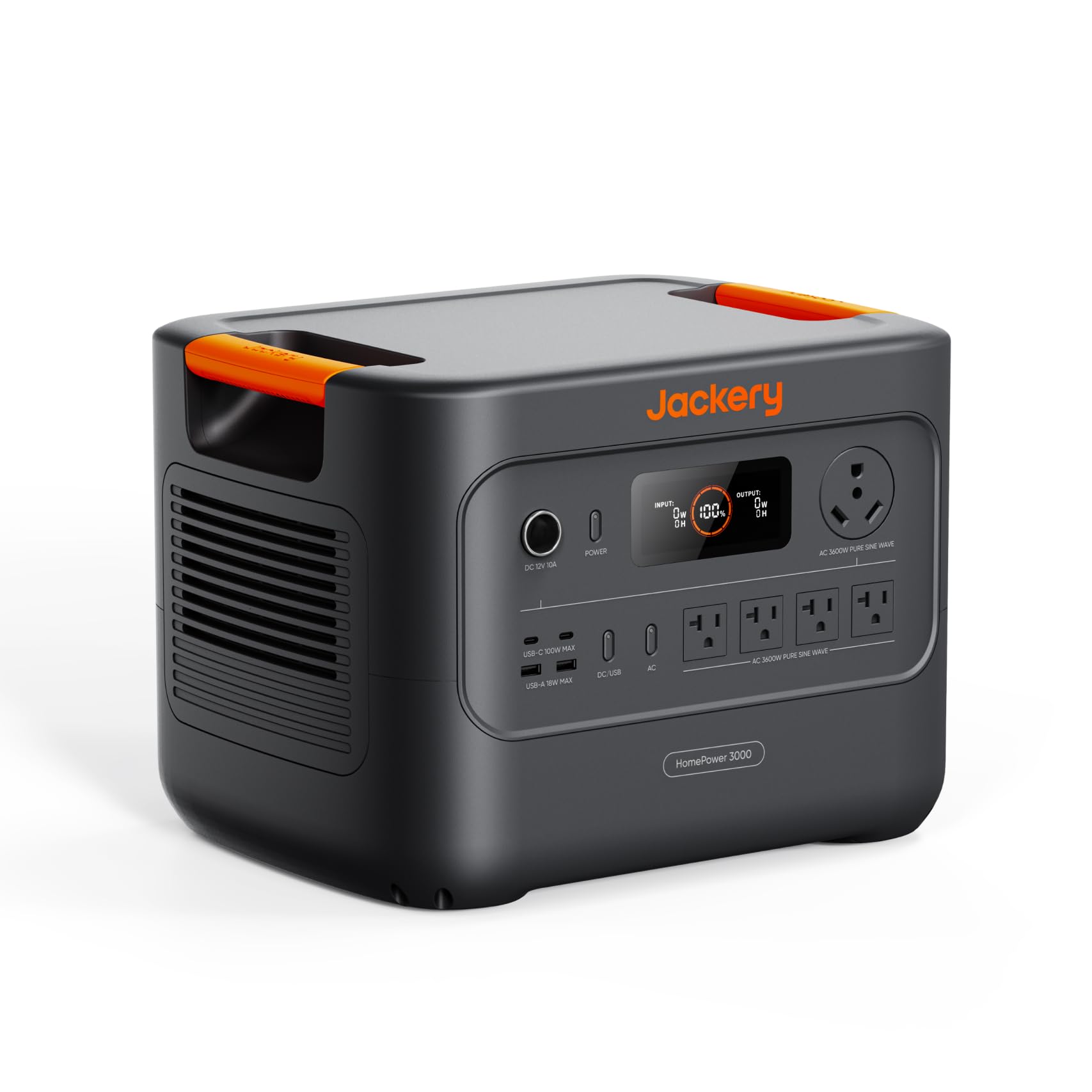
Battery Chemistry: LFP
Capacity: 3072Wh
AC Output: 3600W
Surge Output: 7200W
Solar Input: Solar panel optional
Intended Use: Essential home backup, power outage
The HomePower 3000 sits between the budget units and the flagship, and it is the sensible middle. At 3072Wh it runs a fridge freezer for a full day or more, and the 7200W surge rating is the highest here, which gives generous headroom for a compressor starting under load. The 3600W continuous output leaves capacity for a second appliance at the same time. LFP chemistry and optional solar input round out a unit built for multi-day cuts rather than brief flickers.
This suits a flat where outages last a day or two and the resident wants real margin without paying flagship prices. It also suits anyone who wants solar as an option later. The trade-off is that it is a large, heavy unit with no expansion path, so buyers who expect to grow capacity should look at the expandable models instead.
Trade-off: It is heavy and not expandable, so the capacity bought at purchase is the capacity forever.
Before You Buy
- Weight and stairs: A top floor flat without a lift turns capacity into a logistics problem. Check the unit’s weight against what one person can carry up the stairwell before ordering.
- Compressor surge: Fridge freezers draw a spike on start-up. Look for a surge rating well above the continuous output rather than matching the two.
- UPS switchover: A unit with a fast transfer mode can stay plugged in permanently, so the fridge never notices the outage. Slower units require manual intervention.
- Footprint and clearance: Large stations need ventilation space and a permanent floor spot. Measure the hallway or kitchen corner before choosing a capacity tier.
- Battery chemistry: LFP units tolerate being left partially charged and plugged in for years, which suits a set-and-forget fridge backup.
- Expansion: Flats with no room for a second unit should buy the capacity they need upfront; expandable models only help if there is space for the add-on battery.
Frequently Asked Questions
-
How long will a power station run a fridge freezer?
It depends on capacity and the fridge’s duty cycle. A 1024Wh unit covers several hours to about a day, while 3000Wh and above covers a full day or more. -
Can a power station stay plugged in all the time?
Yes, if it has a UPS mode with fast switchover. The unit passes mains power through and takes over within milliseconds when the supply drops. -
Is a petrol generator a better option for a top floor flat?
Generally no. Generators need outdoor ventilation, produce fumes and are often banned by lease terms, which makes a battery station the practical choice. -
Does a fridge freezer need a pure sine wave output?
Yes. Compressors and control boards expect clean AC power, and a pure sine wave output is the safe match for any modern appliance. -
What size unit suits a short outage?
Around 1000Wh handles a few hours comfortably. For outages lasting a day or more, 3000Wh and up is the realistic starting point. -
Can solar panels recharge the unit in a flat?
Only if there is a balcony or window with direct sun. Solar input is optional on several models and worth having as a backup to mains recharging.
Bottom Line
For a top floor flat, the BLUETTI FridgePower is the best backup power for a fridge freezer because it is built for the job: slim enough to live beside the appliance, fast enough on switchover to keep the compressor running, and expandable if the outages get longer. Buyers who want maximum capacity and a growth path should look at the Jackery HomePower 3600 Plus, while the two 1024Wh units remain the right call for short cuts and tight storage.
