Why there are Amazon links here: Brave Review is paid a commission for qualifying Amazon purchases made through the links below. Your price does not change, and using our links is entirely optional. How this works
Best Battery Camera for a Cold Climate: 5 Picks That Survive Winter
Cold weather kills ordinary batteries and fogs ordinary lenses, so the best battery camera for a cold climate has to be rated for sub-zero nights, not just sunny afternoons. This roundup covers five picks: a privacy-first outdoor cam, a subscription-free 1080p workhorse, a rugged point-and-shoot, a cold-weather power pack for trail cameras, and the lithium cells that keep everything alive. Buyers who need a security camera, trail-camera users, and anyone running a remote setup in freezing conditions will each find a match below. The overview table shows the short version; the reviews explain the trade-offs.
The Picks at a Glance
| Product | Key Spec | Best Use | Price Tier |
|---|---|---|---|
| Energizer Ultimate Lithium AA Batteries (8 Pack) | 1.5V lithium, AA size | Powering cold-rated cameras | Budget |
| Built-in SD Card Privacy Camera | -4°F rated, AA powered, no cloud | Private outdoor monitoring | Mid |
| PENTAX WG-90 | Waterproof to 39.8 ft, cold resistant to -10°C | Handheld winter shooting | Premium |
| Tapo C400 | 1080p, up to 180-day battery | Subscription-free home security | Mid |
| Moultrie Edge Power Pack (2 Pack) | 5000mAh, 16 AA replacement | Trail cameras in deep cold | Mid |
Energizer Ultimate Lithium AA Batteries (8 Pack)
Type: AA lithium battery
Voltage: 1.5V
Chemistry: Lithium
Pack Size: 8 batteries
Intended Use: Cold-weather and high-drain devices

Energizer Ultimate Lithium AA Batteries (8 Pack), 1.5V Lithium Double A Batteries
Lithium cells are the quiet hero of any cold-climate camera setup. Alkaline batteries lose usable voltage as temperatures drop, while lithium chemistry holds up far better in freezing conditions, which is why so many outdoor cameras specify lithium AAs. This eight-pack is the straightforward way to stock a camera that takes AA power. It suits anyone running a battery-powered camera through winter, and it pairs naturally with the AA-powered privacy camera below.
The catch is cost. Lithium AAs run several times the price of alkalines, and a camera that eats batteries quickly will make that add up over a season. Buyers on a tight budget may wince at the outlay, but the alternative is a camera that dies mid-winter.
Trade-off: The premium price per cell only pays off in cold or high-drain devices, so it is poor value for a desk clock.
Check the current price on Amazon
Built-in SD Card Privacy Camera
Storage: Built-in SD card
Connectivity: WiFi
Cold Rating: -4°F
Power: AA battery powered
Mounting: No drill
Cloud: No cloud, no subscription
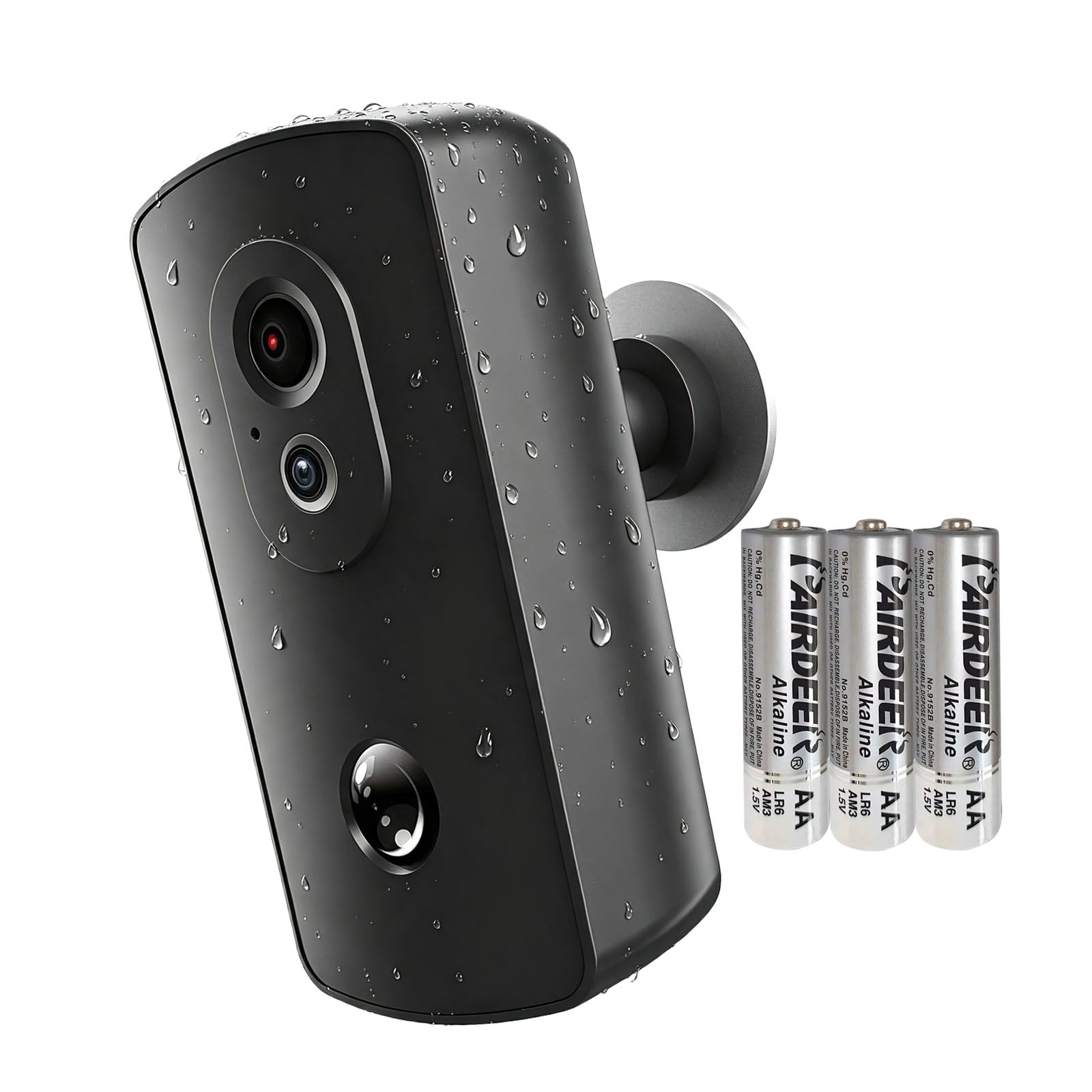
This is the pick for buyers who want footage to stay on their own device. Recording goes to a built-in SD card rather than a cloud account, so there is no subscription and no monthly bill. The -4°F rating is the headline for cold climates, and AA power means the lithium cells above drop straight in. A no-drill mount keeps installation simple for renters and anyone wary of putting holes in siding.
It suits privacy-focused homeowners and cabin owners who want a small, self-contained camera. The limitation is that local storage caps how much footage accumulates before it needs clearing, and a camera this compact rarely offers the polished app experience of the big brands.
Trade-off: Local-only storage means footage is lost if the card is removed or the unit is stolen, so placement matters more than with cloud cams.
Check the current price on Amazon
PENTAX WG-90 Blue Waterproof Digital Camera
Waterproof: 39.8 ft (14 m) for 2 hours continuous
Shockproof: 3.6 ft (1.6 m)
Dustproof: Yes
Cold Resistance: -10°C
Body: Toughness body for outdoor use

Not every cold-climate camera is a security device. The WG-90 is a handheld tough camera for someone who wants to shoot photos and video in snow, ice and wet conditions without babying the gear. It is waterproof to 39.8 feet for two continuous hours, shockproof from 3.6 feet, dustproof, and rated cold resistant to -10°C. The reinforced body is built for outdoor abuse rather than sitting on a shelf.
It suits winter sports enthusiasts, field researchers and travelers who need a camera that shrugs off a drop in the snow. This is a premium pick, and the trade-off is that a compact tough camera cannot match a dedicated security cam for monitoring a property.
Trade-off: The rugged build commands a premium price, and a compact sensor limits low-light image quality compared with larger cameras.
Check the current price on Amazon
Tapo C400 1080p Outdoor Wireless Security Camera
Resolution: 1080p
Battery Life: Up to 180 days
Storage: Subscription-free local storage or optional cloud
Detection: Person detection
Night Vision: Color
Smart Home: Works with Alexa & Google Assistant
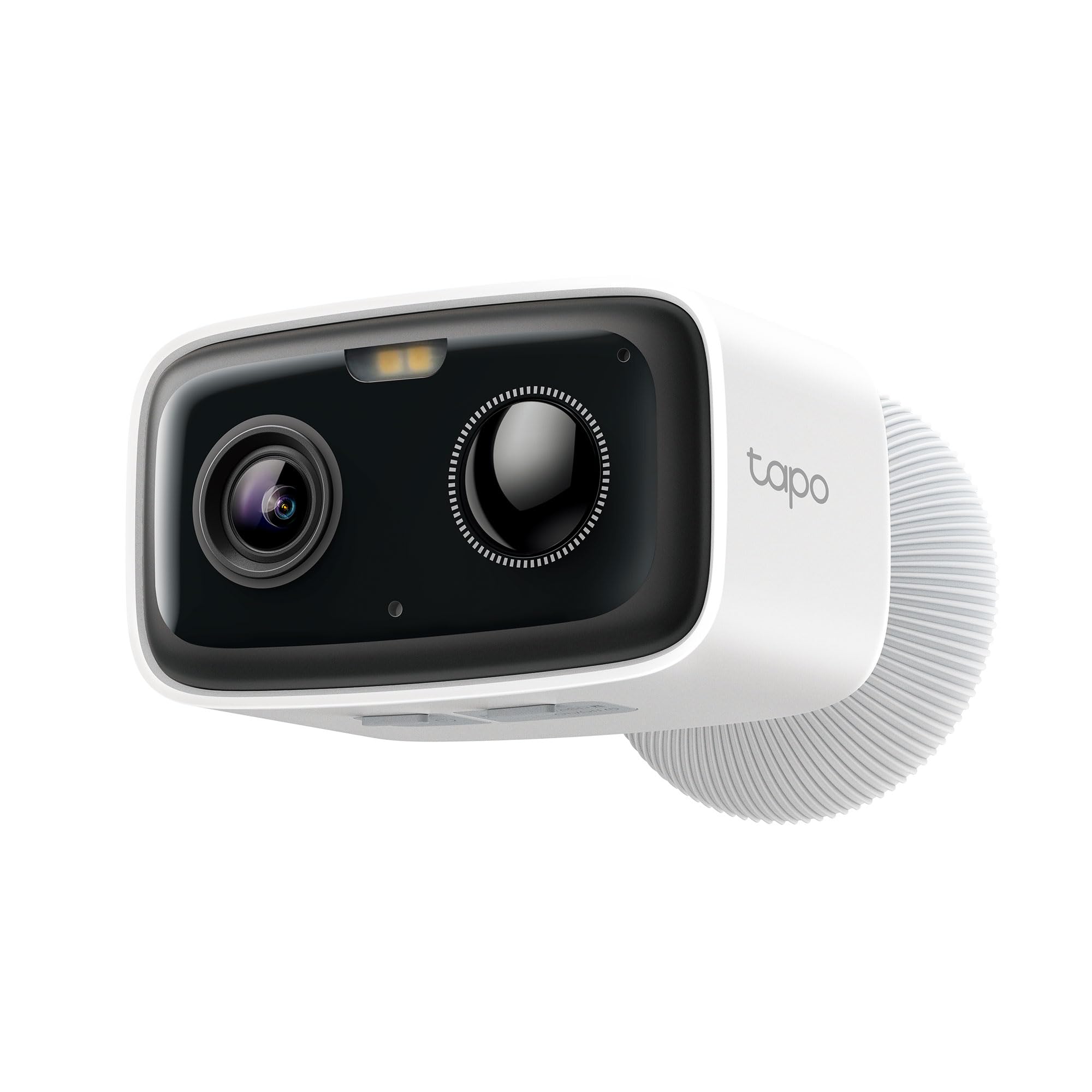
The C400 is the best battery camera for a cold climate among buyers who want a mainstream smart-home camera without a subscription. It records 1080p video, offers color night vision, and detects people rather than every swaying branch. Storage is local by default, with cloud as an optional extra, and it ties into Alexa and Google Assistant for voice control. Battery life is rated up to 180 days, which is the figure to watch in winter, since cold drains cells faster than mild weather.
It suits homeowners who want a recognizable brand and smart-home integration. The caution is that the 180-day figure assumes mild conditions, and a cold snap will shorten that considerably, so buyers should plan to swap batteries mid-season.
Trade-off: The rated battery life assumes warm weather, so a cold climate will bring more frequent battery changes than the headline suggests.
Check the current price on Amazon
Moultrie Edge Power Pack (2 Pack, 5000mAh)
Capacity: 5000mAh per pack
Configuration: 2 pack
Replacement: 1:1 replacement for 16 AA batteries
Voltage: Constant voltage for cold weather
Compatibility: Fits Edge 1/2/3/Pro trail cameras
Included: 2 USB-C cables
Intended Use: Cold-weather hunting and trail cameras
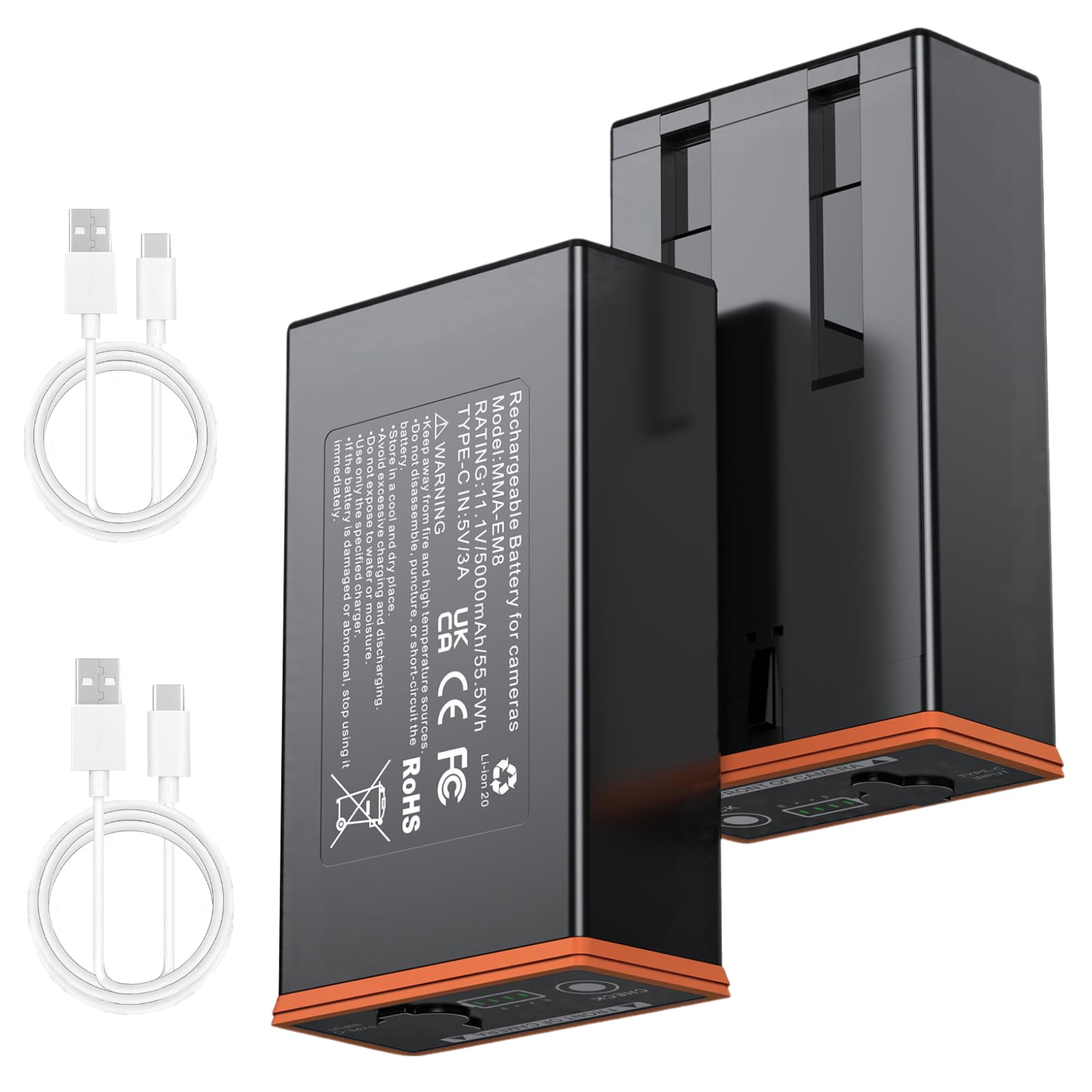
Trail-camera users get a purpose-built answer here. These 5000mAh packs replace 16 AA batteries one-for-one and hold constant voltage in cold weather, which is exactly what hunting-season scouting needs. The kit includes two packs and two USB-C cables, and it is designed to fit Moultrie Edge 1, 2, 3 and Pro models. Rechargeable packs cut the cost of disposable lithium over a full season.
It suits hunters and wildlife watchers running Moultrie Edge cameras in freezing conditions. The catch is compatibility: these fit the Edge line specifically, and owners of other trail-camera brands will need a different solution.
Trade-off: The packs are tied to the Moultrie Edge family, so they are useless to anyone running a different camera brand.
Check the current price on Amazon
Before You Buy
- Cold rating: Look for an explicit temperature rating in the product name; a camera rated to -4°F or a battery rated for cold weather is doing the work that marketing copy cannot.
- Battery chemistry: Lithium AAs hold voltage in freezing conditions far better than alkalines, so a camera’s battery type matters as much as its rating.
- Power source: AA-powered cameras are easy to keep running with lithium cells; rechargeable packs suit trail cameras but tie the buyer to one brand.
- Storage: Local SD storage avoids subscriptions but requires manual clearing; cloud storage costs money but survives theft or damage.
- Compatibility: Power packs and mounts are often model-specific, so check the exact camera model before buying accessories.
- Mounting: No-drill mounts suit renters and siding; screw mounts hold better in high wind.
- Accessories: A pack that ships with USB-C cables saves a separate purchase and keeps everything chargeable from one source.
Frequently Asked Questions
-
What makes a battery camera suitable for a cold climate?
An explicit cold-weather rating on the camera, plus lithium AA batteries or a constant-voltage power pack that holds up when temperatures drop below freezing. -
Do lithium batteries really last longer in the cold?
Yes. Lithium chemistry maintains usable voltage at low temperatures far better than alkaline, which is why cold-rated cameras often specify lithium AAs. -
Can a standard security camera survive winter?
Many can, but a camera rated to -4°F or a power pack rated for cold weather removes the guesswork and reduces the chance of a mid-winter failure. -
Is local storage better than cloud for a cold-climate camera?
Local storage avoids subscriptions and keeps footage private, but it is lost if the camera or card is stolen, so cloud is the safer option for high-risk locations. -
Will a trail-camera power pack work with any camera?
No. Packs like the Moultrie Edge replacement are built for specific models, so compatibility must be checked before purchase. -
How often should batteries be changed in winter?
More often than the rated battery life suggests, because cold shortens runtime; planning a mid-season swap is the safe approach.
Bottom Line
For most buyers, the Built-in SD Card Privacy Camera is the best battery camera for a cold climate: it is rated to -4°F, runs on AA lithium cells, and keeps footage private without a subscription. Trail-camera users should pair the Moultrie Edge power packs with their existing setup, while the Tapo C400 suits anyone who wants smart-home integration. Stock up on Energizer lithium AAs and the winter setup is complete.
