Why there are Amazon links here: Brave Review is paid a commission for qualifying Amazon purchases made through the links below. Your price does not change, and using our links is entirely optional. How this works
Best Battery for a Caravan or Camper: 5 Picks for Off-Grid Power
Choosing the best battery for a caravan or camper comes down to matching capacity, chemistry, and budget to how the rig is actually used. This roundup covers five verified options, from a compact 100Ah lithium unit to a high-capacity 300Ah bank, and each one suits a different kind of traveler. Weekend campers, full-time off-grid nomads, and budget-conscious DIY builders will all find a fit below. The overview table gives the quick answer, and the detailed reviews explain who each pick is for and where it falls short.
Overview of the Picks
| Product | Key Spec | Best Use | Price Tier |
|---|---|---|---|
| 12.8V 300Ah LiFePO4 with 200A BMS | 3840Wh, 15000+ cycles | Large power banks for full-time off-grid | Mid-range |
| Renogy 12V 100Ah AGM | 1100A max discharge, 3% self-discharge | Budget starter and cabin setups | Budget |
| ECO-WORTHY EnergyRock 12V 280Ah | 3584Wh, metal case, Bluetooth | Monitored power in a rugged shell | Upper mid-range |
| 12V 300Ah LiFePO4 Low Temp Cutoff | 2560W output, 5000+ cycles | High-draw camper systems | Premium |
| 12V 100Ah LiFePO4 Group 31 | 1280Wh, 100A BMS, lightweight | Lightweight trailer and trolling setups | Budget |
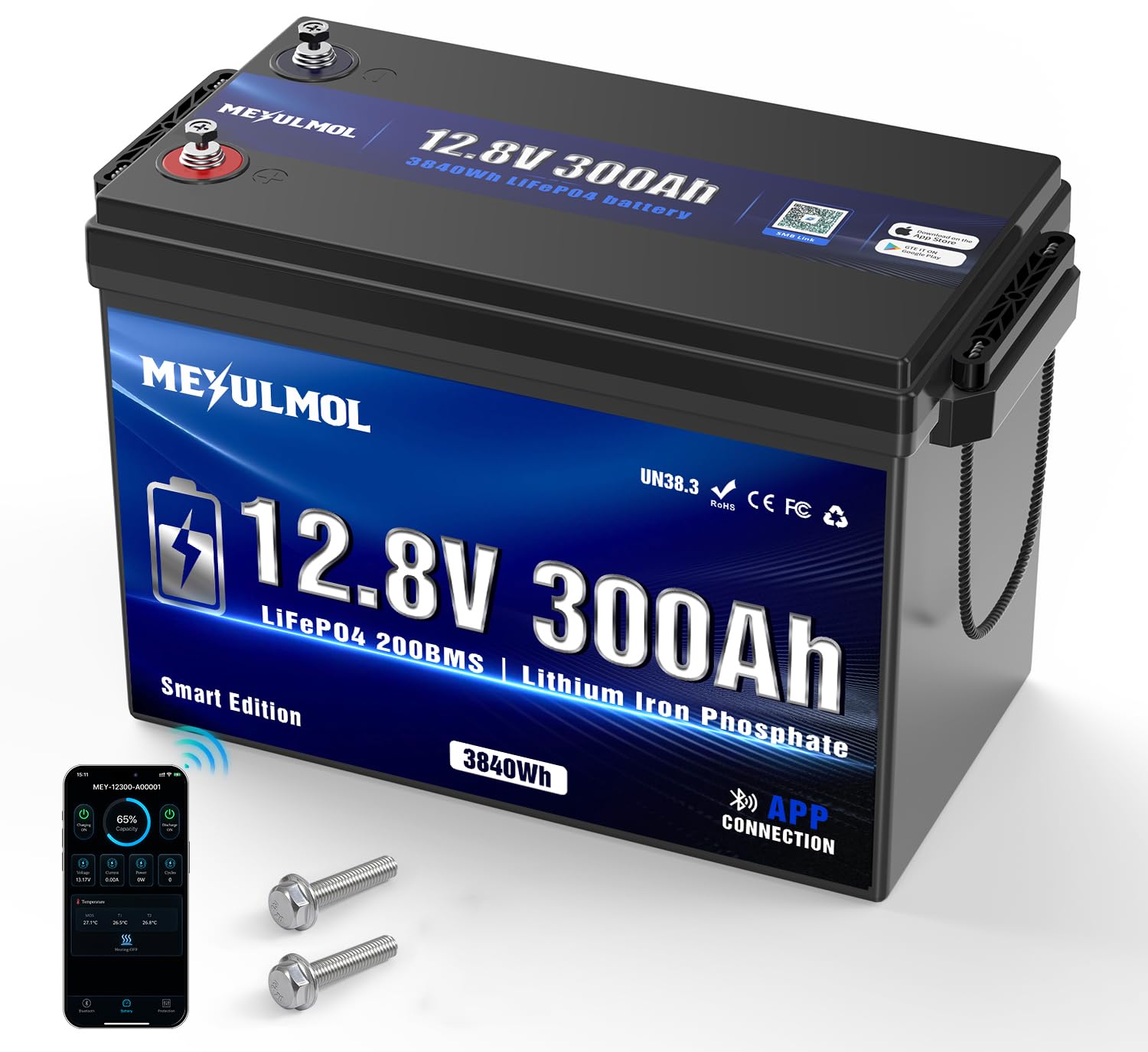
1. 12.8V 300Ah LiFePO4 Lithium Battery with 200A BMS
Chemistry: LiFePO4 lithium
Capacity: 300Ah / 3840Wh
BMS: 200A
Cycle Life: 15000+ cycles
Low-Temp Protection: Yes
Nominal Voltage: 12.8V
This is a serious power bank for a camper that runs a lot of gear. The LiFePO4 chemistry paired with a 200A BMS means it can push large loads and recharge from solar without the wear that lead-acid suffers. The 3840Wh figure translates to multiple days of fridge, lights, and device charging between top-ups. Low-temperature protection shields the cells from charging damage in cold weather, which matters for shoulder-season trips.
This pick earned its place for travelers who want to build a capable off-grid system without stepping up to the most expensive tier. It suits full-time nomads and larger caravans with room for a substantial battery. The trade-off is weight and footprint: a 300Ah lithium unit is heavy and takes up real space, so small trailers and lightweight builds should look elsewhere.
Trade-off: A 300Ah battery adds significant weight and bulk, so it is a poor match for compact campers or tow vehicles with tight payload limits.
2. Renogy 12V 100Ah Deep Cycle AGM Battery

Chemistry: AGM lead-acid
Capacity: 100Ah
Max Discharge Current: 1100A
Self-Discharge Rate: 3%
Intended Use: RV, camper, cabin, marine, off-grid
Nominal Voltage: 12V
The AGM design is the traditional workhorse for camper power, and this Renogy unit leans into that role. A 3% self-discharge rate means it holds a charge well during storage between trips, and the 1100A max discharge supports high-draw moments like inverter startup. AGM batteries are sealed and maintenance-free, so there is no electrolyte to top up. The 100Ah capacity covers lights, a small fridge, and device charging for a modest trip.
This is the pick for buyers who want proven lead-acid reliability at the lowest entry cost. It suits weekend campers, cabin owners, and anyone building a first solar setup on a budget. The trade-off is cycle life: AGM cells wear out faster than lithium and deliver less usable capacity, so heavy daily users will replace it sooner.
Trade-off: AGM chemistry offers a shorter service life and heavier weight than lithium, so it is not the right long-term choice for full-time off-grid living.
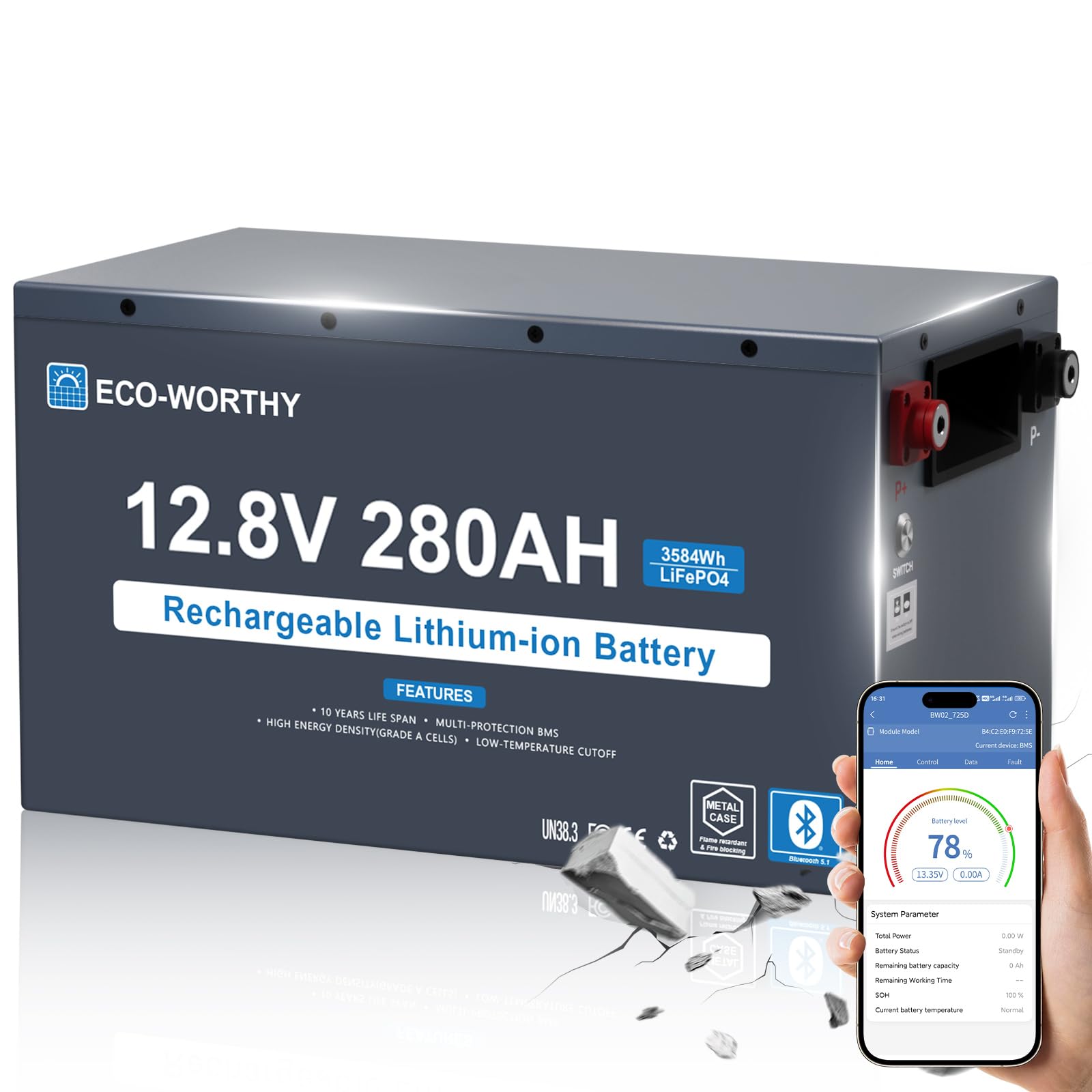
3. ECO-WORTHY EnergyRock 12V 280Ah Metal Case LiFePO4 Battery
Chemistry: LiFePO4 lithium
Capacity: 280Ah / 3584Wh
BMS: 200A
Case Material: Metal
Features: Bluetooth, safety switch, low-temp protection
Intended Use: Off-grid, RV, camper, travel trailer
The metal case is the standout here, giving the cells more physical protection than the plastic shells common at this capacity. Bluetooth monitoring lets owners check state of charge and cell health from a phone, which takes the guesswork out of power management. The built-in 200A BMS and low-temp protection cover the same safety ground as the top pick, and the 3584Wh capacity supports multi-day off-grid use. A dedicated safety switch adds a clean way to isolate the battery.
This pick suits travelers who want visibility into their power system and a tougher enclosure for rough roads and dusty campsites. It fits mid-size to large caravans and travel trailers with the space for a 280Ah bank. The trade-off is cost and weight: the metal case and Bluetooth electronics push the price up and add heft compared with simpler plastic-cased units.
Trade-off: The metal enclosure and monitoring features raise both the price and the weight, so budget-focused or space-limited builds may prefer a simpler option.
4. 12V 300Ah LiFePO4 Lithium Battery with Low Temp Cutoff

Chemistry: LiFePO4 lithium
Capacity: 300Ah
Max Power Output: 2560W
BMS: 200A
Cycle Life: 5000+ cycles
Low-Temp Cutoff: Yes
Intended Use: RV, camper, backup power, solar, off-grid
This battery targets high-draw camper systems where inverters and appliances pull serious wattage. A 2560W max output means it can feed a sizable inverter without tripping protection, and the 200A BMS keeps that current in check. The 300Ah capacity gives long runtime between charges, and low-temperature cutoff prevents cold-weather charging damage. It is built for solar and off-grid setups that need headroom.
This is the premium pick for buyers running power-hungry gear like induction cooktops, large inverters, or air conditioning off battery. It suits well-equipped caravans and expedition rigs where capacity and output both matter. The trade-off is price: it sits at the top of this group, and the 5000+ cycle rating reflects a solid but not class-leading lifespan for the money.
Trade-off: The premium price makes it hard to justify for light users who rarely draw high wattage and would do fine with a cheaper, smaller battery.
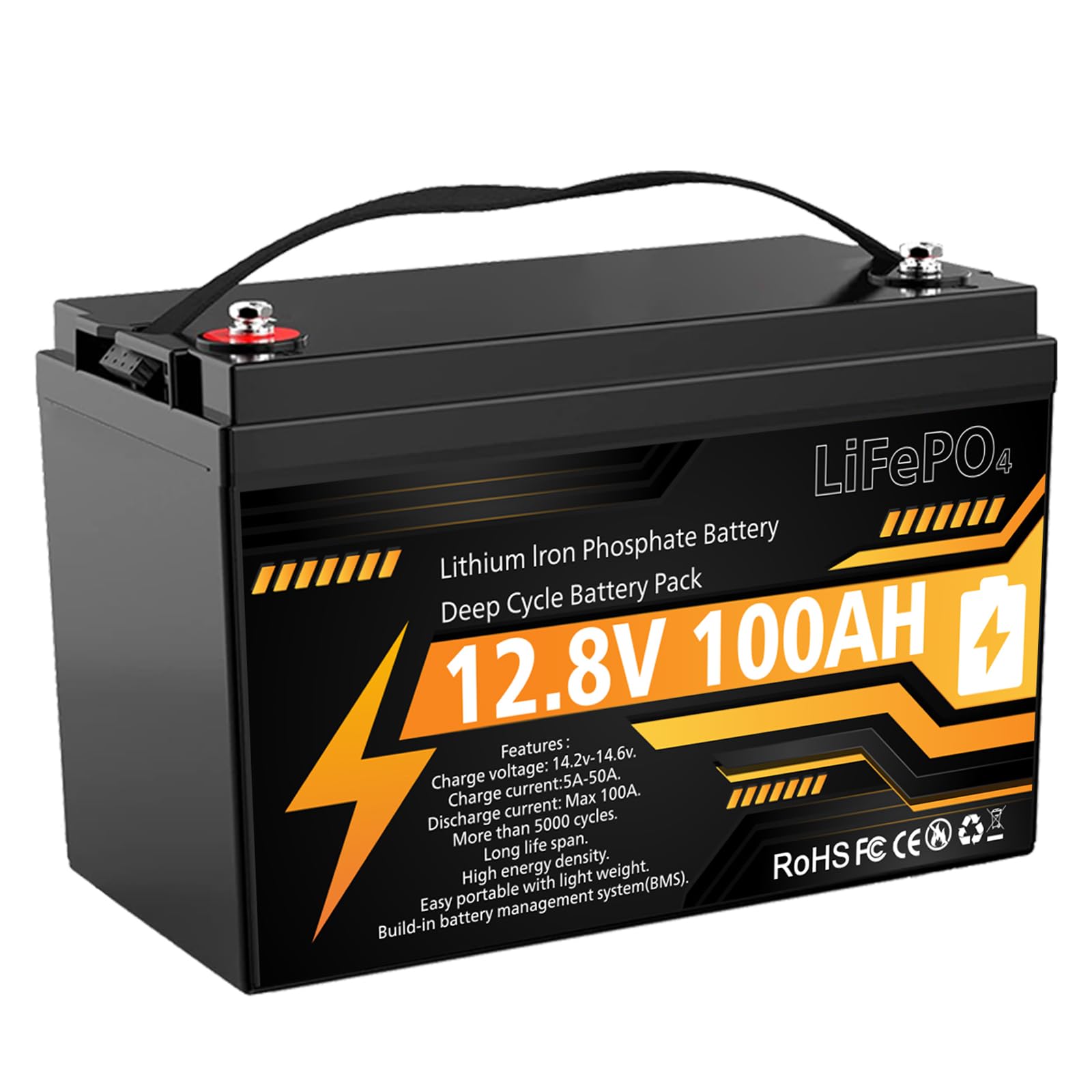
5. 12V 100Ah LiFePO4 Group 31 Deep Cycle Battery
Chemistry: LiFePO4 lithium
Capacity: 100Ah / 1280Wh
BMS: 100A
Cycle Life: 15000+ deep cycles
Low-Temp Cutoff: Yes
Scalability: 4P4S up to 20.48kWh
Group Size: 31
This is the lightweight, scalable option for smaller rigs and expanding systems. At 100Ah and 1280Wh it covers essentials like a fridge, lights, and charging, and the 15000+ cycle rating promises long service. The 4P4S configuration allows multiple units to be wired into a much larger bank when more capacity is needed later. Low-temp cutoff and a 100A BMS handle the safety basics, and the Group 31 footprint fits standard battery trays.
This pick suits buyers who want to start small and grow, or who need a compact lithium battery for a teardrop trailer, trolling motor, or marine setup. It is also the most affordable lithium option here. The trade-off is limited standalone capacity: 100Ah runs out fast for high-draw appliances, so heavy users will need to parallel several units.
Trade-off: A single 100Ah unit is light on runtime for power-hungry campers, so it only makes sense for modest loads or as part of a multi-battery bank.
Before You Buy
- Chemistry: Lithium LiFePO4 delivers more usable capacity, lighter weight, and longer life than AGM, but costs more up front.
- Capacity: Match Ah and Wh to daily consumption — 100Ah suits light use, while 280-300Ah supports multi-day off-grid trips.
- BMS rating: A higher amp BMS supports bigger inverters and high-draw appliances without tripping protection.
- Cold weather: Low-temperature cutoff or protection is essential for charging safely in freezing conditions.
- Physical size and weight: Confirm the battery fits the tray or compartment and stays within the tow vehicle’s payload limits.
- Scalability: Buyers planning to expand should choose units that allow parallel or series wiring for a larger bank later.
- Compatibility: Check that the charger and solar controller support the chosen chemistry’s charging profile.
Frequently Asked Questions
-
Is lithium or AGM better for a caravan or camper?
Lithium LiFePO4 offers more usable capacity, lighter weight, and far longer cycle life, while AGM is cheaper up front and simpler to replace. Full-time users lean lithium; occasional campers often do fine with AGM. -
How much battery capacity does a camper need?
It depends on daily draw. A 100Ah battery covers lights, a small fridge, and charging, while 280-300Ah supports multi-day off-grid use with larger appliances. -
What does low-temperature protection do?
It prevents the battery from charging in freezing conditions, which can damage lithium cells. The feature matters for shoulder-season and winter camping. -
What is a BMS, and why does the amp rating matter?
The battery management system protects the cells and controls current flow. A higher amp rating allows larger inverters and high-draw appliances to run without shutdown. -
Can these batteries be connected together for more capacity?
Many lithium units, including the Group 31 pick here, support parallel and series wiring to build a larger bank. Check each product’s stated configuration before expanding. -
Do camper batteries need a special charger?
Yes. Lithium and AGM require different charging profiles, so the charger and solar controller must match the battery chemistry for safe, full charging.
Bottom Line
For most caravan and camper owners who want a capable, long-lasting power bank at a sensible price, the 12.8V 300Ah LiFePO4 with 200A BMS is the best battery for a caravan or camper overall. It balances large capacity, strong output, cold-weather protection, and a mid-range price. Budget-first buyers can drop to the Renogy AGM, while those wanting Bluetooth monitoring or maximum output have clear upgrades above it.