Why there are Amazon links here: Brave Review is paid a commission for qualifying Amazon purchases made through the links below. Your price does not change, and using our links is entirely optional. How this works
Best Doorbell Camera for a Household with a Hearing Impairment
A doorbell is only useful if everyone in the house can actually perceive it. For a household with a hearing impairment, that means flashing lights, vibrating receivers, or phone alerts that fire even when the chime cannot be heard. This roundup covers five picks: two dedicated visual-alert doorbells built for deaf and hard-of-hearing homes, and three video doorbells that push notifications to a phone. Readers who want a simple plug-in kit should look at the first two; readers who want to see who is at the door should start with the cameras. The overview below sorts all five by key spec and best use.
The Picks at a Glance
| Product | Key Spec | Best Use | Price Tier |
|---|---|---|---|
| Wireless Doorbell 1200Ft with Flashing Light | 1 button, 3 plug-in receivers | Whole-house coverage on a budget | Budget |
| CallToU Hearing Impaired Doorbell | 2 buttons, 2 portable receivers | Deaf and hard-of-hearing homes needing vibration | Budget |
| Feit Electric Smart Video Doorbell Camera | 2K HD, micro SD storage, chime included | Local storage without a subscription | Mid-range |
| VicoHome DB1 Doorbell Camera | 2K HD, package detection, built-in siren | Smart-home households with Alexa or Google | Mid-range |
| Ring Battery Doorbell 2K | Retinal 2K, 6x enhanced zoom, built-in battery | The widest view and the most mature app | Premium |
Best Overall for Visual Alerts: Wireless Doorbell 1200Ft with Flashing Light

Type: Wireless doorbell kit
Buttons: 1 battery-powered button
Receivers: 3 plug-in receivers
Alert method: Flashing light plus chime
Range: 1200Ft
Intended use: Home, classroom, room, office
The kit pairs one battery-powered push button with three plug-in receivers, so a single press can light up a hallway, a bedroom and a back room at once. The flashing light is the headline feature for a hearing-impaired household: the receiver blinks as the chime sounds, giving a visual cue that works even with the volume turned down. It is a radio-frequency system rather than a Wi-Fi one, which means it works without an app, an account or a router.
The build is the practical kind: a weather-exposed button and receivers that live in wall outlets. That simplicity is the point. There is nothing to configure, nothing to charge on the receiving end and nothing that depends on an internet connection staying up.
Trade-off: The kit is a notification device, not a camera — nobody can see who is at the door before answering, and the flashing light only helps if the receiver is in the room the person is actually in.
Who it suits: Households that want immediate visual and audible alerts across several rooms without spending much, and anyone who does not want a smart-home setup. It is not for buyers who need video, package detection or phone alerts while away from home.
Best for Deaf and Hard-of-Hearing Households: CallToU Hearing Impaired Doorbell
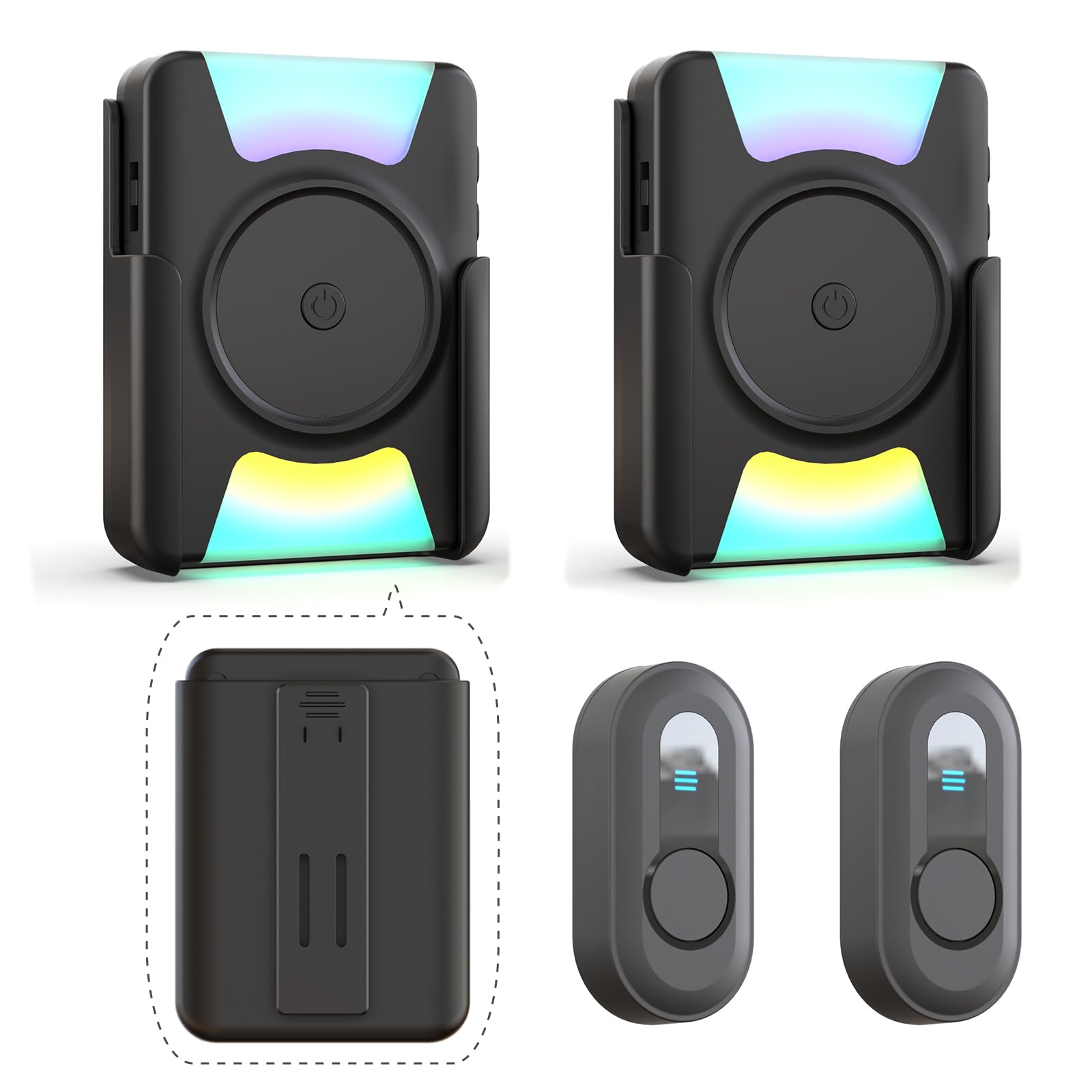
Type: Wireless doorbell kit
Buttons: 2 call buttons
Receivers: 2 portable receivers
Alert method: Vibration plus flashing light
Range: 1000FT
Power source: Battery operated
Intended use: Deaf and hard-of-hearing homes, office
This is the pick for a household where sound is not the primary channel at all. The receivers are portable and battery operated, so they can be carried from room to room or worn close by, and they alert with vibration and a flashing light. That combination reaches someone who is asleep, wearing headphones or simply in another part of the house.
Two call buttons are included, which suits a front door plus a back door or a side gate. The design also avoids startling visitors or pets with a loud chime, which is why the manufacturer positions it for deaf households specifically rather than as a general-purpose bell.
Trade-off: Portable battery receivers need to be kept charged or fed fresh batteries, and a receiver left on a shelf across the house will not help anyone — the alerts only work when the unit is within reach.
Who it suits: Deaf and hard-of-hearing residents who want a vibrating, carry-anywhere alert and two door coverage points. It is not for buyers who want a camera feed, remote phone notifications or a permanent wall-mounted chime.
Best Subscription-Free Video Option: Feit Electric Smart Video Doorbell Camera
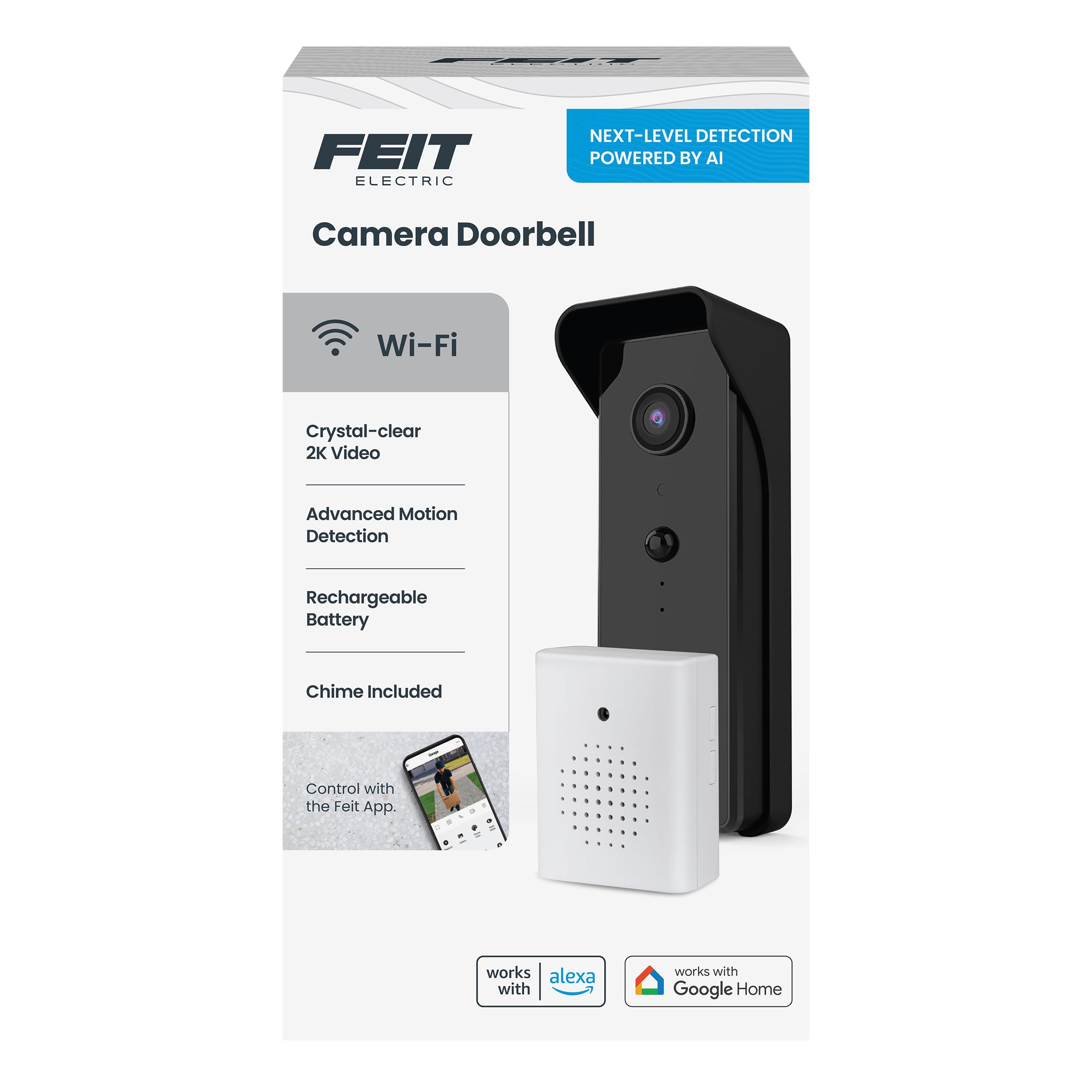
Type: Smart video doorbell camera
Video: 2K HD
Connectivity: 2.4GHz Wi-Fi, no hub required
Night vision: 16ft.
Storage: Micro SD card
Audio: Two-way audio
Included: Chime
Power source: Battery powered design
For a hearing-impaired household, a video doorbell adds a channel that a plain chime cannot: the phone screen. A motion event or a button press shows up visually on the phone, and two-way audio lets the resident answer without opening the door. The 2K sensor and 16ft. night vision give enough detail to identify a face at the threshold after dark.
The standout detail is micro SD card storage. Footage can be kept locally instead of on a paid cloud plan, which keeps the ongoing cost at zero and keeps recordings in the house. The included chime covers the audible side, and the battery-powered design avoids pulling low-voltage wiring through a wall.
Trade-off: A local card only records what the camera captures while it is awake and powered, and a battery-powered doorbell generally needs periodic recharging — a household that forgets will eventually find a dead camera at the worst moment.
Who it suits: Buyers who want a camera feed and phone notifications without a monthly subscription, and who are comfortable managing a memory card. It is not for someone who wants the doorbell to double as a whole-house visual alert system, or who refuses to recharge a battery.
Best for Smart-Home Integration: VicoHome DB1 Doorbell Camera

Type: Wireless video doorbell camera with chime
Video: 2K HD
Audio: Two-way audio
Detection: Motion detection, package detection
Extra: Built-in siren, night vision
Compatibility: Alexa and Google Home
Power source: Wireless
This camera is aimed at households that already run a smart speaker. Compatibility with Alexa and Google Home means a door press or a motion event can be announced by a device that is already in the kitchen or living room, which extends the alert system without buying anything else. The bundled chime covers the audible notification for visitors’ benefit.
Package detection is the feature that earns its place here. A hearing-impaired resident may not hear a courier knock, but a package alert on the phone is a visual signal that something has been left at the door. The built-in siren adds a deterrent for anyone lingering, and the wireless install keeps the job to a screwdriver and a charged battery.
Trade-off: Smart-home announcements depend on a stable Wi-Fi signal and a working app, so a router outage or a logged-out account quietly removes the very alert the household relies on.
Who it suits: Homes with Alexa or Google speakers that want visual phone alerts and package detection layered on top. It is not for buyers with no smart speaker and no interest in app-based notifications.
Best Wide-Angle View: Ring Battery Doorbell 2K
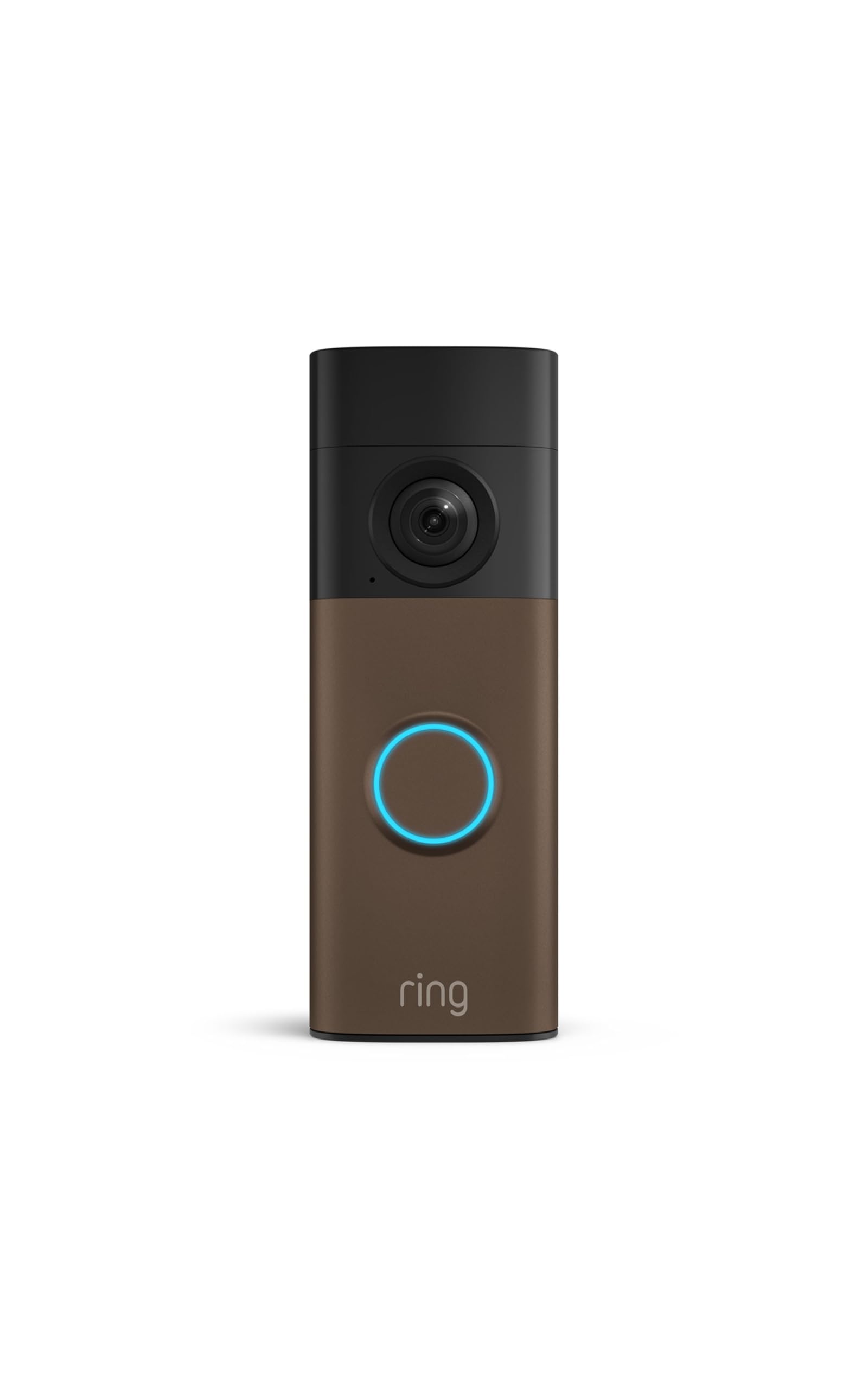
Type: Battery video doorbell
Video: Retinal 2K, wide-angle
Zoom: Up to 6x enhanced zoom
Audio: Two-way talk
Power source: Built-in battery
Finish: Matte Mocha
Ring’s newest battery doorbell brings a wide-angle lens that captures more of the porch, plus enhanced zoom for reading a face or a delivery label from the recorded frame. For a hearing-impaired resident, the value is the phone notification: the press or motion appears on screen, and two-way talk handles the conversation without raising a voice through a door.
The built-in battery means no wiring and no electrician, and the matte mocha finish is a deliberate change from the usual black or silver hardware. The camera is the most polished option in this group and the one most likely to be supported by a mature app with frequent updates.
Trade-off: The best features sit behind a subscription in most Ring setups, so the sticker price is only part of the cost, and a wide-angle lens can make a visitor look smaller and further away than they really are.
Who it suits: Buyers who want the widest view, the strongest app and are willing to pay for a plan to unlock everything. It is not for a budget-conscious household or anyone determined to avoid recurring fees.
Before You Buy
- Alert type: Decide first whether the household needs flashing lights, vibration, a phone notification or all three — a plain camera without a visual alert is not a hearing-impairment solution.
- Placement: Count how many rooms need coverage. A multi-receiver kit covers a hallway, bedroom and kitchen; a single camera only alerts the phone.
- Power: Battery doorbells need periodic recharging, plug-in receivers need an outlet, and portable vibrating receivers need their own batteries. Match the power routine to who will actually maintain it.
- Connectivity: Wi-Fi cameras depend on the router and the app. Radio-frequency kits work without either, which matters in a home with unreliable internet.
- Storage: Local micro SD storage avoids a subscription; cloud plans cost more over time but survive a stolen or damaged camera.
- Compatibility: Check that the camera works with the smart speakers already in the house before buying a hub or a new display.
- Included accessories: Confirm whether a chime, a mounting plate or a second button is in the box, since those extras change the real cost.
Frequently Asked Questions
-
Can a deaf person use a video doorbell?
Yes. The alert arrives as a visual notification and live video on a phone screen, and two-way audio lets the resident speak with a visitor without hearing a chime. -
What is the difference between a flashing doorbell and a vibrating one?
A flashing doorbell blinks a plug-in receiver that stays in one room. A vibrating receiver is portable and can be carried or worn, so it reaches someone who is not near the chime. -
Does a hearing-impaired doorbell need Wi-Fi?
Not always. Radio-frequency kits with flashing or vibrating receivers work without internet. Video doorbells need Wi-Fi to send alerts to a phone. -
How many receivers are needed for a whole house?
One per room the resident spends time in. A three-receiver kit typically covers a hallway, bedroom and kitchen; larger homes may need a second kit. -
Can a doorbell camera alert a phone without a subscription?
Live alerts and two-way talk usually work without a plan. Recorded video history is the part that often requires a subscription or a local memory card. -
Will a smart speaker announce the doorbell?
Only if the camera is compatible with that speaker system. Alexa and Google Home compatibility is listed on the camera’s product page and should be checked before purchase.
Bottom Line
The fastest fix for a hearing-impaired household is the Wireless Doorbell 1200Ft with Flashing Light: three plug-in receivers and a flashing alert cover several rooms at once, with no app, no router and no recharge routine. Households that need vibration should step to the CallToU kit, and anyone who wants to see the visitor should choose the Feit Electric camera for subscription-free local storage or the Ring Battery Doorbell 2K for the widest view.
