Why there are Amazon links here: Brave Review is paid a commission for qualifying Amazon purchases made through the links below. Your price does not change, and using our links is entirely optional. How this works
Best Loft Insulation Top Up for a Warmer Home Without a Full Re-Roof
Topping up loft insulation is the cheapest heat-loss fix most homes have left. This guide covers five products that handle different jobs: sealing the hatch, laying a reflective layer over existing insulation, or adding a proper fiberglass batt where coverage is thin. It suits DIY homeowners chasing draughts, anyone with a cold upstairs room, and renters or shed owners who need something removable. The overview table below puts all five side by side so a choice can be made in a minute.
The Picks at a Glance
| Product | Key Spec | Best Use | Price Tier |
|---|---|---|---|
| Attic Door Insulation Cover, Attic Tent 25 x 54 x 11 in | Zippered attic stair cover | Sealing the hatch draught | Budget |
| Reflectix BP24025 Bubble Pack Insulation | 24 in x 25 ft bubble roll | Wrapping joists and ducts | Budget |
| SmartSHIELD -5mm 24”X50ft R17 Reflective Insulation Roll | 5mm foil-foam roll | Large-area radiant barrier | Mid |
| Owens Corning R-19 Unfaced Fiberglass Insulation | R-19 batt, 77.5 sq ft | Adding real R-value to thin lofts | Mid |
| MRPAPA Double Reflective Insulation Foam | 48 in x 10 ft double bubble | Windows, hatches, tight spots | Budget |
1. Attic Door Insulation Cover, Attic Tent 25 x 54 x 11 in

Type: Zippered attic stair cover
Size: 25 x 54 x 11 in
Material: Insulated fabric shell
Installation: Fits over the folded stairway
Access: Zip opening
This is the pick for the draught that comes down the loft ladder on a cold night. The cover sits over the folded stairway like a tent, trapping a pocket of still air between the hatch and the house, and the zipper means the loft stays reachable without dismantling anything. The fabric shell is light enough for one person to fit, and it works as a complement to floor insulation rather than a replacement for it.
It suits homeowners who already have decent loft coverage but still feel cold air at the landing, and anyone who wants a reversible fix that comes off without tools. Buyers should note the cover only guards the opening — it does nothing for the rest of the ceiling, so a home with bare joists needs more than this.
Trade-off: It only seals the hatch opening, so it cannot fix heat loss across a poorly insulated loft floor.
2. Reflectix BP24025 24-Inch by 25-Feet Bubble Pack Insulation

Type: Bubble pack reflective roll
Width: 24 in
Length: 25 ft
Material: Foil-faced bubble
Format: Single unit roll**
Reflectix is the roll that ends up in every loft because it is cheap, light and cuts with scissors. The foil faces reflect radiant heat while the bubble core traps a thin layer of air, and the 24-inch width is narrow enough to work between joists or wrap around ducting and pipework. It is the practical choice for spot work rather than whole-loft coverage.
This suits anyone topping up around a water tank, lagging ducts, or lining a shed wall, plus homeowners who want a removable layer over existing insulation. It is not a substitute for bulk fiberglass in a cold loft — the roll is thin, and a single layer will not deliver the depth a proper batt does.
Trade-off: The roll is thin, so it works best as a radiant barrier or wrap rather than as the main insulation layer.
3. SmartSHIELD -5mm 24”X50ft R17 Reflective Insulation Roll
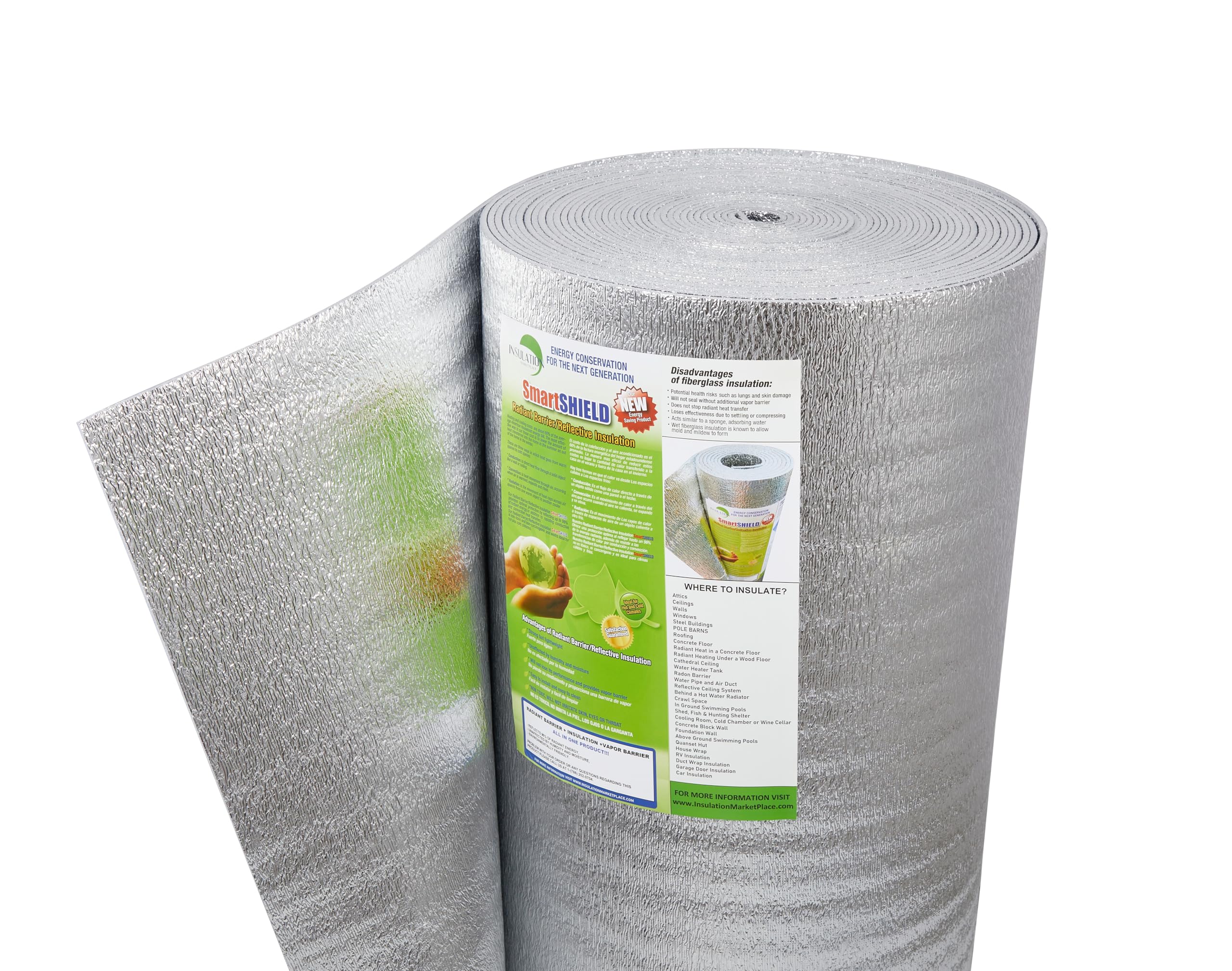
Type: Foil-foam reflective roll
Thickness: 5 mm
Width: 24 in
Length: 50 ft
Rating: R17
Facing: Foil both sides
SmartSHIELD is the bigger, denser option for anyone covering real area. The foam core gives it more body than bubble wrap, the foil on both faces blocks radiant transfer in either direction, and the 50-foot length covers a long run of rafters or joists without joins. It is the pick for loft conversions, garage ceilings and large reflective jobs.
It suits DIYers who want a clean, cut-to-size barrier over a wide span. The stated R17 applies to the assembly as installed, not to the bare sheet, so buyers expecting a thick blanket from a 5mm roll will be disappointed — the value here is radiant control and coverage, not bulk.
Trade-off: A 5mm sheet is thin in the hand, so it is a radiant barrier first and a bulk insulator second.
4. Owens Corning R-19 Unfaced Fiberglass Insulation 77.5 Sq.ft (15 in x 93 in) 1 Batt
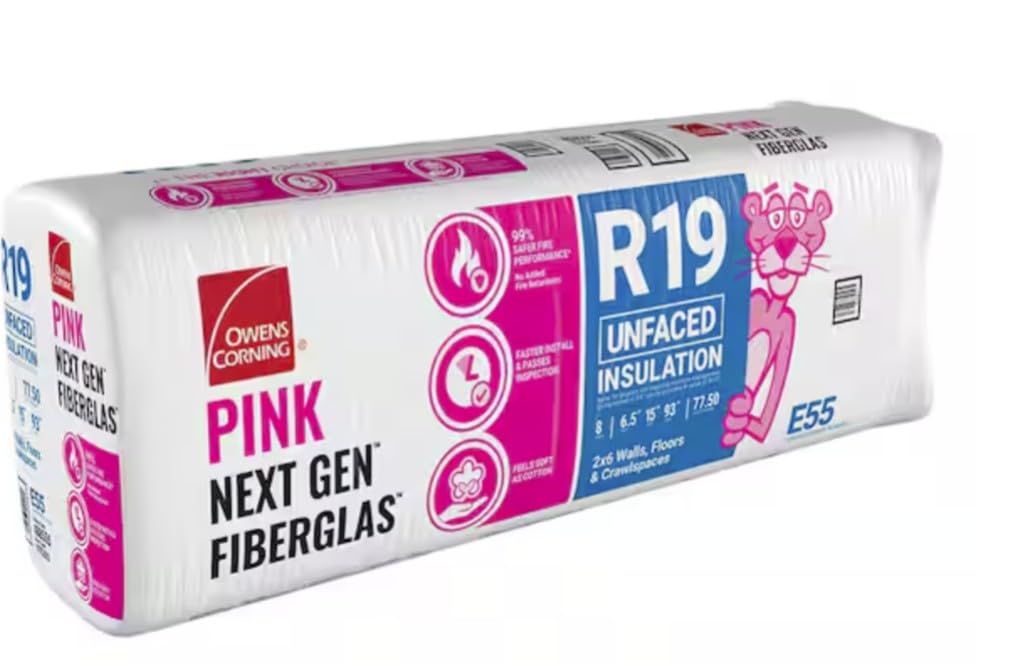
Type: Fiberglass batt
Rating: R-19
Coverage: 77.5 sq ft
Dimensions: 15 in x 93 in
Facing: Unfaced
Quantity: 1 batt
This is the only product here that adds genuine bulk R-value. The R-19 batt is unfaced, so it sits between joists without a vapor barrier fighting an existing one, and the 15-inch width suits standard joist spacing. For a loft with patchy or compressed insulation, this is the material that actually raises the thermal performance of the floor.
It suits homeowners doing a proper top up who are comfortable with basic protective gear and a bit of itchy work. The caution is quantity: one batt covers 77.5 sq ft, so a typical loft needs several, and the budget adds up fast compared with a single roll.
Trade-off: One batt covers 77.5 sq ft, so a full loft needs multiple packs and the cost climbs quickly.
5. MRPAPA Double Reflective Insulation Foam, 48" x 10 Ft

Type: Double reflective bubble roll
Width: 48 in
Length: 10 ft
Material: Engineered foil over bubble
Facing: Double reflective
Fire rating: B2 stated
The widest sheet in the group, which makes it the easiest to handle on hatches, windows and flat surfaces. The double reflective facing blocks radiant heat from both sides, and the generous width cuts down on seams when lining a loft hatch or a shed roof. It is the flexible, low-cost layer for awkward spots where a rigid batt will not fit.
It suits renters, shed and garage owners, and anyone sealing a hatch or window rather than insulating a whole loft floor. The 10-foot length limits it to small jobs, and the bubble core compresses under pressure, so it should not be walked on.
Trade-off: The short 10-foot length caps it at small jobs, and the bubble core loses performance if compressed or walked on.
Before You Buy
- Material: Match the product to the job — fiberglass adds R-value, foil-faced rolls control radiant heat, fabric covers seal hatches.
- Coverage: Measure the loft floor area first; one batt or one roll rarely finishes a whole loft.
- Existing insulation: Unfaced batts are safer over older insulation that already has a vapor barrier.
- Access: A zippered hatch cover keeps the loft reachable; a sealed sheet does not.
- Safety gear: Fiberglass needs gloves, eye protection and a mask, and loose fill should not be disturbed.
- Clearance: Keep insulation away from recessed lights and flues unless the fitting is rated for contact.
- Ventilation: Do not block eaves vents; trapped moisture does more damage than missing insulation.
Frequently Asked Questions
-
What is the best loft insulation top up for a cold hatch?
A zippered attic tent cover, because it seals the opening where cold air drops into the landing without blocking loft access. -
Can reflective foil replace fiberglass in a loft?
No. Foil-faced rolls control radiant heat but add little bulk R-value, so they complement fiberglass rather than replace it. -
How much coverage does one batt give?
The Owens Corning batt covers 77.5 sq ft, so most lofts need several packs to top up the full floor area. -
Is unfaced insulation the right choice?
Unfaced batts suit lofts that already have a vapor barrier, since a second facing can trap moisture. -
Can foil insulation be used on windows?
Yes. The wide double reflective roll is easy to cut for windows, hatches and shed panels where a batt will not fit. -
Does a loft cover improve energy bills on its own?
It reduces draughts at the hatch, but real savings come from combining it with proper floor insulation depth.
Bottom Line
For most homes, the Owens Corning R-19 batt is the best loft insulation top up because it is the only pick that adds real bulk R-value to a thin loft floor. Pair it with the zippered attic tent to close the hatch draught, and use a reflective roll for ducts and awkward corners. Check the Owens Corning R-19 on Amazon to confirm current pricing before ordering enough packs to cover the loft.