Why there are Amazon links here: Brave Review is paid a commission for qualifying Amazon purchases made through the links below. Your price does not change, and using our links is entirely optional. How this works
Best Mesh System for a Flat With Solid Concrete Walls
Solid concrete walls are unforgiving: they crack, they seep, and they refuse to accept a patch that is not reinforced. This guide covers five fiberglass and steel mesh products that hold plaster, stucco and joint compound together on hard interior and exterior surfaces. It suits three kinds of buyers — the DIY renter patching a hairline crack, the renovator skimming a whole flat, and the contractor reinforcing a slab pour. The overview table below puts every pick side by side so a decision can be made in under a minute.
Overview of the Picks
| Product | Key Spec | Best Use | Price Tier |
|---|---|---|---|
| Plastering Mesh for Strength & Stability (3.2 x 164 ft) | 3.2 ft wide, 164 ft roll | Small crack repair on walls and ceilings | Budget |
| Fiberglass Mesh 3.2ft x 328ft Enhanced Strength | 328 ft continuous roll | Whole-flat skimming and large seams | Mid-range |
| SPIDERMESH 42 in. x 84 in. Remesh Sheet | Epoxy-coated 10-gauge steel | Slab pours and flatwork replacement | Premium |
| Fiberglass Mesh Roll for Concrete, 150g/m2 | 150 g/m², non-adhesive | Drywall joint repair and anti-seepage | Mid-range |
| 3.3x328ft Fiberglass Mesh Roll, 160g/m² | 160 g/m², 3.3 ft x 328 ft | Heavy stucco and exterior seam work | Upper mid-range |
Plastering Mesh for Strength & Stability, 3.2 x 164 ft
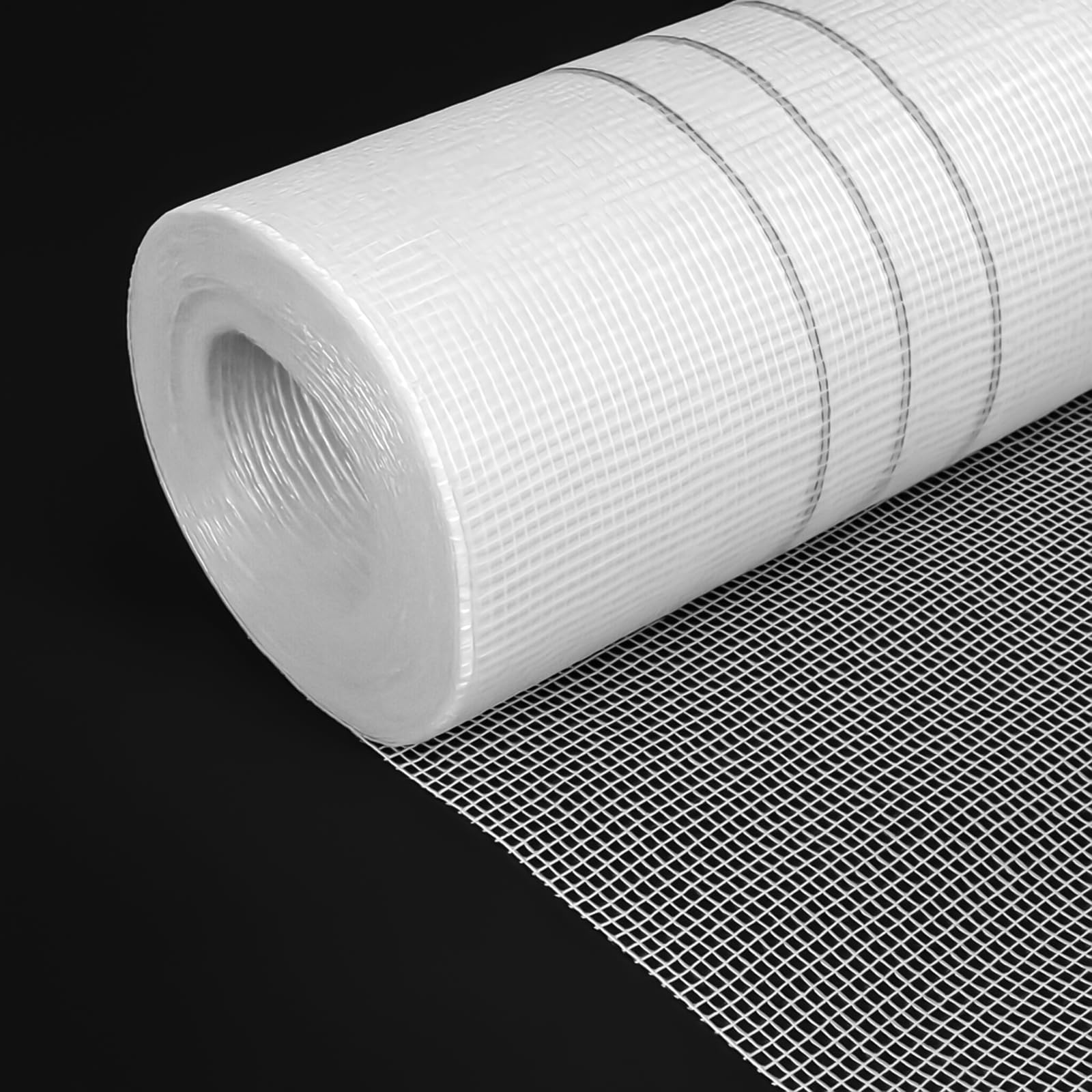
Type: Fiberglass mesh roll
Width: 3.2 ft
Length: 164 ft
Color: White
Intended use: Interior and exterior walls, ceilings, seams
Format: Roll
Plastering Mesh for Strength & Stability is the entry point into the category. The roll is fiberglass, woven into an open grid that keys into plaster, stucco and joint compound without adding meaningful weight to the wall. At 3.2 ft wide it covers a generous strip in one pass, which matters on long horizontal cracks in solid concrete where a narrow tape would need three runs.
It is aimed at the buyer fixing isolated cracks rather than resurfacing an entire room. The white finish disappears under most light-colored fillers, and the roll format means it can be cut to length with scissors. It is a sensible first purchase for a renter or a first-time patcher who does not want to commit to a full roll of premium mesh.
Trade-off: The shorter 164 ft length runs out fast on a full flat, so buyers covering more than a couple of rooms will likely need a second roll.
Fiberglass Mesh 3.2ft x 328ft Enhanced Strength and Stability for Walls
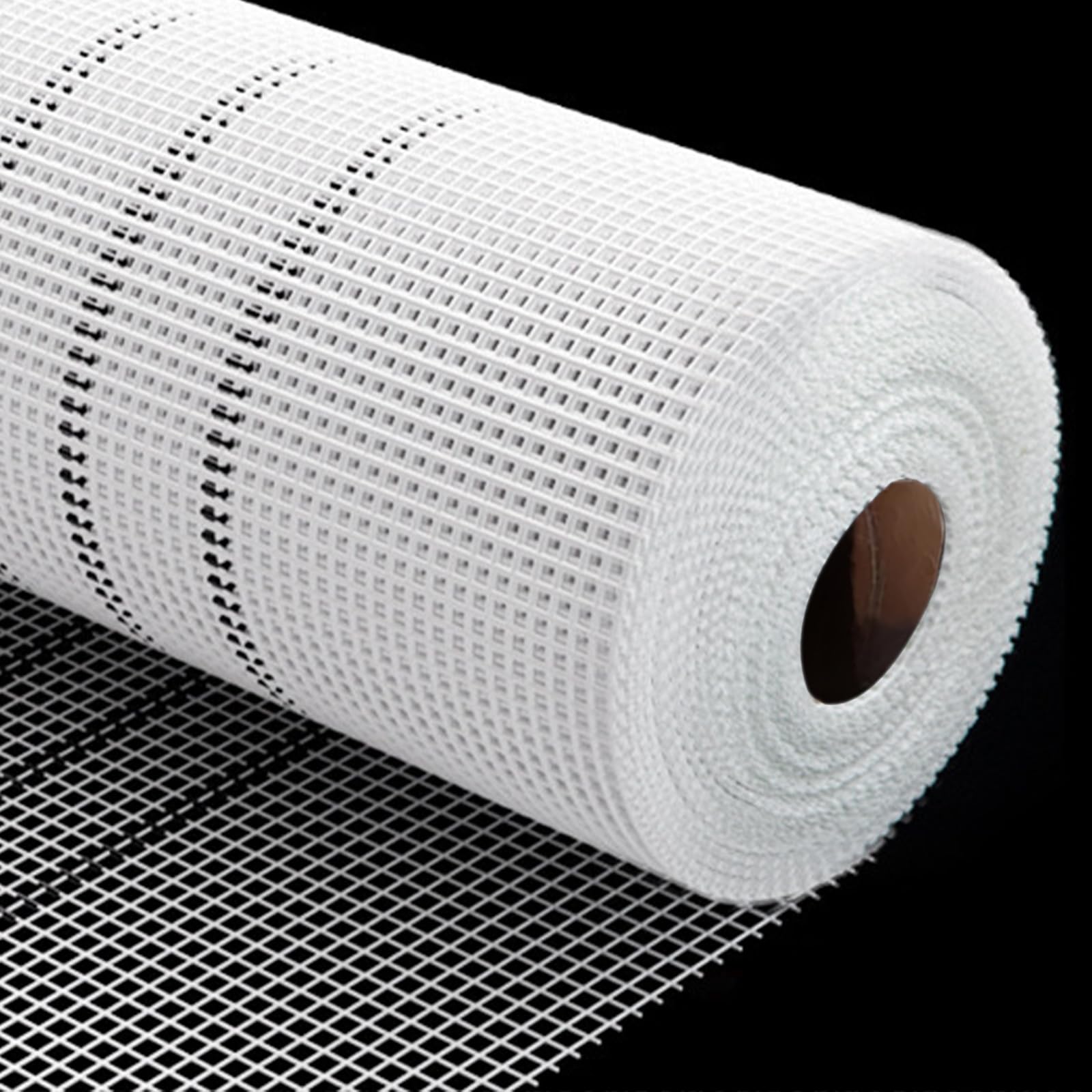
Type: Fiberglass mesh roll
Width: 3.2 ft
Length: 328 ft
Intended use: Wall reinforcement and stabilization
Format: Continuous roll
Fiberglass Mesh 3.2ft x 328ft Enhanced Strength and Stability for Walls doubles the length of the budget pick while keeping the same working width. That combination is what makes it the natural choice for a whole-flat job: one roll covers long runs across several rooms without a splice in the middle of a seam. The fiberglass construction is light enough to hang overhead on ceilings without sagging before the compound sets.
The product is positioned around stability rather than simple crack bridging, which points to buyers reinforcing a wall that has already shown movement. It suits a renovator skimming a full apartment or a tradesperson who wants one roll on the van for the day. The continuous format also reduces waste, since offcuts from one wall can be carried straight into the next.
Trade-off: A roll this long is awkward to handle solo on a ladder, and the unused portion needs somewhere dry to live between jobs.
SPIDERMESH 42 in. x 84 in. Fiberglass Epoxy Coated 10-Gauge Steel Wire Remesh Sheet
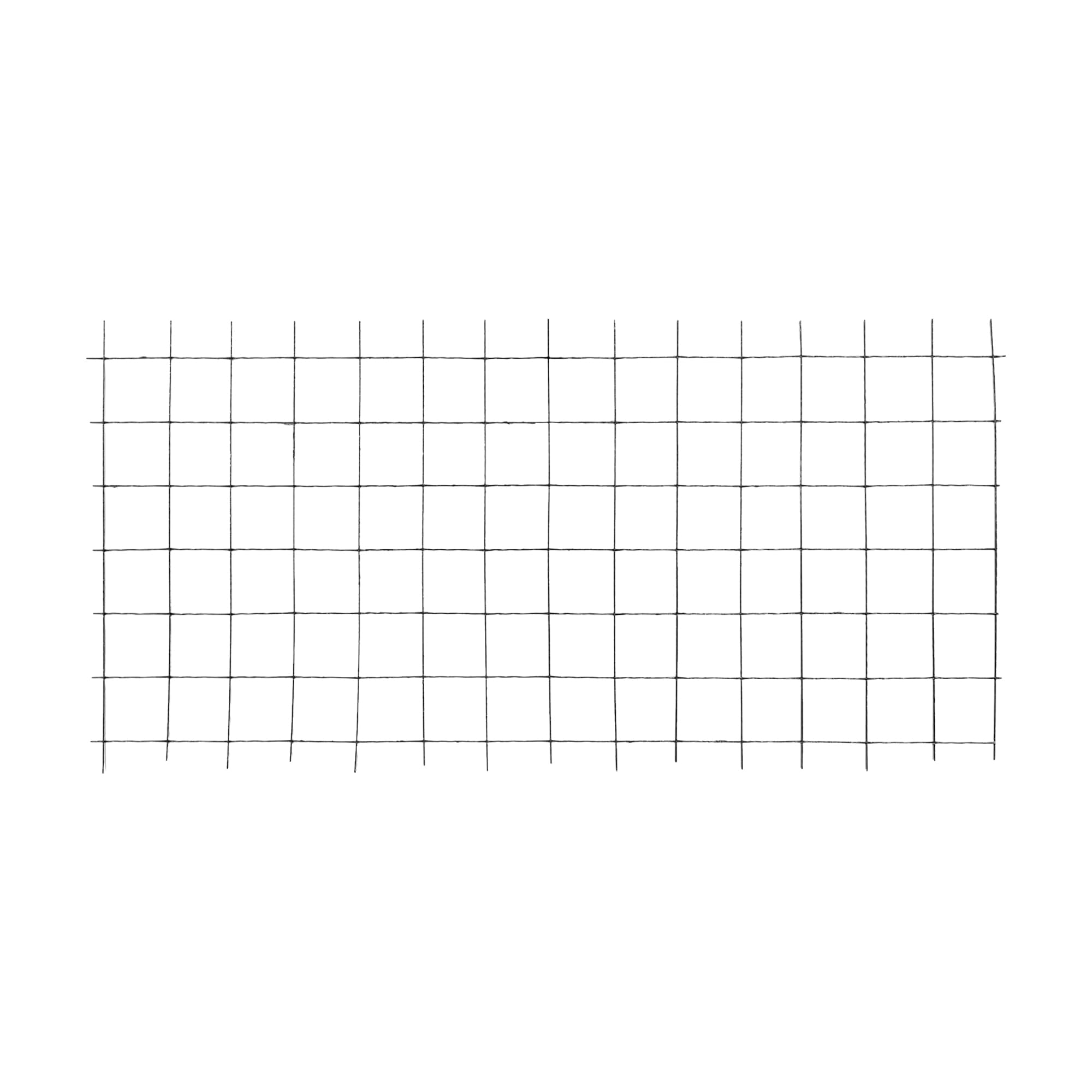
Type: Remesh sheet
Material: Fiberglass, epoxy-coated 10-gauge steel wire
Width: 42 in.
Length: 84 in.
Intended use: Concrete, flatwork, slab pours
Format: Sheet
SPIDERMESH 42 in. x 84 in. Fiberglass Epoxy Coated 10-Gauge Steel Wire Remesh Sheet is a different animal from the fiberglass rolls, and the price reflects it. This is a rigid sheet combining epoxy-coated steel wire with fiberglass, sold as an alternative to traditional remesh for slab pours and flatwork. The epoxy coating is the point: bare steel mesh rusts once it is buried in concrete, and a coated grid is designed to resist that over the life of the pour.
It is not a wall-patching product. The buyer here is pouring a slab, a patio base or a floor section and wants reinforcement that stays put under the weight of wet concrete. The sheet format lays flat and holds its shape, which keeps it at the right depth in the pour instead of floating up. For a flat with a concrete floor being cut and repoured, this is the serious option.
Trade-off: The cost per square foot is far above any roll on this list, so it only makes sense where structural reinforcement is genuinely required.
Fiberglass Mesh Roll for Concrete, 150g/m2, 3.2ft x 164ft

Type: Fiberglass mesh roll
Weight: 150 g/m²
Width: 3.2 ft
Length: 164 ft
Color: White
Intended use: Drywall repair, reinforcement, anti-seepage, anti-cracking
Format: Non-adhesive roll
Fiberglass Mesh Roll for Concrete, 150g/m2 is specified by weight rather than by marketing language, which makes it easy to compare. At 150 g/m² it sits in the middle of the fiberglass range — heavy enough to bridge a joint properly, light enough to bed into compound without a fight. The non-adhesive format means it is held in place by the filler itself, so there is no sticky backing to wrangle on a ceiling.
The stated uses cover drywall repair, reinforcement and anti-seepage, which maps closely onto the problems a concrete flat actually has: joints that open, corners that crack, and damp that tracks along a seam. It is a good fit for a buyer doing targeted repairs across several rooms rather than one continuous run. The 164 ft length is enough for a handful of repair sessions without leaving a half-used roll in the cupboard.
Trade-off: Non-adhesive mesh needs a steady hand and a fresh bed of compound, and it will slide out of position if the first pass is too thin.
3.3x328ft Fiberglass Mesh Roll, 160g/m² White Stucco Mesh
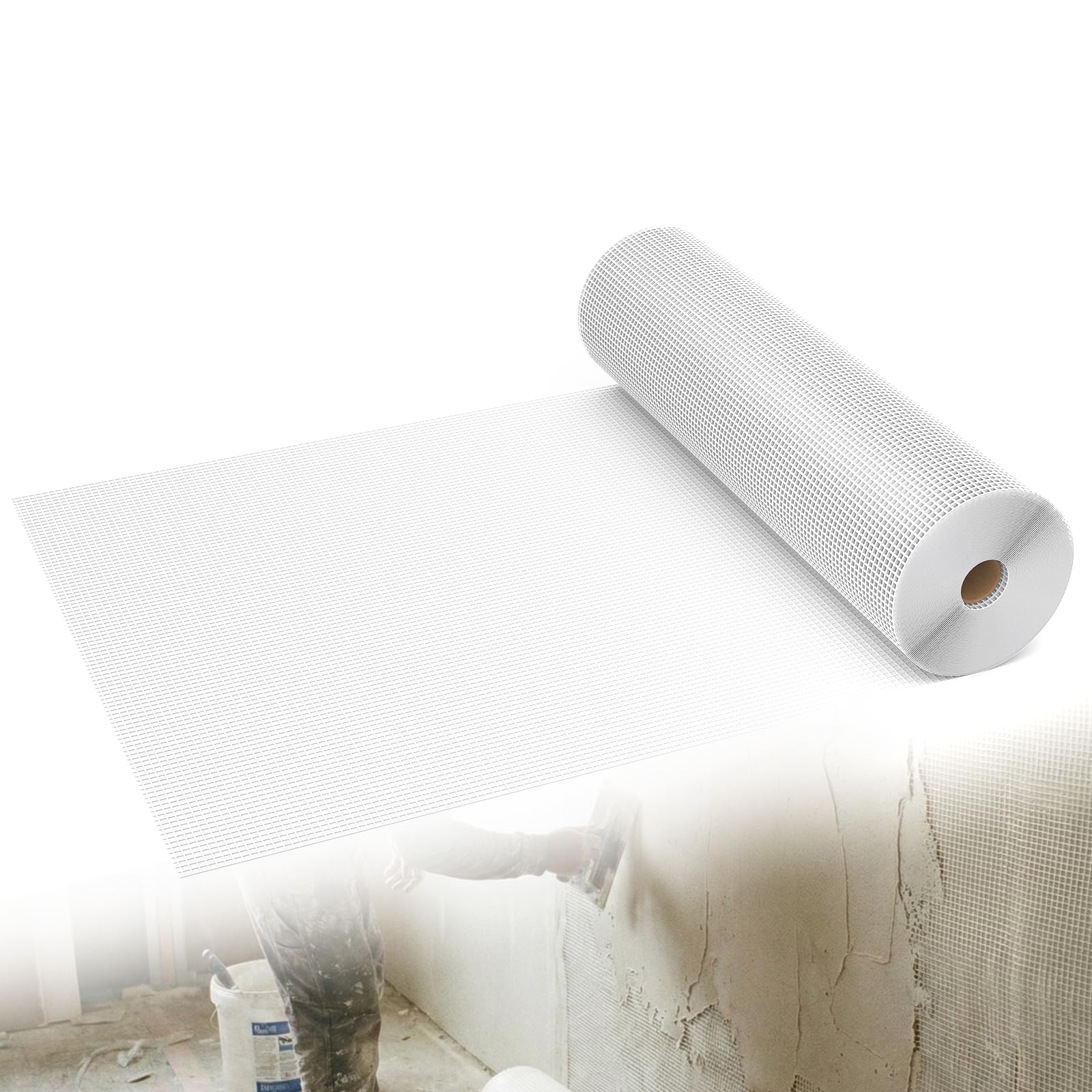
Type: Fiberglass mesh roll
Weight: 160 g/m²
Width: 3.3 ft
Length: 328 ft
Color: White
Intended use: Wall crack repair, interior and exterior construction, ceiling seams
Format: Roll
3.3x328ft Fiberglass Mesh Roll, 160g/m² White Stucco Mesh is the heaviest fiberglass roll here and the widest by a small margin. The 160 g/m² weight gives it more body than the 150 g/m² option, which matters on exterior stucco where the mesh has to survive weather cycling as well as movement. The extra width trims the number of passes needed across a wall.
The name calls out both interior and exterior construction, and that dual rating is the reason to choose it. A buyer repairing the outside face of a concrete flat needs mesh that will not degrade under render, and this is pitched at exactly that job. It is also the pick for ceiling seams, where the roll can be cut to length and bedded overhead.
Trade-off: The heavier weave is stiffer to work around corners and reveals, so tight detail work goes faster with a lighter mesh.
Before You Buy
- Material: Fiberglass suits plaster, stucco and joint compound; steel remesh is for concrete pours. The two are not interchangeable.
- Weight: A higher g/m² figure means a heavier, stiffer mesh that bridges better but conforms less well around corners.
- Width: Wider rolls cut down on passes across long seams but are harder to control on a ladder.
- Length: A 164 ft roll covers targeted repairs; a 328 ft roll is the safer buy for a whole flat.
- Adhesion: Non-adhesive mesh relies on the filler to hold it, so the first coat has to be generous.
- Surface: Solid concrete needs the crack cleaned and primed before any mesh goes on, or the patch will lift.
- Exterior use: Only mesh rated for exterior work should go on outside walls, where weather cycling is a factor.
Frequently Asked Questions
- Does fiberglass mesh actually stop concrete walls from cracking? It does not stop movement, but it bridges the crack and spreads stress across a wider area, which keeps hairline cracks from reopening through the finish.
- Can mesh be used on a ceiling? Yes — fiberglass mesh is light enough to bed into compound overhead, and the roll format allows it to be cut to the seam length.
- What is the difference between the fiberglass rolls and the SPIDERMESH sheet? The rolls reinforce plaster and filler on wall surfaces; the steel-and-fiberglass sheet replaces remesh inside a concrete slab pour.
- Which weight should a buyer choose? Around 150 g/m² handles interior drywall and plaster repair, while 160 g/m² is the better bet for exterior stucco and heavier seams.
- Does the mesh need to be taped down first? Not on the non-adhesive rolls — the compound holds it — but it must be pressed flat before the first coat sets.
- How much mesh does a one-bedroom flat need? A single 328 ft roll is normally enough for crack repair and seam reinforcement across a small flat, with some left over.
Bottom Line
For most flats with solid concrete walls, the Fiberglass Mesh 3.2ft x 328ft Enhanced Strength and Stability for Walls is the pick that balances coverage, working width and price tier — one roll handles a whole apartment without splicing. Buyers pouring a floor slab instead should go straight to the SPIDERMESH sheet, and anyone fixing a single crack can start with the budget 164 ft roll.
