Why there are Amazon links here: Brave Review is paid a commission for qualifying Amazon purchases made through the links below. Your price does not change, and using our links is entirely optional. How this works
Best Migration Path Between Ecosystems for Planning a Move That Sticks
The best migration path between ecosystems depends on what is being moved. A data architect needs a planning playbook, a conservation biologist needs connectivity science, and a partnerships lead needs a growth blueprint. This roundup covers five books that each map a different kind of migration, so a reader can match the guide to the job. The overview table below sorts every pick by its key strength and price tier.
Overview of the Picks
| Product | Key Spec | Best Use | Price Tier |
|---|---|---|---|
| Application & Data Migration Best Practices (2026 Edition) | Enterprise migration playbook | IT and data teams planning a system move | Mid |
| The Migration Ecology of Birds | Avian migration science | Ecologists and field researchers | Premium |
| Ecological Connectivity of Forest Ecosystems | Forest connectivity reference | Conservation planners and students | Premium |
| The Next Great Migration | Narrative science history | General readers and policy-minded buyers | Budget |
| Ecosystem-Led Growth | Partnerships growth blueprint | Sales and marketing leaders | Mid |
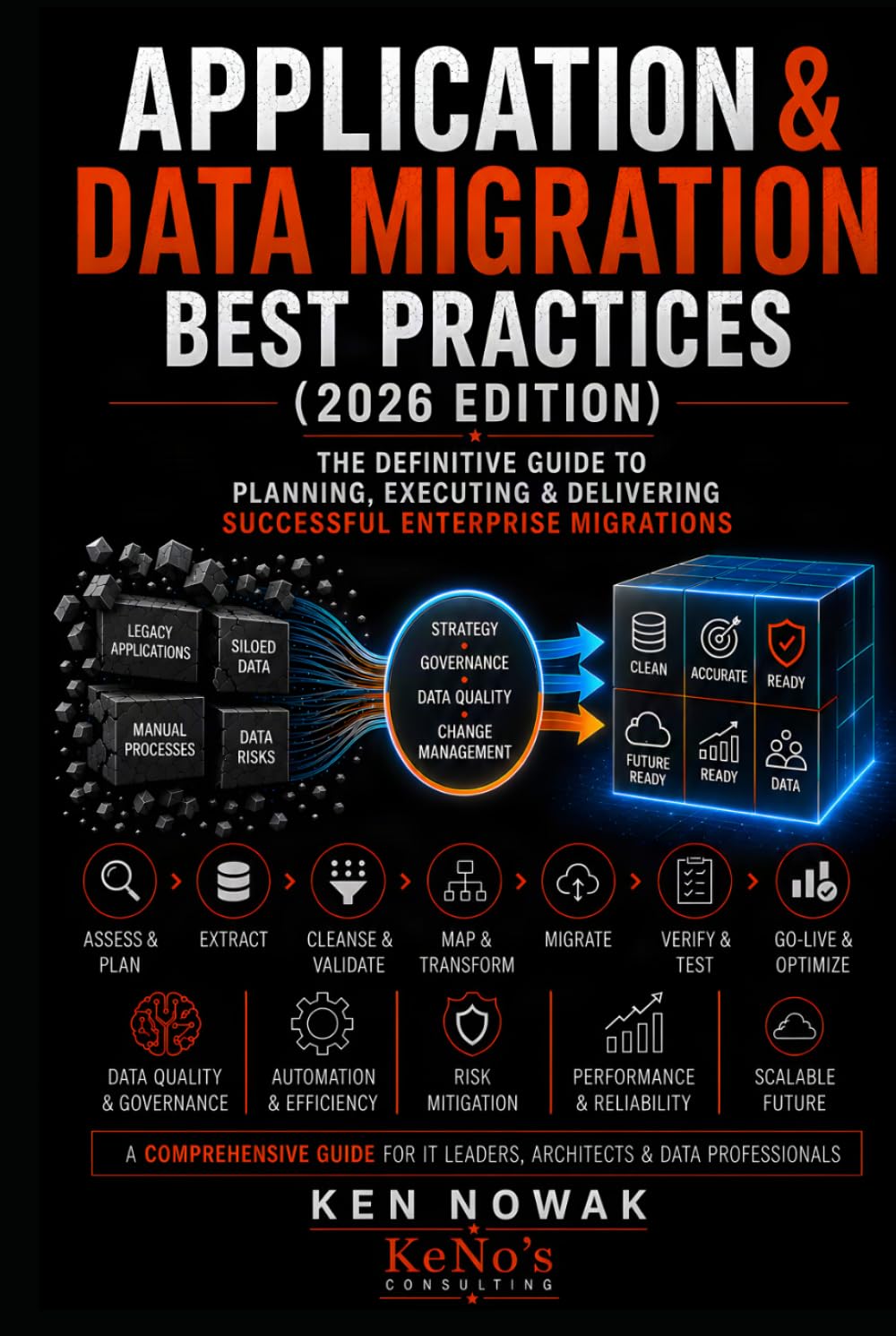
Application & Data Migration Best Practices (2026 Edition): The Definitive Guide to Planning, Executing & Delivering Successful Enterprise Migrations
Format: Book
Subject: Enterprise application and data migration
Edition: 2026
Intended use: Planning and executing system migrations
Best for: IT, data, and project teams
Application & Data Migration Best Practices (2026 Edition) is built around the full lifecycle of a corporate system move: scoping, sequencing, cutover, and delivery. The name promises a definitive treatment, which suits a reader who wants process rather than theory. It reads as a working manual for teams that have to move applications and their underlying data without breaking daily operations.
This is the pick for anyone treating migration as a project with stakeholders, timelines, and rollback plans. It earns its place because it is the only title here aimed squarely at enterprise IT rather than ecology. The caution is scope: a reader looking for hands-on platform commands or vendor-specific steps will find strategy and governance instead.
Trade-off: A planning-focused guide like this can feel abstract for a small team that wants step-by-step technical instructions.
The Migration Ecology of Birds

Format: Book
Subject: Avian migration ecology
Intended use: Academic study and field reference
Best for: Ecologists, ornithologists, and students
The Migration Ecology of Birds is a specialist reference on how and why birds move between habitats. It belongs on the shelf of a reader who needs the science behind migratory routes, timing, and habitat use. The depth is the point: this is a text to consult repeatedly, not to read once on a commute.
The pick suits field researchers, graduate students, and conservation staff who already know the basics. It earns its place as the most focused title in the roundup on a single migrating group. The caution is density and price: a casual nature reader will find it heavy going, and the premium tier reflects its academic audience.
Trade-off: The narrow avian focus and academic register make this a poor first book for a general-interest reader.
Ecological Connectivity of Forest Ecosystems
Format: Book
Subject: Forest ecosystem connectivity
Intended use: Conservation planning and study
Best for: Conservation planners, land managers, and students
Ecological Connectivity of Forest Ecosystems treats migration as a landscape question: how corridors and linkages let species move through fragmented forest. It reads as a technical reference for people who map habitat and argue for protected connections. The subject sits at the intersection of ecology and land-use planning, which makes it useful beyond pure research.
The pick suits conservation planners and land managers who need the vocabulary and frameworks for connectivity work. It earns its place as the roundup’s most practical ecology title for applied decisions. The caution is accessibility: the writing assumes a scientific background, and the premium price puts it out of reach for casual readers.
Trade-off: Readers without an ecology or planning background will struggle with the technical framing and the premium cost.
The Next Great Migration: The Story of Movement on a Changing Planet

Format: Book
Subject: Migration as a planetary phenomenon
Intended use: General reading and context
Best for: General readers and policy-minded buyers
The Next Great Migration is the narrative entry in the roundup, framing movement as a natural and ongoing force on a changing planet. It is written for a general audience, which makes it the easiest starting point for anyone new to the topic. The book works as context-setting before a reader commits to a technical reference.
The pick suits general readers, students, and policy-minded buyers who want the big picture rather than a manual. It earns its place as the budget-friendly, approachable option and the one most likely to be finished cover to cover. The caution is depth: a reader who needs actionable frameworks or field data will have to look elsewhere.
Trade-off: The accessible narrative style trades technical depth for readability, so it will not serve as a working reference.
Ecosystem-Led Growth: A Blueprint for Sales and Marketing Success Using the Power of Partnerships

Format: Book
Subject: Partnership-driven growth strategy
Intended use: Sales and marketing planning
Best for: Growth leaders and partnership teams
Ecosystem-Led Growth uses "ecosystem" in the business sense: the network of partners a company can grow through. It is a blueprint for sales and marketing teams that want to build channels, co-marketing, and partner programs rather than rely on direct outreach alone. The framing is strategic, aimed at leaders who set go-to-market direction.
The pick suits founders, sales leaders, and marketing managers building a partnership motion. It earns its place as the roundup’s only commercial title and the fastest to translate into a quarterly plan. The caution is fit: a reader who came looking for ecological or technical migration will find a different subject entirely.
Trade-off: The business framing means the book offers no guidance on biological or IT migrations, so buyers must match it to the right intent.
Before You Buy
- Subject match: Confirm whether the migration in question is technical, ecological, or commercial before choosing a title.
- Audience level: Academic references suit researchers; narrative titles suit general readers.
- Format: Check whether the listing is hardcover, paperback, or another format before ordering.
- Edition: For fast-moving technical topics, confirm the edition year matches current practice.
- Depth versus readability: Dense references reward repeated use; narrative books reward a single read.
- Price tier: Premium academic titles cost more; budget picks trade depth for accessibility.
- Prior knowledge: Match the assumed background to the reader’s own to avoid a book that sits unread.
Frequently Asked Questions
-
Which pick is best for a first-time reader on migration?
The Next Great Migration is the most approachable entry, written for a general audience and priced in the budget tier. -
Which book suits an IT team moving systems?
Application & Data Migration Best Practices (2026 Edition) is the only title here built around enterprise planning and delivery. -
Is there a pick for conservation planning rather than pure research?
Ecological Connectivity of Forest Ecosystems leans applied, with frameworks for corridors and land-use decisions. -
Which title covers a single migrating group in depth?
The Migration Ecology of Birds focuses entirely on avian movement and is the specialist choice. -
Why does the roundup include a business book?
Ecosystem-Led Growth covers a different kind of migration path between ecosystems — the partnership networks a company grows through. -
Do any of these picks overlap in subject?
The two ecology titles sit closest together; the technical, narrative, and business picks each serve a distinct reader.
Bottom Line
The right pick comes down to intent: technical teams should start with the linked Application & Data Migration Best Practices (2026 Edition), ecology readers should choose between the avian and forest titles by depth, and general readers get the easiest start from the narrative pick. Match the book to the migration being planned, and the rest of the decision falls into place quickly.
