Why there are Amazon links here: Brave Review is paid a commission for qualifying Amazon purchases made through the links below. Your price does not change, and using our links is entirely optional. How this works
Best Power Station for a Household with a Well Pump
A well pump is one of the hardest loads in a house to back up. It draws a hard surge on every start, it runs on 240 volts in most installations, and it needs to keep running long enough to refill the pressure tank. The five picks below cover the realistic range: compact units for short outages and shallow pumps, mid-size LFP stations for multi-day coverage, and expandable systems that behave like a small home battery.
Three buyer profiles fit this list: households on a shallow pump that only need a few hours of runtime, families that want a week of water during a long outage, and owners building toward a whole-home setup who want to start with one unit. The overview table below sorts all five by key spec, best use and price tier.
Overview of the Picks
| Product | Key Spec | Best Use | Price Tier |
|---|---|---|---|
| Backup LiFePO4 Battery 640Wh | 640Wh, 1200W surge, 10ms UPS | Short outages, shallow pumps | Budget |
| Jackery HomePower 3600 Plus | 3584Wh, 3600W AC, expandable to 21kWh | Whole-home backup, long outages | Premium |
| Jackery HomePower 3000 | 3072Wh, 3600W AC, 7200W surge | Deep-well pumps, multi-day outages | Upper mid |
| PECRON F3000LFP | 3072Wh, 3600W AC, expands to 10752Wh | Expandable mid-range backup | Mid |
| BLUETTI Elite 30 V2 | 288Wh, 600W AC, 10ms UPS | Portable backup, pressure tank top-ups | Budget |
1. Backup LiFePO4 Battery 640Wh
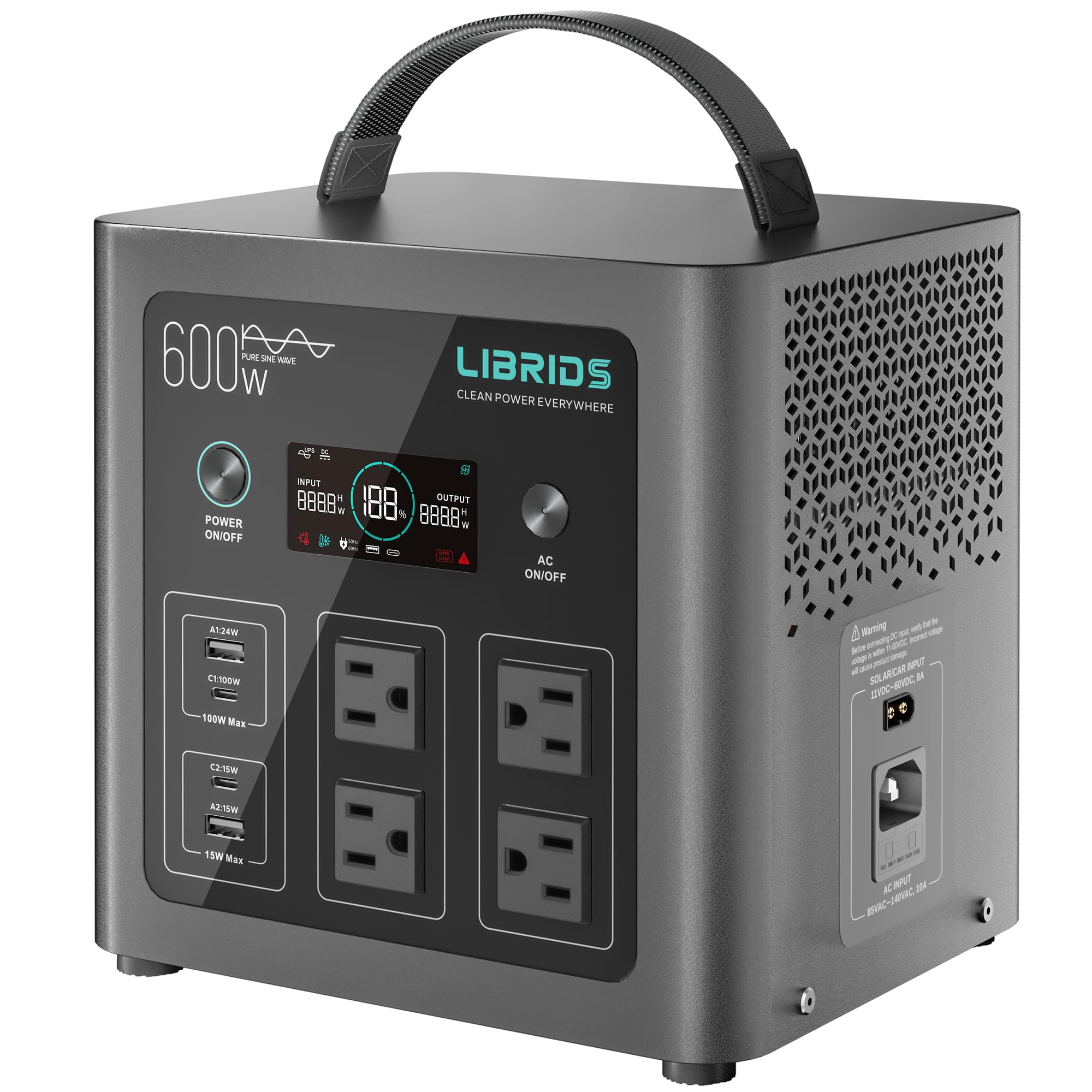
Type: Portable power station, LiFePO4
Capacity: 640Wh
AC Output: 1200W surge, 4 AC ports
UPS Switchover: 10ms
Recharge Time: 1.5 hours
Build: Metal enclosure, pure sine wave output
Ports: 8 total
The metal housing and pure sine wave output put this unit a step above the plastic budget class. The 10ms UPS switchover matters more than the capacity figure for well-pump owners: it means the station can take over a circuit almost instantly when grid power drops, so a pump controller does not see a hard cut. The 1.5-hour recharge from a wall outlet is quick enough to top the unit back up between outages.
The 640Wh capacity is the limiting factor. A shallow jet pump cycling on and off will drain it faster than the label suggests, and a deep-well submersible will not run from a 1200W surge ceiling at all. This is a pick for households with modest water demand and short outages.
Trade-off: The 1200W surge limit rules out most 240V deep-well pumps, so this unit suits shallow-pump homes and short blackouts rather than whole-house water backup.
2. Jackery HomePower 3600 Plus

Type: Expandable home backup power station, LFP
Capacity: 3584Wh, expandable to 21kWh
AC Output: 3600W
Intended Use: Home backup, emergencies, RV
Solar: Panel optional
Battery Chemistry: LFP
This is the top of the range and the pick for households that want the well pump to keep running through a week-long outage. The 3600W AC output clears the surge of most residential well pumps, and the LFP chemistry gives the cycle life a unit in this role needs. The expandable design is the real story: capacity climbs to 21kWh with add-on batteries, which is enough to run a pump, a fridge and lighting for days.
The premium tier is the obvious caution. Buyers pay for the expandability whether or not they use it, and a household that only needs a few hours of runtime is overbuying. The 21kWh ceiling also only matters if the add-on batteries are purchased, which pushes the total cost well past the base unit.
Trade-off: The price tier is steep for a single well pump, and the expandable capacity only pays off for buyers who plan to add batteries.
3. Jackery HomePower 3000
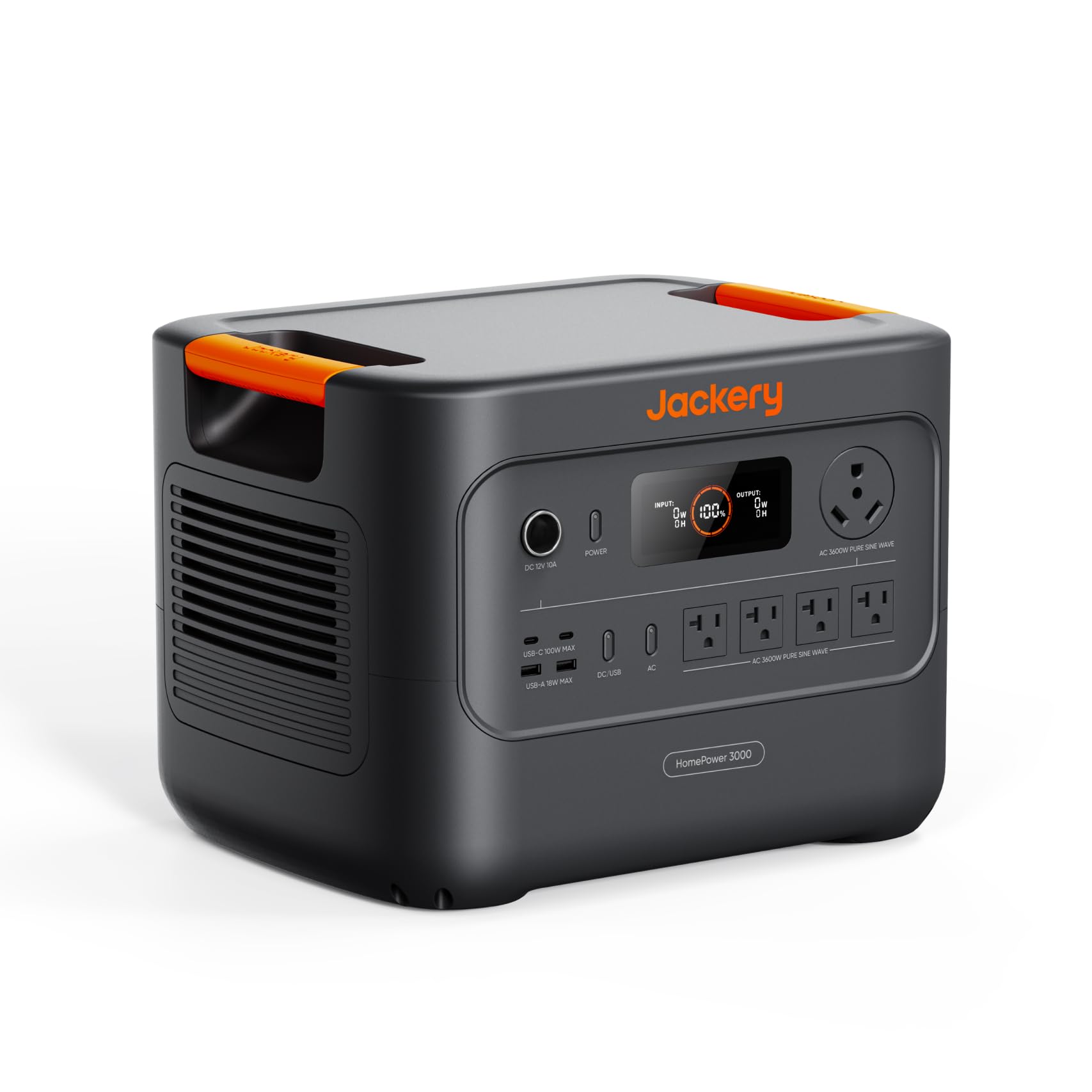
Type: Portable power station, LFP
Capacity: 3072Wh
AC Output: 3600W continuous
Surge: 7200W
Intended Use: Home backup, power outages
Solar: Panel optional
Battery Chemistry: LFP
The 7200W surge rating is what earns this unit its place on a well-pump list. Submersible pumps pull a heavy inrush current on every start, and a station that can absorb that spike without tripping is worth more than one with a higher capacity but a softer surge ceiling. The 3072Wh LFP pack gives multi-day coverage for a pump that cycles rather than runs continuously.
This sits just below the Plus model in the lineup, without the expansion path. That makes it the better buy for a household that wants one unit and no add-ons, and the worse buy for anyone planning to grow the system. The LFP pack is heavy, so this is a set-and-forget unit rather than something to carry between rooms.
Trade-off: There is no expansion path here, so buyers who later want more capacity have to add a second station rather than a battery module.
4. PECRON F3000LFP
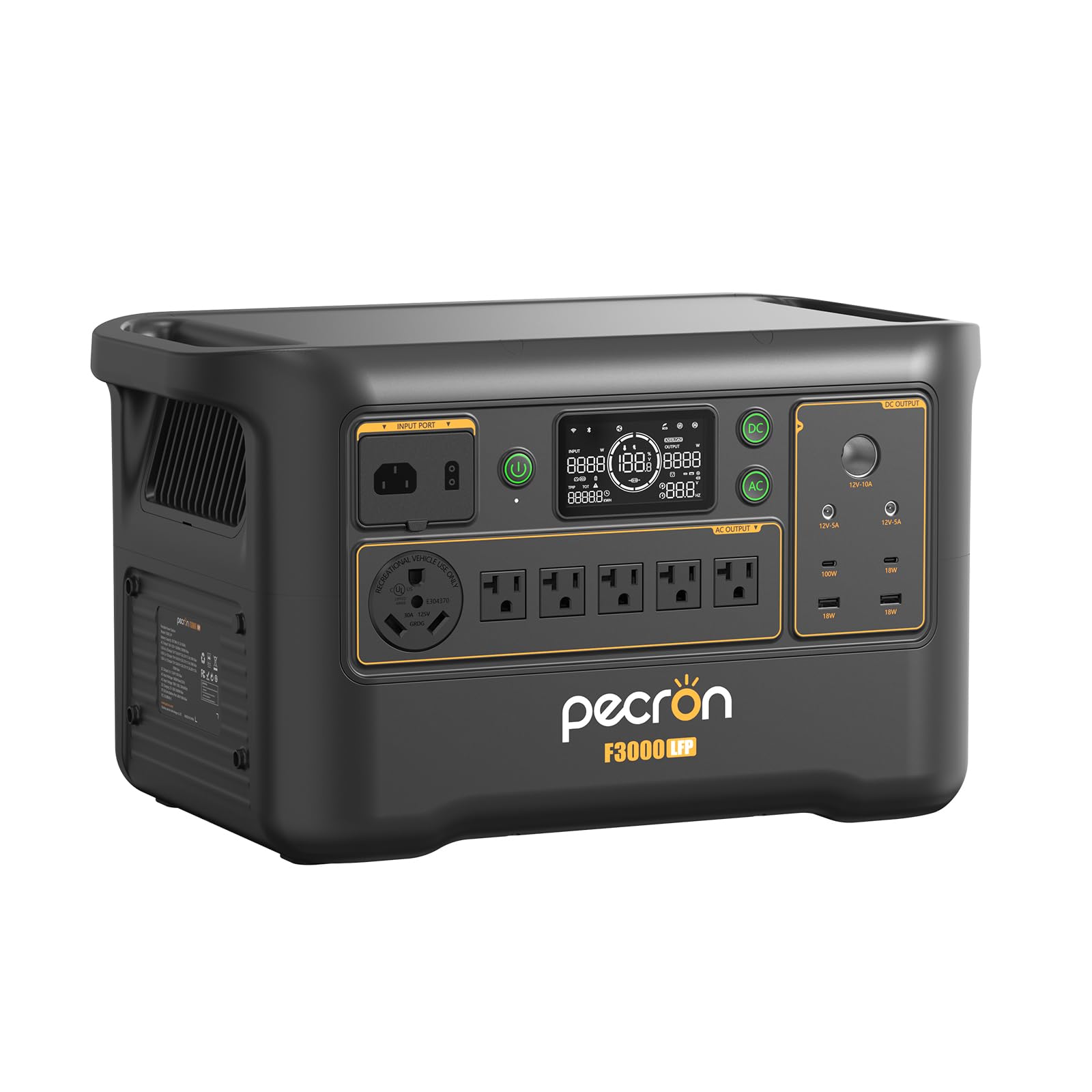
Type: Expandable portable power station, LiFePO4
Capacity: 3072Wh, expandable to 10752Wh
AC Output: 3600W
Intended Use: Home backup, camping, RV
Solar: Solar generator capable
Battery Chemistry: LiFePO4
This is the mid-range expandable option, and it hits a useful balance: 3600W output for pump surge, 3072Wh on board, and an expansion ceiling of 10752Wh that costs less to reach than the premium tier. The LiFePO4 pack and fast-charging design make it practical to recharge between outages, and the RV and camping labeling means it doubles as a travel unit for buyers who want one purchase to cover both roles.
The expansion ceiling is lower than the top Jackery, so a very large household will outgrow it. The brand is also less established than the bigger names on this list, which matters for buyers who weight long-term support heavily. For most single-pump homes, though, the capacity and output are already more than enough.
Trade-off: The lower expansion ceiling and smaller brand footprint make this a weaker choice for buyers planning a large whole-home system.
5. BLUETTI Elite 30 V2
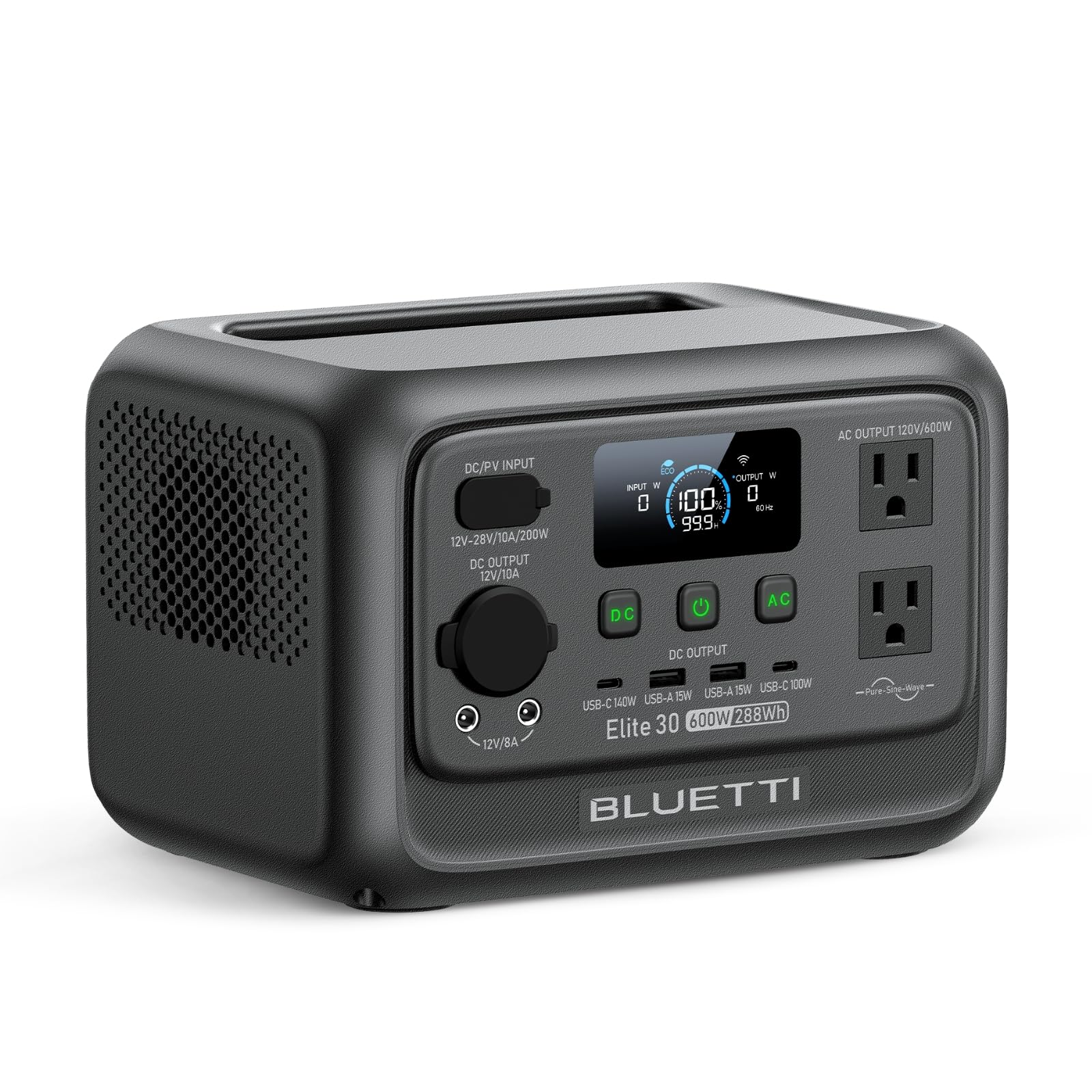
Type: Compact portable power station, LFP
Capacity: 288Wh
AC Output: 600W, 1500W power lifting
UPS Switchover: 10ms
Recharge Time: 45 minutes to 80%
Intended Use: Blackout, camping, outage, road trip
Battery Chemistry: LFP
This is the compact pick, and it is not a whole-pump solution. The 288Wh pack and 600W output will not start a well pump, but the 10ms UPS switchover and the "power lifting" mode make it useful for the pump controller, a pressure-tank monitor, or a shallow booster pump on a circuit that needs to stay live. The 45-minute recharge to 80% is the standout feature: it can be topped up fast between outages.
Buyers should read the capacity honestly. This is a unit for keeping electronics and a small load alive, not for running water. It earns its place here as the budget companion piece for a household that already has a larger station or a generator and wants a fast-recharging backup for control circuits.
Trade-off: The 288Wh capacity and 600W output cannot run a well pump, so this is a support unit rather than a standalone water-backup solution.
Before You Buy
- Pump voltage: Most deep-well submersible pumps run on 240V, which a standard 120V power station cannot supply directly. Confirm the pump’s voltage before choosing a station.
- Surge, not runtime: Well pumps draw a hard inrush current on every start. Match the station’s surge rating to the pump’s starting draw, not just its running wattage.
- Capacity for cycling: A pump that cycles on and off drains a station in bursts. Size capacity for the number of start cycles expected during an outage, not for continuous runtime.
- UPS switchover: A 10ms UPS rating keeps pump controllers and electronics from seeing a hard cut. It matters for control circuits even when the station cannot run the pump itself.
- Recharge plan: Check how fast the station recharges from a wall outlet or solar, since a long outage means recharging between pump cycles.
- Expansion path: Buyers planning to grow the system should confirm the station accepts add-on batteries, and at what total capacity.
Frequently Asked Questions
-
Can a portable power station run a well pump?
It depends on the pump. A station with a high surge rating and 240V capability can run many residential pumps, but compact 120V units cannot. The surge rating is the number to check first. -
How much capacity is needed for a well pump during an outage?
A pump that cycles rather than runs continuously needs enough capacity for repeated start cycles. Mid-size stations in the 3000Wh range cover multi-day outages for most single-pump homes. -
What does 10ms UPS mean for a well pump?
It means the station takes over the circuit almost instantly when grid power drops, so pump controllers and electronics do not see a hard cut. It protects control circuits even when the station cannot run the pump itself. -
Is LiFePO4 better than other battery types for backup?
LFP chemistry is the standard for backup stations because it handles repeated cycling well and holds up over years of use. All five picks here use it. -
Can a power station be recharged during a long outage?
Yes, from solar panels or a wall outlet when power returns. Buyers should check the recharge time and whether the station supports solar input before relying on it for a multi-day outage. -
Does a power station replace a generator for well-pump backup?
For short outages and modest pumps, a station can replace a generator. For long outages or large pumps, a station works best alongside a generator or as part of an expandable system.
Bottom Line
For most households with a well pump, the Jackery HomePower 3000 is the pick to beat: its 7200W surge handles pump inrush, its 3072Wh LFP pack covers multi-day outages, and it needs no add-ons to do the job. Households planning to grow into a whole-home system should step up to the expandable Jackery HomePower 3600 Plus, while shallow-pump homes on a budget can start with the 640Wh Backup LiFePO4 unit.
