Why there are Amazon links here: Brave Review is paid a commission for qualifying Amazon purchases made through the links below. Your price does not change, and using our links is entirely optional. How this works
Best Power Station for a Well Pump and Fridge
Keeping a well pump and a refrigerator running through an outage takes more than a camping battery. Well pumps pull a hard surge at startup, and a fridge needs steady power for hours. This guide covers five power stations that can carry both, sorted by budget, capacity and how much of the house they can back up. Buyers who just need the fridge and pump covered, buyers who want room to grow, and buyers planning whole-home backup will each find a fit below. The overview table shows the differences at a glance.
The Picks at a Glance
| Product | Key Spec | Best Use | Price Tier |
|---|---|---|---|
| BLUETTI FridgePower | 2016Wh, 1800W, 3600W surge, 10ms UPS | Fridge and pump on a dedicated circuit | Premium |
| Jackery HomePower 3600 Plus | 3584Wh, 3600W AC, expandable to 21kWh | Whole-home backup that can grow | Premium |
| Jackery HomePower 3000 | 3072Wh, 3600W AC, 7200W surge | Well pump surge on a budget | Upper mid-range |
| DABBSSON 2000L | 2048Wh, 2200W AC, 3300W boost | Balanced home backup and camping | Mid-range |
| Jackery Explorer 1000 v2 | 1070Wh, 1500W AC | Fridge first, pump only if it fits | Budget |
1. BLUETTI FridgePower Portable Power Station
Battery Type: LiFePO4
Capacity: 2016Wh
AC Output: 1800W
Surge Power: 3600W
UPS Switchover: 10ms
Profile: Ultra-slim, 75mm
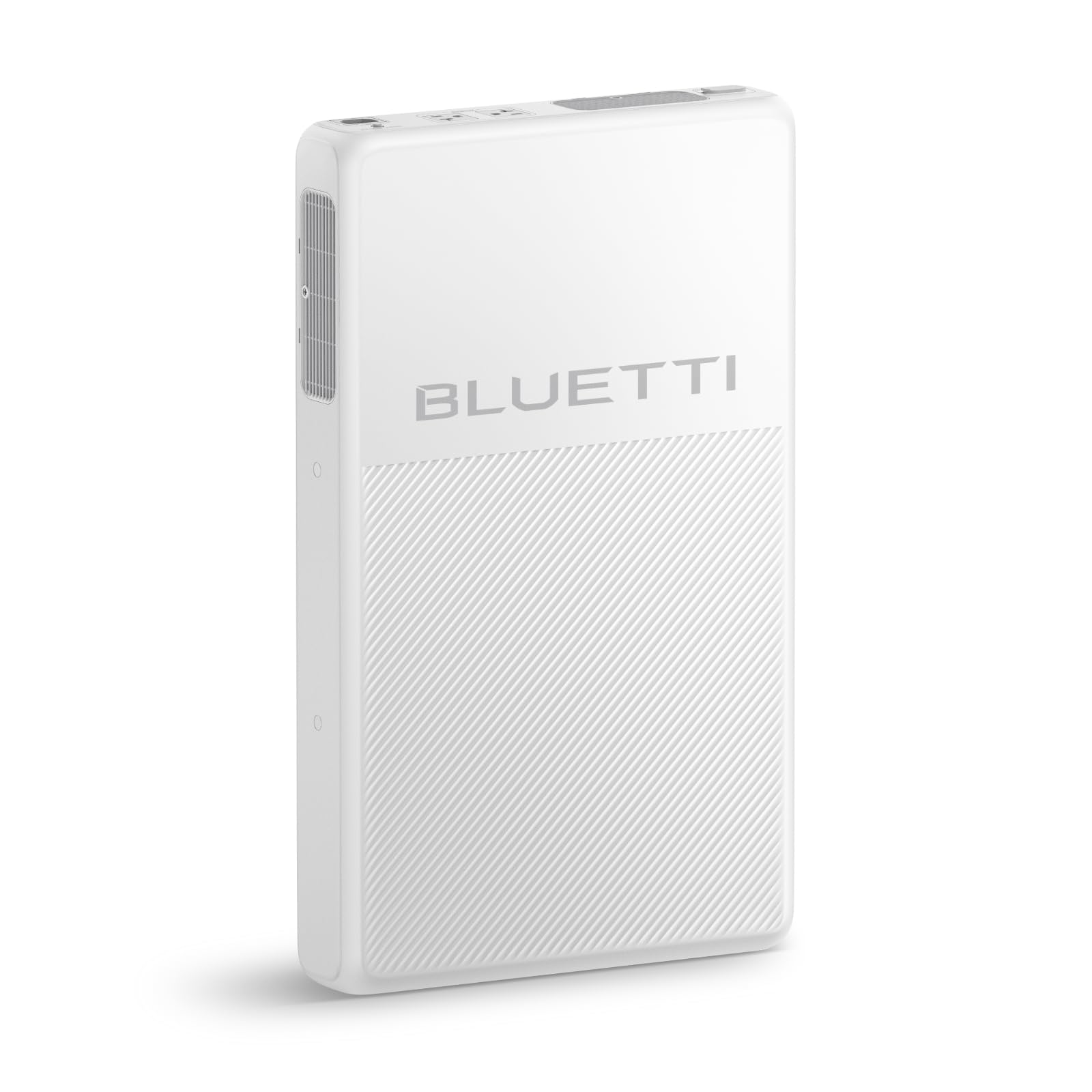
BLUETTI FridgePower Portable Power Station, 2016Wh 1800W LFP Battery Backup
The FridgePower is built around the two appliances in this keyword, and its spec sheet shows it. The 10ms UPS switchover means the unit can sit between the wall outlet and the appliance, taking over almost instantly when grid power drops. A 75mm profile lets it slide against a wall or under a counter, which matters in a kitchen or utility room where floor space is tight. The LiFePO4 battery is the durable chemistry buyers should look for in a unit that stays plugged in for years.
This is the pick for a household that wants the fridge and a modest well pump protected without wiring a subpanel. The 3600W surge covers the startup draw of many shallow-well pumps, though deep-well pumps with large motors can exceed it — buyers should check the pump’s locked-rotor amps before committing. The 2016Wh capacity keeps a modern fridge cold for roughly a day and a half in typical use.
Trade-off: The premium price buys convenience and form factor rather than the most watt-hours per dollar, so buyers chasing maximum capacity will find better value elsewhere.
2. Jackery HomePower 3600 Plus Power Station
Battery Type: LiFePO4
AC Output: 3600W
Capacity: 3584Wh
Expandable Capacity: Up to 21kWh
Intended Use: Essential home backup, emergencies, RV
Solar Input: Solar panel optional

Jackery HomePower 3600 Plus Power Station, 3584Wh, 3600W AC Output
The HomePower 3600 Plus is the expandable option in this group. Its 3584Wh base capacity is already enough for a fridge, a well pump and lights through a long outage, and the expansion path to 21kWh lets a household add battery modules over time instead of buying a bigger unit later. The 3600W AC output handles a well pump surge and a fridge compressor running together without strain. LiFePO4 chemistry and a home-backup focus make it a long-term install rather than a weekend camping box.
Buyers planning a transfer-switch or subpanel setup should start here. The expansion architecture is what separates it from the cheaper Jackery below, and it is the reason the price sits where it does. Households that only need a fridge and a small pump will be paying for headroom they may never use.
Trade-off: The expansion modules add cost quickly, and the unit is heavy enough that it stays put once installed — this is not a grab-and-go power station.
3. Jackery HomePower 3000 Portable Power Station
Battery Type: LiFePO4
AC Output: 3600W
Surge Power: 7200W
Capacity: 3072Wh
Intended Use: Essential home backup, power outages
Solar Input: Solar panel optional
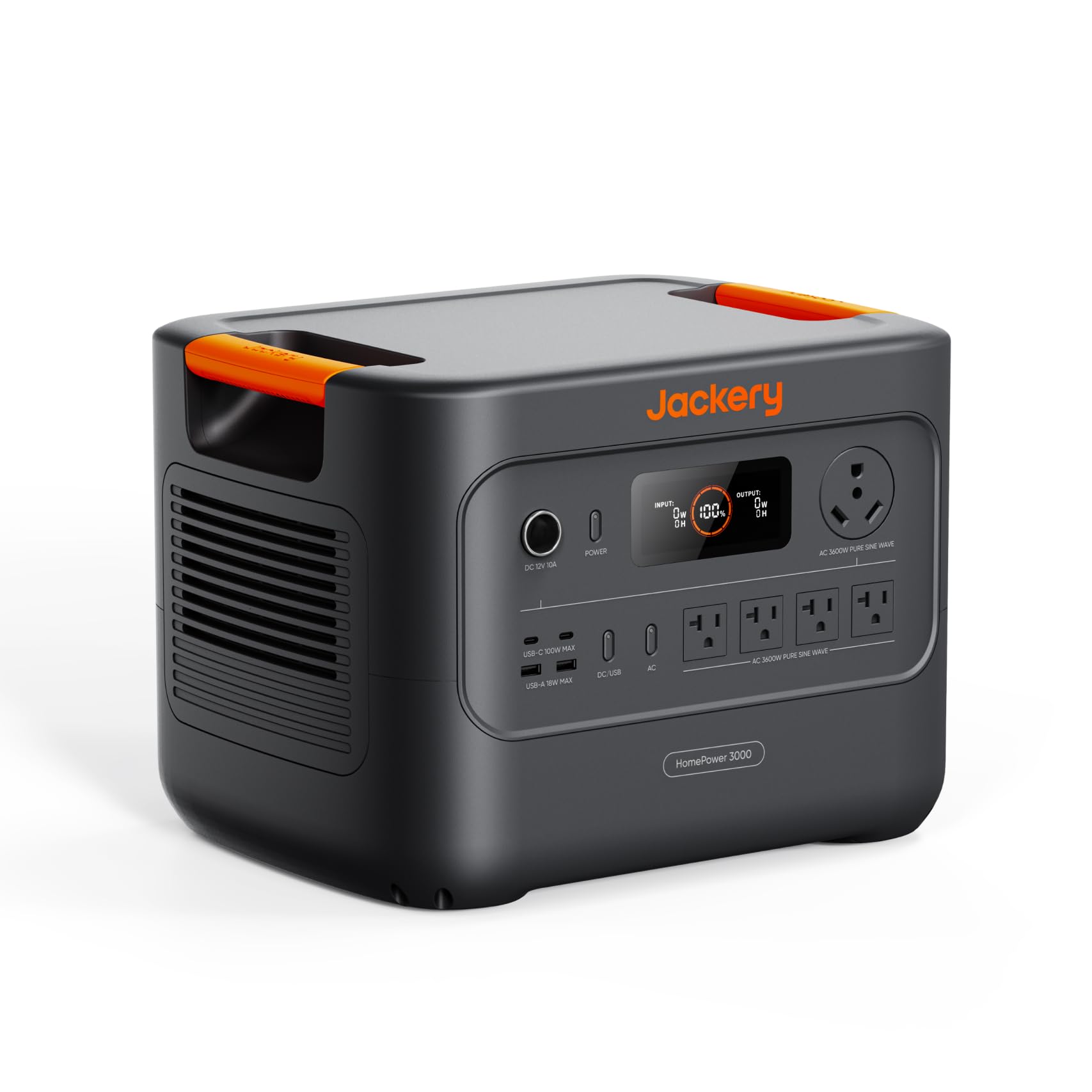
Jackery HomePower 3000 Portable Power Station, 3072Wh, 3600W AC Output
The HomePower 3000 is the surge specialist of the group. A 7200W surge rating is the highest here, and that headroom is aimed squarely at motor loads like well pumps, which can draw several times their running watts for a second or two at startup. The 3600W continuous output and 3072Wh LiFePO4 capacity cover a fridge and pump combo comfortably. It sits between the two other Jackery units in price and capacity, which is a sensible place to land for most well-pump households.
This is the pick for buyers with a deep-well pump whose startup draw rules out smaller units. It offers most of the HomePower 3600 Plus’s capability without the expansion architecture, so the savings go toward capacity rather than future growth. Households that want to add batteries later should look at the Plus instead.
Trade-off: The high surge rating is wasted on buyers with a shallow-well pump or a city water supply, who would be paying for capability they cannot use.
4. DABBSSON Portable Power Station 2000L
Battery Type: Semi-solid LiFePO4
Capacity: 2048Wh
AC Output: 2200W
Power Boost: 3300W
Charge Time: 1 hour
Intended Use: Home backup, camping, RV
Solar Input: Solar panel optional
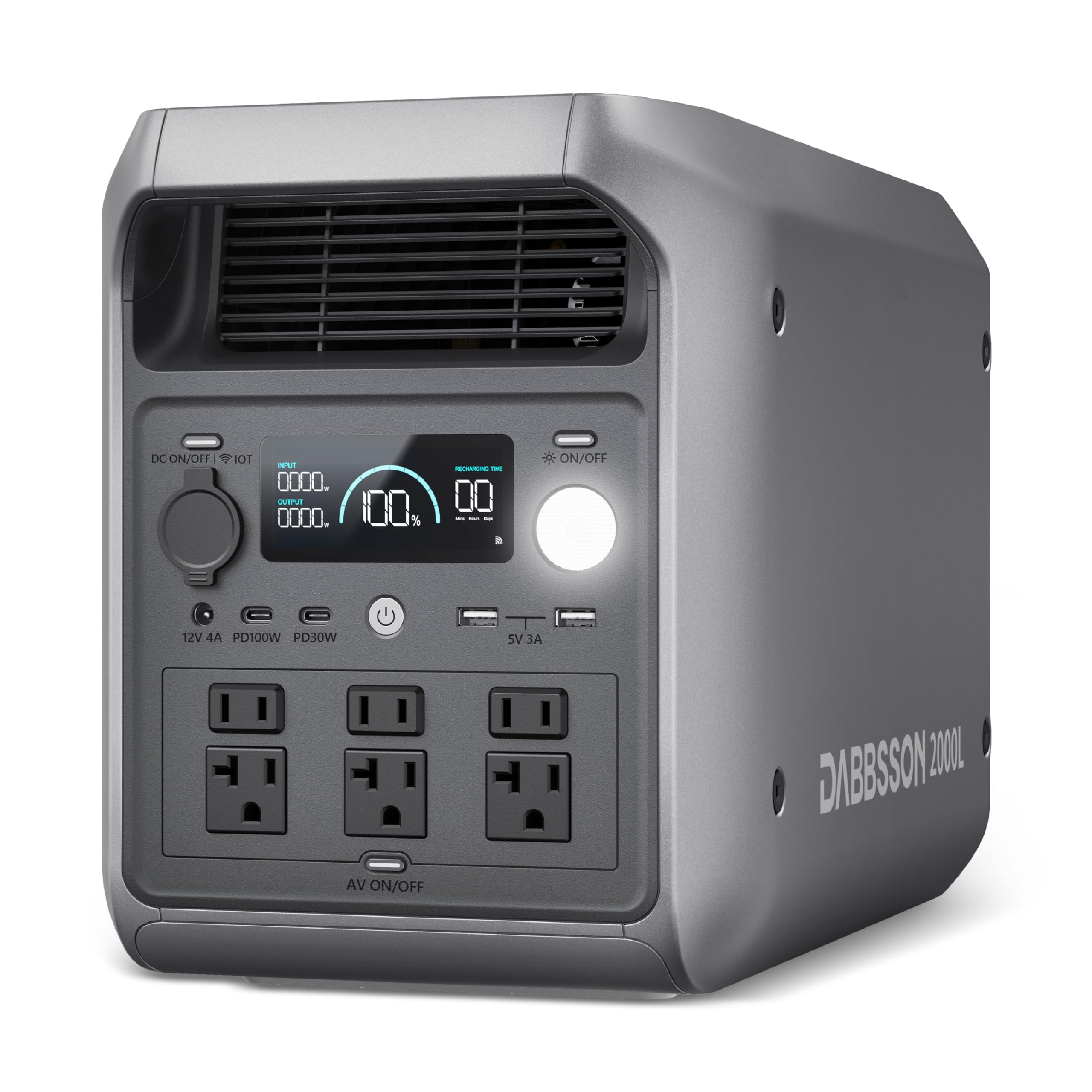
DABBSSON Portable Power Station 2000L, 2048Wh Semi-Solid LiFePO4 Battery, 2200W AC Output
The DABBSSON 2000L is the value pick that does not feel like a compromise. It pairs a 2048Wh semi-solid LiFePO4 battery with 2200W continuous output and a 3300W boost mode, and the one-hour fast charge means it can be topped up between outages without a full day of planning. The semi-solid cell construction is a newer approach aimed at stability and cycle life. It also carries a camping and RV remit, so it earns its keep outside the house.
Buyers who want real home-backup capacity without crossing the four-figure mark should look here first. The 3300W boost covers a fridge and a modest pump, though a large deep-well pump with a hard startup draw may trip it. Households with heavy motor loads should step up to the HomePower 3000.
Trade-off: The boost rating is a short-term mode rather than a continuous output, so buyers with a pump that surges hard should treat 2200W as the real ceiling.
5. Jackery Explorer 1000 v2 Portable Power Station
Battery Type: LiFePO4
Capacity: 1070Wh
AC Output: 1500W
USB-C Output: 100W
Charge Time: 1 hour
Intended Use: Camping, emergency, RV
Solar Input: Solar panel optional

Jackery Explorer 1000 v2 Portable Power Station,1070Wh,1500W
The Explorer 1000 v2 is the smallest and most popular unit here, and its job is narrower. The 1070Wh LiFePO4 battery and 1500W AC output will run a refrigerator through a short outage and keep phones and lights charged, and the 100W USB-C port handles laptops directly. One-hour fast charging and a portable build make it easy to keep ready between storms. It is the entry point for buyers who want backup power without a large investment.
This pick suits apartment dwellers and homeowners whose well pump is small or whose water comes from a municipal line. It is not the right tool for a deep-well pump — the 1500W output will not carry the startup surge of most submersible pumps. Buyers who need the pump covered should pair it with a larger unit or choose one of the picks above.
Trade-off: Capacity and output are the lowest in this group, so it covers the fridge reliably but leaves little margin for a well pump or a second appliance.
Before You Buy
- Surge power: A well pump can draw several times its running wattage for a second at startup. Match the station’s surge rating to the pump’s locked-rotor draw, not its running watts.
- Capacity: A fridge alone needs roughly 1–2kWh per day. Add the pump’s daily run time before choosing a battery size.
- Battery chemistry: LiFePO4 is the standard for home backup because it tolerates frequent cycling and long standby periods better than older chemistries.
- UPS switchover: Units with a fast UPS mode can stay wired to an appliance and take over automatically. Check the switchover time if the fridge or pump should never stop.
- Solar input: Every pick here accepts optional solar panels, which extends runtime during a multi-day outage. Panels are sold separately.
- Installation: Large units are heavy and best left in place. Plan the location near the appliances or the transfer switch before delivery.
- Expansion: Only the HomePower 3600 Plus supports add-on batteries. Buyers who expect to grow should factor that in up front.
Frequently Asked Questions
-
Can a power station run a well pump and a fridge at the same time?
Yes, if the station’s continuous output covers both running loads and its surge rating covers the pump’s startup draw. The HomePower 3000 and HomePower 3600 Plus are the safest choices for that pairing. -
How long will a power station keep a fridge cold?
A 2000Wh-class station typically carries a modern fridge for a day and a half or more. Smaller units like the Explorer 1000 v2 cover roughly half that, depending on the fridge and room temperature. -
Will a 1500W station run a well pump?
Only a small shallow-well pump with a low startup draw. Most submersible well pumps need more surge than a 1500W unit can deliver, so buyers should check the pump’s rating first. -
Do these power stations need solar panels?
No. Each one charges from a standard wall outlet, and solar panels are optional add-ons for extended outages. Solar input is useful when the grid stays down for days. -
Is LiFePO4 better than other battery types for home backup?
For this use, yes. LiFePO4 handles repeated cycling and long idle periods well, which suits a unit that sits charged and waiting for an outage. -
Can a power station be wired into a home’s electrical panel?
The larger home-backup units are designed for that kind of setup through a transfer switch or subpanel, installed by a qualified electrician. Portable units are better used with appliances plugged in directly.
Bottom Line
For most households with a well pump and a fridge, the Jackery HomePower 3000 is the pick: its 7200W surge covers hard pump startups, and its 3072Wh capacity keeps the fridge running through a long outage at a lower price than the expandable model. Buyers who want to add capacity over time should choose the Jackery HomePower 3600 Plus, while budget-focused buyers can start with the DABBSSON 2000L.
