Why there are Amazon links here: Brave Review is paid a commission for qualifying Amazon purchases made through the links below. Your price does not change, and using our links is entirely optional. How this works
Best Firmware Support Lifespan for Robots: A Builder’s Guide to Long-Term Control
Firmware support lifespan for robots is the question every robot owner eventually faces: how long will the software inside a machine keep receiving updates, patches, and compatible control logic? This short guide covers the one reference that earns a place on the shelf for that problem, who it suits, and what to check first. It is written for hobby roboticists, small engineering teams, and technical managers who need to plan around a robot’s control layer rather than just its hardware.
The pick below is a specialist technical book, not a gadget. Buyers who want a checklist-style manual or a vendor support contract will not find that here. The overview table shows the single pick at a glance, and the review explains where it fits and where it falls short.
Overview of the Pick
| Product | Key Spec | Best Use | Price Tier |
|---|---|---|---|
| Autonomous Robot Control Systems (Advanced Firmware Engineering Book 4) | Design, modeling, and intelligent control for self-governing robotic systems | Planning control architecture and firmware lifecycle for real-world robots | Budget |
Autonomous Robot Control Systems: Design, Modeling, and Intelligent Control of Self-Governing Robotic Systems for Real-World Applications (Advanced Firmware Engineering Book 4)
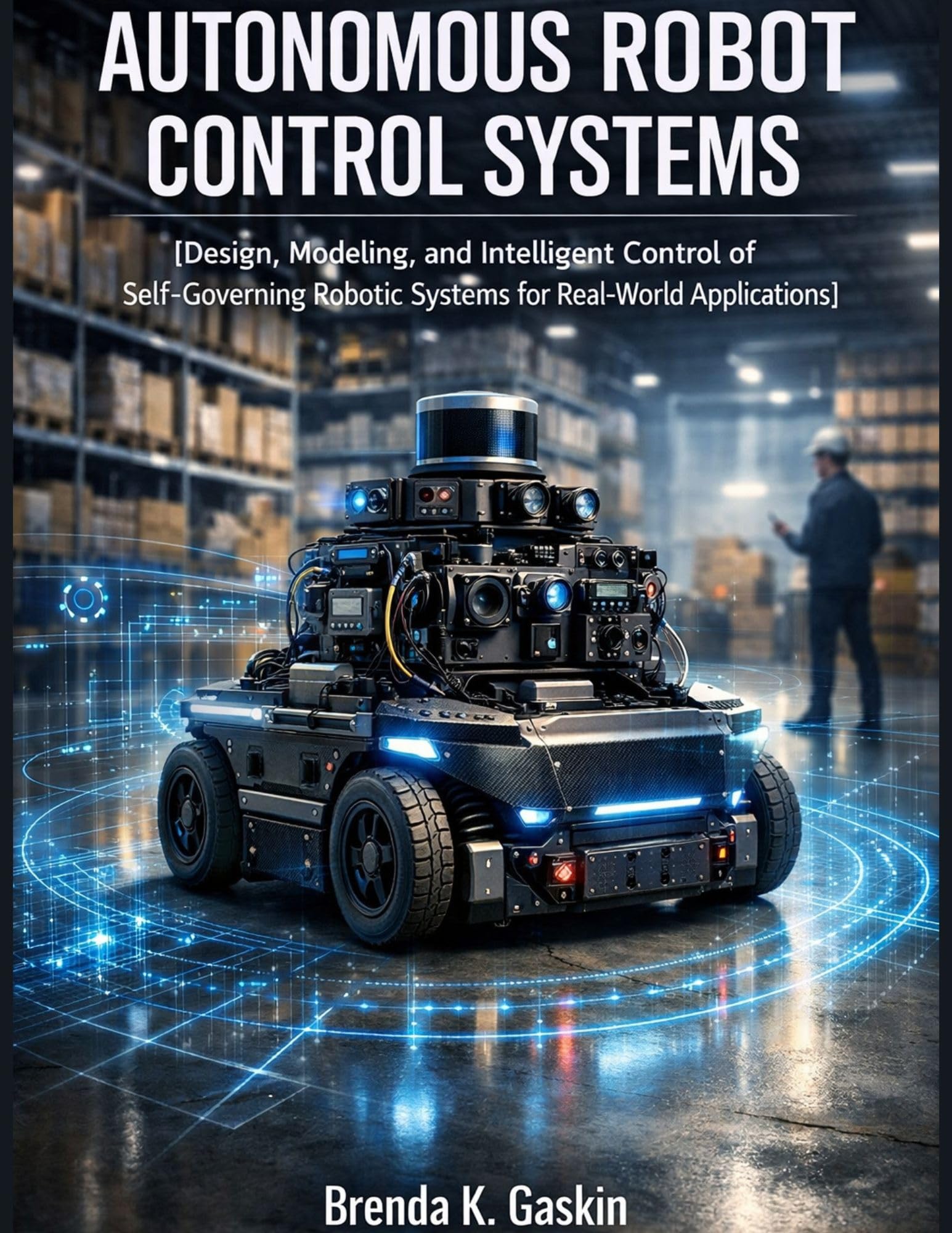
Format: Technical reference book, part of the Advanced Firmware Engineering series
Subject: Design, modeling, and intelligent control of self-governing robotic systems
Intended Use: Real-world applications of autonomous robot control
Series Position: Book 4 in the Advanced Firmware Engineering series
Reader Level: Advanced firmware engineering
Check the current price on Amazon
This is a reference work aimed at people who design and maintain the control layer of autonomous machines. It covers the modeling and intelligent-control side of self-governing robots, which is exactly where firmware support decisions get made. The material sits in an advanced engineering series, so it assumes prior comfort with firmware concepts rather than teaching programming from scratch. It suits engineers and technical leads who need a structured way to think about control architecture over a robot’s working life.
Build and Scope
As a book, the "build" is its structure: a series volume that treats design, modeling, and intelligent control as connected topics rather than isolated chapters. That framing matters for lifespan planning, because control logic is the part of a robot that ages fastest if it is not designed with maintenance in mind. Readers get a conceptual foundation they can apply to their own platforms instead of a single vendor’s toolchain.
The scope is deliberately broad within its niche. It addresses self-governing systems across real-world applications, so the principles are meant to transfer between robot types. Buyers looking for a step-by-step tutorial for one specific controller board will find the treatment too general.
Power and Platform Needs
The book does not ship hardware, so its "power" requirement is the reader’s existing knowledge base. Advanced firmware engineering is the stated level, which means fluency with embedded concepts is a fair expectation. A reader without that background will spend more time on prerequisites than on the control material itself.
For teams, the value is in shared vocabulary. A group that adopts the book’s modeling approach can discuss firmware lifecycle decisions with less ambiguity. That is a soft benefit rather than a measurable one, and buyers should weigh it against the cost of team reading time.
Maintenance and Support Reality
This is where the topic and the product meet. The book explains how control systems are designed and modeled, which helps a reader reason about how long a firmware layer can realistically be supported. It does not promise vendor update schedules, and it cannot extend the support life of any specific robot. It gives the framework; the reader supplies the platform details.
Owners of consumer robots should be clear about the limit here. A book cannot patch a device, and it will not tell anyone when a manufacturer will stop shipping updates. What it can do is help a technical reader build control systems that are easier to maintain and migrate when support ends.
Trade-off: This is an advanced, general reference rather than a device-specific support guide, so buyers who need exact end-of-support dates or a beginner-friendly introduction will find it too abstract and too demanding.
Before You Buy
- Reader level: The series is labeled advanced firmware engineering; beginners should expect a steep climb.
- Format: It is a book, not software, so no code repository or update channel comes with it.
- Scope: Coverage is general across autonomous control, not tied to one robot brand or controller.
- Series position: It is Book 4, so readers may want earlier volumes for foundational context.
- Application: The content targets real-world self-governing systems, which suits engineering work more than hobby tinkering.
- Support expectations: No book can guarantee a firmware support lifespan; treat it as planning guidance only.
Frequently Asked Questions
- Does this book extend a robot’s firmware support lifespan? No. It teaches control-system design and modeling that help engineers plan for maintenance, but actual support length depends on the manufacturer.
- Who is the intended reader? Advanced firmware engineers and technical leads working with autonomous or self-governing robotic systems.
- Is it suitable for beginners? The advanced series level suggests prior firmware experience is expected, so newcomers may struggle without background reading.
- Does it cover one specific robot platform? No. The treatment is general across real-world autonomous applications rather than brand-specific.
- Should earlier books in the series be read first? It is Book 4, so readers without the series foundation may benefit from starting earlier.
- Is this a hardware purchase? No. It is a technical reference book, and any robot hardware must be sourced separately.
Bottom Line
For engineers and technical leads who need to reason about firmware support lifespan for robots, Autonomous Robot Control Systems is the practical pick: a budget-friendly advanced reference that treats design, modeling, and intelligent control as one connected discipline. It will not replace a vendor support contract, but it gives buyers the framework to plan control architecture that lasts.
