Why there are Amazon links here: Brave Review is paid a commission for qualifying Amazon purchases made through the links below. Your price does not change, and using our links is entirely optional. How this works
Home Assistant Connect ZWA-2: The Official Z-Wave Radio for Home Assistant
Home Assistant Connect ZWA-2 is the official Z-Wave radio from the Home Assistant team, built to bring Z-Wave sensors, locks, switches and thermostats into a Home Assistant setup without a third-party hub. This review covers what the device is, how it fits into a smart home, and which buyers should consider it. The short answer: it suits Home Assistant users who want first-party hardware and a clean Z-Wave network, and it is less useful for anyone outside that ecosystem.
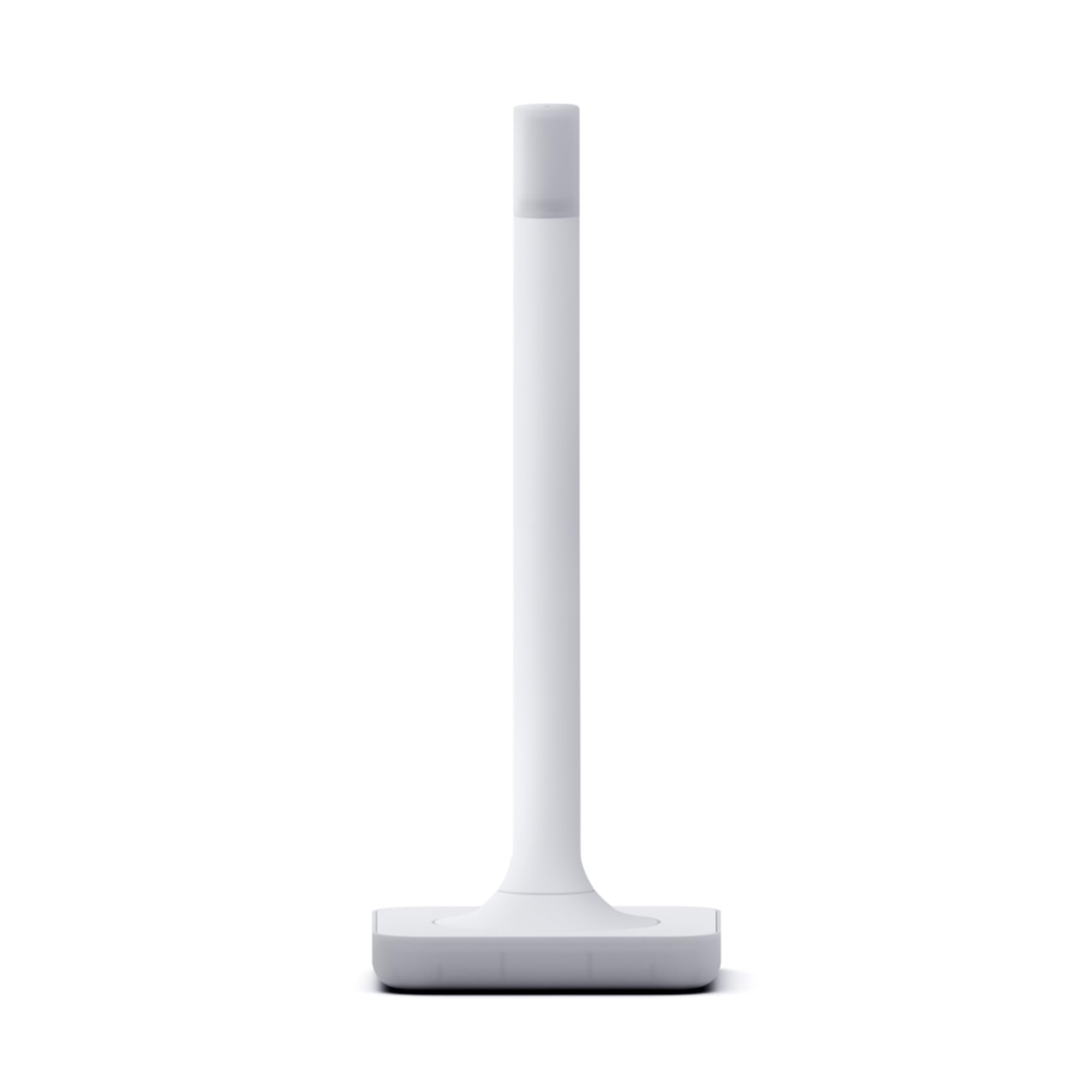
Check the current price on Amazon
Features and Specifications
Product: Home Assistant Connect ZWA-2
Type: Z-Wave radio / controller for Home Assistant
Brand: Official Home Assistant Hardware
Function: Connects Z-Wave devices to Home Assistant
Compatibility: Home Assistant installations
Price Tier: Mid-range, above budget USB sticks
The ZWA-2 is a purpose-built radio, not a general-purpose smart hub. It exists to give Home Assistant a native Z-Wave interface, so the software handles automation and the ZWA-2 handles the wireless side. That division of labor is the whole point of the product.
Buyers who already run Home Assistant know the pain of mixing ecosystems: a vendor hub here, a cloud app there, and automations that break when a service goes down. The ZWA-2 removes one of those layers by keeping Z-Wave traffic local and managed inside Home Assistant.
Build and Design
The device is compact and designed to sit near the Home Assistant host, connected and left alone. It is official hardware, which means the enclosure, firmware and software support come from the same team that builds Home Assistant itself. That matters for long-term reliability: updates and compatibility are handled in-house rather than by a third party guessing at the platform.
Placement is the practical concern. Z-Wave is a mesh radio, so the controller benefits from a central spot in the home rather than a corner behind a metal rack. Buyers with a large floor plan should plan for the ZWA-2 to live where its signal reaches the most devices, which may mean a short extension cable rather than plugging it directly into a crowded USB port.
Trade-off: Official hardware costs more than generic Z-Wave USB sticks, and that premium buys integration and support rather than extra radios or ports.
Capacity and Network Coverage
The ZWA-2 is a single Z-Wave controller, so its job is to anchor one network. Every Z-Wave device in the home joins that network, and mains-powered devices act as repeaters that extend range outward. That means coverage grows as the device count grows, which is how Z-Wave is meant to work.
The practical limit is not the controller but the home. Buyers with a handful of sensors in an apartment will never stress the ZWA-2. Buyers with a large house full of locks, switches and sensors should think about mesh density first: a few well-placed repeaters do more for reliability than any controller upgrade.
Power and Connectivity
The ZWA-2 connects to the Home Assistant host and provides the Z-Wave radio link to devices. It is a wired accessory, not a battery device, so it stays in one place and draws power continuously. That is normal for a controller and keeps latency low.
Buyers should expect to keep the ZWA-2 attached to the machine running Home Assistant, whether that is a mini PC, a single-board computer or a dedicated server. Homes that run Home Assistant in a virtual machine or container should confirm the radio can be passed through to the software before buying.
Maintenance and Setup
Setup runs through Home Assistant itself, which is the main draw. There is no separate vendor app, no cloud account and no second dashboard to maintain. Once the ZWA-2 is recognized, Z-Wave devices are paired and managed from the same interface that runs the rest of the smart home.
Maintenance is similarly quiet: firmware and software updates arrive through the Home Assistant ecosystem. The catch is that the ZWA-2 is only as useful as the Home Assistant install behind it. Buyers who are not already running Home Assistant, or who do not plan to, get little from this device.
Who It Suits and Who It Does Not
The ZWA-2 suits Home Assistant users who want Z-Wave support from the same team that builds their platform. It also suits buyers consolidating away from manufacturer hubs, since Z-Wave devices from many brands can join one local network. And it suits anyone who values local control over cloud dependency.
It does not suit buyers outside the Home Assistant ecosystem. Someone who wants a plug-and-play smart home with a phone app and no server will find the ZWA-2 is only one piece of a larger project. Budget shoppers comparing generic Z-Wave sticks will also notice the price gap.
Trade-off: The ZWA-2 is a focused accessory, so its value depends entirely on an existing Home Assistant setup and a real Z-Wave device plan.
FAQ
-
What is the Home Assistant Connect ZWA-2?
It is the official Z-Wave radio from the Home Assistant team, used to connect Z-Wave devices to a Home Assistant installation. -
Does the ZWA-2 work without Home Assistant?
No. It is built specifically for Home Assistant, and its setup and management happen inside that platform. -
What kinds of devices can connect through the ZWA-2?
Z-Wave devices such as sensors, switches, locks and thermostats, provided they are Z-Wave and compatible with Home Assistant. -
Is the ZWA-2 better than a generic Z-Wave USB stick?
It offers official support and integration from the Home Assistant team, which many buyers value over the lower price of generic sticks. -
Does the ZWA-2 need a cloud account?
No. It is designed for local control through Home Assistant rather than a vendor cloud service. -
Where should the ZWA-2 be placed in a home?
Central placement helps the Z-Wave mesh reach more devices, and mains-powered Z-Wave devices extend range further. -
Can the ZWA-2 replace an existing smart home hub?
It can replace a Z-Wave hub for buyers already running Home Assistant, since Home Assistant becomes the controller. -
Does the ZWA-2 support firmware updates?
Updates are handled through the Home Assistant ecosystem, keeping the radio aligned with the platform. -
Is the ZWA-2 a good first step into smart home automation?
Only for buyers committed to Home Assistant. Others are usually better served starting with a simpler hub. -
Who should skip the ZWA-2?
Buyers who do not run Home Assistant, want a phone-only setup, or are shopping purely on price.
Bottom Line
The Home Assistant Connect ZWA-2 is the right Z-Wave radio for Home Assistant users who want official hardware, local control and one less vendor in the chain. It is not a starter hub and not a budget pick, but for the buyer it targets, it removes a whole layer of complexity. Check the current price before deciding.
