Why there are Amazon links here: Brave Review is paid a commission for qualifying Amazon purchases made through the links below. Your price does not change, and using our links is entirely optional. How this works
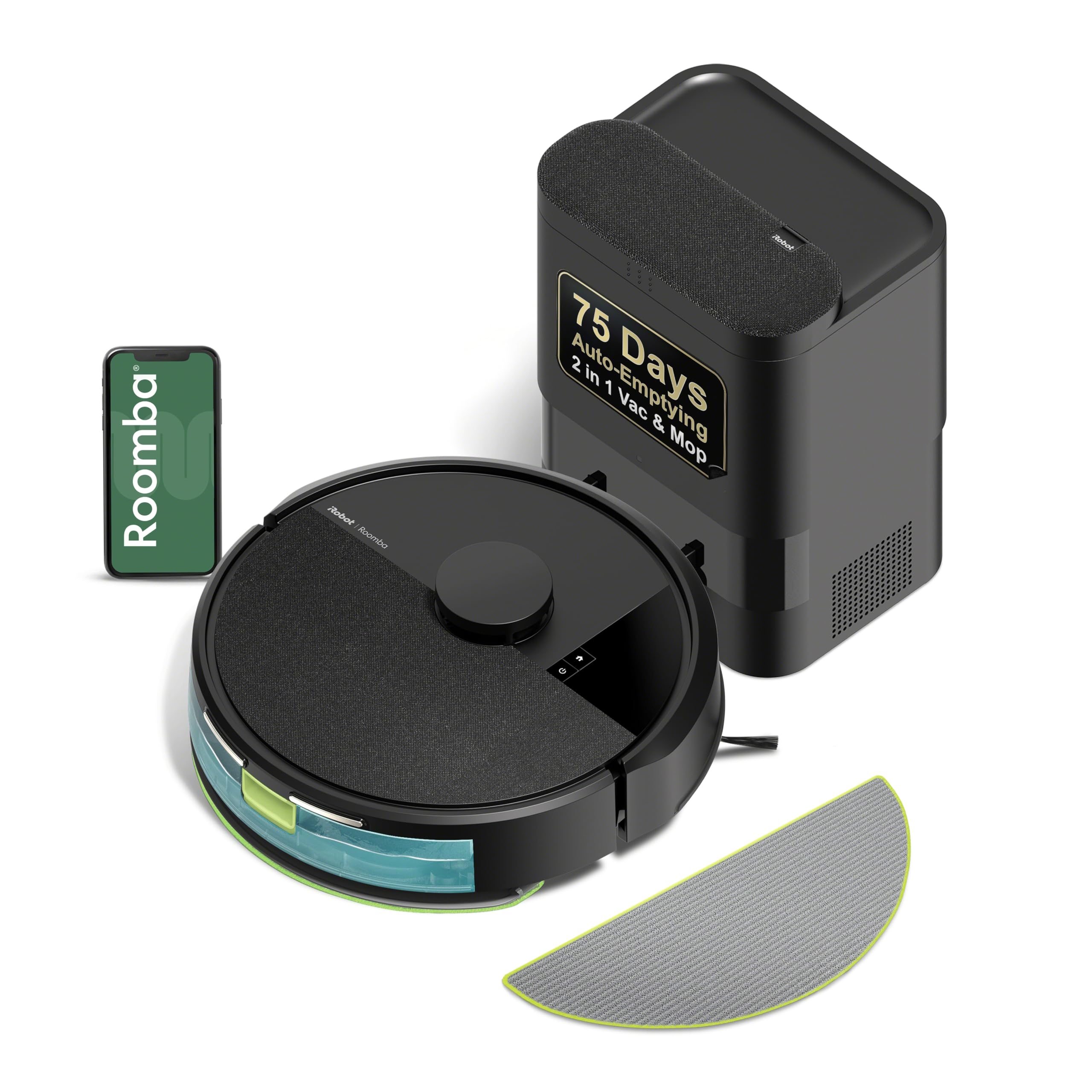
iRobot Roomba 105 Combo: The Self-Emptying Vacuum-Mop for Busy Homes
The iRobot Roomba 105 Combo is a robot vacuum and mop built for households that want floor care to happen without daily babysitting. It combines suction, a mopping function, LiDAR navigation, and an AutoEmpty dock that holds debris for weeks. This review covers what the unit actually does, where its limits sit, and which buyers should consider it before clicking through to Amazon.
Features and Specifications
Type: Robot vacuum and mop combo
Dock: AutoEmpty, self-empties for up to 75 days
Navigation: LiDAR
Suction: Intense Power-Lifting
Cleaning modes: Multiple
Carpet handling: Avoids mopping carpet
Price tier: Mid-range ($299.00 snapshot)
Check the current price on Amazon
The Roomba 105 Combo sits in the mid-range of the robot floor-care market, priced at a point where buyers expect real navigation and a self-emptying dock rather than a bare-bones bump-and-run machine. The name spells out the core promise: vacuuming and mopping in one pass, with a base station that takes over the dirty work of emptying the bin. It is aimed at people who want floors maintained regularly without thinking about it every day.
The headline feature is the AutoEmpty dock, which the product name states holds debris for up to 75 days. That figure matters because it changes the maintenance rhythm of the whole machine — instead of emptying a small onboard bin after every couple of runs, the owner handles the dock’s bag or canister every few months. For a household that runs the robot daily, that is the difference between a chore and a background task.
Build and Design
The Roomba 105 Combo is a two-part system: the robot itself and the AutoEmpty dock it returns to. The dock is the larger footprint of the two, and it needs a wall outlet plus clear space around it for the robot to dock reliably. Buyers planning placement should treat the dock as a semi-permanent fixture rather than something to tuck into a cupboard between runs.
The robot carries both vacuum and mop hardware, which is the defining design compromise of any combo unit. A combo has to house a water reservoir and mopping assembly alongside the suction path and bin, so it tends to be a denser, more complex machine than a vacuum-only robot. That complexity is the price of skipping a separate mopping device.
LiDAR navigation is the other structural element worth noting. LiDAR maps a room with a spinning sensor rather than relying on cameras or bump sensors alone, which generally produces more methodical coverage and fewer wasted passes. It also lets the robot build and follow a map, which is what makes scheduled, room-by-room cleaning practical.
Capacity and Coverage
The 75-day self-emptying claim is the number that shapes daily life with this machine. It assumes typical household debris loads; homes with heavy shedding pets or lots of tracked-in grit will fill the dock faster than that. Even so, the direction of the trade is clear: far fewer bin trips than a standard robot vacuum demands.
Mopping capacity is the quieter limitation. Combo robots carry modest water tanks because they have to fit inside a compact chassis, so the mopping function suits maintenance cleaning of hard floors rather than scrubbing a dried spill or deep-cleaning a mudroom. Buyers who want a mop that floods a floor with water and agitates it should look at a dedicated mopping machine instead.
The carpet-avoidance feature is a genuine capacity question for mixed-floor homes. The robot is built to recognize carpet and skip mopping over it, which protects rugs and carpet from a wet pass. Homes that are almost entirely carpet get less value from the mop half of this machine, while homes with a mix of hard floor and rugs get the most out of it.
Power and Cleaning Modes
The product name specifies Intense Power-Lifting suction, which is the branding iRobot uses for its stronger pickup setting. In practice this means the vacuum side is tuned for pulling debris out of carpet fibers and off hard floors rather than merely sweeping surfaces. It is the setting that matters most for homes with pets or kids tracking crumbs.
Multiple cleaning modes let the owner match the run to the situation — a quick pass for a single room versus a full-floor run, for example. The value of modes is scheduling flexibility: a household can run a light daily cycle and a heavier weekly one without changing hardware. Buyers who like to fine-tune should confirm the exact mode list on the product page, since mode names and behaviors vary across the Roomba line.
LiDAR navigation feeds directly into how those modes perform. A mapped robot can be directed to specific rooms or zones rather than cleaning blindly, which is why navigation is often the spec that separates a frustrating robot from a useful one. The 105 Combo’s LiDAR puts it on the useful side of that line.
Maintenance
The AutoEmpty dock does not eliminate maintenance — it relocates it. The dock’s collection bag or canister has to be swapped periodically, and the robot’s brushes, filters, and mop pad still need regular attention. A combo unit adds mop-pad washing or replacement to the routine, which is a real ongoing cost that vacuum-only robots avoid.
The dock also needs its own care: sensors and contacts where the robot connects should be kept clean so charging and emptying stay reliable. Buyers should plan for a small monthly maintenance ritual rather than assuming the machine is hands-off forever. That is normal for the category, but it is worth stating plainly.
Trade-off: The self-emptying dock reduces bin trips but adds a bulky base station, recurring bag or canister costs, and its own cleaning needs — so the machine trades daily chores for periodic ones rather than removing maintenance entirely.
Who Should Buy the Roomba 105 Combo
This machine suits households with a mix of hard floors and rugs that want vacuuming and light mopping handled on a schedule, and that value not emptying a bin every day. It also fits buyers stepping up from a basic robot who now want mapped navigation and a self-emptying base without jumping to the top of the price range.
It is not the right pick for homes that are wall-to-wall carpet, since the mopping half goes largely unused. Nor is it ideal for buyers who want deep, scrub-style mopping or who have no convenient floor space and outlet for a dock. Those shoppers should look at a vacuum-only robot or a dedicated mop instead.
FAQ
-
Does the iRobot Roomba 105 Combo really empty itself for 75 days?
The product name states the AutoEmpty dock self-empties for up to 75 days. That is a best-case figure for typical debris loads; homes with heavy pet hair will need to change the dock’s bag or canister sooner. -
Can the Roomba 105 Combo vacuum and mop at the same time?
It is a combo unit designed to vacuum and mop, and the name specifies it avoids mopping carpet. Buyers should check the product page for whether simultaneous vacuum-and-mop passes are supported or whether the modes run separately. -
Will it mop over rugs and carpet?
No — the product name states it avoids mopping carpet. That protection is one of the reasons a combo works in mixed-floor homes without soaking rugs. -
What kind of navigation does it use?
It uses LiDAR navigation, which maps rooms with a spinning sensor. That generally means more organized coverage and support for room-based cleaning than camera-only or bump-navigation robots. -
How much floor space does the AutoEmpty dock need?
The dock is the bulkiest part of the system and needs clear space plus an outlet. Buyers should plan a permanent spot for it rather than expecting to stow it between runs. -
Is the suction strong enough for pet hair?
The name specifies Intense Power-Lifting suction, iRobot’s stronger pickup branding. It is aimed at pulling debris from carpet and hard floors, which suits typical pet-hair cleanup, though very heavy shedding will still demand more frequent dock changes. -
What maintenance does the Roomba 105 Combo require?
The dock’s bag or canister needs periodic replacement, and the robot’s brushes, filter, and mop pad need regular cleaning. Combo units add mop-pad care to the routine compared with vacuum-only robots. -
Is this a good robot for a home that is all carpet?
Less so. The vacuum side still works, but the mopping capability goes unused, so an all-carpet home may get better value from a vacuum-only model. -
Does it work with a smartphone app and scheduling?
Roomba models in this range typically pair with the iRobot app for scheduling and control. Buyers should confirm the exact app features for the 105 Combo on the product page. -
Who is the Roomba 105 Combo not for?
It is not for buyers who want deep scrub-style mopping, who lack space for a dock, or who have wall-to-wall carpet and no use for the mop. Those shoppers are better served by a different category of machine.
Bottom Line
The iRobot Roomba 105 Combo is a sensible mid-range pick for mixed-floor homes that want scheduled vacuuming, light mopping, and a dock that handles emptying for up to 75 days. Its limits are the ones the category imposes — a bulky base station, modest mop capacity, and ongoing maintenance — but for the right household it turns daily floor care into an occasional task. Buyers ready to stop emptying a bin every day should check the current price on Amazon.