Why there are Amazon links here: Brave Review is paid a commission for qualifying Amazon purchases made through the links below. Your price does not change, and using our links is entirely optional. How this works
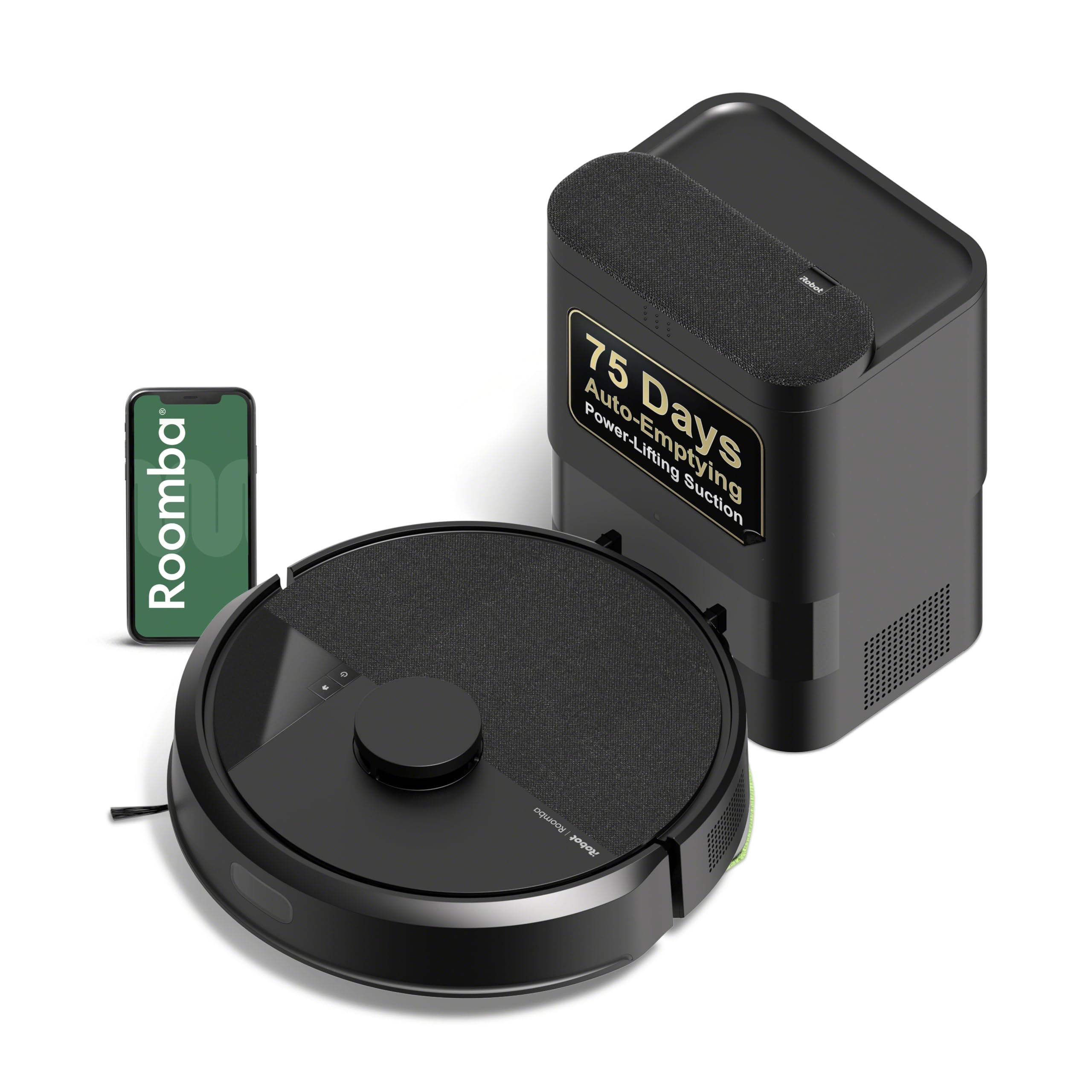
iRobot Roomba 105 Vac Robot Vacuum: LiDAR Navigation and a 75-Day Self-Empty Dock
The iRobot Roomba 105 is a budget-tier robot vacuum built around two features that usually cost far more: LiDAR navigation and a dock that empties the bin on its own. It suits first-time robot vacuum buyers, pet owners, and anyone who wants to set a cleaning routine and forget about it for weeks at a time. This review covers what the Roomba 105 actually offers, where the price tier shows through, and who should look elsewhere.
Check the current price on Amazon
Features and Specifications
Type: Robot vacuum with self-emptying dock
Navigation: LiDAR
Self-Empty Runtime: Up to 75 days
Suction: Intense Power-Lifting
Surfaces: Multi-surface (hard floors and carpet)
Cleaning Pattern: Neat rows
Setup: Easy to use
The headline here is the combination of LiDAR and an AutoEmpty dock at a price that sits at the low end of the robot vacuum market. LiDAR is the same mapping technology used on far more expensive robots, and it is what allows the Roomba 105 to clean in neat, systematic rows rather than bouncing around a room at random. The dock is the other half of the value story: the robot empties its own bin into a larger container, and iRobot rates that container for up to 75 days of cleaning before it needs attention.
Suction is branded "Intense Power-Lifting," which is iRobot’s way of saying the vacuum is tuned to pull debris up out of carpet fibers rather than just skimming the surface. Multi-surface cleaning means the robot is meant to move between hard floors and carpet without a manual mode change, which matters for homes with a mix of flooring. Setup is described as easy to use, which in practice means the robot is designed to be unboxed, docked, and started without a lengthy configuration process.
Build and Design
The Roomba 105 follows iRobot’s familiar round-housing formula: a low-profile disc that is meant to slide under furniture edges and along baseboards. The build is functional rather than premium, which is exactly what the price tier suggests. Buyers who want a robot that looks like a design object should look at higher tiers; buyers who want one that disappears under a sofa will find the form factor familiar and unobtrusive.
The dock is the larger physical commitment. A self-emptying base takes up more floor space than a simple charging station and needs a spot with a little clearance around it. That is the trade-off of the AutoEmpty feature: the robot itself stays compact, but the footprint of the whole system is bigger than a bare-bones vacuum’s.
Trade-off: The dock adds a permanent piece of furniture to the floor plan, and the bin inside it needs periodic emptying and cleaning — the 75-day figure is a ceiling, not a guarantee.
Capacity and the AutoEmpty Dock
The 75-day self-empty rating is the number that changes how the Roomba 105 is used. Instead of emptying a small onboard bin after every run or two, the robot transfers debris into the dock’s larger container, and the owner only deals with it every couple of months in ideal conditions. For a household that runs the vacuum several times a week, that turns robot vacuum maintenance from a frequent chore into an occasional one.
That figure assumes typical debris loads. Homes with heavy shedding pets, long hair, or a lot of tracked-in dirt will fill the dock faster, and the dock’s bag or container will need attention sooner than the rating suggests. The onboard bin is also small by design, because the robot is meant to empty itself often rather than carry a full load through a whole cleaning run.
The practical benefit is consistency. A robot that empties itself keeps its suction path clear run after run, which is the difference between a vacuum that works well in week one and one that still works well in week eight.
Power and Cleaning Performance
"Intense Power-Lifting Suction" is the phrase iRobot uses to describe the vacuum’s ability to pull debris out of carpet rather than just passing over it. On hard floors, that translates to picking up loose crumbs, dust, and pet hair along the neat-row path the LiDAR mapping lays out. On carpet, the vacuum is doing the harder job of lifting material out of fibers, and the results will depend heavily on pile height and how much debris has worked its way down.
The neat-row cleaning pattern is a real performance feature, not just marketing. Because LiDAR gives the robot a map of the room, it can cover the floor in systematic passes instead of random wandering, which means fewer missed strips and more consistent coverage per run. Buyers upgrading from an older random-navigation robot will notice the difference in how evenly the floor gets covered.
What the Roomba 105 is not is a deep-cleaner. It is a maintenance vacuum designed to keep floors consistently tidy between deeper cleans, and buyers expecting it to replace a full-size upright on plush carpet will be disappointed.
Trade-off: Suction is tuned for routine upkeep, so heavily soiled carpet and embedded debris still call for a full-size vacuum.
Maintenance and Everyday Use
The self-empty dock removes the most frequent maintenance task, but it does not remove all of them. The robot’s brushes and wheels still collect hair and debris over time and need periodic clearing, and the dock’s container needs emptying when it fills. The 75-day rating is a helpful planning number, not a promise that the system is maintenance-free.
"Easy to use" is the design goal here, and it shows up in how the robot is meant to be run: dock it, start it, let it map and clean, and let it empty itself afterward. There is no indication that the Roomba 105 requires a complicated schedule setup to be useful, which makes it a reasonable first robot vacuum for a household that has never owned one.
The multi-surface capability also simplifies daily use. The robot is built to move between hard flooring and carpet without the owner switching modes or moving a boundary, so a home with a mix of surfaces can be cleaned in a single run.
Trade-off: Brushes and wheels still need occasional manual cleaning, and the dock’s container has to be emptied — the system reduces maintenance, it does not eliminate it.
Who the Roomba 105 Is For
The Roomba 105 fits buyers who want the two features that matter most in daily robot vacuum use — smart navigation and self-emptying — without paying premium prices. It is a strong fit for first-time robot vacuum owners, apartment and condo dwellers with a mix of hard floor and low-pile carpet, and pet owners who want hair picked up regularly without emptying a bin every other day.
It is not for buyers with wall-to-wall plush carpet who expect robot-level deep cleaning, nor for large multi-floor homes where a single dock location cannot serve the whole house. Buyers who want mopping, room-specific scheduling, or object avoidance beyond LiDAR mapping should look at higher tiers. And buyers who want a robot that never needs brush cleaning will be disappointed by any vacuum in this class.
FAQ
-
What is the iRobot Roomba 105?
It is a robot vacuum with LiDAR navigation and a self-emptying AutoEmpty dock, positioned at the budget end of iRobot’s lineup. -
How long does the Roomba 105 go before the bin needs emptying?
iRobot rates the AutoEmpty dock for up to 75 days of self-emptying, though heavy pet hair and tracked-in dirt will shorten that interval. -
Does the Roomba 105 work on carpet?
Yes. It is a multi-surface vacuum with Intense Power-Lifting suction, though it is best suited to low-pile carpet and routine upkeep rather than deep cleaning. -
What is LiDAR navigation and why does it matter?
LiDAR maps the room so the robot can clean in systematic neat rows instead of random paths, which gives more even coverage per run. -
Is the Roomba 105 good for pet hair?
It is a reasonable fit for pet owners because the self-empty dock handles frequent hair pickup without daily bin emptying, though brushes still need periodic clearing. -
Does the Roomba 105 mop?
No. It is a vacuum only — buyers who want mopping need a different model. -
How much floor space does the AutoEmpty dock take up?
The dock has a larger footprint than a standard charging station and needs clearance around it, so plan for a permanent spot along a wall. -
Is the Roomba 105 a good first robot vacuum?
Yes. The easy setup, LiDAR navigation, and self-emptying dock make it a sensible entry point for buyers new to robot vacuums. -
Can the Roomba 105 replace a regular vacuum?
It is a maintenance vacuum, not a replacement. Deep cleaning on plush carpet and heavy debris still calls for a full-size vacuum. -
Who should skip the Roomba 105?
Buyers who need mopping, deep carpet cleaning, multi-floor coverage from one dock, or advanced object avoidance should look at higher tiers.
Bottom Line
The iRobot Roomba 105 is the budget pick that gets the two features most buyers actually care about right: LiDAR navigation for systematic cleaning and an AutoEmpty dock that stretches bin emptying to up to 75 days. It is a maintenance vacuum, not a deep cleaner, and the dock’s footprint is a real consideration — but for first-time buyers, pet owners, and mixed-floor homes, it delivers the core robot vacuum experience without the premium price.
