Why there are Amazon links here: Brave Review is paid a commission for qualifying Amazon purchases made through the links below. Your price does not change, and using our links is entirely optional. How this works
Best Power Station Capacity for a Fridge and Router
Keeping a refrigerator cold and a router online through an outage comes down to one number: usable capacity. A fridge cycles its compressor on and off all day, and a router sips a few watts continuously, so the pair needs a station sized for overnight runtime rather than a quick phone top-up. The five picks below cover a compact emergency unit, a mid-size whole-home contender and a large-capacity flagship, so buyers can match the station to how long the blackout usually lasts. The overview table sorts every option by key spec and price tier before the individual reviews break down who each one suits.
Overview of the Picks
| Product | Key Spec | Best Use | Price Tier |
|---|---|---|---|
| Backup LiFePO4 Battery 640Wh | 640Wh, 1200W surge, 10ms UPS | Short outages, router + fridge cycling | Budget |
| Jackery HomePower 3600 Plus | 3584Wh, 3600W AC, expandable to 21kWh | Whole-home backup, long outages | Premium |
| PECRON F3000LFP | 3072Wh, 3600W AC, expandable to 10752Wh | Fridge + router plus appliances | Mid-range |
| Jackery HomePower 3000 | 3072Wh, 3600W AC, 7200W surge | Fridge surge loads, home backup | Upper mid-range |
| BLUETTI Elite 30 V2 | 288Wh, 600W, 10ms UPS | Router only, short fridge support | Budget compact |
1. Backup LiFePO4 Battery 640Wh Portable Power Station
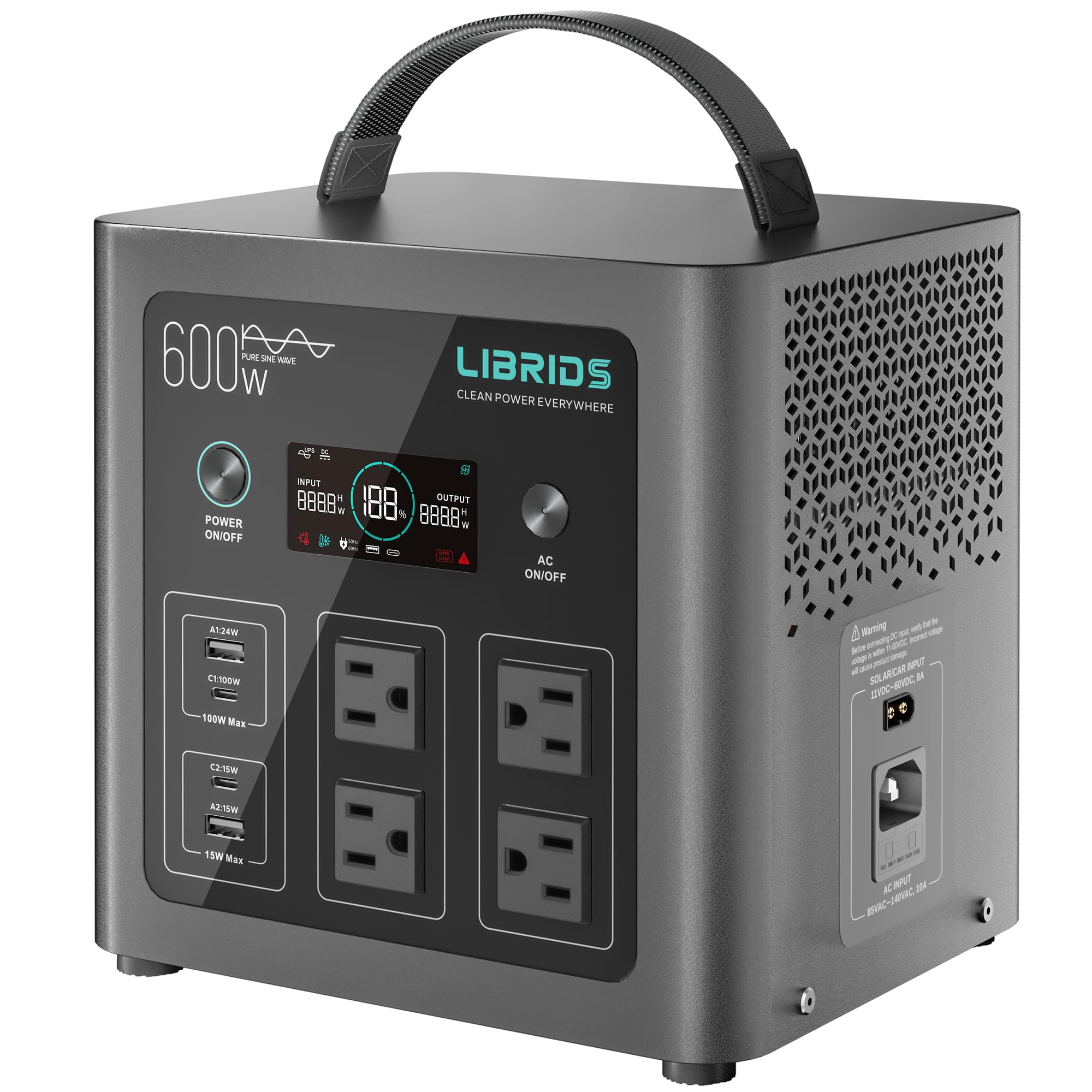
Capacity: 640Wh
AC Output: 4 AC ports, 1200W surge
Battery Type: LiFePO4
UPS Switchover: 10ms
Recharge Time: 1.5 hours
Build: Metal housing
Ports: 8 total
The 640Wh capacity is the entry point for this group, and the LiFePO4 chemistry is the reason it stays competitive at the price. LiFePO4 cells tolerate deep discharges and hold up over many cycles, which matters for a unit that may sit idle for months and then run hard for a night. The metal housing adds durability that plastic shells do not offer, and the 10ms UPS switchover means a router plugged into it never drops the connection during a grid flicker. Eight ports across AC, USB and DC cover a router, a modem, a phone and a lamp at the same time.
This is the pick for buyers who want a fridge and router covered for a few hours, not a full day. A modern fridge draws a few hundred watts when the compressor kicks on, so the 1200W surge ceiling handles startup, but the 640Wh tank will not carry a fridge through a long outage on its own. It suits apartment dwellers, renters and anyone who wants a fast-recharging emergency unit that tops up in 1.5 hours.
Trade-off: The modest 640Wh capacity means the fridge gets hours rather than days, so buyers planning for multi-day outages need to step up.
2. Jackery HomePower 3600 Plus Power Station

Capacity: 3584Wh
AC Output: 3600W
Battery Type: LFP
Expansion: Up to 21kWh
Intended Use: Home backup, emergencies, RV
Solar Input: Solar panel optional
The 3584Wh base capacity puts this Jackery in a different class from the compact units, and the expansion path to 21kWh makes it a genuine whole-home solution rather than an emergency stopgap. LFP chemistry gives it the cycle life to serve as permanent backup equipment, and the 3600W AC output is enough to run a fridge, a router and a handful of household loads together. The unit is built for stationary home use first, with RV duty as a secondary role.
Buyers who lose power for days at a time, or who want a station that can grow with additional battery modules, get the most from this model. It earns its place as the premium pick because the expansion capacity removes the ceiling that limits every fixed-capacity station. The trade-off is that the entry price buys the base unit only, and reaching the full 21kWh requires additional investment.
Trade-off: The premium price covers the base capacity, and the expansion batteries that unlock the headline 21kWh figure are a separate cost.
3. PECRON F3000LFP Portable Power Station
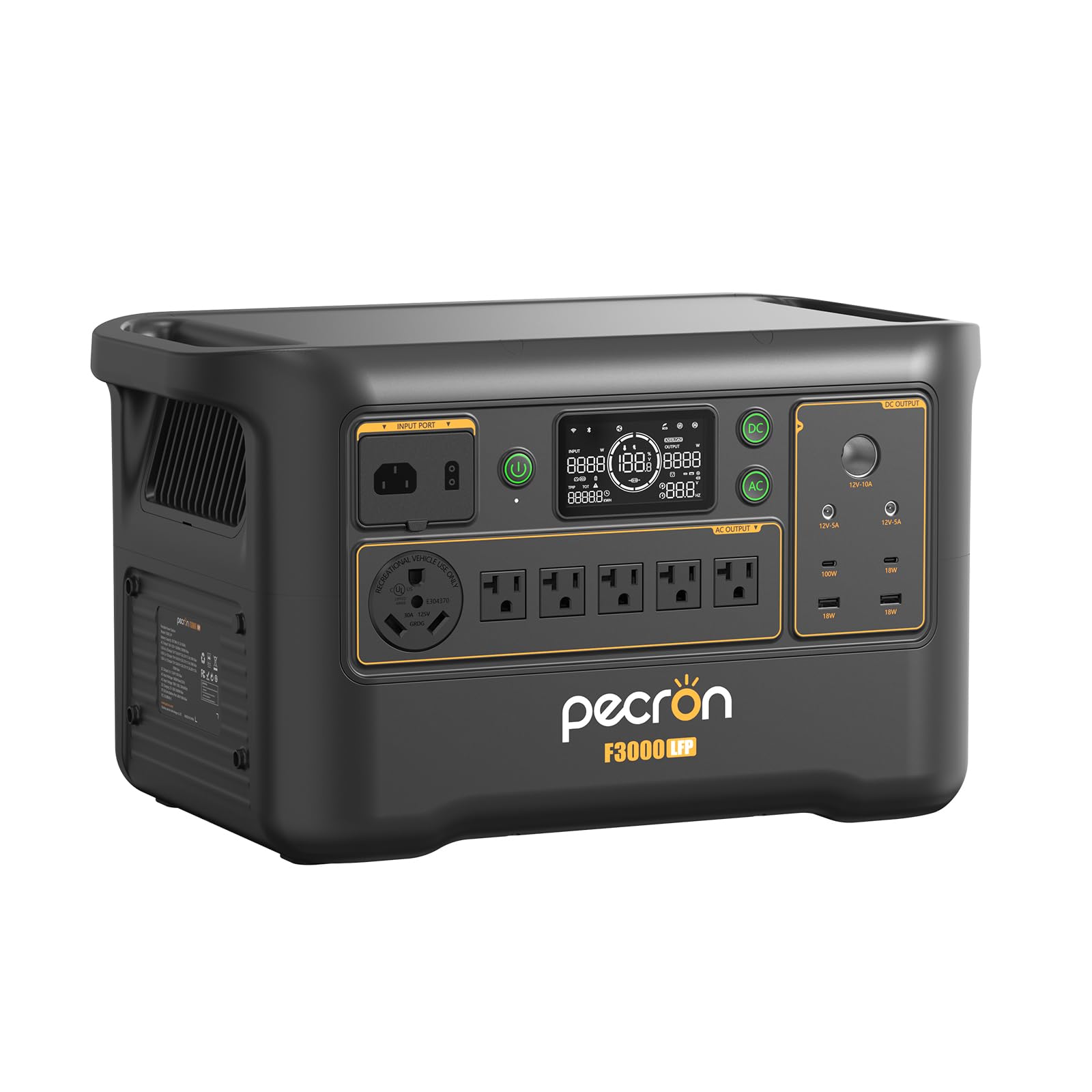
Capacity: 3072Wh
AC Output: 3600W
Battery Type: LiFePO4
Expansion: Up to 10752Wh
Intended Use: Home backup, camping, RV
Charging: Fast charging
The F3000LFP pairs a 3072Wh LiFePO4 bank with a 3600W inverter, which is the sweet spot for running a fridge and router alongside a few convenience loads. Fast charging shortens the turnaround between outages, and the expansion ceiling of 10752Wh gives buyers room to add capacity later without replacing the whole unit. The form factor is portable enough for camping and RV trips, so the same station can serve as home backup and travel power.
This is the value play of the large-capacity group: it delivers flagship-level output and capacity for noticeably less than the premium Jackery. Buyers who want serious runtime without paying for the top tier should start here. The caution is that a 3072Wh bank is heavy, and buyers who need to move it between floors or load it into a vehicle should plan for two people.
Trade-off: The large battery and inverter make this a heavy unit, so portability is limited to wheeled or two-person moves.
4. Jackery HomePower 3000 Portable Power Station
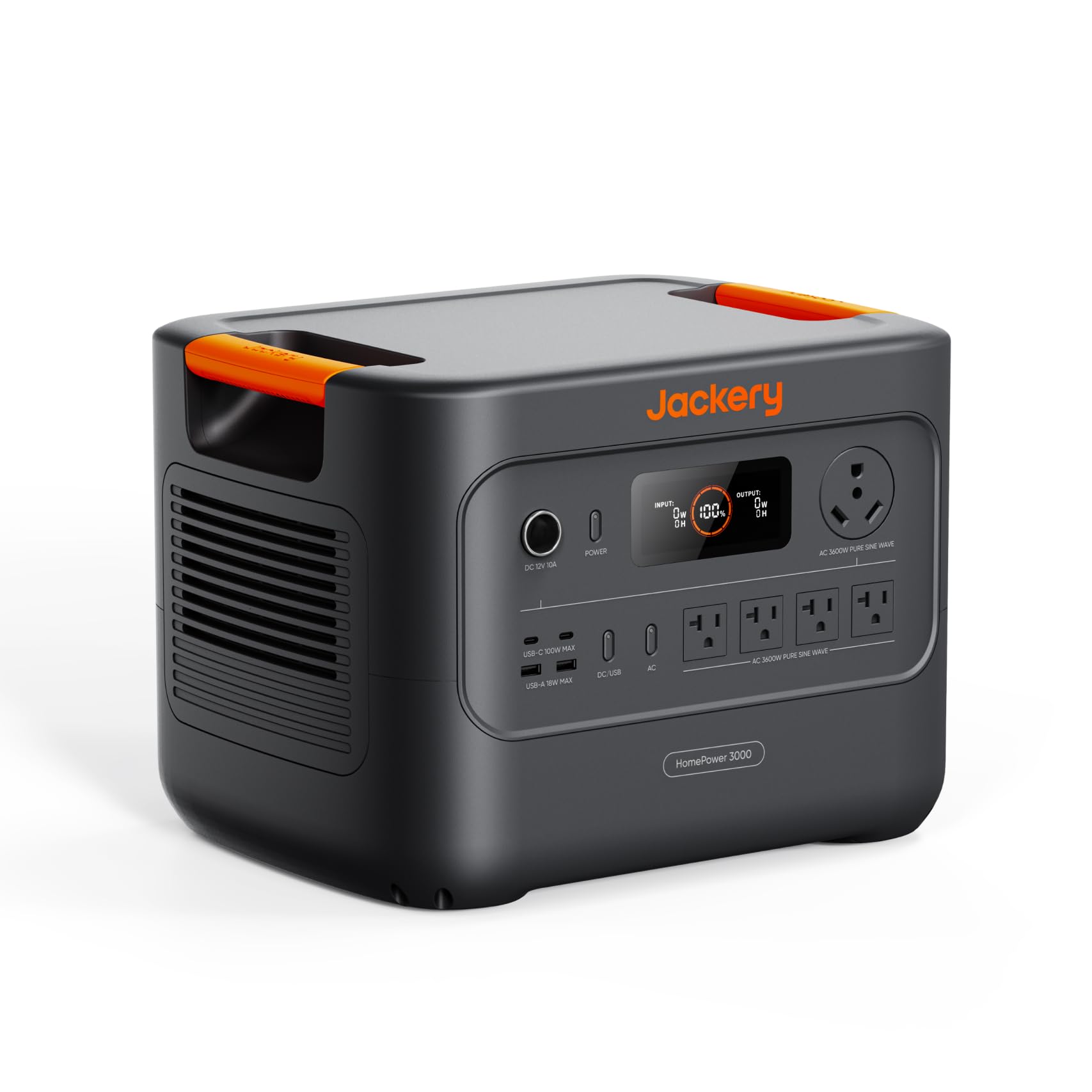
Capacity: 3072Wh
AC Output: 3600W
Surge: 7200W
Battery Type: LFP
Intended Use: Home backup, power outage
Solar Input: Solar panel optional
The standout figure here is the 7200W surge rating, double the continuous output. That headroom matters for appliances with heavy startup draws, and a refrigerator compressor is exactly that kind of load. With 3072Wh of LFP capacity behind it, the HomePower 3000 can run a fridge and router through a long outage while absorbing the surge spikes that trip smaller stations. The LFP cells and home-backup positioning point to a unit designed for regular seasonal use.
Buyers with older or larger refrigerators, or with a chest freezer alongside, benefit most from the surge margin. It sits just below the premium Jackery on price while matching it on capacity, which makes it the pick for households that want surge protection without the expansion ecosystem. The trade-off is that this model does not advertise the same expansion ceiling as its larger sibling, so capacity is fixed at purchase.
Trade-off: Capacity stays fixed at 3072Wh with no expansion path, so buyers planning to grow later should look at the Plus model instead.
5. BLUETTI Elite 30 V2 Portable Power Station
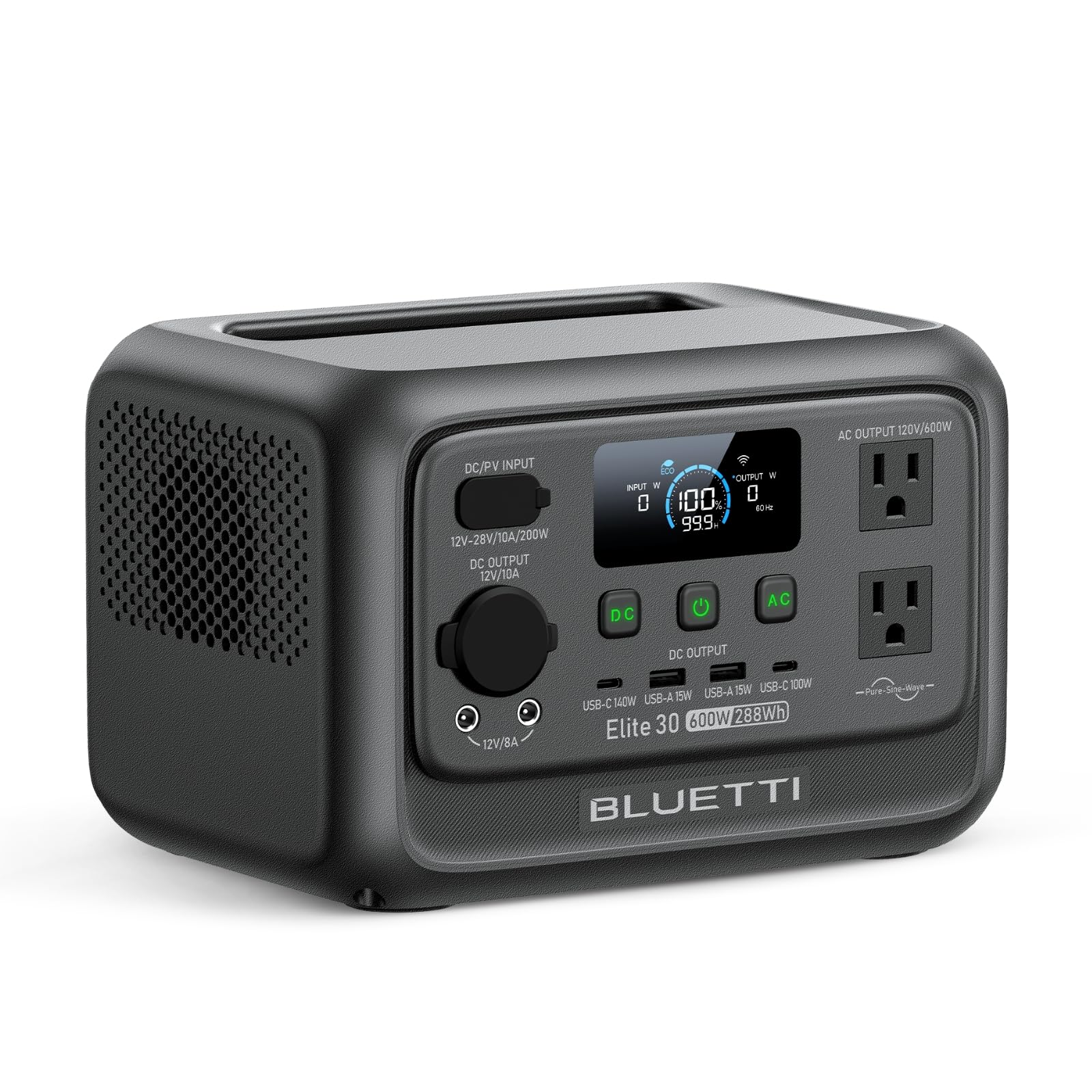
Capacity: 288Wh
AC Output: 600W
Battery Type: LFP
UPS Switchover: 10ms
Recharge Time: 45 min to 80%
Intended Use: Blackout, camping, outage, road trip
The Elite 30 V2 is the router specialist of the group. At 288Wh, it will not carry a refrigerator for long, but it keeps a router, modem and a couple of small devices alive through a short outage, and the 10ms UPS switchover means no dropped connection when the power cuts. The 45-minute charge to 80% is the fastest here, so the unit recovers quickly between events, and the LFP cells give it a long service life for a compact station.
This is the pick for buyers whose main concern is staying online during brief blackouts, or who want a grab-and-go unit for road trips and camping. It earns its place as the most popular option in the group because it covers the router side of the brief at a low entry cost. The trade-off is capacity: 288Wh supports a router for many hours but a fridge only briefly, so it works as a companion unit rather than a standalone solution.
Trade-off: The 288Wh bank is too small to run a refrigerator for meaningful stretches, so this works best alongside a larger station.
Before You Buy
- Capacity: Add up the fridge’s running watts and the router’s draw, then multiply by the hours of backup needed. A fridge cycles, so real consumption is lower than its label suggests, but a 288Wh station and a 3072Wh station serve very different outage lengths.
- Surge handling: Refrigerator compressors draw a spike at startup. A station with a surge rating well above its continuous output, like the 7200W model here, handles that spike without shutting down.
- UPS switchover: A 10ms transfer keeps a router and modem from rebooting during a grid flicker. Buyers who work from home should prioritize this feature.
- Battery chemistry: LiFePO4 and LFP cells tolerate deep discharges and long idle periods better than older chemistries, which suits equipment that sits unused for months.
- Expansion: Buyers planning for multi-day outages should check whether the station accepts additional battery modules, since fixed-capacity units cannot grow.
- Weight and placement: Large-capacity stations are heavy. Plan a permanent spot near the fridge and router rather than moving the unit during an outage.
- Solar input: Every pick here supports optional solar panels, which extends runtime during long outages when the grid stays down.
Frequently Asked Questions
-
What capacity does a fridge and router need?
A router draws very little, so the fridge drives the sizing. A 640Wh station covers a few hours, while a 3000Wh-class unit carries the pair through a full day or more of cycling. -
Can a power station run a fridge and router at the same time?
Yes, provided the continuous output exceeds the combined load and the surge rating covers the fridge compressor’s startup spike. All five picks here have enough output headroom for the pair. -
Why does surge rating matter for a refrigerator?
Compressor motors pull a brief spike several times their running wattage when they start. A station with a high surge ceiling absorbs that spike instead of tripping its overload protection. -
Is LiFePO4 better than other battery types for backup use?
LiFePO4 handles deep discharges and long storage periods well, which suits a station that sits idle between outages. Every pick in this roundup uses LFP or LiFePO4 chemistry. -
How long does a 288Wh station keep a router running?
A router’s draw is small enough that a 288Wh bank lasts many hours, but the same unit will only support a fridge briefly. That is why the compact pick works best as a router-focused companion. -
Can these stations be recharged with solar panels?
Yes. Each model lists optional solar input, which lets buyers extend runtime during extended outages when wall power is unavailable.
Bottom Line
For most households, the PECRON F3000LFP offers the best balance of capacity, output and price for keeping a fridge and router alive through an outage, with enough expansion headroom to grow later. Buyers who want a permanent whole-home solution with the longest runtime should step up to the Jackery HomePower 3600 Plus, while router-focused buyers on a budget can start with the compact BLUETTI Elite 30 V2.