Why there are Amazon links here: Brave Review is paid a commission for qualifying Amazon purchases made through the links below. Your price does not change, and using our links is entirely optional. How this works
Best Reminder System for Alarm Testing to Keep Every Device on Schedule
A reminder system for alarm testing is not a single product category, and that is why shopping for one gets confusing fast. The picks below cover three distinct buyer profiles: caregivers who need loud daily medication and routine alerts, technicians and lab staff who run repetitive timed tests, and facility managers who schedule bells or alarms across a building. The overview table shows each pick’s key specification and intended use so a reader can shortlist in under a minute, and every product block below links straight to the current Amazon listing.
Overview of the Picks
| Product | Key Spec | Best Use | Price Tier |
|---|---|---|---|
| Up to 8 daily alarms for pills & medication | 8 daily alarms, battery operated | Caregivers and seniors | Budget |
| labForce 4-Channel Alarm Timer | 4 channels, high-decibel alarm | Repetitive lab and bench testing | Mid-range |
| Web-Based No Subscription Bell System | 500 event scheduler, 1 bell | Schools, warehouses, shift changes | Premium |
| System Sensor RTS151KEY Remote Test Station | Remote test with switch and alarm | Fire alarm system testing | Mid-range |
| Talking Alarm Clock for Medication & Senior Reminders | Voice-based reminders | Seniors living independently | Mid-range |
Up to 8 Daily Alarms for Pills & Medication
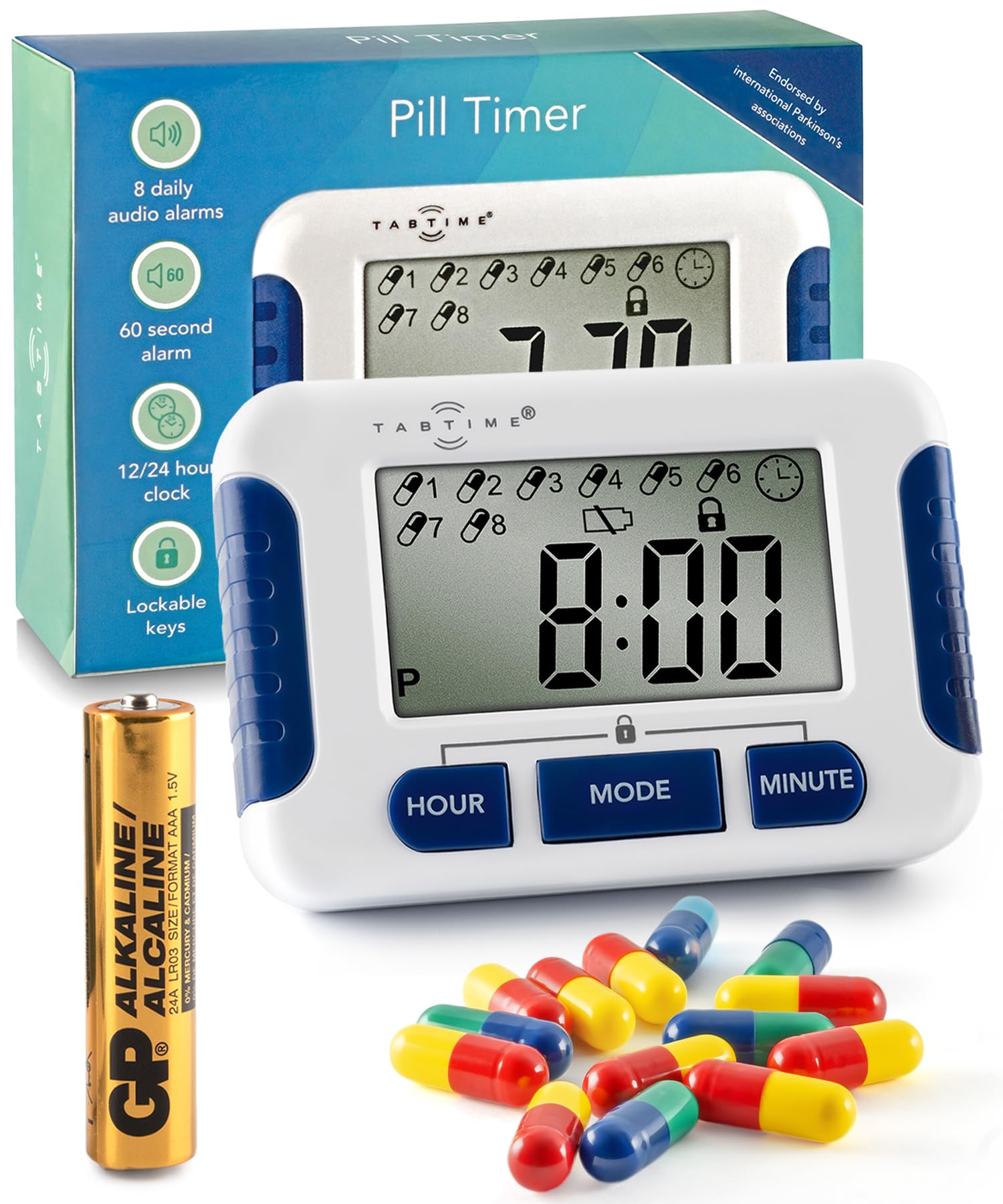
Alarm Capacity: Up to 8 daily alarms
Primary Use: Pills and medication reminders
Intended Audience: Seniors, elderly, dementia and Parkinson’s care
Power Source: Battery operated
Alarm Type: Loud audible reminder
Format: Pill reminder and timer
The TabTime unit is built around repetition rather than complexity. Eight separate daily alarms let a caregiver map out a full medication schedule, including doses that fall at awkward hours, without resetting the device each day. The loud audible alert is the point of the design, aimed at people who may have hearing loss or who leave the device in another room. Battery operation means it can sit on a nightstand or kitchen counter with no cable to route.
This is the pick for households managing dementia or Parkinson’s care, where a missed dose is a real risk and a quiet phone notification will not cut it. It also suits anyone who wants a dedicated single-purpose device rather than another app. The trade-off is that eight alarms is a hard ceiling with no smartphone app or remote monitoring, so a complex schedule with changing doses needs a more flexible system.
labForce 4-Channel Alarm Timer

Channels: 4
Alarm Type: High-decibel audible alarm
Primary Use: Repetitive testing
Display: Easy-on-the-eyes readout
Brand Line: labForce, powered by Thomas Scientific
Quantity: 1 each
Four independent channels are what separate this timer from a kitchen gadget. A technician can run several timed test cycles at once and hear which one has finished without stopping work to check a screen. The high-decibel alarm is specified for environments where background noise would swallow a soft chime, and the display is designed to stay readable over long shifts.
This pick earns its place for lab benches, quality-control stations and any workflow built on repeated timed intervals. It suits technicians who need a dedicated instrument rather than a phone timer that gets interrupted by messages. The trade-off is that four channels still cap how many parallel tests one unit can track, and a busy bench may need more than one timer on the shelf.
Web-Based No Subscription Bell System
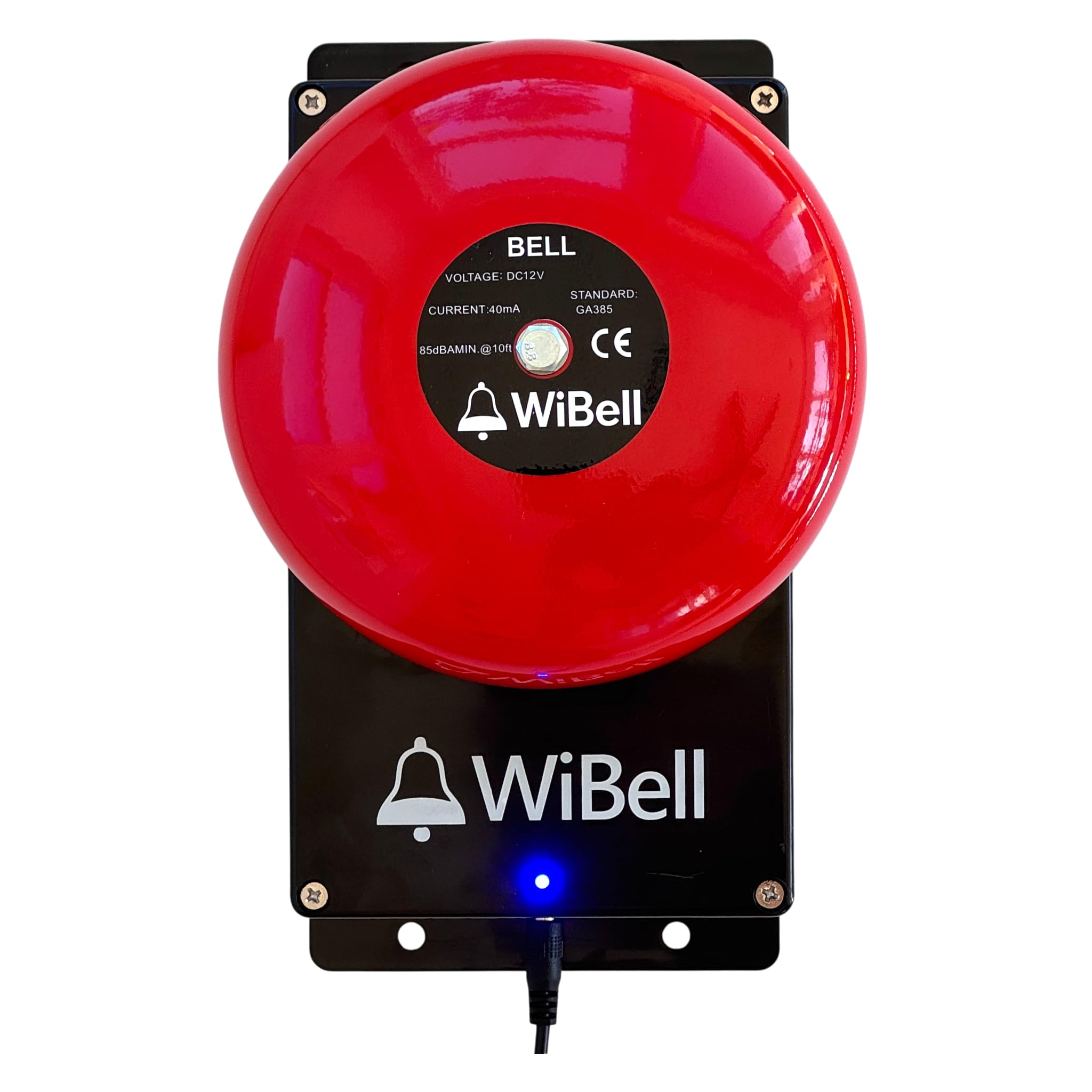
Scheduling Capacity: 500 events
Control Method: Web-based
Subscription: None required
Intended Settings: School, break, warehouse, shift change
Included: 1 bell
Type: Classic programmable bell system
This is building-scale scheduling rather than a desktop reminder. A web-based interface manages a 500-event calendar, so a full school day of period bells, breaks and end-of-day signals can be programmed in advance and adjusted without touching the hardware. The absence of a subscription matters for institutions that cannot add a recurring software line to the budget.
It fits facility managers, school administrators and warehouse supervisors who need audible alerts tied to a fixed daily schedule. The pick earns its place because the scheduler is the product, and the single included bell is the output. The trade-off is clear: one bell covers one zone, so a large campus with separate wings will need additional hardware, and the premium price reflects the scheduling platform more than the bell itself.
System Sensor RTS151KEY Remote Test Station
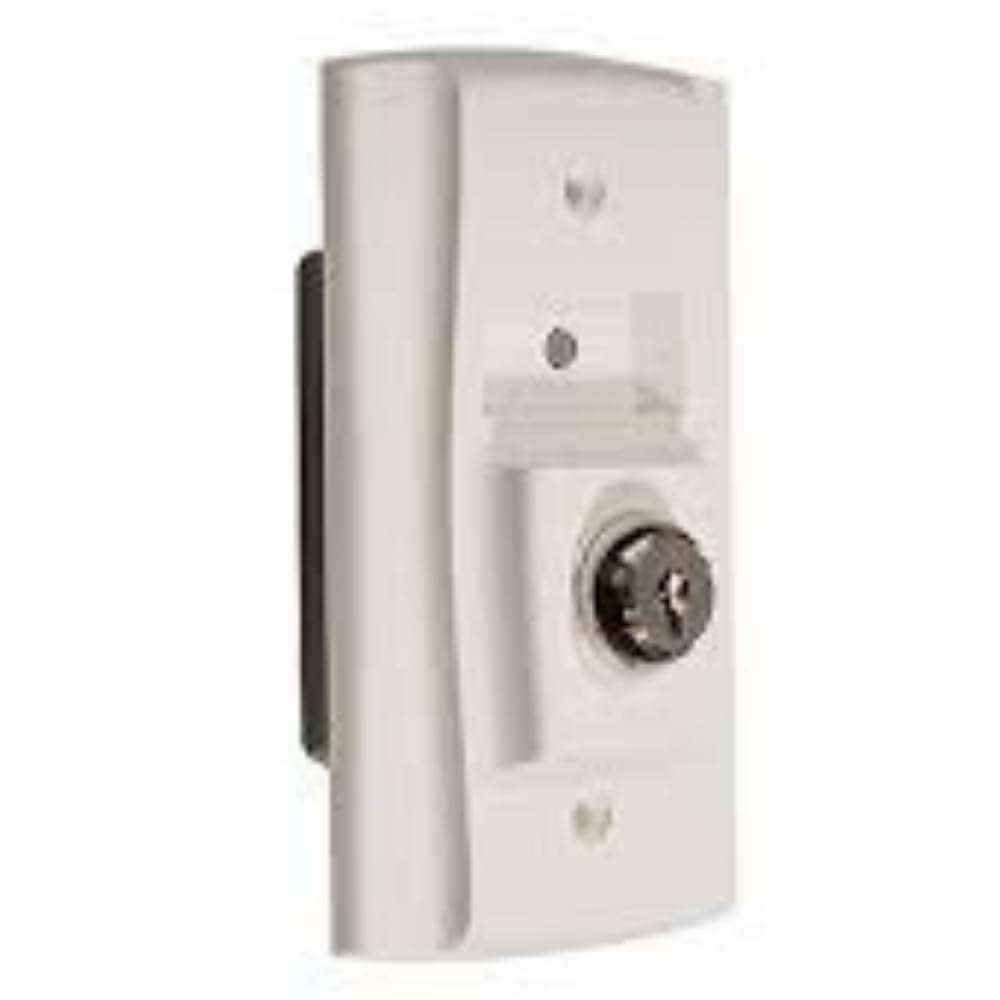
Type: Remote test station
Controls: Switch and alarm
Primary Use: Remote alarm testing
Brand: System Sensor
Quantity: Single unit
System Sensor RTS151KEY Remote Test Station with Switch and Alarm
This is a component, not a consumer gadget. A remote test station with an integrated switch and alarm lets a technician exercise a detector or alarm circuit from a convenient access point instead of climbing to the device itself. That shortens routine testing rounds and keeps the test function in one known location.
It suits fire alarm technicians, building engineers and maintenance crews responsible for scheduled inspection routines. The pick earns its place because it turns a physical inspection task into a repeatable, accessible procedure. The trade-off is that it is a system-specific part, so buyers must confirm it matches the existing panel and detector line before ordering, and it does nothing on its own outside an installed system.
Talking Alarm Clock for Medication & Senior Reminders

Alert Type: Talking voice reminders
Primary Use: Medication and senior reminders
Intended Audience: Seniors
Format: Alarm clock
Setup: Standalone, no pairing required
Talking Alarm Clock for Medication & Senior Reminders
A spoken alert is easier to act on than a beep, especially for someone who has to remember what the alarm was for. This clock announces reminders in voice, tying the sound to the task instead of leaving the user to guess. As a standalone clock it needs no pairing, app or account, which keeps the setup simple for a senior living independently.
It suits older adults who manage their own medication and family members setting up a parent’s routine. The pick earns its place because voice prompts reduce the chance of an alarm being dismissed without action. The trade-off is that a talking clock offers a limited number of alarms and no remote oversight, so a caregiver who needs confirmation that a dose was taken should look at a monitored system instead.
Before You Buy
- Alarm capacity: Count the reminders needed in a single day, then add headroom for schedule changes; a device with too few slots forces daily resets.
- Audibility: Match the alarm type to the environment, since a soft chime fails in a noisy warehouse while a high-decibel alert can be excessive in a bedroom.
- Power source: Battery units go anywhere but need a replacement routine, while wired or web-based systems depend on stable power and network access.
- Compatibility: Test stations and bell systems are usually part-specific, so confirm the unit matches the existing panel or hardware before ordering.
- Setup complexity: A standalone clock works out of the box, while a web-based scheduler needs an initial programming session and someone to maintain the calendar.
- Scalability: Single-zone hardware covers one area; multi-wing buildings need a plan for additional bells or stations from the start.
- Accessibility: For seniors, a voice or clearly labeled alert reduces confusion; for technicians, a readable display matters more than volume.
Frequently Asked Questions
-
What is a reminder system for alarm testing used for?
It schedules and triggers alerts so that tests, doses or building signals happen on time. The right type depends on whether the user is a caregiver, a technician or a facility manager. -
How many alarms does a medication reminder need?
A typical daily routine fits within eight alarms, which covers morning, midday, evening and as-needed doses. Complex schedules with changing times may need a device with more flexibility. -
Can a lab timer handle multiple tests at once?
Yes, a multi-channel timer runs several countdowns independently, so each finished test announces itself. The channel count sets the limit on parallel tests. -
Does a web-based bell system require a subscription?
The system described here is explicitly no-subscription, which keeps ongoing costs at zero. Buyers should still confirm network requirements for the web interface. -
Is a remote test station a standalone device?
No, it is a component that works with an existing alarm system. Compatibility with the installed panel and detectors must be confirmed before purchase. -
Which pick suits a senior living alone?
A talking alarm clock offers voice prompts without setup complexity, while a loud multi-alarm pill reminder suits households where hearing loss or memory issues are a concern.
Bottom Line
For most households, the TabTime pill reminder is the top pick: eight daily alarms, a loud battery-operated alert and a price that makes it easy to place one in every room a senior uses. Technicians running repeated test cycles should step up to the labForce four-channel timer, and anyone scheduling building-wide bells should go straight to the web-based system. Check current prices through the links above before ordering.
