Why there are Amazon links here: Brave Review is paid a commission for qualifying Amazon purchases made through the links below. Your price does not change, and using our links is entirely optional. How this works
SONOFF Zigbee 3.0 Thread Dongle Lite: The Cheap Way Into Home Assistant
The SONOFF Zigbee 3.0 Thread Dongle Lite is a USB coordinator for a home automation hub, built around the EFR32MG21 radio and sold as a simple, low-cost way to get Zigbee and Thread devices talking to Home Assistant or Zigbee2MQTT. It suits the buyer who already runs a hub on a mini PC, Raspberry Pi or always-on machine and needs a radio stick, not a whole new ecosystem. This review covers what the dongle is, what its specifications mean in practice, where it falls short, and who should skip it. Buyers ready to commit can check the current price at Amazon.
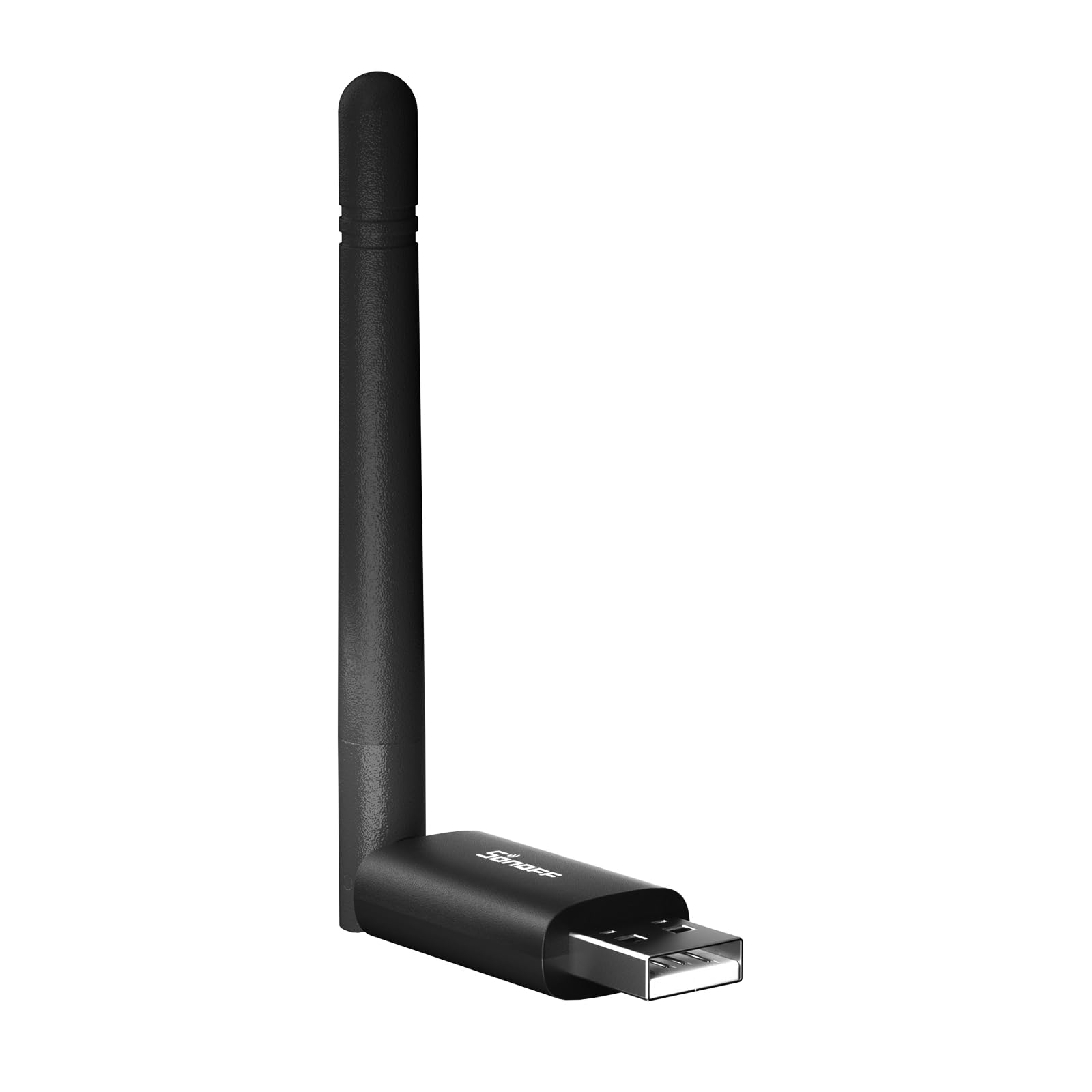
Features and Specifications
Product: SONOFFCompact Zigbee Coordinator for Home Assistant & Zigbee2MQTT, EFR32MG21 Simple Firmware Flash Function & Extension Cable Zigbee 3.0 & Thread USB Dongle (Dongle-LMG21)
Radio Chipset: EFR32MG21
Protocols: Zigbee 3.0 and Thread
Connection: USB dongle with extension cable
Firmware: Simple firmware flash function
Software Support: Home Assistant and Zigbee2MQTT
Form Factor: Compact USB stick
The headline here is the chipset. The EFR32MG21 is a modern, well-regarded radio for smart-home coordinators, and its presence in a dongle at this price tier is the main reason the product exists. Buyers comparing sticks will see the same silicon in more expensive enclosures, so the SONOFF unit is essentially a way to get that radio without paying for a metal case or a brand premium.
The protocol list matters just as much. Zigbee 3.0 covers the overwhelming majority of smart plugs, sensors, bulbs and buttons sold today, while Thread support opens the door to Matter-over-Thread devices as that standard matures. One stick handling both is a genuine convenience for a household that does not want to run two coordinators.
The extension cable is a small detail with outsized importance. USB 3.0 ports and the metal chassis of a mini PC or Raspberry Pi case are both known sources of radio interference, and moving the dongle a short distance away on a cable is the standard fix. SONOFF shipping the cable in the box saves the buyer a separate purchase and a troubleshooting session.
Finally, the "simple firmware flash function" in the product name speaks to a real pain point. Coordinators occasionally need firmware updates to stay compatible with newer devices, and the process is where many budget sticks frustrate their owners. SONOFF is advertising an easier path here, which is worth noting for buyers who are not comfortable with command-line flashing tools.
Build and Hardware
The dongle is a compact USB stick, and that size is the whole point. It disappears into a USB port or sits discreetly at the end of its extension cable, which matters in a living-room hub or a small home-server shelf where a larger coordinator with an external antenna would be awkward. Buyers who want a neat install will appreciate the footprint.
The trade-off of compactness is that there is no external antenna and no metal shielding to speak of. In a small apartment or a single-floor home, that is unlikely to cause problems. In a large house with thick walls, a detached garage or a garden office full of sensors, the range will be the limiting factor, and a coordinator with an external antenna is the safer choice.
The extension cable also gives buyers placement flexibility. The dongle can be raised above a metal case, angled away from a USB hub, or taped to a shelf edge, all of which help with signal quality. It is a simple accessory, but it turns a fixed port into an adjustable one.
Build quality at this price tier is functional rather than premium. The housing is plastic, the board is exposed at the connector end, and the whole thing is designed to be plugged in and forgotten rather than handled. Buyers who want a rugged, shielded coordinator with a warranty story should look at the next tier up.
Protocol Support and Compatibility
Zigbee 3.0 is the workhorse protocol here, and it covers the devices most buyers actually own: door and window sensors, motion sensors, temperature and humidity probes, smart plugs, buttons and remotes. A coordinator built on the EFR32MG21 with Zigbee 3.0 support is compatible with the vast majority of the Zigbee device market, which is exactly what a Home Assistant user wants.
Thread support is the forward-looking half of the pitch. Thread is the low-power mesh that Matter uses for battery-powered devices, and having a Thread-capable radio means the same stick can serve both the existing Zigbee fleet and newer Matter-over-Thread hardware. Buyers who are planning to add Matter devices over the next couple of years get some future-proofing for very little money.
Home Assistant and Zigbee2MQTT are the two software paths named in the product title, and they are the two most popular open-source options. Zigbee2MQTT in particular has a large device database, so buyers can check whether their specific sensors are supported before committing. The pairing process is handled in software, which means the dongle itself is mostly a radio and the intelligence lives on the hub.
The caveat is that "supported" is not the same as "plug and play". Buyers should expect to configure the serial port, install the right integration and possibly update firmware before the first device pairs. This is normal for the category, but it is not a consumer-grade experience, and buyers who want an app and a QR code should buy a branded hub instead.
Power and Placement
The dongle draws power from the USB port it is plugged into, so there is no separate power supply, no battery and no cable clutter beyond the included extension. That simplicity is one of the category’s strengths: one port, one stick, one coordinator for the whole mesh.
Placement is the variable that decides whether the setup works well. The extension cable should be used, not ignored. Plugging the dongle directly into a USB 3.0 port on a mini PC is the single most common cause of weak Zigbee networks, because the port and the chassis both emit interference in the same band the radio uses. Moving the stick a short distance away on the cable typically resolves it.
Buyers running a hub in a metal enclosure, a rack or a cupboard should think carefully about where the dongle ends up. A coordinator buried behind a metal door will struggle regardless of chipset. The extension cable allows the radio to be routed outside the enclosure, which is often the difference between a reliable mesh and a flaky one.
There is no battery backup and no status LED worth relying on for diagnostics, so buyers should plan to check the coordinator’s health through their hub software rather than by looking at the stick. That is standard for the price tier, but it is worth knowing before troubleshooting a dropout.
Maintenance and Firmware
Firmware is the maintenance task that matters most with a coordinator. New Zigbee devices occasionally need a newer coordinator firmware to pair correctly, and the "simple firmware flash function" in the product name is SONOFF’s answer to that. Buyers who have flashed a bare board with a command-line tool before will find the process familiar; buyers who have not should read the documentation carefully before starting.
The rest of the maintenance is software-side. Zigbee2MQTT and Home Assistant both update regularly, and keeping the integration current is usually enough to keep the dongle working with new devices. The dongle itself has no moving parts and no consumables, so once it is set up and placed well, it tends to be a fit-and-forget component.
Buyers should keep the extension cable and the original packaging. If the dongle ever needs to be reflashed or moved, having the cable to hand avoids a second purchase, and the packaging makes it easier to store the stick safely when it is not in use.
The realistic expectation is that the dongle will need one or two firmware updates over its life, not weekly attention. That is a modest maintenance burden for the capability it unlocks, and it is well within reach of anyone already running Home Assistant.
Strengths and Weaknesses
The case for this dongle rests on three things: the EFR32MG21 radio, dual Zigbee 3.0 and Thread support, and a price that undercuts most of the competition. Buyers who want a capable coordinator without paying for a metal case and an external antenna get exactly that, and the included extension cable removes a common source of setup frustration.
The case against is equally clear. There is no external antenna, so range in a large or awkwardly shaped home is limited. The setup assumes comfort with Home Assistant or Zigbee2MQTT configuration, and the firmware flashing feature, however simple, is still a task the buyer has to perform rather than something that happens automatically.
Trade-off: The compact, antenna-free design and budget price buy convenience and capability, but they cost range and plug-and-play simplicity, so buyers in large homes or with no appetite for configuration should budget for a bigger coordinator.
Check the current price on Amazon
FAQ
-
What is the SONOFF Zigbee 3.0 Thread Dongle Lite used for?
It is a USB radio stick that lets a home automation hub such as Home Assistant or Zigbee2MQTT communicate with Zigbee 3.0 and Thread devices. It acts as the coordinator for the mesh, so sensors, plugs and buttons can be controlled from one hub. -
Does it work with Home Assistant?
Yes. Home Assistant is one of the two software platforms named in the product title, alongside Zigbee2MQTT. Buyers will still need to configure the serial port and install the matching integration before devices can pair. -
Does it support both Zigbee and Thread at the same time?
The dongle is built around a radio that supports Zigbee 3.0 and Thread. Running both protocols simultaneously depends on the firmware and the hub software, so buyers planning a mixed network should check the current documentation for their setup. -
Why does it come with an extension cable?
USB 3.0 ports and metal computer cases can interfere with the radio signal. The extension cable lets the dongle sit away from the hub, which usually improves reliability. It is a small accessory that solves a common problem. -
Is it hard to set up?
It is not plug and play. Buyers should expect to flash firmware, configure a serial connection and pair devices through their hub software. Anyone comfortable with Home Assistant will find it straightforward; buyers wanting an app-based experience should choose a consumer hub instead. -
Will it cover a large house?
Range is the main limitation. With no external antenna, the dongle suits apartments and single-floor homes better than large multi-floor houses. Buyers with long distances or thick walls should consider a coordinator with an external antenna or add Zigbee routers to extend the mesh. -
Does it need a separate power supply?
No. It draws power from the USB port it is plugged into, and the included extension cable is the only extra piece of hardware. There is no battery and no separate adapter to buy. -
What is the EFR32MG21 chipset?
It is the radio chip inside the dongle, and it is a modern, widely used part for smart-home coordinators. Its presence is the main technical reason this budget stick can hold its own against more expensive units. -
Who is this dongle not for?
Buyers who want a plug-and-play smart home with a phone app, buyers with very large homes, and buyers who are not comfortable editing configuration files should look elsewhere. It is a tool for the DIY hub crowd, not a consumer appliance. -
Does it work with Zigbee2MQTT?
Yes. Zigbee2MQTT is named in the product title and is one of the two supported software paths. Buyers should check the Zigbee2MQTT device database for their specific sensors before buying.
Bottom Line
The SONOFF Zigbee 3.0 Thread Dongle Lite is the sensible first coordinator for a Home Assistant or Zigbee2MQTT user who wants modern radio hardware without paying a premium. The EFR32MG21 chipset, dual Zigbee and Thread support, and included extension cable cover the essentials, and the compact design keeps the install tidy. Buyers with a large home or a preference for plug-and-play should step up to a coordinator with an external antenna, but for everyone else this is the value pick, and the SONOFF Zigbee 3.0 Thread Dongle Lite is worth checking at Amazon.
