Why there are Amazon links here: Brave Review is paid a commission for qualifying Amazon purchases made through the links below. Your price does not change, and using our links is entirely optional. How this works
Best Mesh System for a Bungalow: 5 Wi-Fi 7 Picks That Reach Every Room
A bungalow is wide, not tall, which is exactly the shape a mesh system is built to cover. This roundup covers five Wi-Fi 7 mesh kits that range from a budget two-node starter to a tri-band flagship, and it names the buyer each one fits. Singles renting a two-bedroom bungalow, families running a full house of smart devices, and work-from-home owners who need wired backhaul will all find a match below. The overview table shows the differences at a glance before the individual reviews.
The Picks at a Glance
| Product | Key Spec | Best Use | Price Tier |
|---|---|---|---|
| Deco BE25 3-Pack | Dual-band BE5000, 2x 2.5G ports, up to 6,600 Sq.Ft | Budget whole-home coverage | Budget |
| Deco 7 Pro Tri-Band BE14000 3-Pack | Tri-band BE14000, 10 WAN/LAN ports, 8,100 Sq.ft | Large bungalows with many devices | Premium |
| Paudao 16 Wire 18 Mesh Window Screen | 18 mesh stainless steel, 48"x50′ | Hardwired window and door insect barrier | Mid-range |
| Nanocomposite Bird Netting 10 x 20ft | 30% shade rate, extra-thick mesh | Garden and patio plant protection | Budget |
| Clear View Garden Mesh Netting 10 x 20ft | 33% shade rate, PP nano mesh | Balcony and raised-bed screening | Budget |
1. Deco BE25 3-Pack Dual-Band BE5000 Wi-Fi 7 Mesh System
Type: Dual-band Wi-Fi 7 mesh system
Coverage: Up to 6,600 Sq.Ft
Ports: 2x 2.5G wired backhaul ports
Features: VPN, MLO, AI-Roaming, HomeShield
Streams: 4-Stream, 5 Gbps
Channel Width: 240 MHz

This three-piece kit is the value entry into Wi-Fi 7, and it earns its place by covering a typical bungalow footprint without premium pricing. The dual-band design pairs the 2.5G ports with wired backhaul, so a bungalow with existing coax or Ethernet runs can hardwire each node and keep the wireless bands free for devices. MLO and AI-Roaming handle the handoff as a phone or laptop moves from the living room to the far bedroom, and HomeShield adds network-level filtering at no extra subscription on the base tier.
A three-pack suits buyers who want one node per zone: front room, back bedrooms, and a garage or garden office. The 6,600 Sq.Ft figure assumes open space, so thick bungalow walls will cut the real-world reach. Buyers in a dense brick home should plan node placement carefully or step up to a tri-band kit.
Trade-off: Dual-band means the backhaul and client traffic share the same radios, so heavy simultaneous use across all three nodes can bottleneck where a tri-band system would not.
2. Deco 7 Pro Tri-Band BE14000 Wi-Fi 7 Mesh System, 3 Pack
Type: Tri-band Wi-Fi 7 mesh system
Speed: 8-Stream, 14Gbps
Ports: 10 WAN/LAN ports
Coverage: 8,100 Sq.ft
Capacity: 200 Devices
Channel Width: 320MHz
Features: 10Gbps internet, AI-Roaming
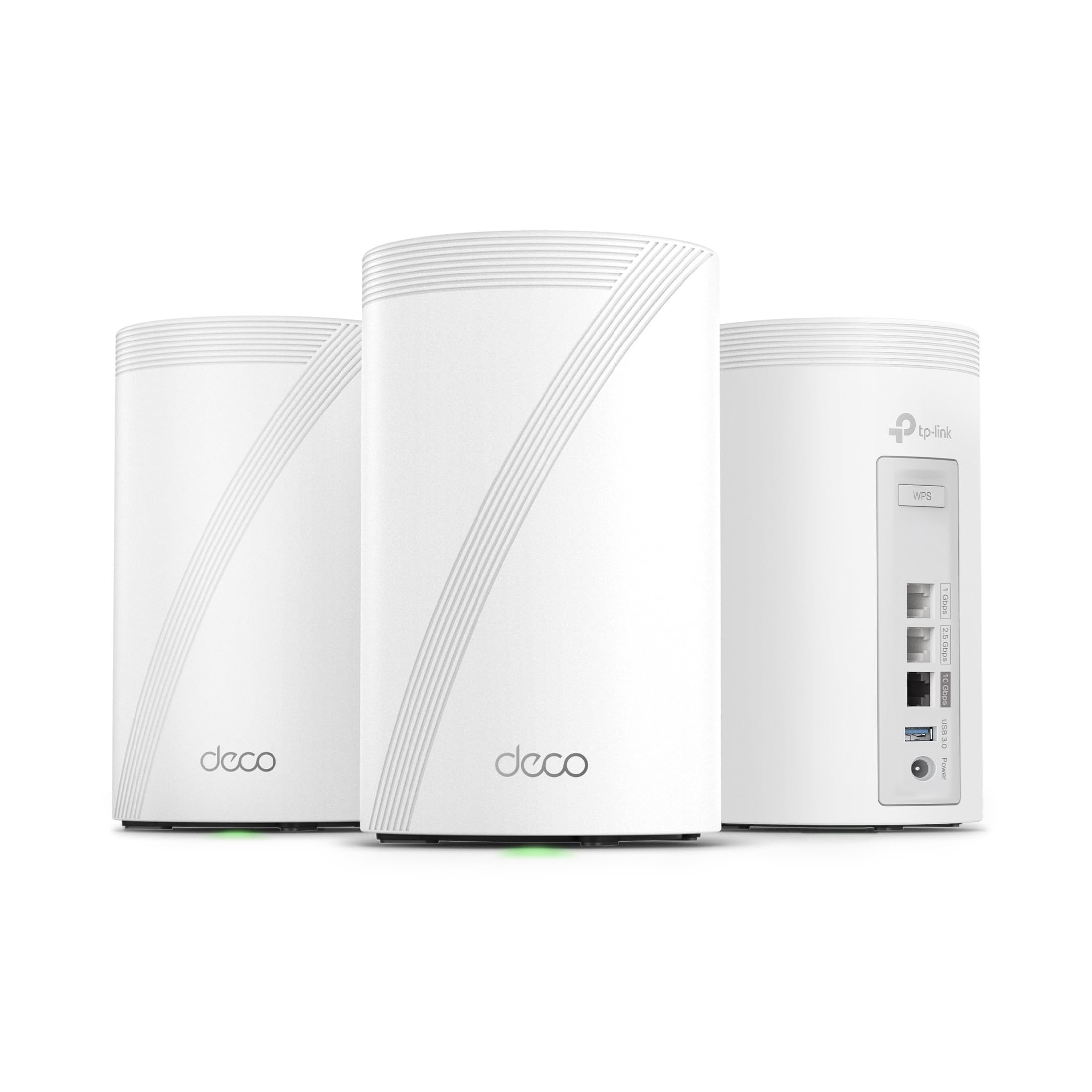
This is the flagship of the group, and the tri-band layout is the reason it costs more. A dedicated backhaul band keeps node-to-node traffic off the client radios, which matters in a long bungalow where the far node has to relay through the middle one. The 10 WAN/LAN ports across the kit mean wired devices can sit at every node rather than crowding a single switch, and the 10Gbps internet port future-proofs the setup for multi-gig fiber.
The 200-device capacity and 8,100 Sq.ft rating suit a large bungalow with a full smart-home load: cameras, thermostats, TVs, and work laptops all at once. Gamers and remote workers who notice latency spikes on a dual-band mesh will feel the difference. Buyers in a small one-bedroom bungalow will pay for headroom they never use.
Trade-off: The premium price only pays off if the internet plan and device count are heavy enough to stress a cheaper dual-band kit; light users will see little gain.
3. Paudao 16 Wire 18 Mesh Stainless Steel Window Screen
Type: Stainless steel insect screen
Mesh: 18 mesh, 16 wire
Material: Rustproof stainless steel
Size: 48"x50′
Use: Windows, doors, RV, patio
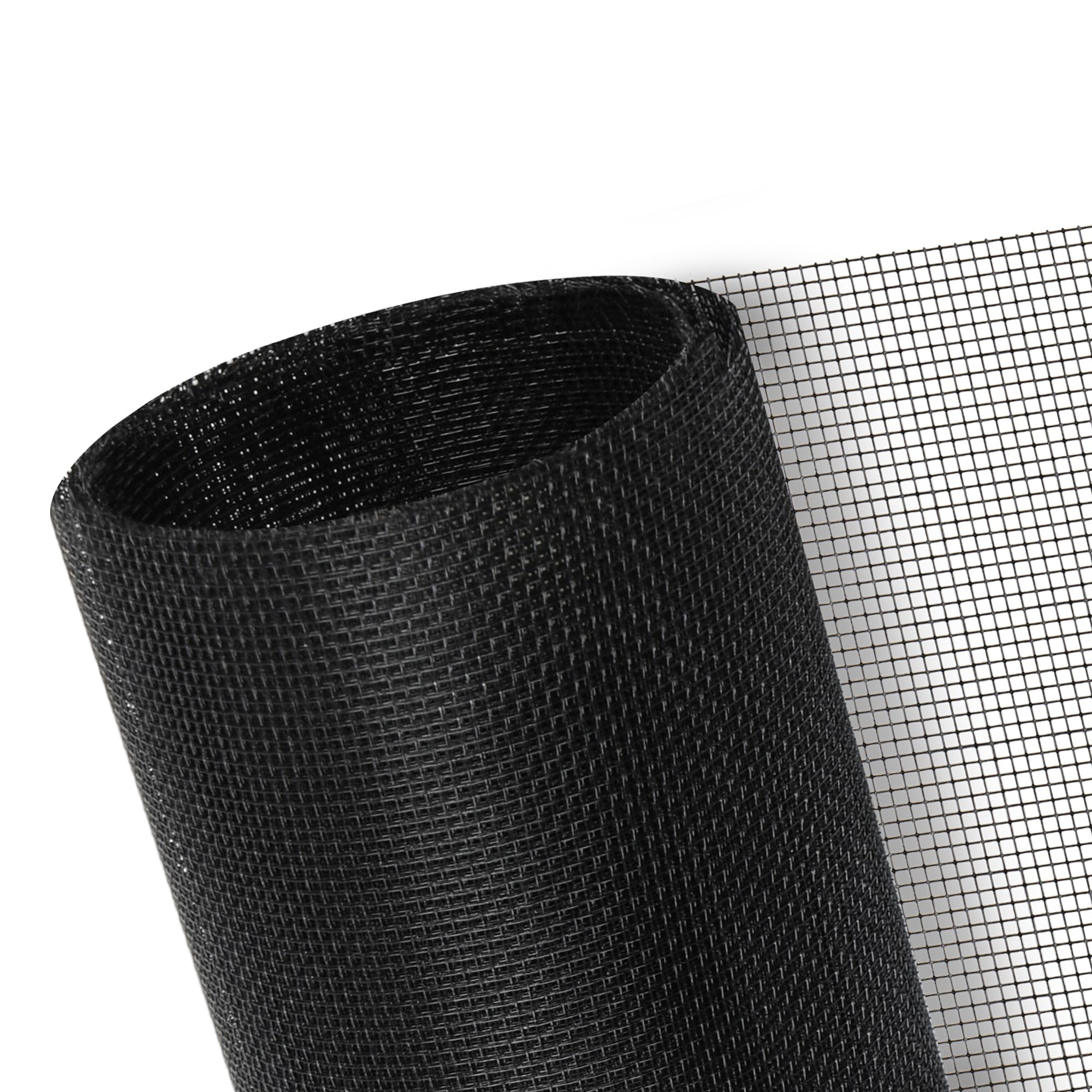
Not every "mesh" in a bungalow is a Wi-Fi node, and this pick covers the physical kind. The 18-mesh stainless steel weave blocks insects while staying see-through, and the rustproof construction holds up on exterior windows and doors through humid summers. The 48-inch by 50-foot roll is enough to re-screen several bungalow windows or a full patio door in one pass.
This suits homeowners refurbishing old bungalow windows or adding screens to a porch. The stainless weave resists tearing better than fiberglass and is the right call where pets or kids push against the screen. It is not a Wi-Fi product, so buyers shopping for network coverage should skip to the Deco picks.
Trade-off: Stainless screen is stiffer to work with than fiberglass and needs a spline tool and patience to seat cleanly in the frame channel.
4. Abimars Nano-Composite Bird Netting, 10′ x 20′
Type: Garden bird and insect netting
Material: Nano-composite mesh
Shade Rate: 30%
Size: 10′ x 20′
Color: Black
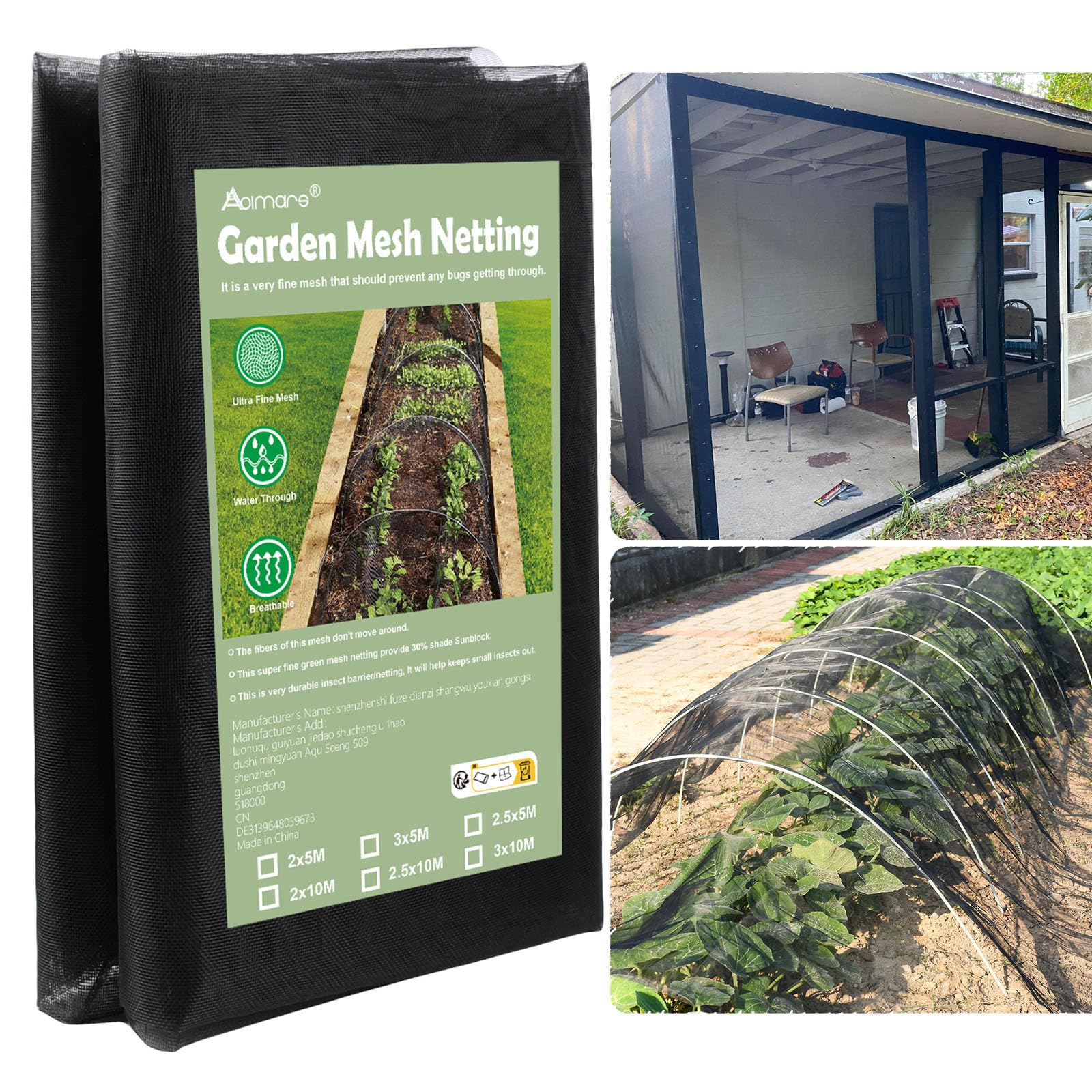
Bungalows usually come with a garden, and this netting protects it. The extra-thick nano-composite weave is built to drape over vegetables, fruit trees, and flower beds without snagging, and the 30% shade rate cuts harsh afternoon sun while still letting air and light through. The 10 by 20-foot panel covers a raised bed or a small patio in one piece.
This suits bungalow owners protecting a kitchen garden from birds and insects, or screening a balcony seating area. The black color blends into foliage and is less visible than white netting from the street. It is a seasonal cover, not a permanent structure, so buyers wanting a fixed enclosure should look at framed screen kits instead.
Trade-off: The lightweight mesh can sag between anchor points in wind, so it needs regular tie-downs or a frame to stay taut over a full season.
5. Clear View Garden Mesh Netting, 10 x 20ft
Type: Garden and patio insect netting
Material: PP nano mesh
Shade Rate: 33%
Size: 10 x 20ft
Color: Black
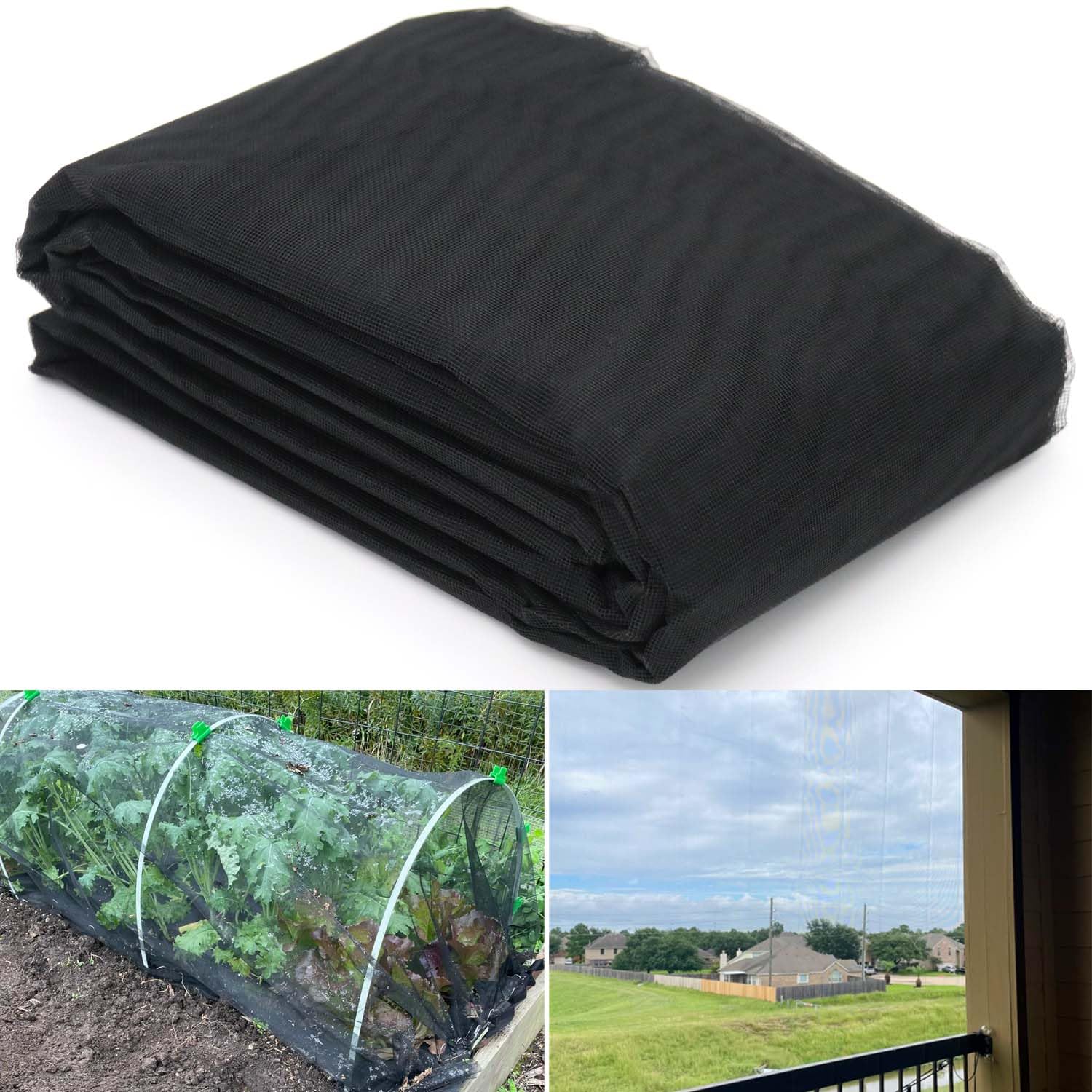
This is the budget option for bungalow gardeners, and the PP nano mesh keeps the price low without going flimsy. The clear-view weave blocks birds and mosquitoes while keeping visibility high, so plants underneath still get light and the bed stays easy to inspect. The 33% shade rate is close to the Abimars panel, making the two near-interchangeable for most garden jobs.
It suits apartment and bungalow dwellers screening a raised bed, porch, or balcony on a tight budget. The 10 by 20-foot size handles a single bed or a small seating area. Buyers covering a large garden will need more than one panel, and the lighter PP weave is best kept off sharp branches.
Trade-off: PP mesh stretches and UV-degrades faster than heavier composites, so it is a one-or-two-season cover rather than a long-term investment.
Before You Buy
- Coverage math: Vendor square-footage ratings assume open space. A bungalow with thick interior walls needs nodes placed closer together than the box suggests.
- Wired backhaul: Check whether the bungalow already has Ethernet or coax runs. A kit with 2.5G ports, like the BE25, performs far better hardwired.
- Device count: Count phones, TVs, cameras, and smart plugs before choosing. A 200-device rating is headroom, not a target.
- Band type: Tri-band kits reserve a radio for backhaul, which matters in long or multi-node bungalows. Dual-band kits are fine for smaller footprints.
- Physical mesh: For window and garden screening, match mesh size to the pest: 18 mesh for insects, 30–33% shade netting for birds and sun.
- Material care: Stainless screen resists rust for years; PP and nano-composite netting should be stored dry over winter to extend life.
- Port count: Count wired devices per room. Ten LAN ports across a three-pack beats a single router with four.
Frequently Asked Questions
-
How many mesh nodes does a bungalow need?
A typical two-to-three-bedroom bungalow is well served by a three-pack placed front, middle, and back. Larger or L-shaped layouts may need a fourth node or wired backhaul. -
Is Wi-Fi 7 worth it for a bungalow?
Wi-Fi 7 helps most when many devices share the network at once. Buyers with a handful of devices and a modest internet plan will see less benefit than those with multi-gig fiber and a full smart home. -
Can a mesh system work with wired backhaul?
Yes, and it is the best setup for a bungalow. Kits with 2.5G or 10G ports, like the BE25 and the Deco 7 Pro, let each node use an Ethernet run instead of relaying wirelessly. -
What is the difference between 18 mesh and 30% shade netting?
They serve different jobs. 18 mesh is a fine insect screen for windows, while 30–33% shade netting is a looser garden cover for birds and sun protection. -
Do these systems support VPN and parental controls?
The Deco BE25 lists VPN and HomeShield, which covers network-level filtering. The Deco 7 Pro lists AI-Roaming and 10Gbps internet; check the app feature list for the full parental-control set. -
Which pick is best for a small bungalow on a budget?
The Deco BE25 three-pack is the value choice for coverage, and the Clear View netting is the budget pick for garden screening.
Bottom Line
For most bungalow owners, the Deco BE25 3-Pack is the best mesh system for a bungalow: it covers a typical footprint, offers 2.5G wired backhaul, and adds Wi-Fi 7 features without the flagship price. Buyers with a large home and a heavy device load should step up to the Deco 7 Pro Tri-Band BE14000, while gardeners can pair either with the stainless Paudao screen or a shade netting panel for the physical mesh a bungalow needs.
