Why there are Amazon links here: Brave Review is paid a commission for qualifying Amazon purchases made through the links below. Your price does not change, and using our links is entirely optional. How this works
Dreame D20 Air Plus Robot Vacuum and Mop: 120 Days Without Touching Dust
The Dreame D20 Air Plus is a robot vacuum and mop built around one idea: the owner should not have to think about dust for months at a time. Its self-emptying base holds a 4L bag that the brand rates for 120 days of debris, and the vacuum carries 20,000Pa of suction plus anti-tangling tech for hair. This review covers the specifications, how the self-emptying system and navigation work in daily use, and where the machine falls short. Buyers who want a hands-off floor cleaner for a mix of carpet and hard flooring are the target audience here.
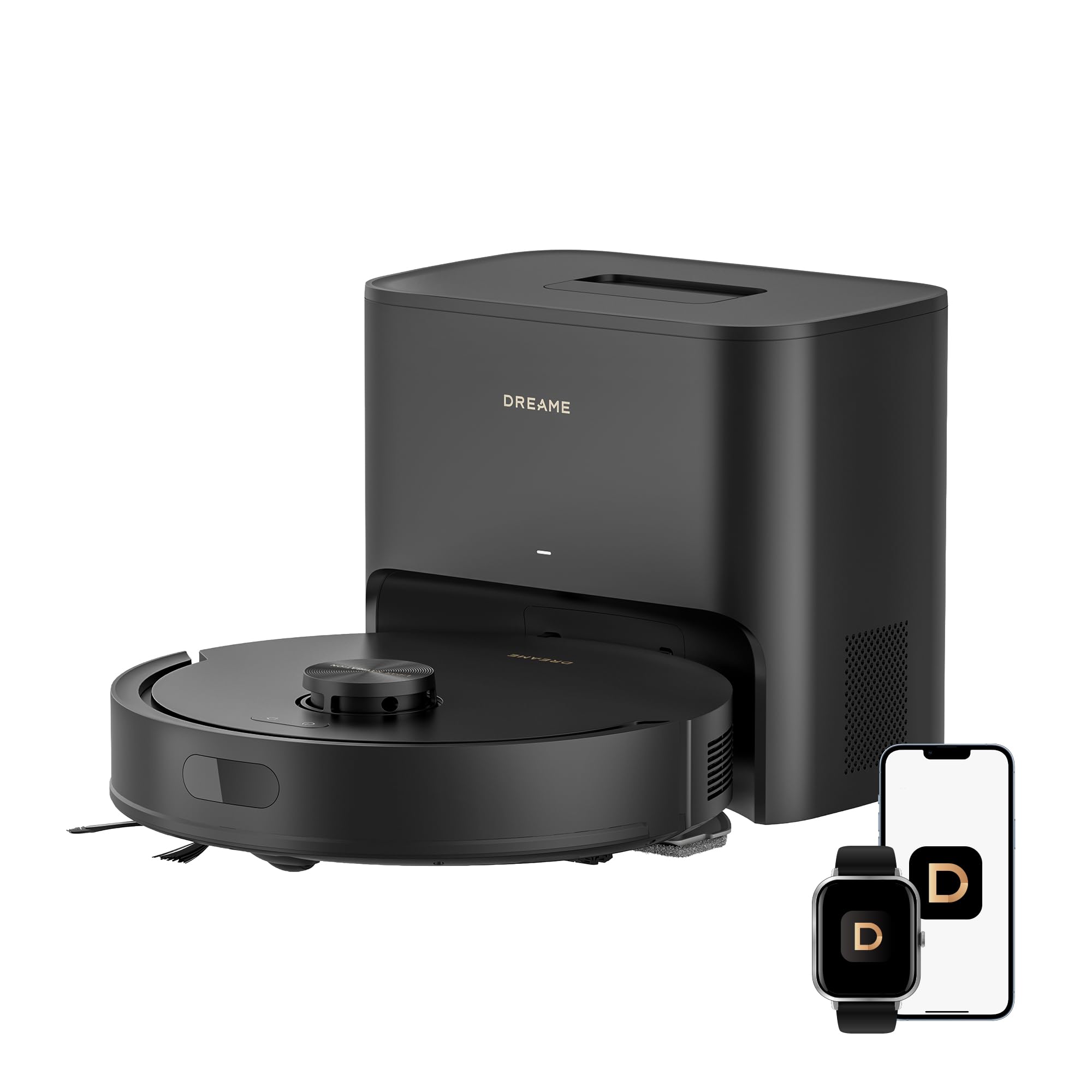
Features and Specifications
Type: Robot vacuum and mop combo
Self-Emptying: 120-day rating with a 4L dust bag
Suction: 20,000Pa
Navigation: 360° navigation
Cleaning Coverage: Edge-to-corner cleaning
Flooring: Deep carpet cleaning; hard floor mopping
Hair Handling: Anti-tangling tech
The numbers that matter most sit at opposite ends of the machine. The 20,000Pa suction figure is the headline for carpet owners, while the 4L bag and its 120-day rating are the headline for anyone who dislikes emptying a dustbin every couple of days. Both are brand-stated figures, and both describe a machine positioned well above entry-level robot vacuums.
The rest of the spec sheet fills in how the unit reaches the dirt. Anti-tangling tech targets hair wrap on the brush, edge-to-corner cleaning describes the brush and side reach along walls and into corners, and 360° navigation is the mapping layer that lets the robot plan a route rather than bounce around at random. Mopping is included alongside vacuuming rather than sold as a separate add-on.
Build and Self-Emptying Design
The defining hardware choice on the D20 Air Plus is the docking base. A 4L dust bag inside the base collects what the robot pulls off the floor, and the brand rates that bag for 120 days of typical use. That changes the ownership rhythm: instead of emptying a small onboard bin after every run or two, the owner swaps a bag roughly four times a year.
The trade-off is footprint. A self-emptying base is a substantial tower compared with a plain charging dock, and it needs a permanent wall location with clearance around it. Buyers in a small apartment or a crowded hallway should measure the spot before committing, because the base is the part of this system that cannot be tucked away.
There is also a running-cost dimension that buyers tend to overlook. Bags are consumables, so the 120-day figure is a convenience the owner pays for over time rather than a one-time feature. That is a fair trade for many households, but it is a real cost line that a bagless robot vacuum does not carry.
Capacity and Suction for Carpet and Hard Floors
Suction is where this machine separates itself from budget robots. At 20,000Pa, the D20 Air Plus is built for deep carpet cleaning, meaning it should pull embedded grit and pet hair out of pile rather than just skimming the surface. Households with area rugs or wall-to-wall carpet are the buyers who will feel that difference most.
The 4L bag capacity pairs with the suction in a useful way. High suction pulls more debris out of carpet, which fills a bin faster; a large bag absorbs that volume so the owner is not emptying constantly. The two figures are complementary, not independent selling points.
Hard flooring is covered by the mop function, which handles the routine damp pass that keeps tile and sealed wood looking maintained. Buyers should read mopping on any robot as a maintenance wipe rather than a scrub — it is not a substitute for a manual deep clean of sticky or dried-on messes.
Edge-to-Corner Cleaning and Anti-Tangle Tech
Edge-to-corner cleaning is the spec that addresses the most common complaint about robot vacuums: clean middles and dirty perimeters. The design intent is to reach along baseboards and into corners where dust collects, so the owner is not left running a manual vacuum along the walls after every robot pass.
Anti-tangling tech targets the other recurring frustration, hair wrapped around the brush roller. Long hair and pet fur are the usual culprits, and a brush that resists wrap means fewer interruptions and less cutting hair off a roller by hand. It reduces the problem rather than eliminating it, and long-haired households should still expect occasional maintenance.
Power and Navigation
The 360° navigation system is the planning layer. Rather than moving randomly, the robot maps the space and works through it in an organized way, which matters in multi-room homes where a random-path robot can spend its battery in one area. It also underpins the edge-to-corner behavior, since reaching perimeters deliberately requires knowing where the walls are.
Suction at 20,000Pa has a practical consequence for runtime. High power draw shortens battery life per charge, and large homes may need the robot to recharge and resume mid-job. Buyers with big floor plans should plan on that pattern rather than expecting a single uninterrupted pass.
Noise is the other side of the power figure. A vacuum pulling this much suction is audible, so scheduling runs while the house is empty is the sensible approach for anyone who works from home.
Maintenance and Everyday Ownership
Day-to-day maintenance on the D20 Air Plus is intentionally light. The bag swap every few months is the main recurring task, and the anti-tangle brush reduces how often the roller needs attention. The mop side adds its own routine: the water tank needs filling and the mopping pad needs cleaning or replacing.
The consumables list is worth planning for. Dust bags and mop pads are recurring purchases, and the 120-day bag rating assumes typical use rather than a heavy-shedding pet household. Buyers with multiple pets should expect to change bags more often than the headline figure suggests.
Trade-off: The self-emptying base and its bag supply add permanent floor footprint and ongoing consumable cost, so buyers with tight space or a preference for bagless operation are paying for convenience they may not want.
Who the Dreame D20 Air Plus Suits
This machine fits households with a real mix of carpet and hard flooring who want the vacuum to run largely unattended. The combination of deep carpet suction, a large self-emptying bag and anti-tangle tech is aimed squarely at busy homes with pets or long hair in the household.
It is not the right pick for buyers in very small spaces, where the base tower is a poor fit, or for anyone who wants to spend as little as possible and is happy emptying a bin by hand. It is also not a replacement for a proper mop on tough, dried-on kitchen messes.
Check the current price of the Dreame D20 Air Plus on Amazon
FAQ
-
Is the Dreame D20 Air Plus a vacuum and mop in one machine?
Yes. It vacuums and mops in a single unit, with the mop handling routine damp cleaning on hard floors alongside the vacuum’s carpet work. -
How long does the dust bag last?
The brand rates the 4L bag for 120 days of self-emptying. Heavy-shedding pet households should expect to replace it more frequently than that figure. -
Does it work well on carpet?
Deep carpet cleaning is one of its stated capabilities, backed by 20,000Pa of suction. That power level is aimed at pulling debris out of pile rather than surface cleaning only. -
Will hair wrap around the brush?
Anti-tangling tech is built in to reduce hair wrap on the brush roller. It lowers the frequency of manual cleaning but does not make brush maintenance disappear entirely. -
Does it need a permanent spot for the base?
Yes. A self-emptying base is a fixed tower that needs wall space and clearance, so the docking location should be planned before purchase. -
How does it navigate around a home?
360° navigation maps the space so the robot cleans in an organized pattern rather than randomly, which helps in multi-room layouts. -
Does it clean along walls and into corners?
Edge-to-corner cleaning is a stated feature, designed to reach perimeters and corners rather than leaving them to a manual pass. -
Are dust bags a recurring cost?
Yes. Bags are consumables, so the self-emptying convenience carries an ongoing supply cost on top of the purchase price. -
Is it loud enough to matter?
A vacuum with this level of suction is audible in operation. Scheduling runs when the house is empty is the practical approach. -
Who should skip this model?
Buyers in very tight spaces, or those who want the lowest possible cost and do not mind emptying a bin manually, get less value from the self-emptying design.
Bottom Line
The Dreame D20 Air Plus is the pick for buyers who want carpet-grade suction and months of hands-off debris storage in one machine. Its 20,000Pa suction, 4L self-emptying bag and anti-tangle brush cover the three things that make robot vacuums annoying to own, and the trade-off is base footprint plus bag consumables. Households with carpet, pets and a permanent spot for the dock will get the most from it.
