Why there are Amazon links here: Brave Review is paid a commission for qualifying Amazon purchases made through the links below. Your price does not change, and using our links is entirely optional. How this works
iRobot Roomba 705X Robot Vacuum & Mop Combo: A Dock That Does the Dirty Work
The iRobot Roomba 705X is a vacuum and mop combo built around a multifunction dock that empties the bin, washes the mop roller and dries it with heat. It suits households with pets, hard floors and a busy schedule, where the biggest obstacle to a robot vacuum is the maintenance it creates. This review covers the specifications, what the dock actually changes about ownership, and where the machine is more than a typical buyer needs.
Features and Specifications
Type: Robot vacuum and mop combo
Suction: 175x more suction (as stated by iRobot)
Mop System: Extending, self-cleaning roller mop
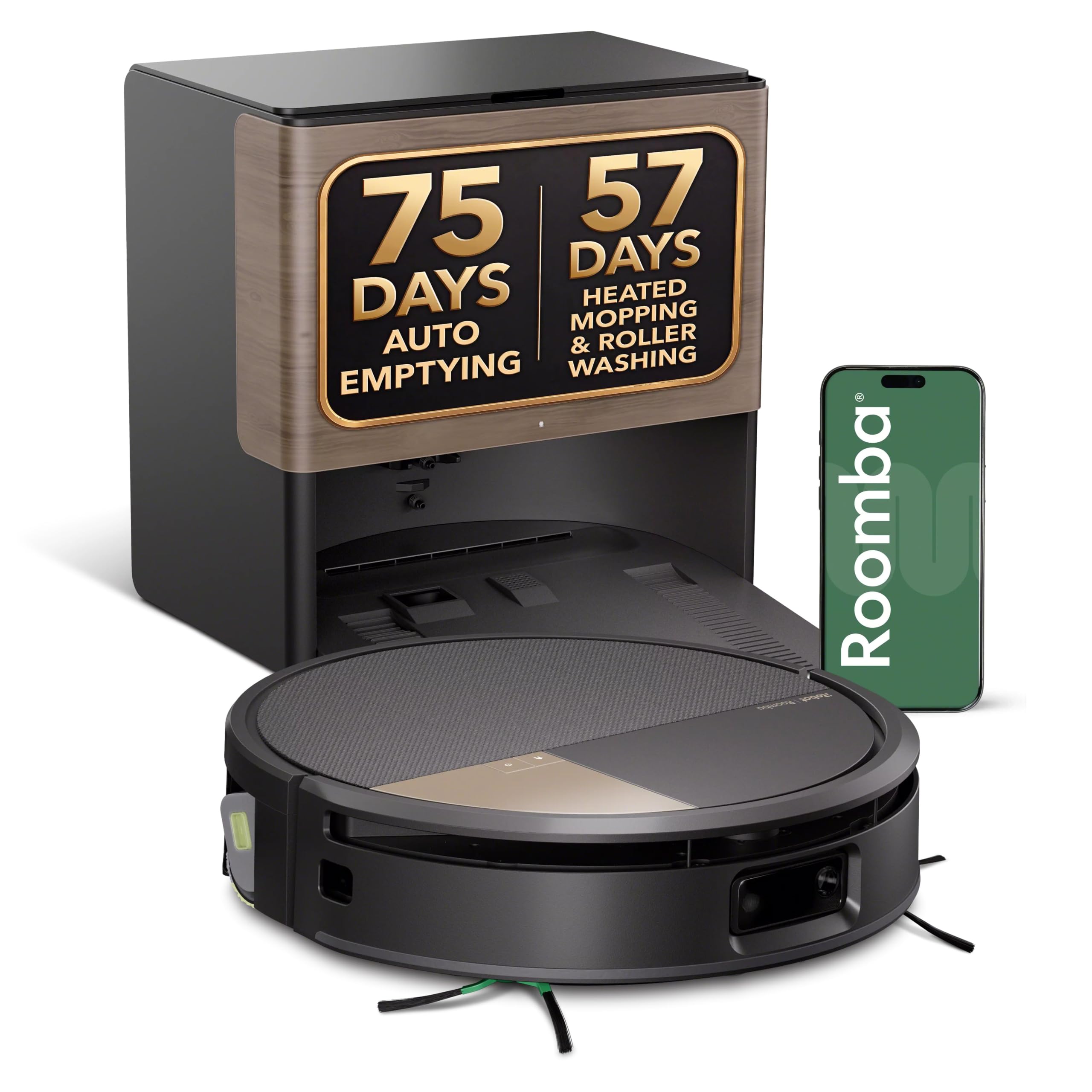
Dock: Multifunction — self-emptying, hot wash, hot dry
Self-Emptying: Up to 75 days
Obstacle Avoidance: AI-based
Best For: Pet hair on mixed floors
The headline figure is the suction claim, which iRobot states as 175x more than an earlier generation. That kind of multiplier is a comparison against the company’s own older hardware rather than an absolute measure, so it should be read as "a big step up" rather than a number that can be checked against another brand. What matters for a buyer is the combination: strong pickup plus a mop that extends to reach edges.
The dock is the real specification here. A multifunction dock that empties the bin, washes the roller with hot water and dries it with heat removes the three chores that make robot vacuums feel like work. The 75-day self-emptying figure means the bin is a quarterly errand rather than a weekly one, though that estimate assumes typical household debris levels.
Trade-off: The multifunction dock is large and needs floor space, a power outlet and a water supply arrangement nearby, so it does not tuck into a narrow gap the way a plain charging base does.
What the Multifunction Dock Changes
The dock is the reason this machine costs what it does, and it is worth understanding what it actually does across a week of ownership. Self-emptying moves debris from the robot’s small onboard bin into a larger sealed bag or container in the dock, which is why the emptying interval stretches to roughly 75 days. Hot washing runs the roller mop through a cleaning cycle after a mopping run, and hot drying follows so the roller does not sit damp.
For buyers with pets, that drying step matters more than it sounds. A damp mop roller left in a machine is a smell waiting to happen, and heat drying is the feature that prevents it. The self-cleaning cycle also means the roller goes back out relatively fresh rather than redistributing yesterday’s dirt.
The cost of all this is footprint. A dock with water and waste handling is a substantial piece of furniture, and it needs to sit somewhere with clearance on all sides. Buyers in a small apartment should measure the intended spot before ordering rather than after.
Vacuum Performance and the 175x Suction Claim
The 175x suction figure is the marketing headline, and the practical read is that this is a machine built for serious pickup rather than light dusting. Pet hair is the stated target, and pet hair is the hardest common debris because it mats, clings and wraps around brushes. The suction combined with a roller design is what a buyer is paying for on carpet and rugs.
AI obstacle avoidance is the other performance feature worth noting. It is the difference between a robot that bumps its way around a room and one that routes around cables, shoes and pet bowls. For a household with floor clutter, that reduces the rescue missions and the tangled-cable stops.
The caution here is expectations. No robot vacuum replaces a full-size vacuum for deep carpet cleaning, and the suction claim does not change that. Buyers with wall-to-wall plush carpet and heavy shedding should treat this as a maintenance machine between proper vacuums, not a replacement for one.
Trade-off: Performance claims of this type are relative to iRobot’s own earlier models, so buyers comparing against another brand’s top model will not find a like-for-like number here.
The Extending Self-Cleaning Roller Mop
The mop is a roller design that extends to reach along edges and into corners, which addresses the standard weakness of robot mops — the strip of floor along the skirting board that never gets touched. Extension means the roller can push out past the chassis rather than relying on the robot’s body to get close enough.
A roller mop also handles liquid and semi-solid mess differently from a flat vibrating pad. It picks material up into the roller rather than smearing it around, and the self-cleaning cycle then flushes the roller in the dock. For kitchens and entryways, that is the more useful design.
The limitation is the same one every robot mop carries: it is a maintenance mop, not a scrubber. Dried-on spills and grout lines need a human. Buyers expecting a robot to replace mopping entirely will be disappointed; buyers expecting it to keep hard floors presentable between proper cleans will not be.
AI Obstacle Avoidance and Navigation
AI obstacle avoidance is the feature that determines how much babysitting the machine needs. Cameras and onboard processing identify objects and route around them rather than treating everything as a wall to bump into. In practice, that means fewer interrupted runs and less pre-cleaning before a scheduled cycle.
Navigation also decides coverage. A machine that maps a room and runs in systematic passes covers more floor per charge than one that wanders. The combination of mapping and obstacle avoidance is what lets a buyer schedule a run and leave the house.
The caution is that obstacle avoidance is not obstacle immunity. Thin cables, pet waste and small toys remain the classic failure cases for any robot vacuum, and no AI feature changes the fact that a five-minute floor tidy before a run saves a twenty-minute cleanup after one.
Maintenance and Running Costs
The dock does most of the routine maintenance, but not all of it. The onboard bin still needs occasional attention, the roller needs replacement over time, and the dock’s water and waste containers need filling and emptying on a schedule. Consumables — rollers, filters, bags or dock liners — are an ongoing cost that buyers should factor in alongside the purchase price.
The 75-day emptying interval is a convenience estimate, not a guarantee. Households with heavy pet hair will fill the dock container faster than a single-person apartment, and the interval should be treated as a best case.
Trade-off: Consumables and dock supplies are a recurring expense that a simpler robot vacuum does not carry, so the total cost of ownership runs higher than the sticker price suggests.
Who the Roomba 705X Suits — and Who It Does Not
This machine suits pet owners with a mix of carpet and hard flooring who want vacuuming and mopping handled between proper cleans, and who value not touching a dirty mop roller. It also suits buyers who will actually use scheduling — the dock’s benefits compound when the robot runs often.
It does not suit buyers in very small spaces where the dock cannot be placed with clearance. It does not suit anyone expecting a robot to replace deep carpet cleaning or scrubbing. And it does not suit buyers on a tight budget, because the dock is where most of the money goes and a simpler robot vacuum delivers the core vacuuming for far less.
FAQ
-
Does the iRobot Roomba 705X vacuum and mop at the same time?
It is a combo unit with both a vacuum system and an extending roller mop, but the two functions are run as separate cleaning jobs rather than simultaneously. Buyers schedule vacuum runs and mop runs according to floor type. -
How often does the Roomba 705X need to be emptied?
The self-emptying dock is rated for up to 75 days between bin empties. That figure assumes typical household debris; homes with heavy pet hair will need to empty the dock container more often. -
Does the dock really wash and dry the mop roller?
Yes — the multifunction dock runs a hot wash cycle on the roller and follows with hot drying. That is the feature that prevents a damp roller from sitting in the machine and developing odors. -
Is the Roomba 705X good for pet hair?
Pet hair is the stated use case, and the combination of high suction and a roller mop is well suited to it. The drying cycle also helps with the odor problem that wet pet hair can create on a mop. -
Will the Roomba 705X avoid cables and pet bowls?
It uses AI obstacle avoidance to route around objects rather than bumping through them. Thin cables and small items remain a risk for any robot vacuum, so a quick floor tidy before a run is still worthwhile. -
How much floor space does the multifunction dock need?
The dock is a substantial unit with water and waste handling, so it needs clearance on all sides plus a power outlet nearby. Buyers in small apartments should measure the intended location before ordering. -
Does the extending mop reach edges and corners?
The roller mop extends to reach along edges, which addresses the strip of floor near skirting boards that fixed mops miss. It improves edge coverage rather than eliminating the need for occasional manual detailing. -
What ongoing costs should buyers expect?
Rollers, filters and dock supplies are consumables that need periodic replacement. These are a recurring cost on top of the purchase price and should be budgeted for. -
Can the Roomba 705X replace a regular vacuum?
No. It is a maintenance machine for between proper cleans. Deep carpet cleaning and scrubbing dried spills still require a full-size vacuum and a manual mop. -
Who should skip the Roomba 705X?
Buyers in very small spaces, buyers on a tight budget, and anyone expecting a robot to fully replace manual cleaning. A simpler robot vacuum covers core vacuuming for considerably less.
Bottom Line
The iRobot Roomba 705X is the pick for pet owners who want vacuuming and mopping handled without touching a dirty roller — the multifunction dock earns its footprint by emptying, hot-washing and hot-drying on its own. Buyers with the floor space and the budget for consumables get a genuinely low-maintenance machine; buyers in small spaces or on a tight budget should look at a simpler robot vacuum instead.
