Why there are Amazon links here: Brave Review is paid a commission for qualifying Amazon purchases made through the links below. Your price does not change, and using our links is entirely optional. How this works
Best mmWave Presence Sensor for a Room: 5 Picks That Detect Stillness
A mmWave presence sensor for a room solves the problem PIR motion sensors never could: it keeps lights and routines alive when a person is sitting still. This roundup covers five picks across Zigbee, Thread, Wi-Fi and Matter, from a sub-$20 budget radar to a wired zone-tracking unit for automations. It suits three buyer types — the Home Assistant tinkerer on a bare-bones hub, the Apple Home user who wants native HomeKit, and the renter who needs a battery sensor and no wiring. The overview table below sorts all five in under a minute.
The 5 Picks at a Glance
| Product | Key Spec | Best Use | Price Tier |
|---|---|---|---|
| Akamatis Litos v3 | mmWave, 2.4 GHz Wi-Fi, adjustable sensitivity | Home Assistant rooms on Wi-Fi only | Budget |
| Aqara FP300 | 5-in-1, Thread & Zigbee, HomeKit | Apple Home and multi-protocol setups | Mid |
| Aqara FP2 | Wired mmWave, zone positioning, fall detection | Large rooms needing zones | Mid-premium |
| Zigbee Human Presence Sensor | mmWave radar, Zigbee hub required | Cheap automation on SmartThings or Hubitat | Budget |
| LWR02 5-in-1 | PIR + mmWave, Matter over Thread, IPX3 | Bathrooms and kitchens with splash risk | Mid |
1. Akamatis Human Presence & Light Sensor Litos v3
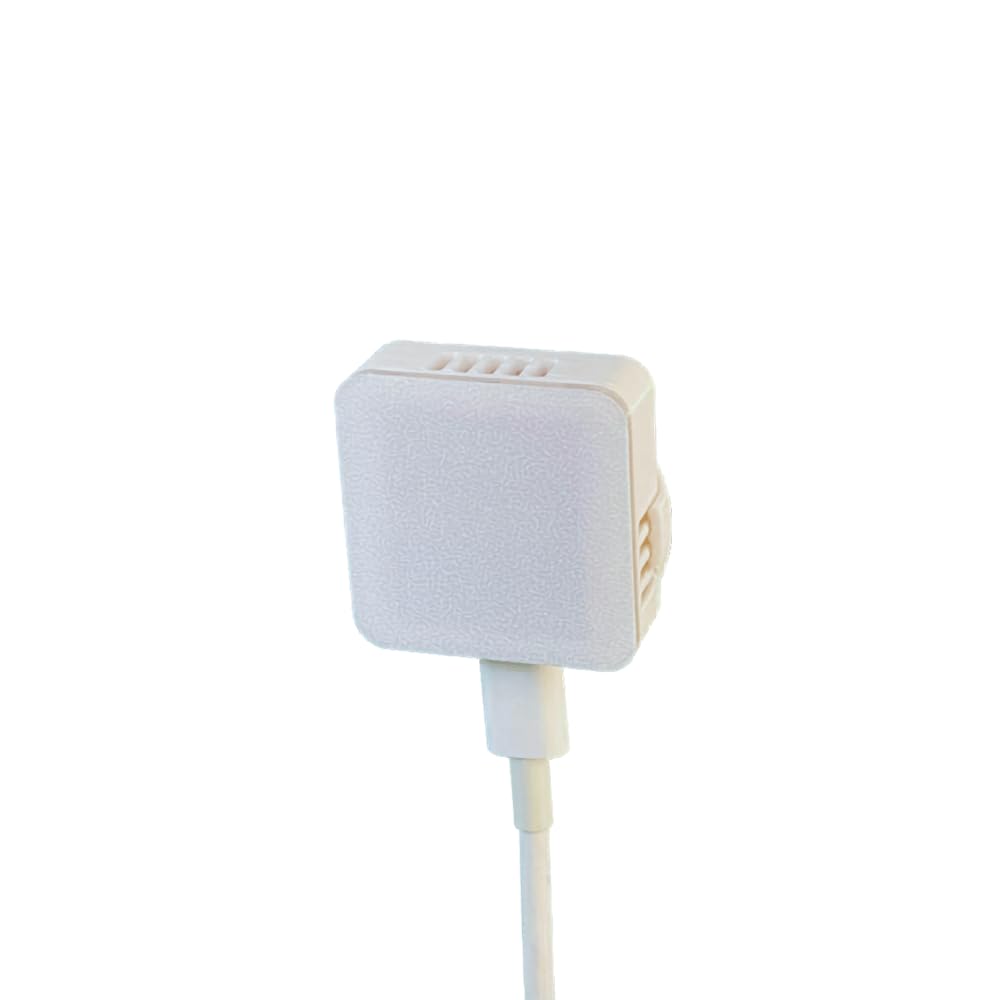
Protocol: 2.4 GHz Wi-Fi
Sensing: mmWave radar with adjustable sensitivity
Extras: Ambient light sensing
Hub Requirement: Home Assistant
Pack Size: 1 pack
Color: White
Akamatis Human Presence & Light Sensor Litos v3 is the cheapest way into mmWave without buying a Zigbee or Thread radio, because it talks directly over 2.4 GHz Wi-Fi. The adjustable sensitivity control matters in small rooms, where a fixed-threshold radar tends to read through thin walls. The light sensor lets automations ignore the radar when a room is already bright. It is built for the Home Assistant crowd and assumes a working HA install before it does anything useful.
That hub requirement is the whole story here. Buyers without Home Assistant will find no app-based onboarding, so this is a pick for the tinkerer, not the plug-and-play household. The Wi-Fi radio also means one more device on the router and no mesh-friendly battery life.
Trade-off: Wi-Fi radar draws constant power and needs a permanent outlet nearby, so a room with no socket near the ceiling corner is a poor fit.
Check the current price on Amazon
2. Aqara Presence Sensor FP300
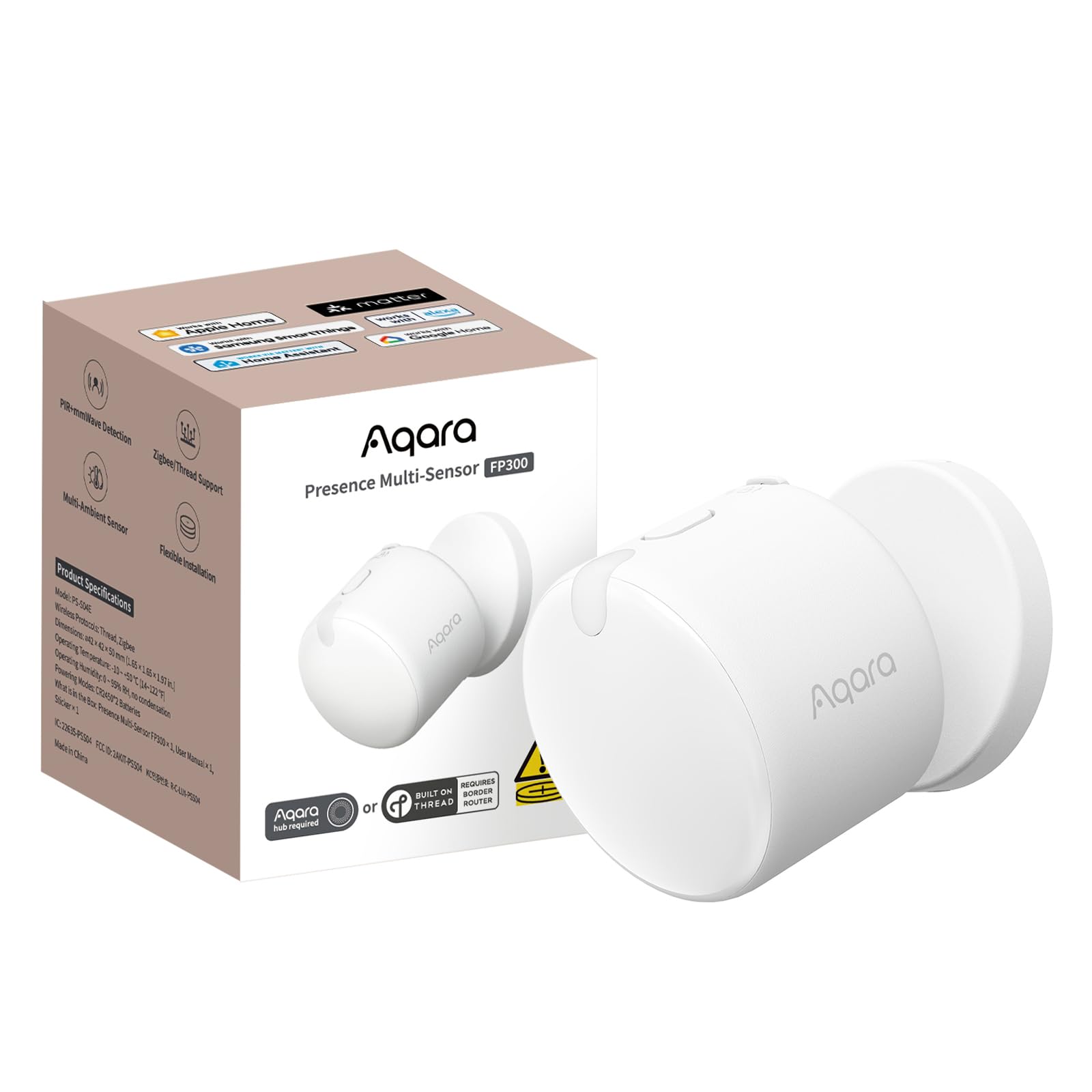
Sensing: mmWave plus PIR
Detection: Light, temperature and humidity
Protocol: Thread and Zigbee
Ecosystems: HomeKit, Home Assistant, Alexa, Google Home
Power: Wireless
Form Factor: 5-in-1 sensor
Aqara Presence Sensor FP300 is the pick for anyone who wants one sensor to do the work of four. It layers PIR on top of mmWave, which cuts the false triggers a radar-only unit produces in a room with a ceiling fan or a swaying curtain. Light, temperature and humidity readings mean a single device can drive lighting, climate and comfort routines. Thread and Zigbee in one body make it the most flexible protocol choice in this group.
The wireless build is the reason it earns a slot for renters and retrofits, where running cable to a ceiling corner is not an option. HomeKit support is native rather than bridged, which matters to Apple households that have been stuck with workarounds.
Trade-off: Five sensors in one compact body usually means the temperature and humidity readings sit close to the electronics and drift in a small, sealed room, so they are better for trends than for precision.
Check the current price on Amazon
3. Aqara Presence Sensor FP2

Protocol: 2.4 GHz Wi-Fi
Sensing: Wired mmWave radar
Features: Zone positioning, multi-person detection, fall detection
Ecosystems: HomeKit, Alexa, Google Home, Home Assistant
Power: Wired
Mounting: Fixed installation
Aqara Presence Sensor FP2 is the most capable unit here and the only one that segments a room into zones. Zone positioning lets automations treat a desk area differently from a doorway, which is the difference between a sensor that turns the light on and one that knows where the person is standing. Multi-person tracking and fall detection push it toward elder-care and multi-occupant setups. It is wired, so it stays powered and never sleeps.
This is the pick for a large living room or an open-plan space where a single detection bubble is too blunt. It is also the one to skip if the room has no ceiling or wall power, or if the household wants a five-minute install.
Trade-off: The premium price and wired install make it overkill for a small bedroom, and zone setup takes real tuning before the automations behave.
Check the current price on Amazon
4. Zigbee Human Presence Sensor
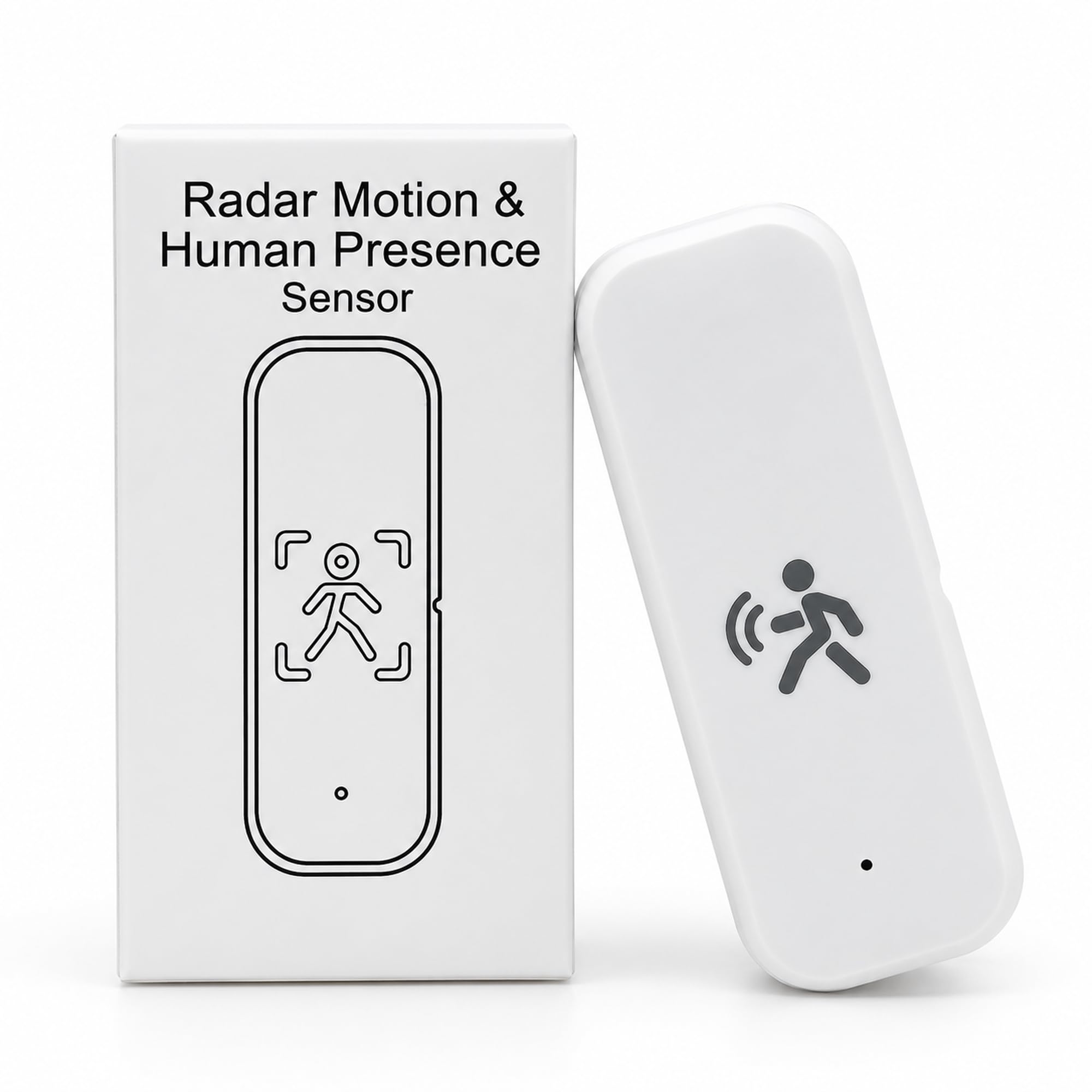
Sensing: Millimeter wave radar
Detection: Stationary person detection
Protocol: Zigbee
Hubs: Home Assistant, SmartThings, Hubitat, Echo with built-in Zigbee hub
Power: Hub-powered Zigbee device
Zigbee Human Presence Sensor is the budget radar for households already running a Zigbee mesh. Stationary-person detection is the headline: it holds presence for someone reading or working at a desk instead of dropping out after the motion stops. The Zigbee radio keeps it off the Wi-Fi network and lets it join an existing mesh. It works with the four hub families named in the listing, which covers most smart-home stacks.
This is the value pick for a home office or a hobby room where the only goal is "keep the light on while someone is in the chair." Buyers with no Zigbee coordinator should look elsewhere, since this sensor has nothing to talk to on its own.
Trade-off: At this price the enclosure and mounting bracket are basic, and the radar has no zone or distance tuning, so it detects presence in a rough bubble rather than a defined area.
Check the current price on Amazon
5. LWR02 5-in-1 Presence Sensor
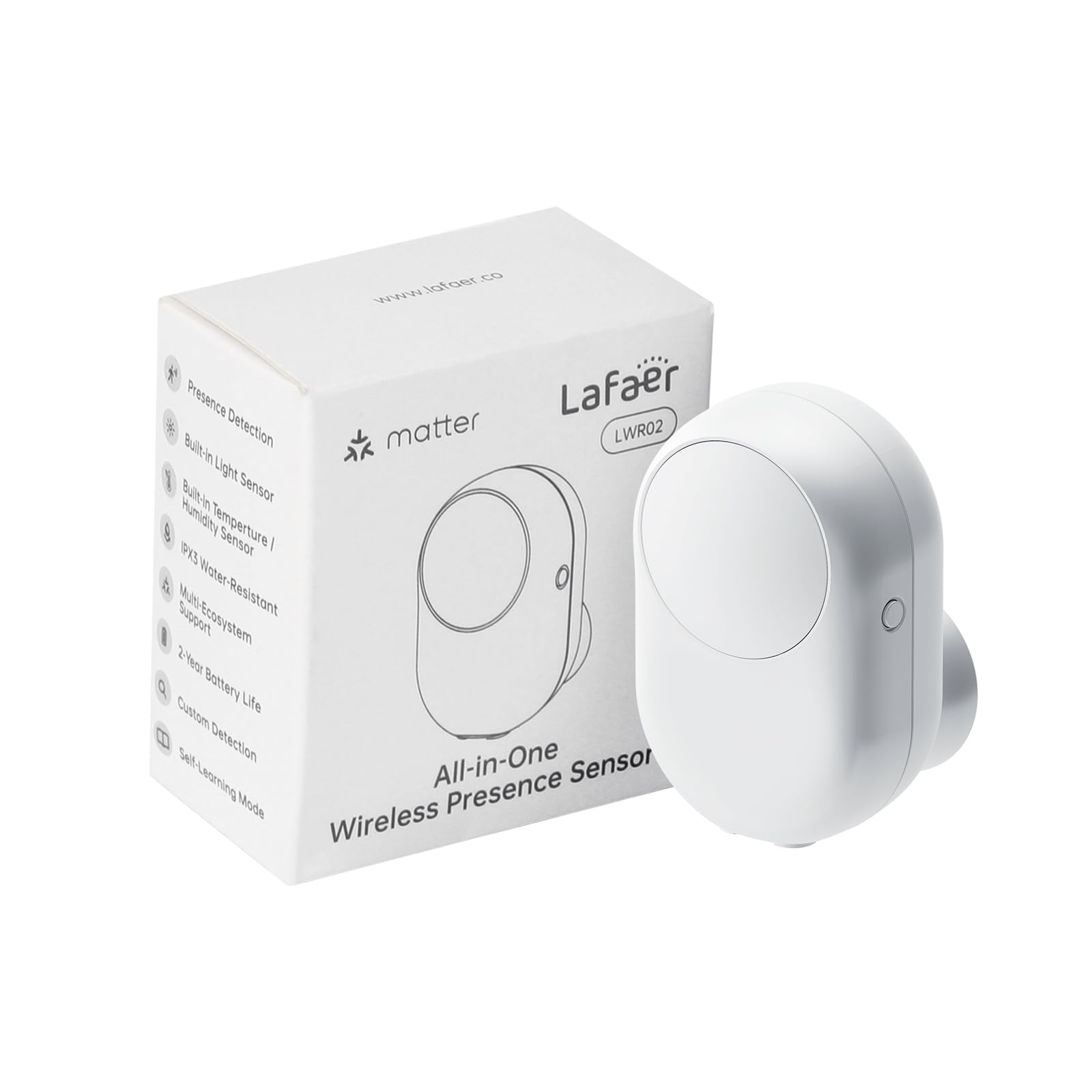
Sensing: PIR plus mmWave radar
Protocol: Matter over Thread
Rating: IPX3 splash-proof
Power: Battery
Compatibility: Wide smart home support via Matter
Form Factor: 5-in-1 sensor
LWR02 5-in-1 Presence Sensor pairs PIR with mmWave to reduce false triggers, the same dual-sensor logic as the FP300 but with a different protocol story. Matter over Thread makes it the most future-proof choice for a household that wants one standard across brands. The IPX3 splash rating opens up bathrooms and kitchens, where most radar sensors have no business being. Battery power keeps it off the mains entirely.
This is the pick for a bathroom, a laundry room or any space with humidity and no convenient outlet. It is also the one to choose if the household is standardizing on Matter and does not want another vendor app.
Trade-off: Matter over Thread needs a Thread border router in the home, and battery-powered radar trades update frequency for runtime, so very fast automations can feel a beat slow.
Check the current price on Amazon
Before You Buy
- Protocol: Match the sensor to the hub already in the home — Zigbee for SmartThings or Hubitat, Thread for a Matter setup, Wi-Fi for Home Assistant only.
- Power: Wired units stay awake and respond fastest; battery units install anywhere but update less often.
- Sensing type: PIR plus mmWave cuts false triggers from fans and curtains; radar alone is cheaper but twitchier.
- Room size and zones: A single-bubble sensor suits a bedroom; zone positioning is worth the premium only in large or open-plan rooms.
- Environment: Bathrooms and kitchens need a splash rating; a plain sensor will not last near steam.
- Mounting: Check ceiling versus wall placement and whether the bracket is included before committing to a wired install.
- Ecosystem: HomeKit, Alexa and Google Home support varies by model, so confirm native support rather than assuming a bridge.
Frequently Asked Questions
-
What does a mmWave presence sensor do that a PIR sensor cannot?
A PIR sensor triggers on motion and drops out when a person stops moving. A mmWave radar detects a stationary person by reading small movements like breathing, so lights stay on while someone sits still. -
Does a mmWave presence sensor detect through walls?
Radar can read through thin drywall and glass, which is why adjustable sensitivity and careful placement matter. A sensor mounted too close to a shared wall may trigger on the room next door. -
Which pick works with Apple HomeKit?
The Aqara FP300 and FP2 both list native HomeKit support. The budget Zigbee sensor and the Akamatis Litos v3 do not, so Apple households should start with the Aqara units. -
Is a hub required?
Yes for most of these. The Zigbee sensor needs a Zigbee coordinator, the LWR02 needs a Thread border router, the Akamatis needs Home Assistant, and the FP2 runs on Wi-Fi with no separate hub. -
Can a mmWave sensor go in a bathroom?
Only with a splash rating. The LWR02 carries an IPX3 rating and is the safe choice; the others are better kept in dry rooms. -
Do these sensors replace a motion sensor entirely?
In most rooms, yes. A dual PIR plus mmWave unit covers both fast motion and stillness, which is why the FP300 and LWR02 are the easiest swaps.
Bottom Line
For most rooms, the Aqara Presence Sensor FP300 is the best mmWave presence sensor for a room: dual PIR and radar sensing, five detection types in one body, and native HomeKit, Alexa and Google Home support on Thread or Zigbee. Buyers on a strict budget with a Zigbee hub should take the sub-$20 radar, and anyone who needs zone tracking or fall detection in a large space should step up to the wired FP2.
