Why there are Amazon links here: Brave Review is paid a commission for qualifying Amazon purchases made through the links below. Your price does not change, and using our links is entirely optional. How this works
Best Inverter Fault Alerts for Fast Diagnostics and Power Protection
Inverter fault alerts turn a silent shutdown into a readable message, and the right one depends on what needs watching. This roundup covers five alert and monitoring devices: one for VEBU pure sine wave inverters, one universal remote with error codes, one single-phase voltage monitor, one WiFi power-loss alarm, and one indicator meter for a Predator generator. Off-grid owners, home backup users, and anyone protecting a freezer or sump pump will find a match below. The overview table comes first so a pick can be made in under a minute.
Overview of the Picks
| Product | Key Spec | Best Use | Price Tier |
|---|---|---|---|
| Real-Time Voltage/Battery Display with Fault Diagnosis Alert | 16.4ft cable, LCD panel, on/off switch | VEBU pure sine wave inverter owners | Mid |
| TH-RC Inverter Remote Control | Error code display | Universal inverter remote monitoring | Budget |
| ICM Controls ICM492 Single Phase Voltage Monitor | 80-300 VAC, 5-fault memory | Whole-circuit voltage protection | Mid |
| WiFi Power Outage Alarm | 2 sockets, app alerts, custom alert time | Freezers, sump pumps, GFCI trips | Budget |
| Digital Indicator Meter for Predator 3500 | Low oil, overload and output alerts | Harbor Freight Predator 3500 generators | Budget |
1. Real-Time Voltage/Battery Display with Fault Diagnosis Alert
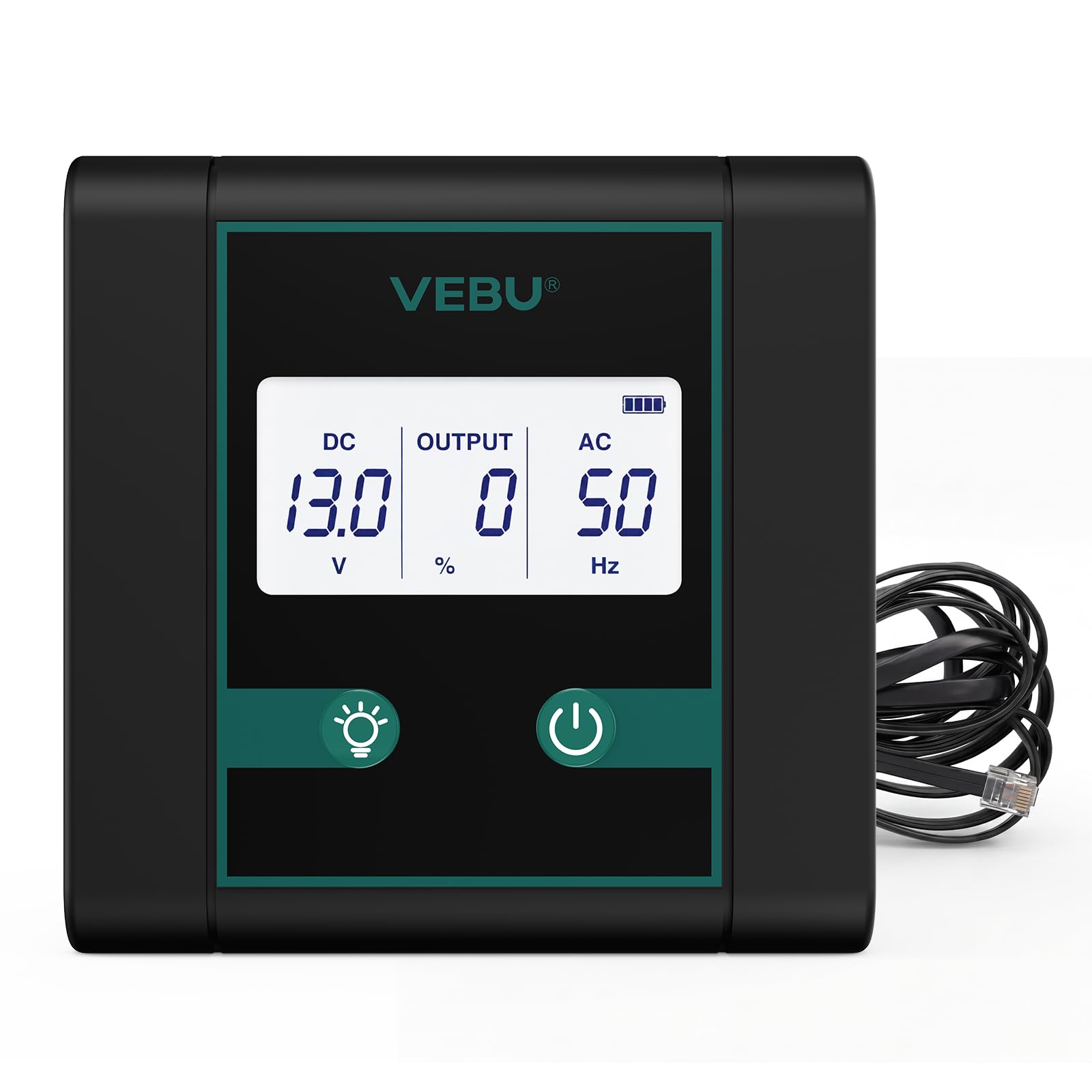
Type: Remote LCD monitoring panel
Compatibility: VEBU pure sine wave inverters only
Display: Real-time voltage and battery readout
Alert Function: Fault diagnosis alert
Controls: On/off switch
Cable Length: 16.4ft
This panel is a dedicated companion for VEBU pure sine wave inverters, and it puts the information that matters on a screen instead of a blinking light. The LCD shows live voltage and battery status, while a fault diagnosis alert flags a problem before the inverter drops the load. A physical on/off switch sits on the panel, so the inverter can be cut from a comfortable distance rather than at the unit itself.
The 16.4ft cable is the standout detail. It lets the panel live in a cabin, RV, or equipment closet while the inverter stays mounted wherever the wiring runs. Buyers running a VEBU inverter who want voltage, battery, and fault data in one readable spot are the target here.
Trade-off: The panel is locked to VEBU pure sine wave inverters, so it is useless on any other brand or on modified sine wave units.
Check the current price on Amazon
2. TH-RC Inverter Remote Control with Error Code Display
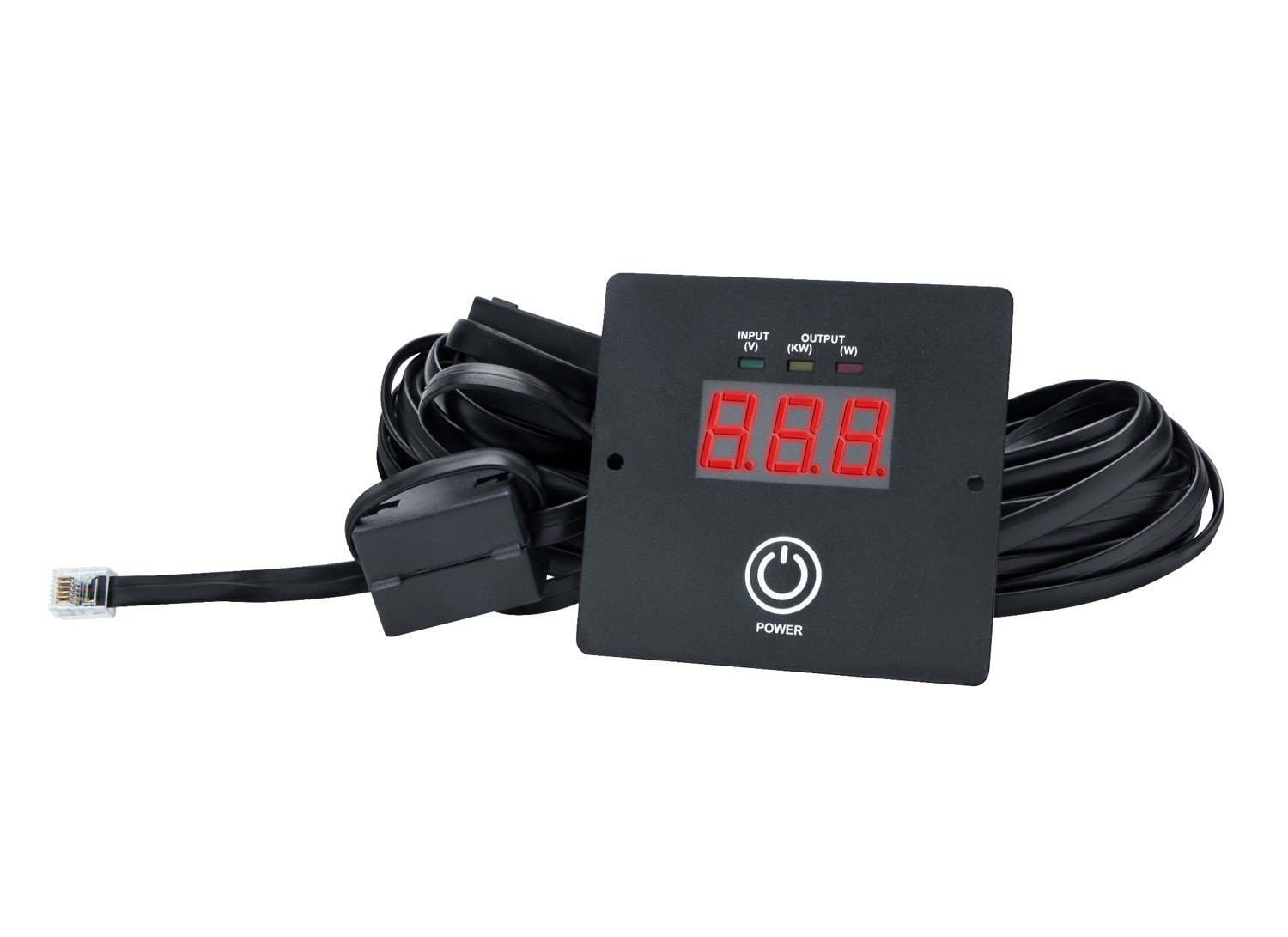
Type: Inverter remote control
Display: Error code readout
Function: Remote monitoring and fault reporting
Mounting: Panel-style remote
The TH-RC takes the guesswork out of a shutdown by putting error codes on a remote panel. Instead of crawling to the inverter to count blinks, the reader gets a code at the remote and can look up what failed. It is a simple, purpose-built accessory that suits owners who already have a compatible inverter and want fault visibility without replacing the unit.
This is the budget entry in the group, and it behaves like one. The value is in the code display, not in extra features, so buyers wanting voltage graphs or app logging should look elsewhere.
Trade-off: Compatibility has to be confirmed against the inverter before ordering, and the remote offers error codes rather than full system monitoring.
Check the current price on Amazon
3. ICM Controls ICM492 Single Phase Voltage Monitor
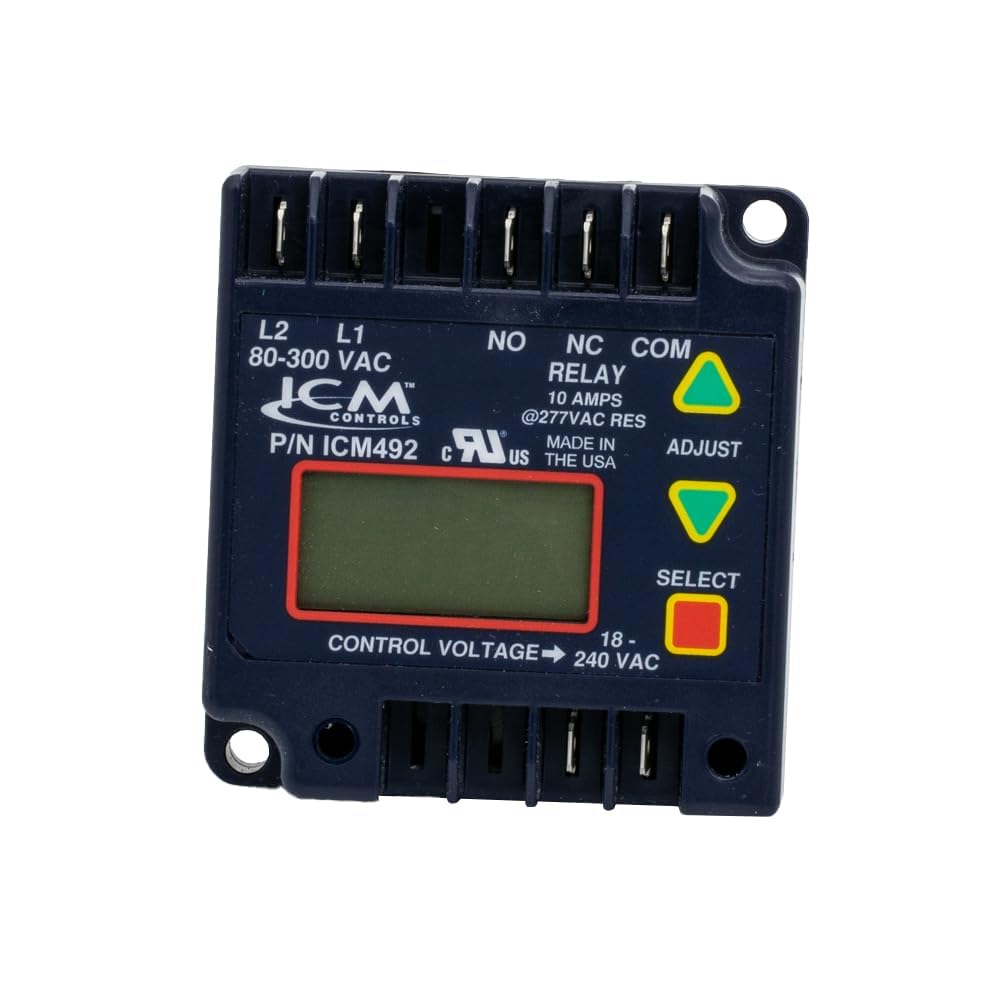
Type: Single phase voltage monitor
Voltage Range: 80-300 VAC
Display: LCD
Fault Memory: 5 faults
Protection: Over/under voltage and diagnostics
The ICM492 watches the line itself rather than the inverter, which makes it a different tool from the other picks. It covers an 80-300 VAC range and shows readings on an LCD, so a technician or homeowner can see what the supply is doing. Over and under voltage protection plus diagnostics mean the monitor can react to a bad line before connected equipment takes the damage.
The five-fault memory is the feature that earns this pick its place. Intermittent voltage sag or surge is hard to catch in the moment, and a stored fault history turns a mystery trip into a traceable event. Buyers protecting a circuit that feeds sensitive loads will get the most from it.
Trade-off: It is a hardwired monitoring device aimed at panel or equipment installation, so it is not a plug-in accessory for casual users.
Check the current price on Amazon
4. WiFi Power Outage Alarm with App Alerts
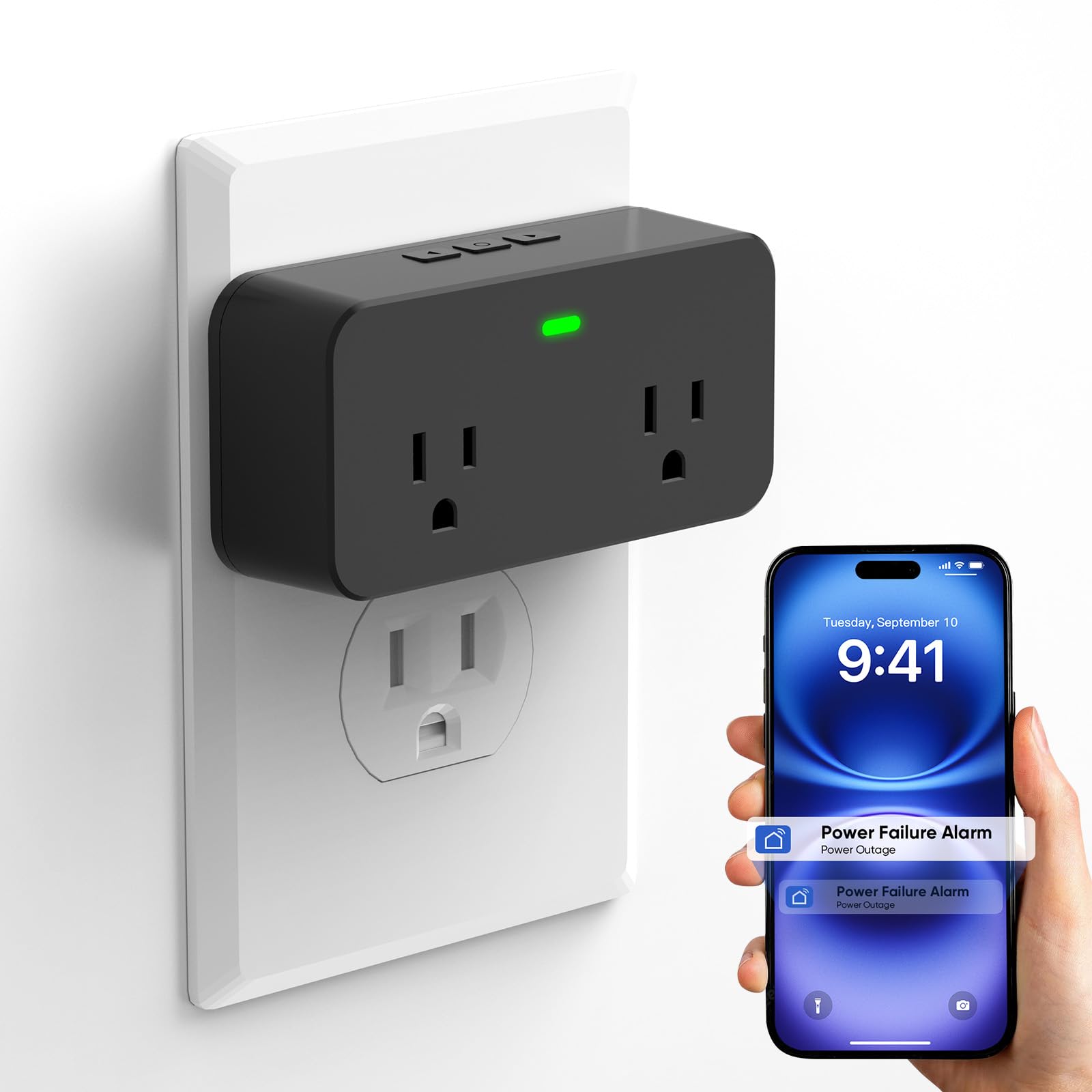
Type: WiFi power failure alarm
Outlets: 2 sockets
Alerting: App notifications with custom alert time
Control: Remote alert cancel
Use Cases: Freezer, GFCI trips, sump pump, pet feeder
This alarm answers a different question: not what the inverter did, but whether the power is on at all. Two sockets accept the appliances that must not go quiet, and when the supply drops, the WiFi unit pushes an app alert. A custom alert time prevents nuisance pings from a brief flicker, and the alert can be cancelled remotely once the situation is handled.
The use cases in the name are the honest ones. A freezer holding a week of food, a sump pump in a wet basement, a pet feeder, or a GFCI that keeps tripping are all loads where minutes matter. Buyers who want a phone notification rather than a panel readout will find this the most practical pick in the group.
Trade-off: It depends on WiFi and the home network staying up, so a router outage can silence the very alert it is meant to send.
Check the current price on Amazon
5. Digital Indicator Meter for Predator 3500 Inverter Generator
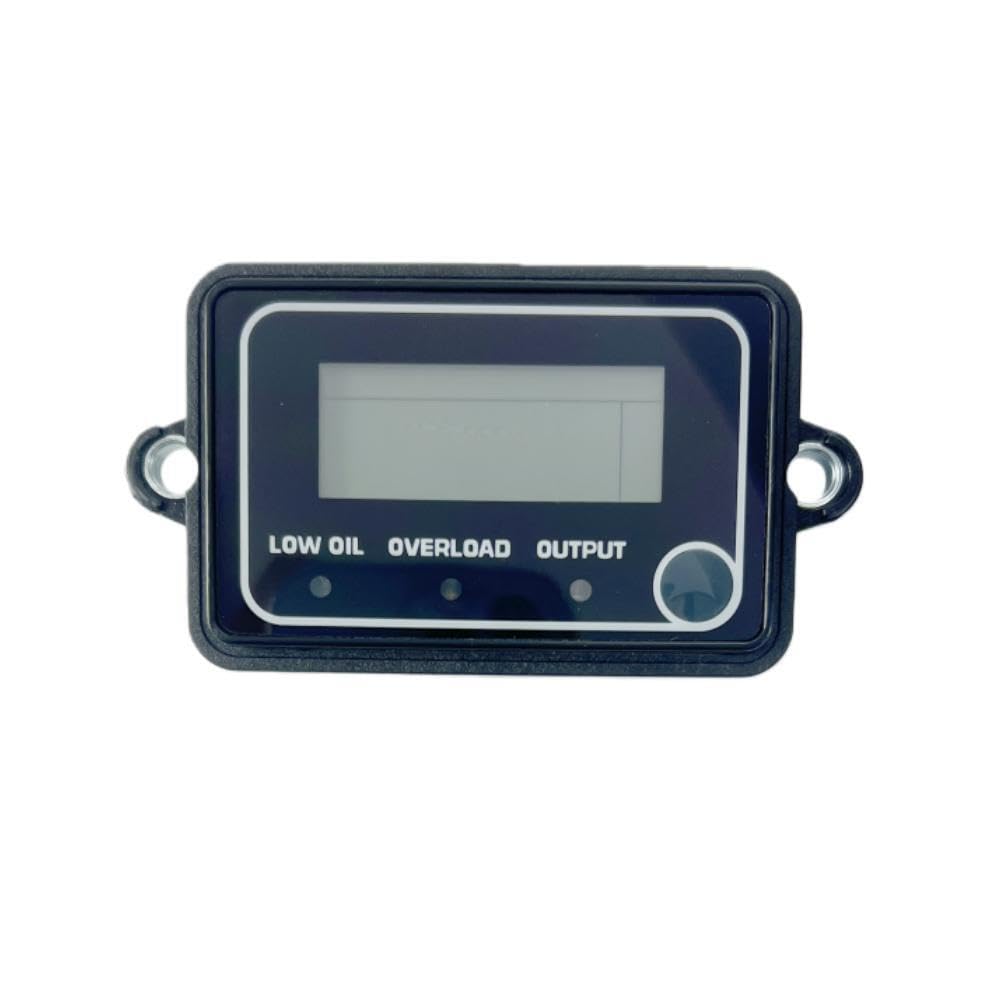
Type: Digital indicator meter
Compatibility: Harbor Freight Predator 3500 inverter generator
Alerts: Low oil, overload, output
Display: Digital readout
This meter is a direct-fit replacement or upgrade for the Predator 3500, and it covers the three failures that stop a generator: low oil, overload, and output status. The digital readout makes each condition visible rather than leaving the owner to interpret a single warning lamp. For a generator that runs a campsite or a jobsite, that clarity is the whole point.
Owners of the Predator 3500 who have lost the original display, or who want a clearer read on overload and oil status, are the right buyers. It is a narrow part, and it makes no apology for that.
Trade-off: It is built for one generator model, so it will not fit other Predator sizes or other brands.
Check the current price on Amazon
Before You Buy
- Compatibility: Confirm the alert matches the exact inverter or generator model, since several picks here are model-specific.
- Alert type: Decide whether a panel readout, an error code, or a phone notification is wanted, as each changes the buying decision.
- Installation: Hardwired monitors need panel access and wiring skill, while plug-in alarms and remote panels do not.
- Power source: WiFi and app-based alarms rely on a network and a phone, so check that both are dependable in the location.
- Fault memory: A stored fault history helps with intermittent problems that are gone by the time the unit is inspected.
- Placement: Cable length and mounting style decide whether the alert can sit where it will actually be seen.
- Loads protected: List the appliances that must not lose power, then match the alert to those loads rather than to the inverter alone.
Frequently Asked Questions
-
What does an inverter fault alert actually do?
It reports a problem — low voltage, overload, low oil, or a lost supply — through a display, an error code, or a phone notification, so the fault is identified without guesswork. -
Can one alert device work with any inverter?
No. Several picks here are tied to a specific brand or model, and compatibility should be confirmed before ordering. -
Is a voltage monitor the same as an inverter fault alert?
They overlap but differ. A voltage monitor watches the incoming line for over and under voltage, while an inverter alert reports the inverter’s own fault codes and status. -
Why choose a WiFi power loss alarm instead of a panel?
A WiFi alarm sends a notification to a phone from anywhere, which suits freezers, sump pumps, and other unattended loads where a local panel would never be seen. -
Do these devices need professional installation?
Plug-in alarms and remote panels do not, but hardwired voltage monitors are best installed by someone comfortable working inside a panel. -
What should be checked first when a fault appears?
Read the code or alert, confirm the load is within the unit’s rating, and check the supply voltage before resetting anything.
Bottom Line
The right inverter fault alert depends on what needs watching, and the Real-Time Voltage/Battery Display with Fault Diagnosis Alert is the top pick for VEBU pure sine wave inverter owners who want voltage, battery, and fault data on one remote LCD. Buyers protecting a freezer or sump pump should take the WiFi alarm instead, while the ICM492 suits anyone monitoring the line itself. Check the current price on Amazon before deciding.
